

The fight against cancer, a complex and relentless disease that accounts for a significant portion of global mortality, is increasingly turning towards understanding the intricate biological mechanisms that drive its progression. While billions are invested annually in the development of advanced chemotherapy agents, a growing body of scientific evidence suggests that dietary interventions, particularly those rich in plant-based compounds, may offer a powerful, yet often overlooked, strategy for both preventing and combating the invasive nature of cancer. Central to this research is the role of matrix metalloproteinases (MMPs), a family of enzymes that are critical facilitators of cancer cell invasion and metastasis, the primary cause of cancer-related deaths. Recent studies are highlighting specific legumes as remarkably effective in inhibiting these dangerous enzymes, presenting a compelling case for their inclusion in cancer prevention and management strategies.
The Cancer Metastasis Cascade: A Lethal Pathway
Cancer metastasis is the process by which cancer cells spread from their original site to other parts of the body, forming secondary tumors. This phenomenon is responsible for approximately 90% of cancer-related deaths, underscoring its critical role in patient outcomes. The journey of a cancer cell from primary tumor to distant organ is a multi-step process known as the invasion-metastasis cascade. Key to this cascade is the action of matrix metalloproteinases (MMPs). These enzymes act like molecular scissors, breaking down the extracellular matrix – the structural scaffold surrounding cells. This degradation allows cancer cells to detach from the primary tumor, invade surrounding tissues, and enter the bloodstream or lymphatic system. Once in circulation, these cells can travel to distant organs, implant themselves, and initiate the growth of new tumors.
Pharmaceutical Approaches and Their Limitations
Recognizing the pivotal role of MMPs in metastasis, the pharmaceutical industry has invested in developing MMP inhibitor drugs. These synthetic compounds were designed to block the activity of these enzymes, thereby theoretically halting or slowing the spread of cancer. While promising in preclinical studies, particularly in animal models, the translation of these inhibitors to effective human treatments has been met with significant challenges. Many MMP inhibitors have demonstrated limited efficacy in human trials and, more concerningly, have been associated with severe side effects. These adverse reactions often impair a patient’s quality of life and, in some instances, have failed to extend survival, leading to a critical re-evaluation of their therapeutic value and cost-effectiveness. The high cost of these treatments, coupled with their often-limited benefits, raises questions about the optimal allocation of resources in cancer research and patient care.
The Power of Plant-Based Bioactives: A Paradigm Shift
In contrast to the often-problematic pharmaceutical approach, research into the "hallmarks of cancer" – the fundamental biological capabilities acquired by cancer cells during their development – has illuminated the potent anticancer and chemopreventive properties of dietary bioactive compounds found in whole, plant-based foods. These compounds, often referred to as phytochemicals, are naturally occurring substances in plants that can influence various biological pathways relevant to cancer development and progression.
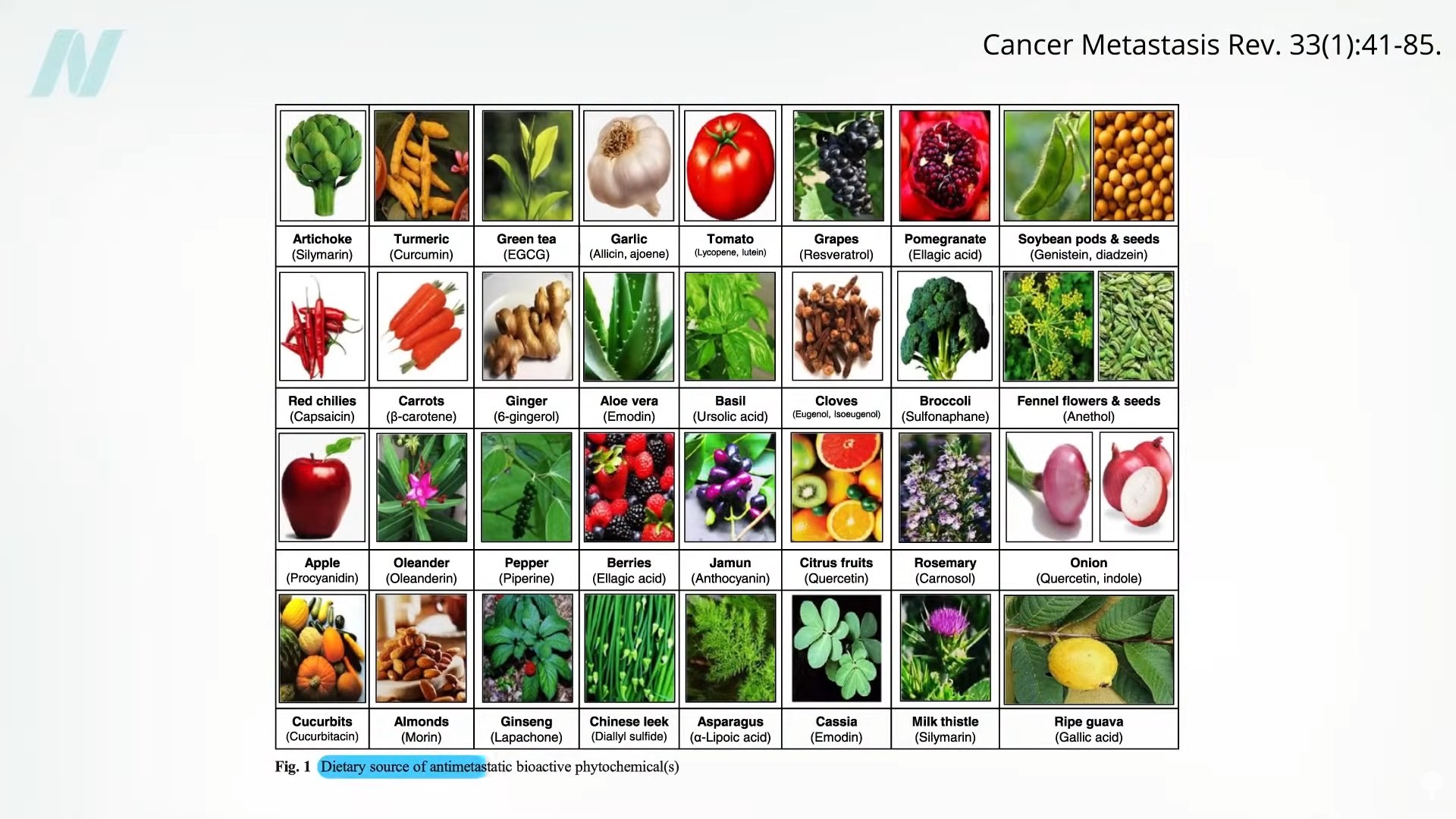
A comprehensive body of evidence suggests that a dietary pattern characterized by minimal animal product consumption and maximal intake of plant-based foods holds significant promise for cancer prevention and management. Foods frequently cited for their beneficial properties include a wide array of fruits (particularly berries), vegetables (especially leafy greens), legumes (such as beans, split peas, chickpeas, and lentils), nuts and seeds (with flaxseeds being particularly notable), alliums (onions and garlic), mushrooms, herbs and spices (turmeric being a prominent example), and green tea as a beverage.

Legumes: Unlocking the Secrets of MMP Inhibition
Among the diverse array of plant-based foods, legumes have emerged as particularly compelling subjects of research due to their specific ability to inhibit MMP activity. Legumes are a rich source of proteins, fibers, vitamins, and minerals, and crucially, they contain unique phytochemicals that have demonstrated significant potential in modulating cancer progression.
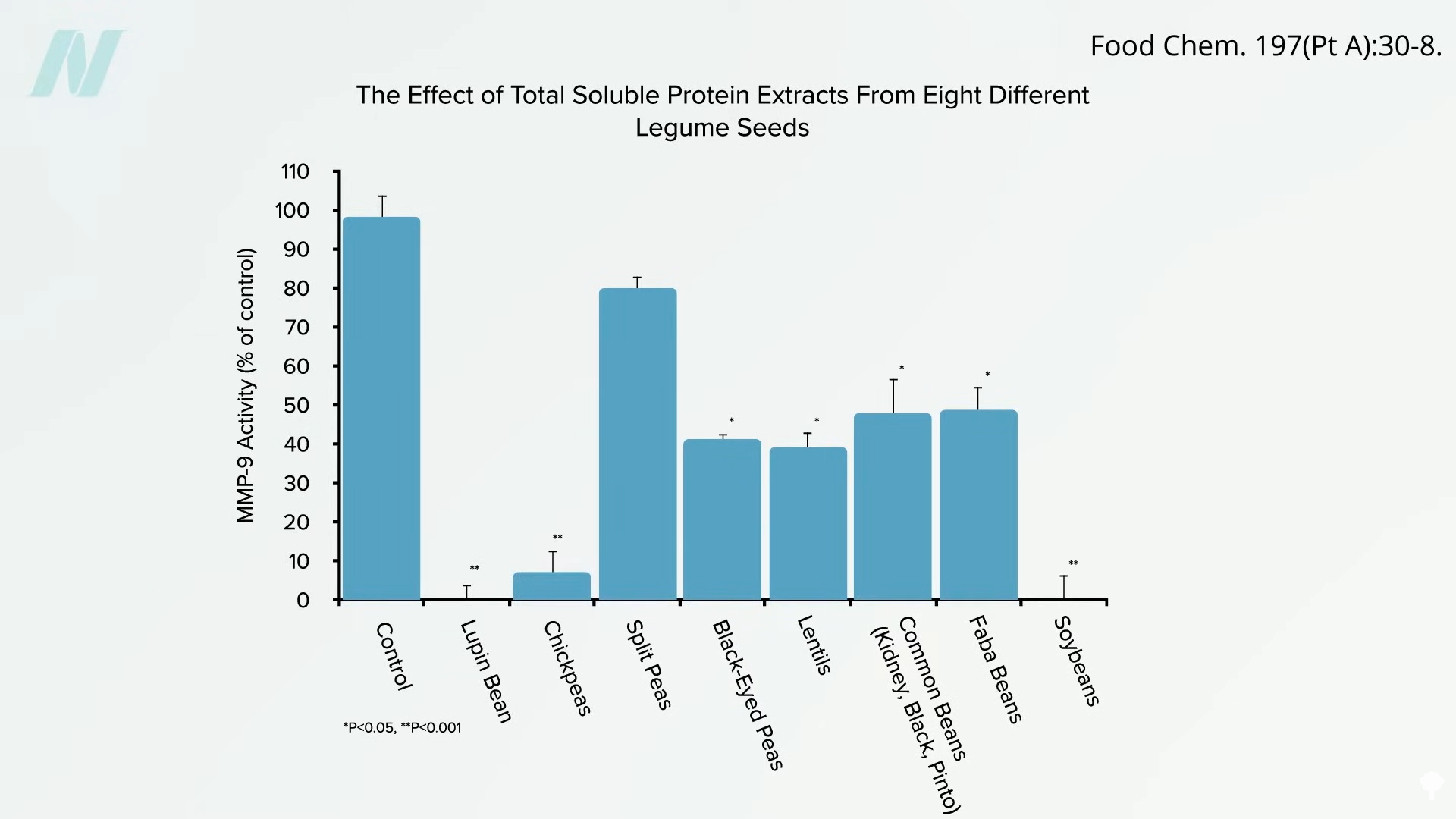
A pivotal study investigated the efficacy of proteins extracted from eight different types of legumes in inhibiting MMP activity. The legumes tested included lupin beans, chickpeas, split peas, black-eyed peas, lentils, common beans (such as kidney, black, and pinto varieties), fava beans, and soybeans. The research aimed to determine which of these dietary staples possessed the strongest MMP-inhibiting capabilities.
In the baseline experimental setup, where no legume proteins were added, matrix metalloproteinase activity was observed at approximately 100%. The introduction of protein isolates from split peas showed minimal impact on this activity. However, a notable reduction in MMP activity was observed with black-eyed peas, lentils, common beans, and fava beans, which collectively reduced enzyme activity by over 50%. The most striking results were observed with lupin beans, chickpeas, and soybeans, where MMP activity was inhibited by more than 90%. This finding positions these legumes as exceptionally potent natural inhibitors of the enzymes that drive cancer invasiveness.
In Vitro Evidence: Visualizing the Inhibitory Effect
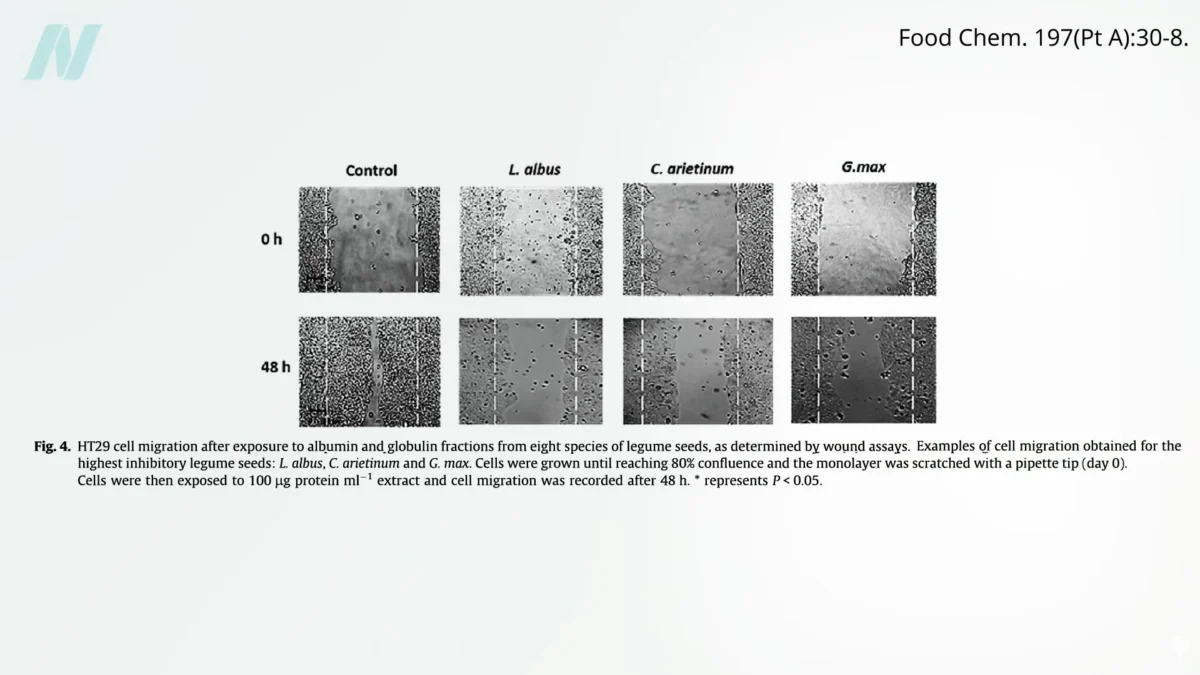
To further elucidate the practical implications of these findings, researchers conducted experiments using human colon cancer cells in a laboratory setting. In a controlled environment, a strip was cleared in a layer of colon cancer cells using a razor blade. In the absence of any legume-derived compounds, the cancer cells rapidly proliferated to fill the gap within 48 hours, demonstrating their aggressive invasive potential.
However, when proteins extracted from lupin beans, chickpeas, or soybeans were introduced to the culture, a significant difference was observed. The cancer cells treated with these legume proteins exhibited a marked struggle to close the cleared distance. This visual evidence strongly suggests that these specific legumes can effectively impede the migratory and invasive capabilities of cancer cells, directly correlating with their demonstrated ability to inhibit MMP activity.
Cooking and Bioavailability: Ensuring Efficacy
A crucial consideration in the practical application of dietary interventions is whether the beneficial compounds remain active after cooking. Traditional culinary practices often involve cooking legumes, and concerns have been raised about the potential degradation of anti-cancer proteins during this process.
To address this, researchers specifically investigated the impact of cooking on the MMP-inhibitory properties of soybeans. Their findings indicated that the matrix metalloproteinase inhibitors present in soybeans remained active even after cooking. This is a critical piece of information, as it suggests that the consumption of cooked legumes, a common and accessible dietary practice, can still provide significant benefits in combating cancer metastasis. While further research may be needed for other legumes, this initial finding is highly encouraging for incorporating cooked legumes into cancer-preventive diets.
Broader Implications: Beyond Cancer Metastasis
The significance of MMPs extends beyond their role in cancer metastasis. These enzymes are implicated in a variety of physiological and pathological processes, including inflammation, tissue remodeling, and immune responses. Consequently, elevated MMP levels are not only associated with increased cancer risk and progression but also with other serious health conditions.
Individuals following a vegetarian diet have been observed to have significantly lower levels of MMPs. While this has been attributed in part to lower levels of systemic inflammation, a common characteristic of plant-based diets, it highlights a broader health benefit. Non-smokers, for example, also tend to exhibit lower MMP levels, suggesting a correlation between reduced inflammation and inhibited MMP activity.
This enzyme’s "machete-like" action is not confined to cancer cells. MMPs can also degrade the inflamed, cholesterol-laden atherosclerotic plaques lining diseased arteries, potentially leading to plaque rupture and contributing to cardiovascular events such as heart attacks and strokes. Therefore, the dietary strategies that effectively inhibit MMPs for cancer prevention may simultaneously offer protection against cardiovascular disease.
The well-established link between plant-based diets and reduced heart disease risk may, in part, be explained by their ability to modulate MMP activity and reduce inflammation. This synergistic effect underscores the profound impact of dietary choices on multiple aspects of human health, suggesting that a plant-centric approach can confer a dual benefit by reducing the risk of both cancer and cardiovascular disease.
The Nutritional Landscape and Future Directions
The research presented underscores a significant paradigm shift in cancer research and prevention. It moves beyond the limitations of solely relying on pharmaceutical interventions and highlights the immense potential of leveraging the power of whole foods. The identification of specific legumes, particularly lupin beans, chickpeas, and soybeans, as potent inhibitors of MMPs offers a tangible and accessible dietary strategy for individuals seeking to bolster their defenses against cancer metastasis.
The implications of these findings are far-reaching. They suggest a need for increased public health initiatives and educational campaigns promoting the consumption of legumes as a key component of a cancer-preventive diet. Furthermore, continued research into the specific bioactive compounds within these legumes and their precise mechanisms of action could pave the way for targeted dietary recommendations and potentially the development of novel, food-derived therapeutic agents.
As the scientific community continues to unravel the intricate interplay between diet and disease, the humble legume stands out as a nutritional powerhouse with the remarkable ability to disarm one of cancer’s most lethal weapons. Incorporating these versatile and nutrient-dense foods into our daily meals represents a proactive and empowering step towards a healthier future, offering a delicious and effective strategy to combat the pervasive threat of cancer.
Doctor’s Note:
The video "Fighting the Ten Hallmarks of Cancer with Diet" offers further insights into how dietary choices can influence the fundamental processes of cancer development. For additional information on strategies to combat cancer metastasis, related posts are available.

