


The discovery of Fibroblast Growth Factor 21 (FGF21) in the year 2000 marked a significant milestone in understanding metabolic health and longevity. Initially identified as the 21st member of the fibroblast growth factor family, FGF21 has since emerged as a critical mediator in promoting metabolic efficiency, arterial well-being, leanness, and extending lifespan. Research has demonstrated its potent effects in preclinical models, raising considerable interest from both the scientific community and the pharmaceutical industry.
FGF21: A Hormone of Metabolic and Longevity Potential
Early investigations into FGF21 revealed its remarkable capacity to influence body composition and metabolism. In studies involving non-human primates, the direct administration of FGF21 led to substantial reductions in body weight without altering caloric intake. Specifically, these subjects experienced a 27% decrease in body fat while maintaining their habitual dietary habits. This suggests that FGF21 can directly impact fat metabolism, enhancing energy expenditure or reducing fat storage independent of dietary changes.
The impact of FGF21 on lifespan was further elucidated in rodent studies. In mice, FGF21 administration resulted in a remarkable 30% to 40% increase in lifespan, a longevity effect comparable to that achieved through chronic caloric restriction. Crucially, this extended lifespan was not accompanied by a reduction in food consumption, highlighting FGF21’s potential to decouple lifespan extension from the challenging regimen of severe dietary limitation. These findings have fueled speculation about FGF21’s potential as a therapeutic agent for extending mammalian lifespans, a prospect that has naturally attracted the attention of major pharmaceutical corporations. The question of whether aging itself could become a treatable condition through pharmacological interventions is now a subject of intense scientific and commercial inquiry.
Beyond its effects on weight and longevity, FGF21 exhibits a broad spectrum of metabolic benefits. Researchers have posited that a single agent capable of simultaneously addressing obesity, type 2 diabetes, dyslipidemia (abnormal blood lipid levels), and hypertension could revolutionize the treatment of metabolic syndrome. Such a multifaceted therapeutic approach was once considered improbable but is now an increasingly tangible prospect due to FGF21’s demonstrated efficacy across these conditions.
The Challenge of FGF21 Delivery and Pharmaceutical Development
A significant hurdle in translating FGF21’s therapeutic potential into clinical practice lies in its inherent instability within the human body. FGF21 is rapidly metabolized, necessitating frequent administration – potentially every one to two hours – to maintain therapeutic levels. This impracticality has prompted pharmaceutical companies to focus on developing genetically engineered variants or synthetic analogues of FGF21 that possess a longer duration of action.

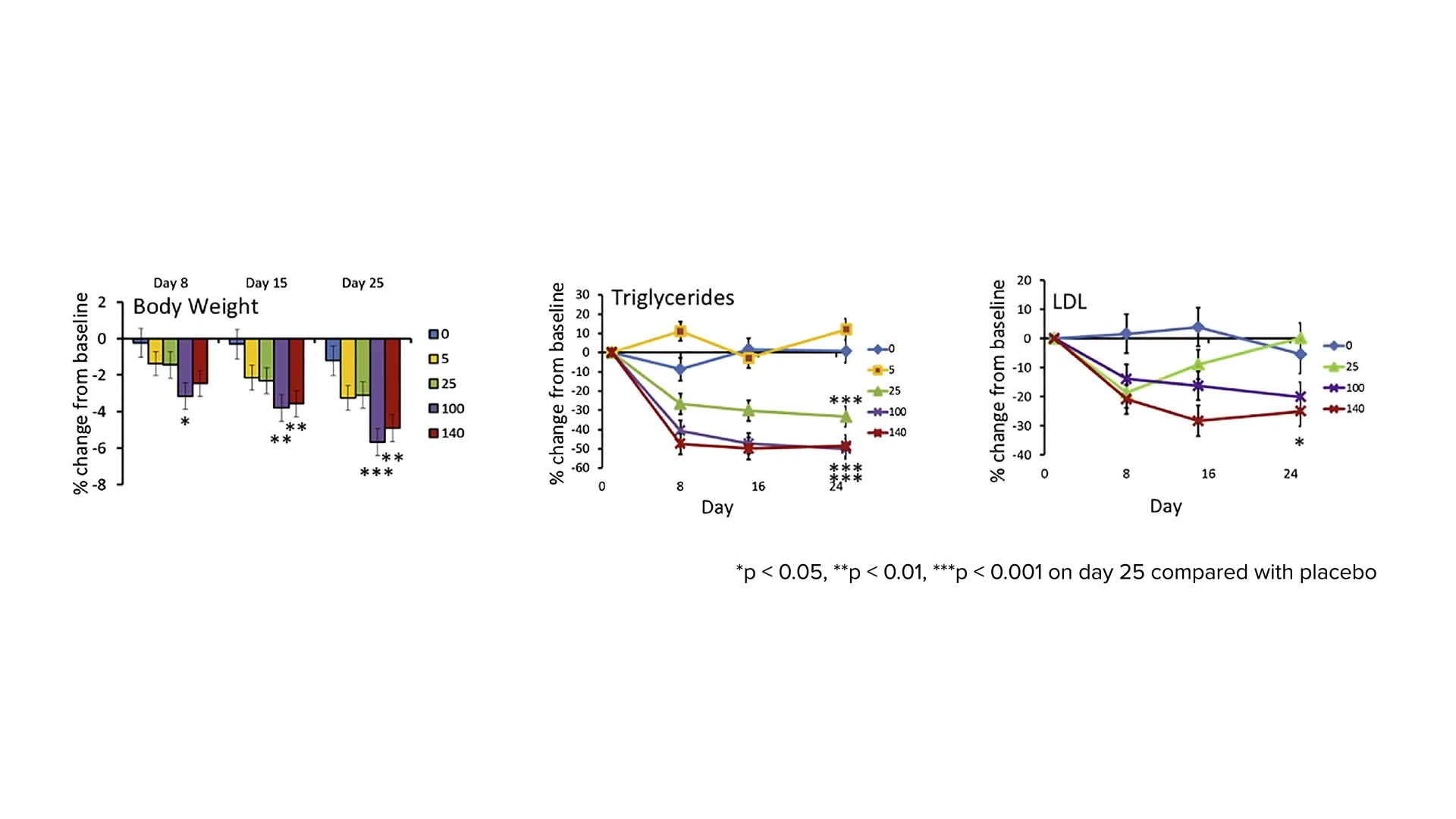
One such engineered molecule, PF-05231023, has shown promising results in early human trials. In a study, participants administered with this FGF21 analogue experienced an average weight loss of approximately 10 pounds within 25 days. Furthermore, significant improvements were observed in lipid profiles, including substantial reductions in triglyceride and cholesterol levels. These outcomes, visually represented in clinical data, underscore the potential of modified FGF21 to offer a novel therapeutic avenue for metabolic disorders.
However, the development of these novel FGF21-based drugs has not been without its challenges. As these new compounds progressed through clinical trials, unforeseen side effects began to emerge, necessitating careful evaluation and potentially limiting their widespread application. This has led to a re-examination of alternative strategies for harnessing FGF21’s benefits.
Natural Pathways to FGF21 Enhancement: Exercise and Fasting
Given the complexities and potential side effects associated with pharmacological interventions, researchers are exploring more natural methods to elevate FGF21 levels. Two primary avenues have emerged: physical exercise and intermittent fasting.
Exercise and FGF21 Levels:
Studies have consistently demonstrated that physical activity is a potent stimulator of endogenous FGF21 production. This elevation in FGF21 may, in part, explain the myriad health benefits associated with regular exercise. Comparative studies have investigated the impact of different exercise modalities on FGF21 levels. For instance, one study compared the effects of aerobic exercise (eight weeks of running) with resistance exercise (eight weeks of weight training). Both forms of exercise led to an increase in FGF21 levels, but resistance training showed a more pronounced effect, resulting in a 42% increase in FGF21 compared to a 25% increase observed in the aerobic exercise group. This suggests that strength training might be particularly effective in boosting this longevity hormone.
Fasting and FGF21 Induction:

FGF21 has also earned the moniker "starvation hormone" due to its significant induction during periods of fasting. Physiologically, FGF21 expression rises markedly in response to food deprivation. However, the human response differs from that of rodents. While mice exhibit an increase in FGF21 after as little as six hours of fasting, humans require a substantially longer period, with notable surges only occurring after approximately one week of fasting.
Fasting for extended durations, such as 10 days, has been shown to quadruple FGF21 levels. This profound increase, however, is associated with severe caloric restriction, making it an unsustainable and potentially unhealthy practice for most individuals. The challenge lies in finding ways to achieve the beneficial effects of FGF21 elevation without resorting to extreme and prolonged fasting protocols.
Dietary Approaches and FGF21: Unanswered Questions
The exploration of dietary interventions to naturally increase FGF21 levels is an area of active research. While some strategies, like engineered gene delivery via viruses, have been proposed, the focus is increasingly shifting towards leveraging diet to stimulate the body’s own endogenous production of FGF21.
Early hypotheses suggested that ketogenic diets, which mimic some metabolic states of fasting, might effectively boost FGF21. However, scientific evidence does not support this notion. Studies have indicated that ketogenic diets, particularly when maintained for several months, can lead to a significant decline in FGF21 levels. Furthermore, high-fat diets, including ketogenic regimens, may even interfere with the FGF21 response typically observed after high-intensity interval training, potentially negating some of the benefits of exercise.
The question of which dietary patterns or specific foods can effectively and safely enhance FGF21 production remains a critical area for further investigation. The body’s intricate metabolic pathways suggest that a nuanced approach, rather than a singular dietary strategy, might be key.
The Road Ahead: Diet, Exercise, and Longevity
The scientific journey to understand and harness FGF21 for human health is ongoing. While pharmacological approaches are being pursued, the potential for natural lifestyle interventions, particularly diet and exercise, to positively influence FGF21 levels and contribute to longevity is immense.
The current research landscape suggests that a combination of regular resistance training and an optimized dietary strategy could offer a powerful synergy for boosting FGF21. The identification of specific dietary components or eating patterns that promote sustained FGF21 elevation without the drawbacks of extreme fasting or unhealthy dietary trends is the next frontier.
Timeline of FGF21 Research and Development:
- 2000: Fibroblast Growth Factor 21 (FGF21) is discovered.
- Early 2000s: Initial preclinical studies in rodents and primates demonstrate FGF21’s effects on fat loss and lifespan extension.
- Mid-2010s: Pharmaceutical companies begin developing longer-acting FGF21 analogues, such as PF-05231023, for therapeutic use.
- Late 2010s: Early human trials of FGF21 analogues show promising results in weight loss and metabolic marker improvements, but also reveal potential side effects.
- Present: Research intensifies on natural methods to boost FGF21, including exercise modalities and dietary interventions, while pharmaceutical development continues with a focus on safety and efficacy.
The implications of these findings extend beyond individual health. A deeper understanding of FGF21 could pave the way for novel treatments for a range of metabolic diseases, potentially reducing the global burden of conditions like obesity, type 2 diabetes, and cardiovascular disease. The ongoing research underscores the intricate relationship between our lifestyle choices and the hormonal signals that govern our metabolic health and lifespan.
Future research will undoubtedly focus on elucidating the precise dietary mechanisms that modulate FGF21 and on developing safe and effective strategies for individuals seeking to optimize their levels of this vital longevity hormone. The promise of enhanced metabolic health and extended lifespan through natural means remains a compelling area of scientific exploration.

