

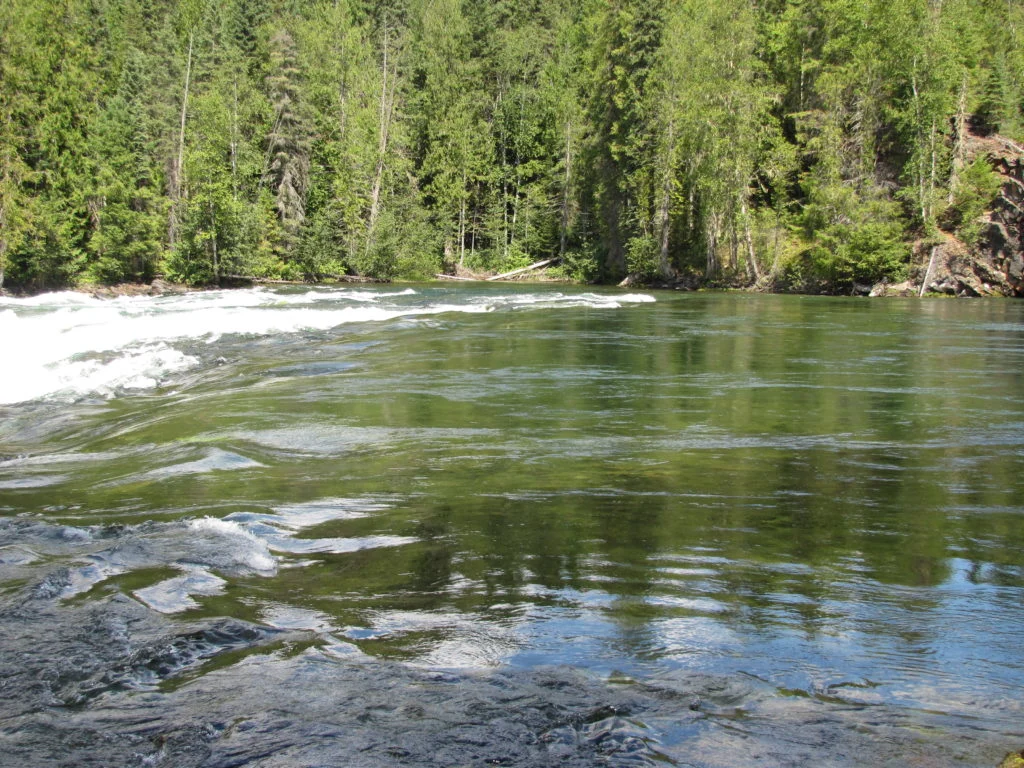
Wells Gray Provincial Park, a vast expanse of protected wilderness nestled within the Caribou Mountains of British Columbia, Canada, stands as a testament to the raw, untamed beauty of the natural world. This sprawling sanctuary, covering approximately 5,219 square kilometers, is a dramatic landscape sculpted by geological forces over millennia. It is a realm where towering mountains meet pristine lakes, where ancient forests teem with life, and where a remarkable diversity of wildlife, including iconic bears, majestic moose, a vibrant array of avian species, and abundant fish populations, thrives. However, the park is perhaps most renowned for its breathtaking collection of waterfalls, a feature directly attributable to its unique geological history. Within its boundaries, an estimated 39 named major waterfalls and countless smaller cascades tumble and roar, each a testament to the erosive power of water. Among these natural wonders, Helmcken Falls commands particular attention, ranking as the fourth-largest waterfall in Canada and a staggering three times the height of the iconic Niagara Falls, plunging an impressive 141 meters (463 feet).
The Geological Canvas of Wells Gray Park
The genesis of Wells Gray Park’s dramatic topography, particularly its abundance of waterfalls, can be traced back to volcanic activity and glacial erosion. Approximately 100 million years ago, the region was shaped by extensive lava flows that created a basalt plateau. This hard, resistant rock layer has acted as a protective cap over softer underlying rock. As glaciers advanced and retreated over thousands of years, they carved deep valleys and canyons. Rivers, following these glacial pathways, encountered the hard basalt layers. Where these layers were breached or eroded, rivers were forced to cascade over cliffs, forming the spectacular waterfalls that define the park today. The Murtle River, which feeds Helmcken Falls, exemplifies this process, its powerful flow carving its path through the ancient volcanic landscape.
Helmcken Falls: A Natural Spectacle
Helmcken Falls, the undisputed jewel of Wells Gray Park, is a sight that inspires awe and profound reflection. The sheer volume of water that plunges over the cliff edge creates a constant, thunderous roar that can be heard from a considerable distance. The mist generated by the cascade often forms rainbows on sunny days, adding to the ethereal beauty of the scene. The falls are particularly striking during the spring melt, when the Murtle River swells with glacial runoff, intensifying the power and spectacle of the torrent. The surrounding area is characterized by dense coniferous forests, with trails providing access to various viewpoints, allowing visitors to experience the falls from different perspectives. The visitor center at the falls offers interpretive displays detailing the park’s natural and human history, enhancing the educational value of the visit.
The Philosophy of the Cascade: Nature’s Transient Beauty
Beyond its sheer visual grandeur, Helmcken Falls, like all waterfalls, offers a potent metaphor for understanding existence. Observing the relentless, wild cascade of water, inhaling the cool, invigorating mist, and feeling the resonant roar, one can perceive a waterfall as a living entity. The very word "waterfall" encapsulates a relationship: it is the dynamic event of a particular river reaching a specific geographical location. It represents the immensely powerful and beautiful form water assumes, momentarily, in its ceaseless journey downstream.
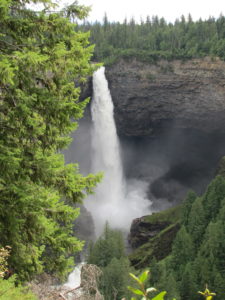
This transient nature of the waterfall can be extended to a broader understanding of all phenomena, including life itself. If we expand our temporal perspective, it becomes evident that everything, and by extension everyone, is a temporary event, much like a waterfall. Just as a waterfall is a fleeting shape adopted by water, a tree is the form that sunlight, water, and specific chemical elements take for a period of several centuries. Animals, including humans, are the temporary configurations of food, water, and air, existing for less than a century. In this light, the waterfall becomes a narrative of life, inscribed in an instant, a profound reminder of the impermanence that underpins all existence.
The Deceptive Calm Before the Storm
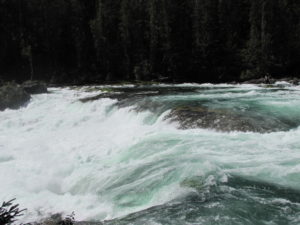
A striking characteristic observed at many waterfalls is the deceptively smooth, quiet, and calm appearance of the water immediately preceding the cascade. This tranquil surface offers little premonition of the turbulence and dramatic transformation that awaits. From the placid stillness of a lake or a slow-moving stretch of river, the current gradually accelerates, often imperceptibly, until the water is suddenly plunged over the precipice in a paroxysm of energy, chaos, and breathtaking beauty. This visual contrast between the serene upstream and the tumultuous plunge serves as a powerful natural analogy.
Parallels in Human Experience and Societal Dynamics
The observation of this natural phenomenon provides fertile ground for contemplation on parallels within human affairs and broader societal dynamics. As individuals age, life can proceed with relative smoothness and predictability. However, this calm can be abruptly disrupted by illness or the natural process of aging, leading to a progressively increasing rate of systemic failure. Similarly, on a societal level, the pace of technological advancement and social change can be perceived as gradually and smoothly accelerating, akin to the river flowing towards a waterfall.
There may come a point, a threshold, where this accumulated momentum leads to an ensuing period of chaos or significant upheaval. Those individuals or segments of society situated "ahead" of the curve, so to speak, might already be immersed in this maelstrom of change. Meanwhile, for those "farther behind," the situation may still appear safe and calm, with little indication of the approaching transformation. The crucial lesson embedded in this natural analogy is the importance of attentive observation and mindful awareness. By "listening with an alert mind," one may discern the subtle "sound" of the approaching "fall" before it is too late to navigate towards a position of greater stability or safety. This implies a need for foresight, adaptability, and a proactive approach to anticipating and responding to change, rather than being caught unawares by its inevitable arrival.
Conservation Efforts and the Future of Wells Gray Park
Wells Gray Provincial Park, with its unparalleled natural beauty and ecological significance, is a vital component of British Columbia’s protected areas network. The park’s management is overseen by the British Columbia Ministry of Environment and Climate Change Strategy, with Parks Canada also playing a role in the broader conservation landscape of Canada. Ongoing efforts focus on maintaining the ecological integrity of the park, managing visitor access to minimize impact, and preserving the natural habitat for its diverse wildlife. The park’s designation as a provincial park underscores the commitment to its long-term protection and the preservation of its natural heritage for future generations.
Broader Implications: The Ecological and Psychological Significance of Natural Spaces
The profound connection between humans and nature, often termed "ecopsychology," finds potent expression in places like Wells Gray Park. The experience of being immersed in such a powerful natural setting can have significant psychological benefits. Studies have consistently shown that spending time in nature can reduce stress, improve mood, enhance cognitive function, and foster a greater sense of well-being. The grandeur of Helmcken Falls, with its raw power and ephemeral beauty, serves as a potent reminder of our place within the larger natural world and the interconnectedness of all living systems.
The challenges faced by natural environments globally, including habitat loss, climate change, and pollution, highlight the critical importance of protected areas like Wells Gray Park. These spaces not only serve as havens for biodiversity but also as essential sites for scientific research, education, and for the human spirit to reconnect with the fundamental rhythms of nature. The lessons learned from observing the natural world, such as the transient nature of existence and the deceptive calm that can precede significant change, offer valuable insights for navigating the complexities of modern life. The continued preservation and thoughtful management of such natural wonders are therefore not merely an environmental imperative but a fundamental aspect of fostering a healthy and resilient society.
The presence of over 30 species of mosquito within the park, while perhaps an annoyance to some visitors, is also an indicator of a healthy, functioning ecosystem. These insects, often overlooked, play crucial roles in the food web, serving as a food source for various birds, bats, and other animals. Their diversity speaks to the park’s ecological richness and the intricate balance of life that has been sustained within its boundaries.
As visitor numbers to Wells Gray Park continue to grow, the emphasis on responsible tourism becomes increasingly paramount. Educational initiatives that highlight the ecological significance of the park, the importance of Leave No Trace principles, and the scientific insights that can be gleaned from its natural phenomena are crucial. By fostering a deeper appreciation and understanding of this extraordinary landscape, visitors can become stewards of its preservation, ensuring that the powerful lessons and breathtaking beauty of Helmcken Falls and the wider Wells Gray ecosystem endure for centuries to come.

