

Wells Gray Provincial Park, a vast expanse of protected wilderness nestled within the Caribou Mountains of British Columbia, Canada, stands as a testament to the raw power and intricate beauty of the natural world. This pristine region, characterized by its dramatic mountain ranges, serene lakes, dynamic rivers, and dense forests, is a vital sanctuary for a rich tapestry of wildlife. Visitors can commonly observe majestic bears, elusive moose, diverse avian species, and abundant fish populations. However, the park is perhaps most famously defined by its extraordinary abundance of waterfalls, a direct consequence of its unique geological evolution. Within its boundaries, approximately 39 named major waterfalls and countless smaller cascades carve their paths through the landscape, creating a symphony of cascading water that has captivated visitors for generations. Among these natural wonders, Helmcken Falls commands particular awe, standing as the fourth-largest waterfall in Canada, a breathtaking spectacle that dwarfs even the iconic Niagara Falls in height, being roughly three times its stature.
The Geological Genesis of Wells Gray’s Waterfalls
The exceptional concentration of waterfalls in Wells Gray Provincial Park is not a matter of chance but a direct result of its geological history. Over millions of years, the region has been shaped by volcanic activity and the erosive power of glaciers and rivers. The bedrock of the park is primarily composed of basalt, formed from ancient lava flows. This resistant rock provides a stable foundation, but the softer sedimentary layers beneath have been gradually eroded by the relentless flow of water. The numerous rivers that traverse the park, fed by snowmelt from the surrounding mountains, have sculpted deep canyons and dramatic escarpments. Where these rivers encounter resistant basalt layers overlying softer rock, the conditions are set for the formation of spectacular waterfalls. The sheer volume of water and the dramatic drop create the powerful cascades that define Wells Gray. The park’s geological narrative is written in stone and water, a slow, powerful process that has unfolded over millennia, culminating in the breathtaking aquatic artistry on display today.
Helmcken Falls: A Monumental Display of Nature’s Force
Helmcken Falls, the jewel in the crown of Wells Gray Provincial Park’s waterfall collection, plunges an astonishing 141 meters (463 feet) from the Murtle River into a deep canyon below. This impressive height makes it the fourth-largest waterfall in Canada, a significant geological feature that draws thousands of visitors annually. The sheer volume of water that thunders over the precipice, particularly during the spring melt, creates a deafening roar and a constant spray that can be felt from considerable distances. The force of the water, as it collides with the rocks at the base, generates a powerful mist that often forms rainbows on sunny days, adding another layer of ethereal beauty to the scene. The falls are accessible via a well-maintained trail, allowing visitors to experience their grandeur up close. The viewing platform offers a panoramic vista, providing a sense of scale and the immense power of this natural phenomenon. The surrounding old-growth forests and rugged terrain further enhance the feeling of immersion in a wild and untamed landscape.
The Profound Lessons of Cascading Water
Beyond their sheer visual magnificence, waterfalls offer profound insights into the nature of existence and the passage of time. Observing the relentless, wild cascade of a river, breathing in the cool, moist air, and feeling the resonant roar of the water, one can perceive a waterfall not merely as a geological feature but as a vibrant, living entity. The very word "waterfall" speaks to a dynamic relationship: it is the moment a particular river encounters a specific location, manifesting as an immensely powerful and beautiful form that water adopts temporarily on its journey downstream.
This observation, when extended across vast temporal scales, reveals a universal truth: everything, including ourselves, is a transient event, much like a waterfall. A waterfall is a momentary configuration of water, a fleeting expression of its perpetual flow. Similarly, a tree, standing for centuries, is a temporary shape taken by sunlight, water, and essential chemicals. Animals, including humans, are even more ephemeral forms, representing the transient manifestation of food, water, and air for less than a century. In this context, a waterfall becomes a potent metaphor, a story of life written in an instant, a vivid illustration of the impermanence and dynamism inherent in all things.
The Deceptive Calm Before the Plunge: A Metaphor for Life’s Transitions
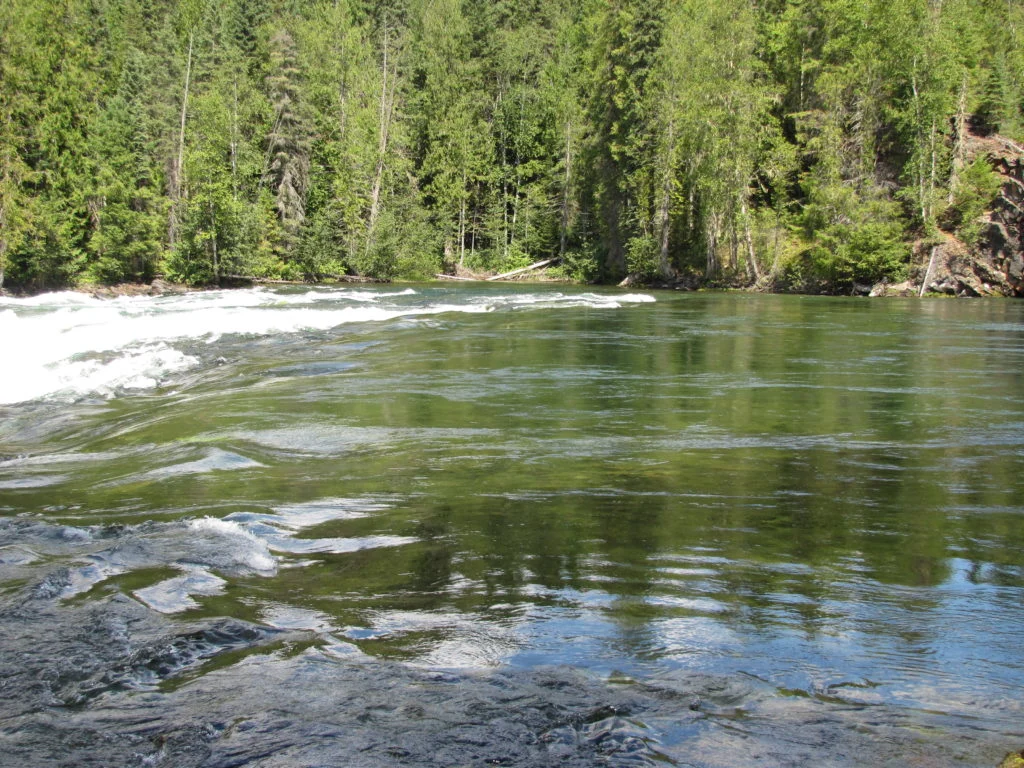
A striking characteristic often observed at many waterfalls is the deceptive nature of the water upstream of the cascade. Here, the river typically flows with a smooth, quiet, and seemingly tranquil demeanor, offering little to no indication of the dramatic transformation that awaits. This placid surface belies the accelerating current, which imperceptibly gathers speed until, with sudden and dramatic force, the water plunges over the edge in a paroxysm of energy, chaos, and breathtaking beauty.
This phenomenon in nature finds a compelling parallel in human affairs and societal dynamics. As individuals age, life can often proceed smoothly and predictably. However, this calm can be disrupted by illness or the natural process of aging, leading to a gradual or sometimes abrupt decline in physical or mental faculties. The systems that once functioned flawlessly begin to falter, often at an accelerating rate.
On a broader societal level, the pace of technological advancement and social change can be likened to the river above the falls. For extended periods, these changes may seem gradual and manageable, creating a sense of stability and continuity. However, as the cumulative effect of these shifts intensifies, a threshold can be reached. At this point, the seemingly smooth progression can abruptly give way to chaos, disruption, and unforeseen consequences. It is possible that those further along in the river of societal change are already caught in the maelstrom of transformation, while those positioned further upstream may still perceive their circumstances as safe and tranquil.
The ability to listen with an alert and discerning mind becomes crucial. By paying attention to the subtle signs and the growing murmur of change, individuals and societies can potentially hear the approaching roar of the falls before it is too late to navigate towards a place of safety and stability on the banks. This requires a conscious effort to remain aware of the underlying currents of change, rather than being lulled into complacency by the surface calm.
Supporting Data and Ecological Significance
Wells Gray Provincial Park encompasses an area of approximately 5,250 square kilometers (2,027 square miles), making it one of the largest provincial parks in British Columbia. Its diverse ecosystems range from montane forests to alpine meadows, supporting a wide array of flora and fauna. The park is home to an estimated 30 species of mosquitoes, a testament to its rich wetland habitats. The ecological health of the park is intrinsically linked to the health of its waterways, including the Murtle River which feeds Helmcken Falls. Protecting these water sources is paramount for maintaining the park’s biodiversity and the integrity of its natural spectacles. The geological formation of the park, particularly the basaltic bedrock, plays a critical role in the formation of the waterfalls, with erosion of underlying softer rock layers by rivers over geological time being the primary mechanism.
Official Responses and Conservation Efforts
The designation of Wells Gray Provincial Park as a protected area underscores the commitment of British Columbia to preserving its natural heritage. Park management, overseen by the British Columbia Ministry of Environment and Climate Change Strategy, focuses on conservation, public safety, and visitor education. Efforts are in place to maintain trails, manage visitor access, and protect the delicate ecosystems within the park. While specific statements directly related to the metaphorical interpretation of Helmcken Falls are not typically issued by park authorities, the very existence and preservation of such natural wonders serve as an implicit endorsement of their value, both ecologically and for human well-being. Ongoing research into the park’s geology, hydrology, and biodiversity contributes to informed conservation strategies. The park’s role as a destination for ecotourism also necessitates a balance between visitor enjoyment and environmental protection.
Broader Impact and Implications
The metaphorical connection between the dynamics of a waterfall and the transitions in human life and society offers a valuable framework for understanding change. It suggests that periods of apparent calm can precede significant upheaval, and that awareness and adaptability are key to navigating these shifts. This perspective encourages a more mindful approach to personal and societal development, prompting individuals to look beyond the immediate surface and consider the underlying currents of change. For policymakers and community leaders, this analogy highlights the importance of proactive planning and the need to address accelerating societal trends before they reach a point of uncontrollable disruption. The enduring power and beauty of Helmcken Falls, therefore, extend beyond its physical presence, offering a profound and timeless lesson about the nature of existence and the art of living in a constantly evolving world. The continued accessibility and preservation of such natural marvels are crucial for fostering this understanding and appreciation for the complex interplay between nature and human experience.

