

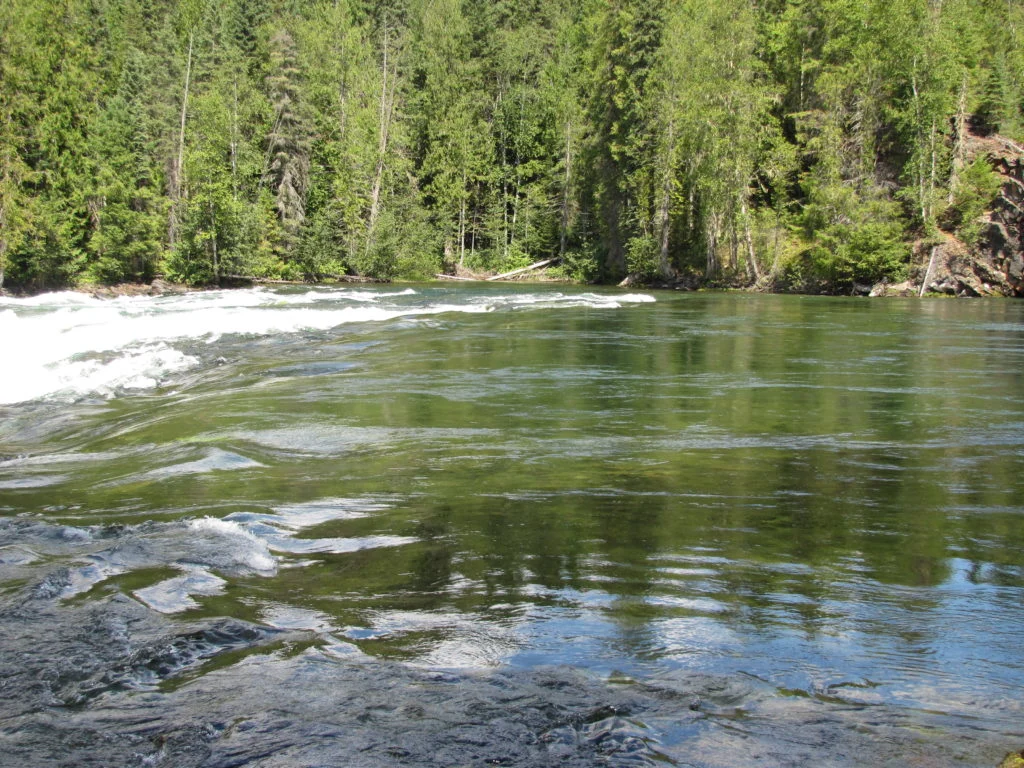
Wells Gray Provincial Park, British Columbia, Canada – Nestled within the rugged expanse of the Caribou Mountains in British Columbia, Canada, lies Wells Gray Provincial Park, a vast protected wilderness renowned for its breathtaking natural beauty and rich biodiversity. This expansive park, a sanctuary of mountains, pristine lakes, and ancient forests, teems with a diverse array of wildlife, including formidable bears, majestic moose, a vibrant avian population, and abundant fish species. However, it is also a domain where over 30 species of mosquitoes make their presence known, a testament to the park’s untamed and dynamic ecosystem.
But beyond its ecological significance, Wells Gray is most famously a land sculpted by the relentless power of water, a realm where waterfalls reign supreme. The park’s unique geological history has fostered the creation of approximately 39 named major waterfalls, complemented by countless smaller cascades that tumble down its dramatic escarpments. Among these natural wonders, Helmcken Falls stands as a titan, claiming the distinction of being the fourth-largest waterfall in Canada. Its sheer vertical drop is an astonishing spectacle, measuring roughly three times the height of the iconic Niagara Falls, a testament to the immense geological forces that shaped this region over millennia.
The Geological Canvas of Wells Gray
The formation of Wells Gray Provincial Park and its abundance of waterfalls is intrinsically linked to its volcanic past and subsequent glacial sculpting. The area is characterized by extensive lava flows from the Tertiary period, which created a relatively flat plateau. Over millions of years, subsequent erosion by rivers carved deep canyons into this plateau. The most significant erosional force, however, came with the Pleistocene glaciations. As massive ice sheets advanced and retreated, they dramatically reshaped the landscape, carving out valleys, depositing moraines, and exposing the underlying rock formations. The Murtle River, which feeds Helmcken Falls, flows over a basaltic lava cap. Where this cap has been eroded away, the river plunges over the exposed cliffs, creating the spectacular falls that define the park. Helmcken Falls itself plunges over a cliff of Tertiary basalt, a remnant of ancient volcanic activity. The sheer volume of water and the height of the drop contribute to its immense power and visual impact.
Helmcken Falls: A Symbol of Nature’s Grandeur
Helmcken Falls, with its colossal 141-meter (463-foot) drop, is a truly awe-inspiring sight. The water of the Murtle River, after a period of apparent tranquility as it meanders through the upper reaches of the park, suddenly accelerates towards the precipice. The roar of the water as it plunges into the abyss below is a visceral experience, a potent reminder of nature’s raw power. The mist generated by the impact creates a perpetual rainbow on sunny days, adding to the ethereal beauty of the scene. The park’s infrastructure allows visitors to access viewpoints that offer stunning perspectives of the falls, with well-maintained trails leading to panoramic overlooks. The sheer scale of Helmcken Falls has made it a focal point for tourism in the region, drawing visitors from across Canada and around the globe who come to witness its majestic descent.
The Profound Lessons of Flowing Water
Beyond its visual splendor, the experience of encountering a waterfall like Helmcken offers profound insights into the nature of existence and change. Observing the wild cascade of a river, breathing in the cool mist, and feeling the resonant roar of the water, one can perceive a waterfall not merely as a geological phenomenon but as a living entity. The very word "waterfall" speaks volumes about interconnectedness and temporal presence. It signifies the culmination of a river’s journey, the point where a particular waterway meets a specific geological feature. It is the immensely powerful and beautiful form that water assumes for a fleeting moment as it navigates its course downstream.
This ephemeral nature of a waterfall serves as a potent metaphor for the transient reality of all things. If we expand our temporal perspective, it becomes clear that everything, including ourselves, is a temporary manifestation, much like a waterfall. A waterfall is a momentary shape adopted by water, a dynamic expression of its continuous flow. Similarly, a tree, in its magnificent growth, is the temporary form that sunlight, water, and specific chemical elements take over centuries. Animals, including humans, are even more transient shapes, embodying the forms that food, water, and air assume for less than a century. In this light, a waterfall becomes a profound narrative of life, written in an instant, encapsulating the essence of impermanence and constant transformation.
The Deceptive Calm Before the Storm
A striking characteristic often observed at waterfalls is the deceptive tranquility of the water immediately preceding the cascade. The surface can appear smooth, placid, and calm, offering little indication of the turbulent chaos and immense power that lie just ahead. From the serene expanse of a lake or a slow-moving stretch of river, the current gradually accelerates, often imperceptibly, until it reaches the precipice. Then, in a breathtaking paroxysm of energy, chaos, violence, and unparalleled beauty, the water plunges over the edge. This phenomenon serves as a powerful analogy for transitions and challenges encountered in human life and societal development.
Parallels in Human Affairs and Societal Dynamics
The observation of the calm water above the falls and the subsequent plunge into turbulent waters can be powerfully applied to the progression of human affairs. As individuals age, life may proceed smoothly for extended periods. However, without warning, illness or the natural process of aging can initiate a period of increasing systemic decline, mirroring the accelerating current above the falls.
On a societal level, the analogy is equally potent. The pace of technological innovation and social change often appears to accelerate gradually and smoothly, akin to the river approaching the precipice. However, there comes a point, a threshold, where this gradual acceleration can culminate in widespread disruption and chaos. Those who are further downstream in the river of progress might already be caught in the maelstrom, experiencing the full force of the upheaval. Meanwhile, individuals or societies positioned further upstream may still perceive their circumstances as stable and secure, unaware of the impending transformation.
The implication is clear: cultivating an alert and discerning mind is crucial. By "listening with an alert mind," one might discern the subtle signs, the distant roar of approaching change, before it becomes an overwhelming force. This allows for proactive adaptation and the potential to navigate towards safer shores, much like a swimmer recognizing the danger of the falls and swimming to the safety of the riverbank. This metaphorical interpretation underscores the importance of foresight, adaptability, and an understanding of the dynamic nature of both natural and human systems.
Conservation Efforts and Park Management
Wells Gray Provincial Park, established in 1939, encompasses over 5,250 square kilometers of protected wilderness. Its designation as a provincial park reflects a commitment to preserving its ecological integrity and providing opportunities for public enjoyment. The management of the park involves balancing the needs of conservation with those of tourism. This includes maintaining trails, ensuring visitor safety, and protecting the delicate ecosystems from overuse and environmental degradation. The presence of significant waterfalls like Helmcken Falls necessitates careful planning for infrastructure, such as viewing platforms and access roads, to minimize their impact on the natural environment. Park authorities continuously monitor the health of the park’s ecosystems and implement strategies to mitigate threats such as climate change and invasive species. The long-term viability of such natural wonders depends on ongoing commitment to these conservation principles.
Tourism and Economic Impact
The majestic waterfalls of Wells Gray Provincial Park, with Helmcken Falls as a crown jewel, are significant drivers of tourism in the region. The park attracts thousands of visitors annually, contributing substantially to the local economy through accommodation, dining, retail, and outdoor recreation services. The accessibility of these natural attractions, coupled with the growing interest in ecotourism and nature-based experiences, ensures that Wells Gray remains a vital destination. For many visitors, the park offers an opportunity to disconnect from the demands of urban life and reconnect with the natural world, finding solace and inspiration in its grandeur. This economic reliance on natural beauty also highlights the critical importance of sustainable tourism practices to ensure the long-term preservation of the park’s resources.
Broader Implications and Future Outlook
The contemplation of Helmcken Falls and its surroundings transcends mere appreciation of natural beauty. It offers a profound philosophical lens through which to view the universal principles of change, impermanence, and interconnectedness. The lessons derived from the dynamic forces at play within the park – the relentless erosion, the cyclical nature of seasons, the transient forms of life – serve as a constant reminder of our place within a larger, ever-evolving system.
As societies grapple with unprecedented challenges, from climate change to rapid technological advancements, the wisdom found in nature’s rhythms becomes increasingly valuable. The ability to recognize accelerating currents, to adapt to unforeseen turbulence, and to find moments of calm and reflection amidst change are essential skills for navigating the complexities of the 21st century. Wells Gray Provincial Park, with Helmcken Falls as its magnificent centerpiece, stands as a powerful testament to the enduring beauty and profound wisdom of the natural world, offering a sanctuary for both physical exploration and intellectual contemplation. The ongoing preservation of such landscapes is not merely an act of conservation; it is an investment in our collective understanding and our capacity to thrive amidst the inevitable cascades of life.

