

Written By Michael Greger M.D. FACLM • October 1, 2026
Last updated: September 30, 2026 • 2 min read
The humble fenugreek seed, a staple in kitchens and traditional medicine for centuries, is emerging from the shadows of culinary use to reveal a remarkable spectrum of hormonal benefits that extend far beyond initial research suggesting a testosterone-boosting effect. Emerging scientific evidence, supported by a growing body of randomized controlled trials, indicates fenugreek’s significant potential in addressing a range of physiological concerns, from enhancing sexual function in both men and women to alleviating menopausal symptoms and supporting lactation.
Early Research and the Testosterone Connection
Initial investigations into fenugreek’s physiological effects largely focused on its impact on male hormones. A notable study, detailed in research published on PubMed, randomized young men to receive either fenugreek capsules or a placebo over an eight-week period. The findings revealed significant improvements in upper body strength, lower body strength, and body composition, accompanied by a notable reduction in body fat percentage. A peculiar, yet harmless, side effect reported was a distinct maple syrup aroma in the participants’ sweat and urine, a phenomenon attributed to the presence of certain compounds within fenugreek.
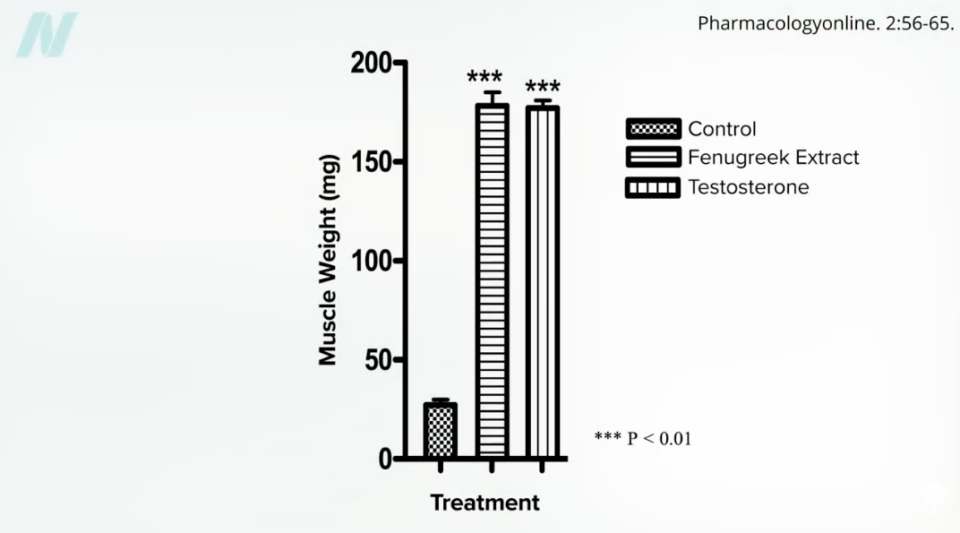
Further preclinical studies, particularly those involving immature, castrated rats, provided a foundation for understanding this testosterone-related effect. Research published in Pharmacologyonline suggested that fenugreek’s muscle-building capabilities were indeed linked to its androgenic and anabolic activity, mediated through its influence on testosterone levels. These findings laid the groundwork for human trials to explore these effects more comprehensively.
Human Trials Validate Testosterone Enhancement and Sexual Function
The transition from animal models to human application marked a critical juncture in understanding fenugreek’s efficacy. Four distinct randomized controlled trials were conducted to rigorously assess fenugreek’s impact on human testosterone levels. These trials consistently demonstrated a significant increase in total blood testosterone in participants consuming fenugreek.
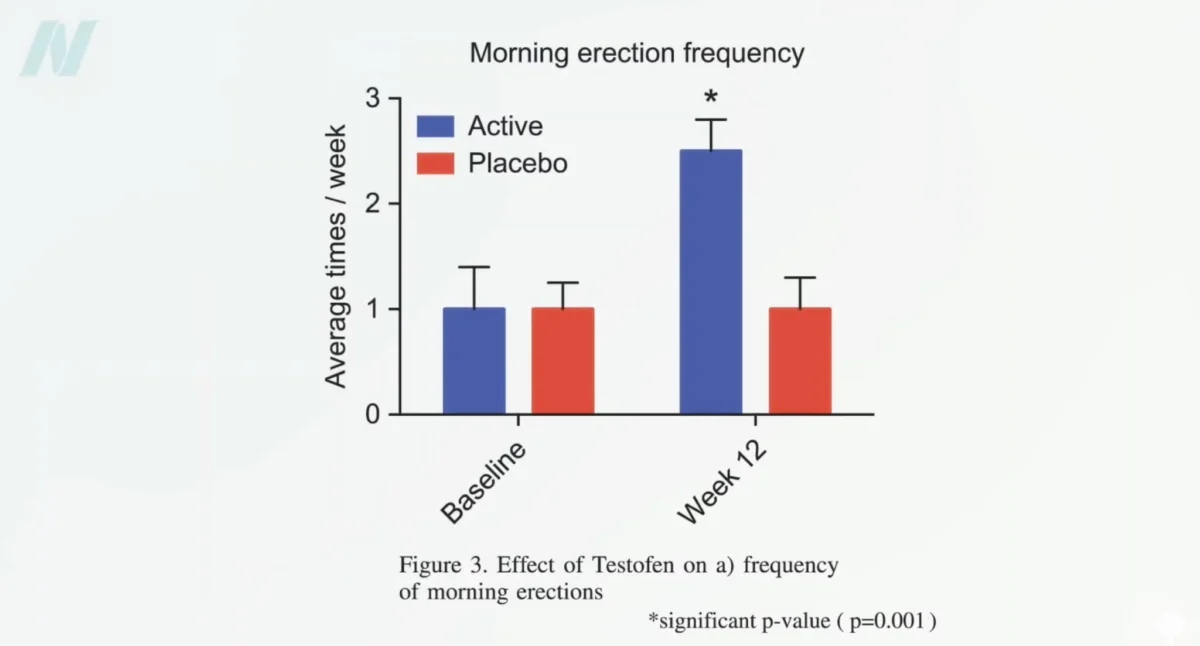
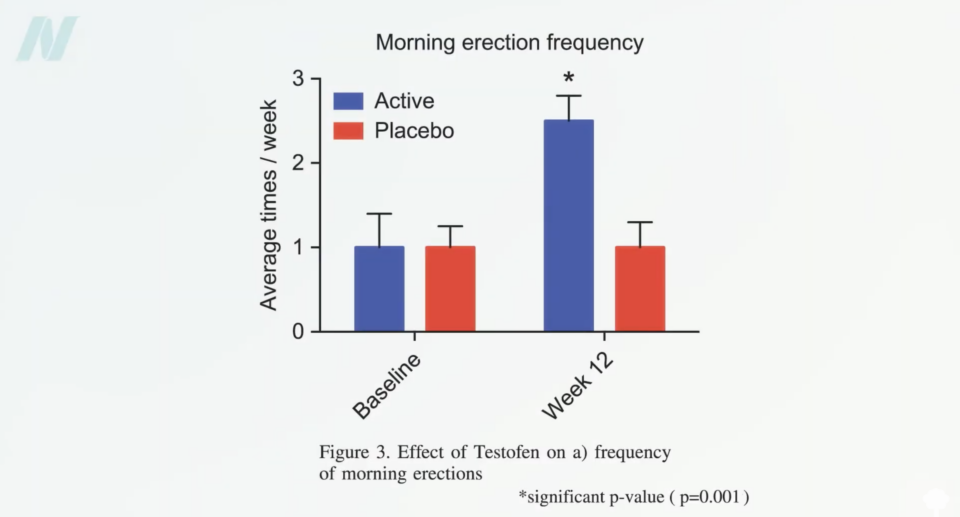
This hormonal uplift translated into tangible improvements in male sexual function. Studies indicated a doubling in the frequency of morning erections, a common physiological marker of healthy testosterone levels and sexual vitality. These findings, visualized in research data, underscore fenugreek’s potential as a natural agent to address age-related declines in sexual performance and libido.
Broadening Horizons: Fenugreek’s Impact on Female Hormonal Health
The narrative of fenugreek’s hormonal influence is not confined to men. Emerging research is illuminating its significant benefits for women’s sexual health and overall hormonal balance. While estrogen, specifically estradiol, plays a crucial role in female sexual response, including lubrication and arousal, testosterone is recognized as a key driver of sexual desire in both sexes. Traditional pharmaceutical approaches to enhancing female libido, such as testosterone patches, have been met with concerns regarding side effects like blood clots and long-term safety.
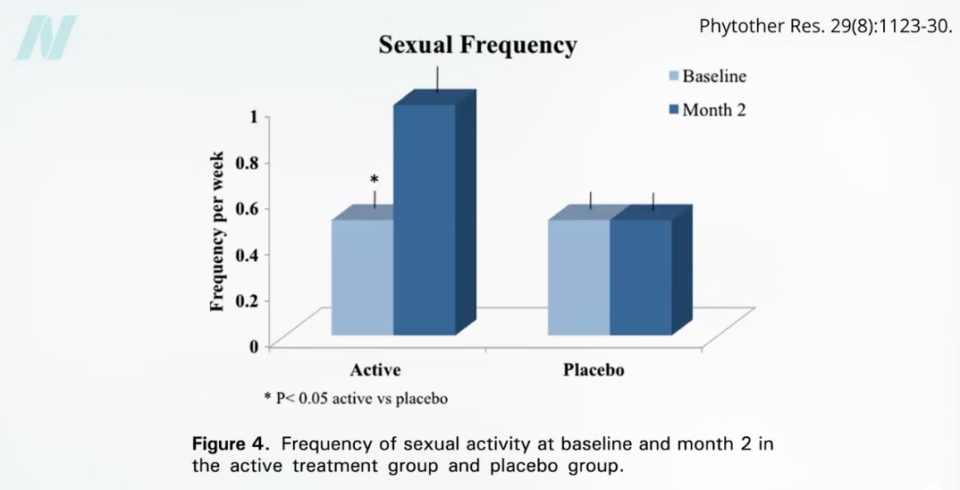
Fenugreek offers a potentially safer, natural alternative. Studies have documented a significant increase in both testosterone and estradiol levels in women consuming fenugreek. This dual hormonal modulation has been linked to a notable boost in sexual desire and function, with research indicating approximately a doubling of sexual activity compared to placebo groups. This effect, presented visually in comparative data, highlights fenugreek’s promising role in supporting women’s sexual well-being.
Addressing Menopausal Symptoms and Dysmenorrhea
The observed influence of fenugreek on estrogen levels also paved the way for investigating its efficacy in managing menopausal symptoms. Menopause, characterized by a decline in estrogen, often brings about a cascade of uncomfortable symptoms. A rigorous double-blind, randomized, placebo-controlled study explored fenugreek’s potential in this area. The results were striking: participants experienced a significant reduction in menopausal symptoms across all measured domains. Notably, the frequency of hot flashes and night sweats was halved over a three-month period, providing substantial relief for women navigating this life transition.
Furthermore, fenugreek has demonstrated efficacy in alleviating the discomfort associated with painful menstrual periods, or dysmenorrhea. Intriguingly, a study in this area utilized plain fenugreek powder, readily available for purchase, rather than a proprietary extract. Participants consumed a modest dose—approximately one-third of a teaspoon three times daily during the initial three days of their menstrual cycle. This simple intervention, costing a mere fraction of a cent per dose, resulted in a significant decrease in menstrual pain. Additional benefits observed included improvements in associated symptoms such as headaches, fatigue, and nausea, indicating a broader impact on premenstrual discomfort.
Supporting Lactation: A Galactagogue’s Promise
Beyond its direct hormonal effects, fenugreek is recognized for its potent galactagogue properties—substances that enhance breast milk production. This traditional use has now been substantiated by scientific inquiry. A randomized, double-blind, placebo-controlled trial involving breastfeeding mothers investigated the impact of a fenugreek-containing supplement. The regimen included less than a quarter teaspoon of fenugreek, alongside small amounts of ground ginger and turmeric, taken daily. The results were remarkable: participants experienced a doubling of their milk production within a month. Specifically, milk supply increased by approximately 50% by the second week and reached a 100% increase by the fourth week of the study. This finding offers significant hope and a natural solution for mothers experiencing challenges with milk production.
Safety Considerations and Future Directions
While the scientific evidence supporting fenugreek’s benefits is compelling, it is crucial to acknowledge safety considerations. Due to its potential to stimulate the uterus, fenugreek seeds are generally advised against for use during pregnancy. Although this recommendation is primarily based on laboratory animal data, a precautionary approach is warranted to ensure maternal and fetal safety.
The ongoing research into fenugreek highlights the intricate and far-reaching influence of this ancient seed on human physiology. As scientific understanding deepens, fenugreek is solidifying its position not merely as a culinary spice, but as a powerful natural agent with the potential to significantly improve quality of life across diverse health concerns. Further research may uncover even more applications and refine optimal dosages and delivery methods for various conditions.
Doctor’s Note:
Additional insights into fenugreek can be found in related videos: "Benefits of Fenugreek Seeds" and "Side Effect of Fenugreek Consumption."

