

Benign prostatic hypertrophy (BPH), commonly known as an enlarged prostate, affects a significant portion of the male population, leading to distressing lower urinary tract symptoms (LUTS). Recent research is shedding light on the potential of readily available dietary components, specifically cranberries and pumpkin seeds, to offer a natural and effective approach to managing this condition, presenting an alternative to conventional treatments that often come with unwelcome side effects.
The Pervasive Challenge of Benign Prostatic Hypertrophy
BPH is a progressive condition that impacts men’s quality of life significantly. Statistics indicate that over half of men in their 50s and at least 70% of men over the age of 60 experience its effects. The hallmark symptoms include nocturia (frequent nighttime urination), a persistent urge to urinate, difficulty initiating urination, and a weak urine stream. These symptoms can disrupt sleep, lead to social isolation, and cause considerable discomfort and anxiety.
Current medical interventions for BPH include pharmaceutical therapies and surgical procedures. While alpha-blockers and 5-alpha-reductase inhibitors can be effective, they are not without drawbacks. Side effects can range from dizziness and fatigue to sexual dysfunction, including erectile dysfunction and decreased libido. Furthermore, some studies have suggested a potential, albeit complex, association between certain BPH medications and an increased risk of high-grade prostate cancer and depression, contributing to low patient compliance rates. When medical treatments prove insufficient or are poorly tolerated, surgical options like transurethral resection of the prostate (TURP) are considered. However, TURP, while often effective, carries its own set of risks and a recovery period. The search for safer, more tolerable, and equally effective management strategies is therefore ongoing and critically important.
Dietary Factors and Prostate Health: A Shifting Paradigm
The understanding of diet’s role in prostate health has evolved considerably. Early population studies suggested a link between lower animal protein intake and a higher consumption of fruits and vegetables, and a reduced risk of BPH. However, the nuances of dietary protein are crucial. Research has indicated that eggs and poultry may be more strongly associated with adverse prostate health outcomes than red meat or dairy. Refined grains have also been implicated. This highlights a move away from broad dietary recommendations to more specific food group analyses.
For decades, a particular herb, saw palmetto, has been a subject of intense scrutiny for its potential in treating BPH. A substantial body of evidence, comprising over 30 randomized controlled trials, has been amassed. However, the overwhelming conclusion from this extensive research is that saw palmetto, despite its historical use and widespread popularity, has proven to be largely ineffective in providing significant relief from BPH symptoms. This finding underscores the need for evidence-based validation of other natural remedies.
Cranberries: A Native American Remedy Put to the Scientific Test
Cranberries possess a rich history of medicinal use, particularly among Native American tribes who traditionally employed them to address urinary ailments. This historical precedent prompted modern scientific inquiry to investigate their efficacy for BPH. A notable study put powdered whole cranberries to the test, moving beyond anecdotal evidence to quantitative analysis.
In this research, participants consumed approximately one teaspoon (around 3 grams) of powdered whole cranberries daily. It is important to distinguish these whole food preparations from sweetened, dried cranberries ("craisins"), which often contain added sugars and oils that could negate potential benefits. The findings were encouraging: participants reported significant improvements in BPH symptoms, a marked enhancement in their quality of life, and measurable positive changes in various urination parameters.
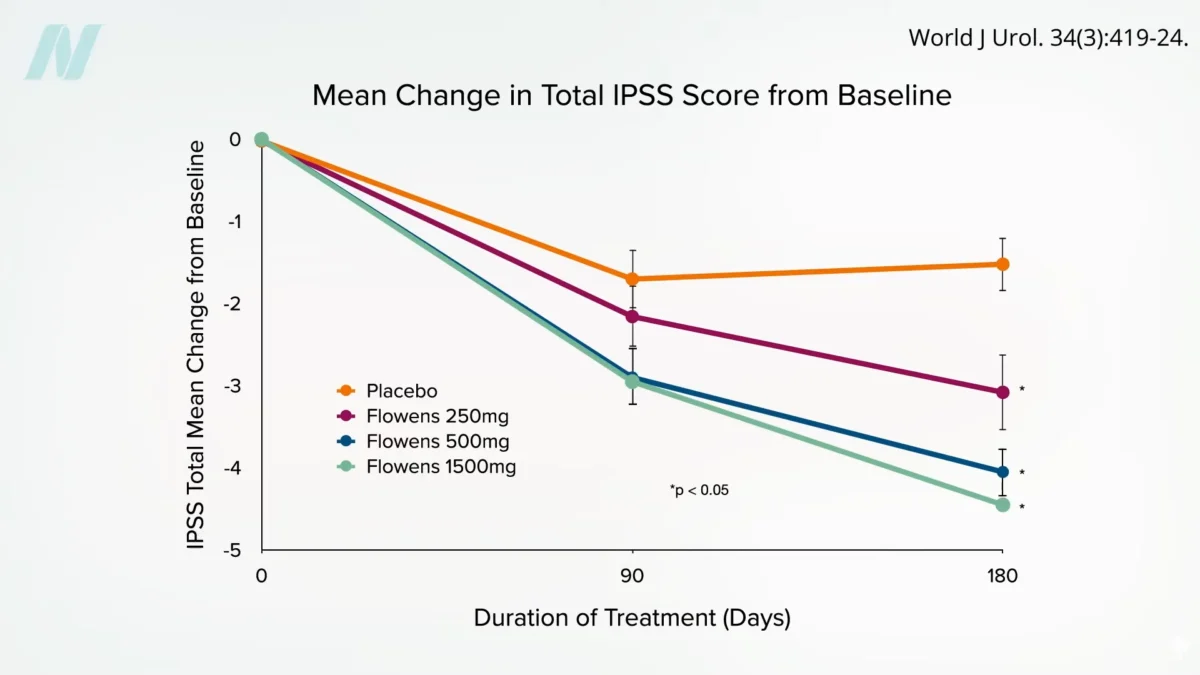
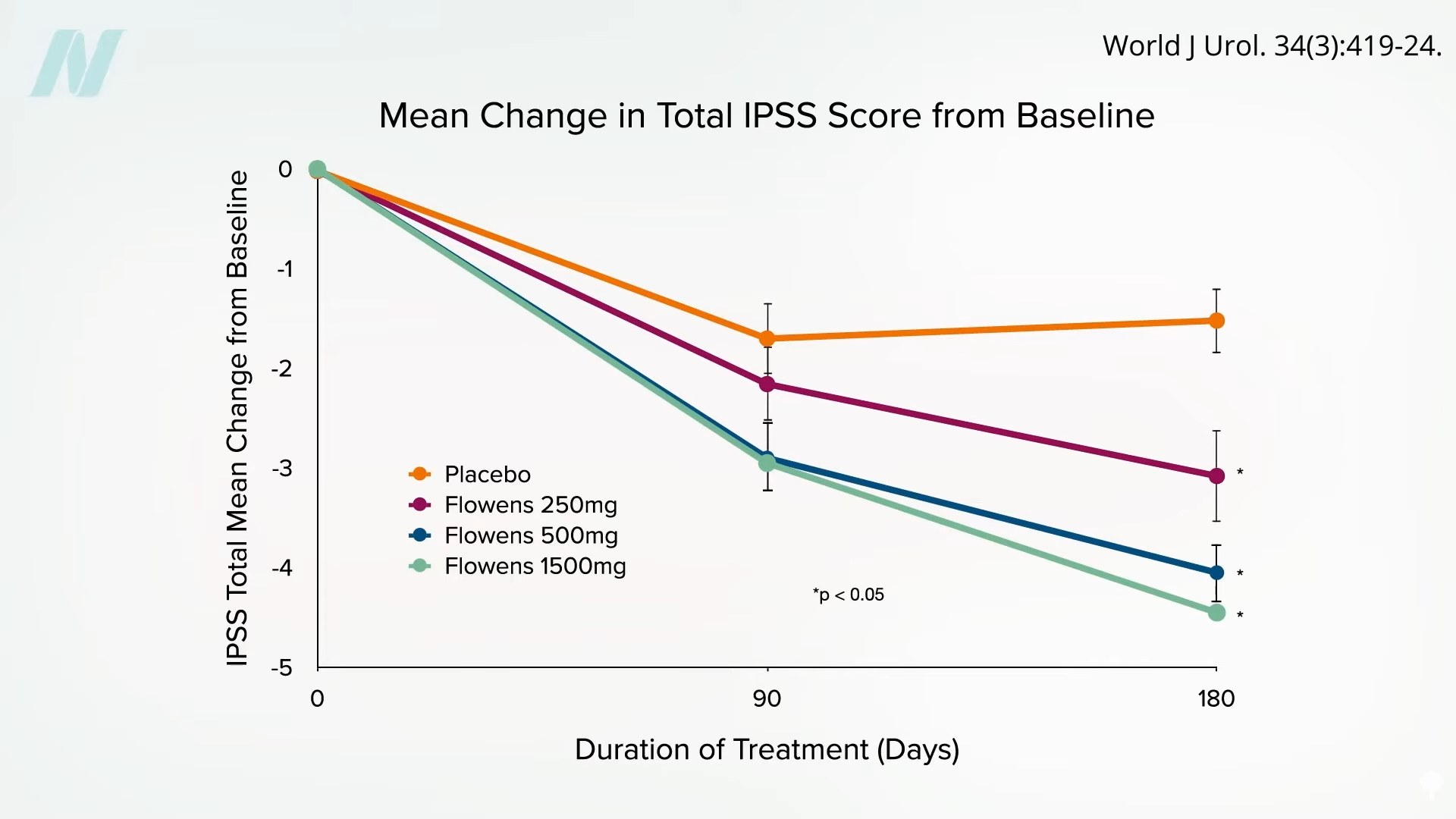
Further investigations explored the dose-response relationship of cranberry powder. Studies demonstrated that even smaller quantities, such as one-third or one-sixth of a teaspoon, also yielded beneficial effects, though the degree of improvement varied. These findings suggest a dose-dependent therapeutic potential. The visual data from these studies, often presented in graphical format, illustrate a clear trend of symptom reduction correlating with cranberry intake. The research utilizing cranberry powder supplements, while sometimes funded by the supplement industry, has provided valuable insights. The active components are believed to be concentrated in the whole cranberry powder, suggesting that purchasing bulk cranberry powder and incorporating it into everyday foods like smoothies offers a more cost-effective and accessible approach for consumers seeking these benefits.
Conversely, other beverages, such as purple grape juice, have been examined for their potential impact on BPH symptoms, but have shown no significant benefit in clinical trials. This highlights the specificity of the active compounds and their delivery mechanisms.
Pumpkin Seeds: A Centuries-Old Remedy Validated by Modern Science
The scientific exploration extends to another traditional remedy: pumpkin seeds. For centuries, pumpkin seeds have been recognized in folk medicine for their ability to address prostate disorders. Preliminary laboratory studies, conducted in petri dishes, have shown that pumpkin seed extracts can significantly inhibit the growth of BPH prostate cells, effectively halving their proliferation rate. This in vitro evidence provided a strong rationale for human clinical trials.
The investigation into pumpkin seeds has progressed from laboratory settings to human studies. Research has explored the effects of pumpkin seed oil, which has demonstrated potential in alleviating prostate issues. In head-to-head comparisons with established pharmaceutical drugs like Prazosin and Terazosin, pumpkin seed oil appeared to offer comparable efficacy in symptom relief. However, these studies often lacked a crucial placebo control group, making it difficult to definitively attribute the observed benefits solely to the pumpkin seed oil.
A more robust study addressed this limitation by involving over a thousand men who were randomized into three groups: one receiving pumpkin seed extract, another a placebo, and the third consuming approximately one tablespoon (about 7.5 grams) of plain, whole pumpkin seeds daily. This study, despite being funded by a company involved in supplement production, yielded significant findings. While the pumpkin seed extract supplement did not outperform the placebo, the consumption of whole pumpkin seeds demonstrated a clear and beneficial impact on BPH symptoms. This critical distinction suggests that the therapeutic effects are not solely attributable to isolated compounds within the oil but are present in the whole seed.
Further research has since explored oil-free pumpkin seed extracts, which also appeared to offer benefits, reinforcing the notion that the entire spectrum of compounds within the pumpkin seed plays a role. The consensus emerging from these studies is that whole pumpkin seeds can be a recommended dietary intervention for individuals experiencing mild to moderate BPH symptoms. This conclusion has garnered international recognition. The European Medicines Agency (EMA), the European equivalent of the U.S. Food and Drug Administration, has similarly affirmed that pumpkin seeds can be utilized to alleviate lower urinary tract symptoms associated with an enlarged prostate, provided that more serious underlying medical conditions have been thoroughly ruled out by a qualified healthcare professional.
Broader Implications and Future Directions
The findings regarding cranberries and pumpkin seeds offer a beacon of hope for millions of men grappling with BPH. They suggest a paradigm shift towards integrating evidence-based dietary strategies into a holistic approach to prostate health management. The implications are far-reaching:
- Improved Patient Compliance: Natural dietary interventions with fewer side effects are likely to be better tolerated and adhered to by patients, leading to more consistent symptom management and improved long-term outcomes.
- Reduced Healthcare Costs: By potentially delaying or reducing the need for more invasive and expensive medical treatments, these dietary strategies could contribute to lower healthcare expenditures.
- Empowerment of Patients: Providing accessible, natural options empowers individuals to take a more active role in managing their health, fostering a sense of control and well-being.
- Further Research Opportunities: The success of these studies opens avenues for further research into other plant-based compounds and their synergistic effects on prostate health. Investigating the precise mechanisms of action for the beneficial compounds in cranberries and pumpkin seeds could lead to even more targeted and effective interventions.
While these findings are highly promising, it is crucial to reiterate that they are intended to complement, not replace, professional medical advice. Men experiencing BPH symptoms should always consult with a healthcare provider to receive a proper diagnosis, rule out other conditions, and discuss the most appropriate treatment plan for their individual needs. However, the growing body of evidence for cranberries and pumpkin seeds offers a compelling case for their inclusion in a prostate-friendly diet, potentially paving the way for a more natural and sustainable approach to managing this common condition.
Doctor’s Notes:
Further exploration into related prostate health topics is available through additional resources. The potential impact of flaxseeds on prostate cancer is detailed in the video "Flaxseeds vs. Prostate Cancer." For those interested in the role of cranberries in cancer prevention, the video "Cranberries vs. Cancer" provides relevant information. Additionally, the efficacy of cranberry juice in treating bladder infections is addressed in the video "Can Cranberry Juice Treat Bladder Infections?"

