

Benign prostatic hypertrophy (BPH), commonly known as an enlarged prostate, affects a significant portion of the male population, presenting a growing challenge to urological health and quality of life. Statistics reveal that over 50% of men in their 50s and at least 70% of men over the age of 60 experience this condition, leading to burdensome lower urinary tract symptoms (LUTS). These symptoms, including frequent nighttime urination, can disrupt sleep and significantly diminish overall well-being. While conventional medical treatments exist, their efficacy is often compromised by undesirable side effects, such as sexual dysfunction, elevated risk of high-grade prostate cancer, and even depression. These adverse effects contribute to poor patient compliance, prompting a search for safer and more tolerable alternatives. When pharmaceutical interventions prove insufficient, surgical options like transurethral resection of the prostate (TURP) become the next course of action, highlighting the urgent need for less invasive and more effective management strategies.
Understanding the Landscape of BPH and Current Treatments
The prevalence of BPH underscores its status as a widespread health concern. As men age, the prostate gland, which surrounds the urethra, naturally tends to enlarge. This enlargement can constrict the urethra, impeding the flow of urine and leading to the characteristic symptoms of LUTS. These symptoms are not merely inconvenient; they can have a profound impact on a man’s physical and psychological health. The potential for sexual dysfunction is a particularly sensitive issue for many, while the association with depression points to the broader impact of chronic health conditions on mental well-being. The limitations of current pharmacological treatments, including alpha-blockers and 5-alpha-reductase inhibitors, often necessitate a careful balancing act between symptom relief and the management of side effects. The high rates of non-adherence to these medications, estimated to be significant, further complicate effective long-term management. Consequently, the medical community and patients alike are actively seeking alternative approaches that offer comparable or superior benefits with a more favorable safety profile.
Dietary Influences on Prostate Health: A Growing Area of Research
Emerging research suggests a strong link between dietary patterns and prostate health. Population studies have indicated a potential protective effect associated with a lower intake of animal protein and a higher consumption of fruits and vegetables. However, the nuances of these associations are complex. While some studies point to eggs and poultry as potentially detrimental in the context of prostate health, along with refined grains, red meat and dairy have not shown a consistent negative association. This suggests that a generalized reduction in animal protein may not be the sole answer, and specific food groups might play a more significant role.
Beyond broad dietary patterns, scientific inquiry has increasingly focused on specific foods and their therapeutic potential for BPH. Historically, various natural remedies have been employed in folk medicine, but rigorous scientific validation is crucial to establish their efficacy and safety. One such example is saw palmetto, an herb that has been the subject of numerous randomized controlled trials, with findings largely indicating its ineffectiveness in treating BPH. This highlights the critical need for evidence-based approaches when considering natural interventions.
Cranberries: A Centuries-Old Remedy Put to the Test
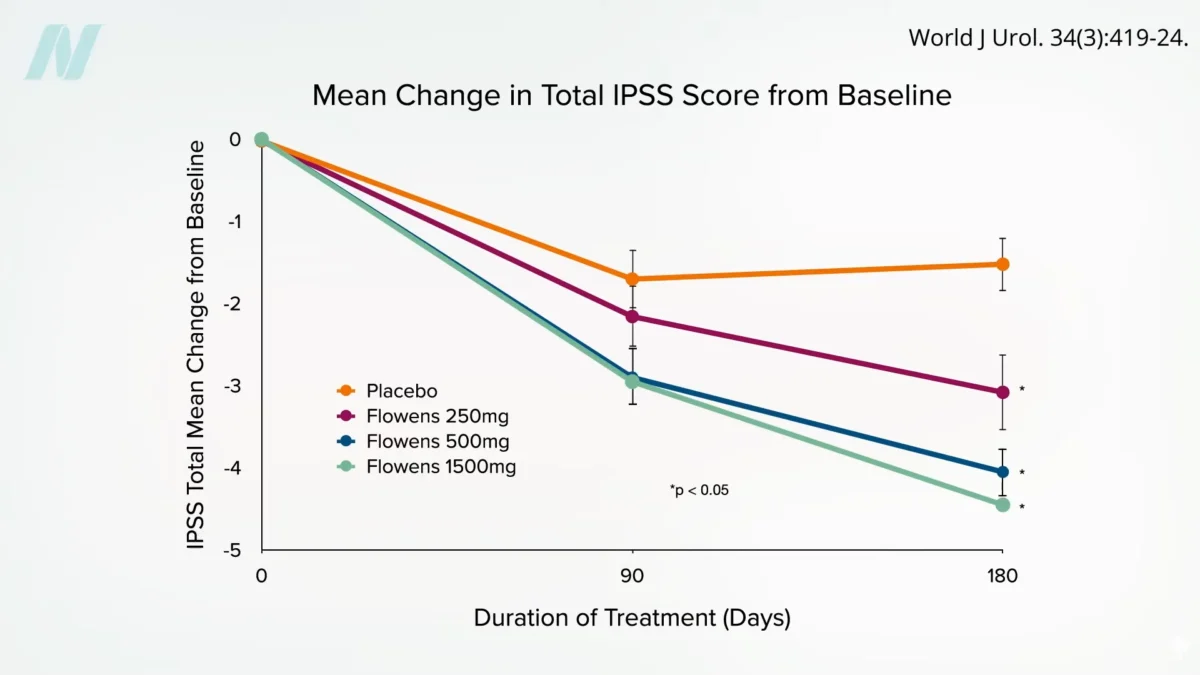
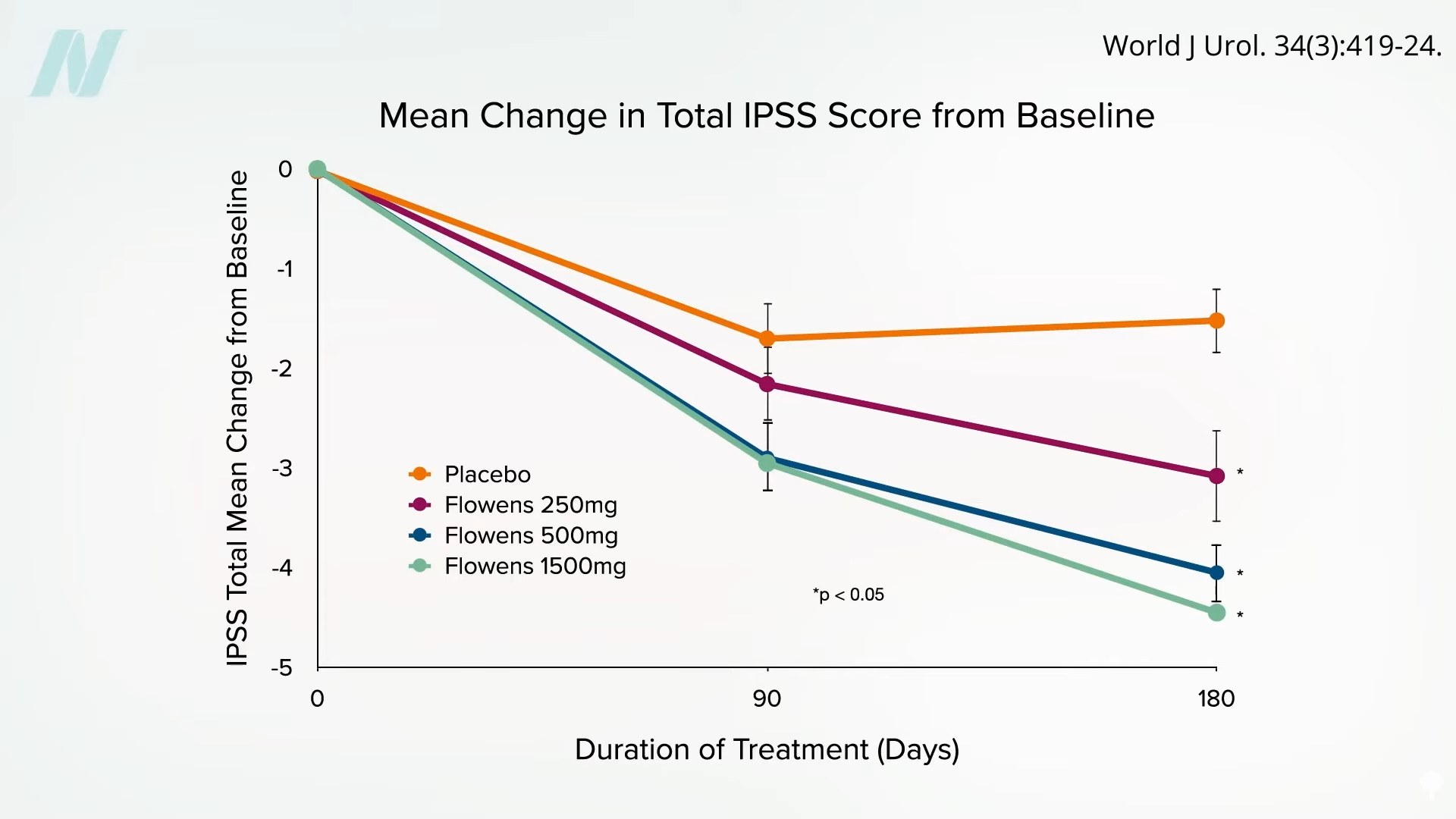
Cranberries boast a long history of use by Native American cultures for treating urinary ailments, hinting at their potential benefits. Modern scientific investigation has sought to validate these traditional uses through rigorous clinical trials. A notable study investigated the impact of powdered whole cranberries, distinct from dried, sweetened "craisins," on men experiencing BPH symptoms. Participants consuming approximately one teaspoon (around 3 grams) of powdered whole cranberries daily reported significant improvements in BPH symptoms, enhanced quality of life, and notable positive changes in various urination parameters.

The findings from this research, which involved a randomized, placebo-controlled design, were particularly encouraging. Further analysis of the study data revealed that even smaller doses, such as one-third or one-sixth of a teaspoon of powdered cranberries, also demonstrated positive effects, albeit to a lesser degree than the higher dose. These results were visually represented in graphical data, illustrating a dose-dependent response. The study, funded by a supplement company, utilized a cranberry powder supplement. Researchers noted that the supplement consisted of pure cranberry powder, suggesting that consumers could potentially achieve similar benefits by purchasing bulk cranberry powder and incorporating it into their diets, such as adding it to smoothies, at a potentially lower cost. It is important to distinguish these findings from the consumption of cranberry juice, as a separate study indicated that drinking purple grape juice, often consumed for its perceived health benefits, yielded no discernible improvement in BPH symptoms.
Pumpkin Seeds: A Promising Nutritional Powerhouse for Prostate Health
The investigation into natural remedies for BPH extends to seeds, with pumpkin seeds (Cucurbita pepo L.) emerging as another area of significant interest. For centuries, pumpkin seeds have been recognized in folk medicine as a remedy for prostate disorders. Preliminary laboratory studies have shown promising results, with pumpkin seed extracts demonstrating the ability to halve the growth of BPH prostate cells in petri dish experiments.
This in vitro evidence prompted further investigation into the effects of pumpkin seeds and their derivatives in human trials. Pumpkin seed oil, in particular, has shown potential in addressing prostate issues. One study compared the efficacy of pumpkin seed oil to Prazosin, a commonly prescribed alpha-blocker for BPH. The results suggested that pumpkin seed oil was comparable in effectiveness to Prazosin in improving symptoms. Similarly, another comparative study indicated that pumpkin seed oil performed comparably to Terazosin, another established BPH medication.
However, a critical limitation of these comparative studies was the absence of a placebo group. This meant that it was difficult to definitively ascertain whether the observed benefits were solely attributable to the pumpkin seed oil or if a placebo effect played a significant role. To address this, a more comprehensive study was conducted, involving over a thousand men. This randomized trial allocated participants to one of three groups: those receiving pumpkin seed extract, those receiving a placebo, or those consuming approximately one tablespoon (about 7.5 grams) of plain pumpkin seeds daily.
The results of this pivotal study offered a clearer picture. The pumpkin seed extract, funded by a supplement company, did not demonstrate any statistically significant improvement over the placebo. This suggested that the beneficial compounds might not be solely concentrated in an extracted oil form. Crucially, however, the group that consumed whole pumpkin seeds experienced notable symptom relief. This finding was particularly significant, indicating that the benefits were not confined to a specific extracted compound but were present in the whole food itself. The researchers concluded that plain pumpkin seeds could be recommended for patients experiencing mild to moderate BPH symptoms.
This conclusion was further corroborated by an assessment from the European Medicines Agency (EMA), the European equivalent of the U.S. Food and Drug Administration. The EMA’s final assessment report on Cucurbita pepo L. semen (pumpkin seeds) affirmed that pumpkin seeds can be utilized to alleviate lower urinary tract symptoms associated with an enlarged prostate, provided that more serious underlying medical conditions have been ruled out by a qualified healthcare professional. This official endorsement lends considerable weight to the use of whole pumpkin seeds as a natural and accessible intervention for BPH management.
Broader Implications and Future Directions
The growing body of evidence supporting the role of cranberries and pumpkin seeds in managing BPH symptoms holds significant implications for both healthcare providers and patients. It suggests a paradigm shift towards integrating dietary interventions into comprehensive BPH management plans. For individuals seeking alternatives to conventional medications due to side effects or a preference for natural approaches, these findings offer tangible, evidence-based options.
The cost-effectiveness of incorporating whole foods like cranberries and pumpkin seeds into one’s diet, compared to the ongoing expense of prescription medications, further enhances their appeal. The accessibility of these foods makes them a practical choice for a wide range of individuals.
However, it is crucial to emphasize that these natural interventions are best considered as complementary strategies, particularly for individuals with mild to moderate symptoms. For those with severe BPH, or when other medical conditions are present, consultation with a urologist or other healthcare professional remains paramount. The recommendation for pumpkin seeds, for instance, is contingent upon a medical doctor ruling out more serious conditions.
Future research could delve deeper into the specific bioactive compounds within cranberries and pumpkin seeds responsible for their therapeutic effects. Understanding these mechanisms at a molecular level could lead to more targeted interventions or the development of highly potent natural supplements. Additionally, larger-scale, long-term studies comparing these natural interventions directly against established pharmaceutical treatments, with robust placebo controls, would further solidify their position in the urological care landscape. The exploration of synergistic effects between cranberries, pumpkin seeds, and other beneficial dietary components could also unlock new avenues for prostate health management.
The journey from traditional remedy to scientifically validated intervention is a complex but rewarding one. The research surrounding cranberries and pumpkin seeds for BPH exemplifies this process, offering a beacon of hope for millions of men seeking effective and well-tolerated solutions for an increasingly common health concern.
Doctor’s Notes and Related Research
For those interested in further exploring the role of flaxseeds in prostate health, a related video titled "Flaxseeds vs. Prostate Cancer" is available. Additionally, the potential impact of cranberries on prostate cancer is discussed in the video "Cranberries vs. Cancer." The efficacy of cranberry juice in treating bladder infections is also a topic addressed in a separate video, "Can Cranberry Juice Treat Bladder Infections?" These resources offer a broader perspective on the multifaceted health benefits of these natural foods.

