

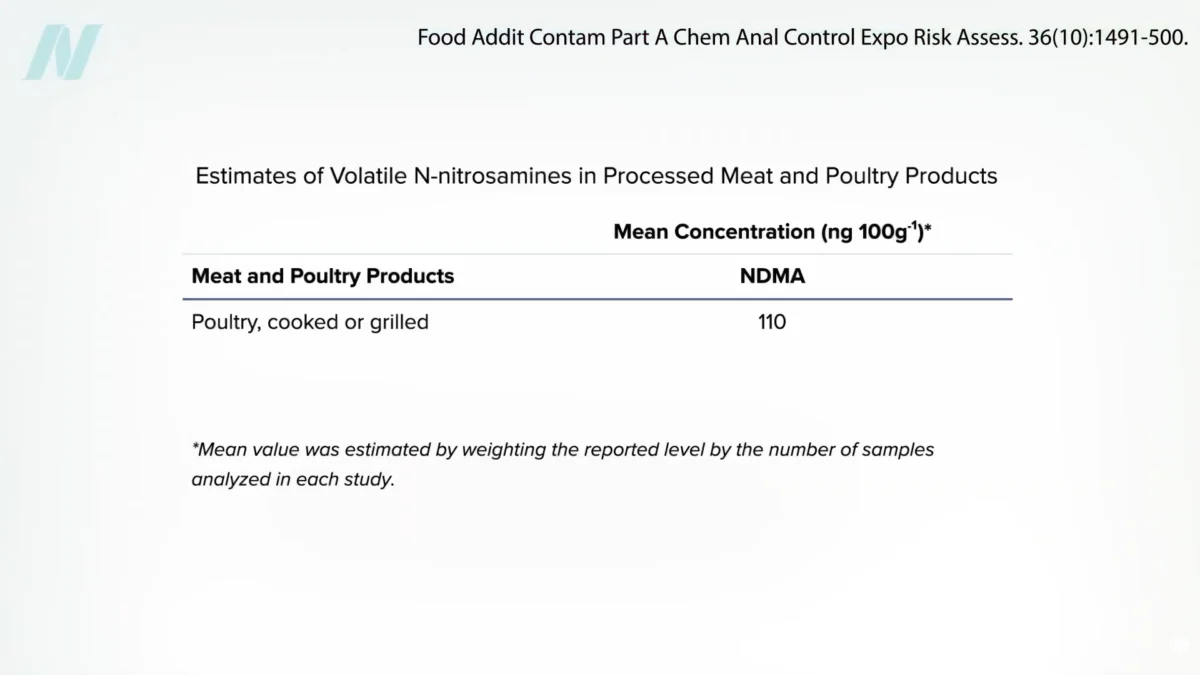
In a striking juxtaposition of public health concerns, medications that have generated billions in revenue have been withdrawn from the market due to contamination with N-nitrosodimethylamine (NDMA), a substance classified as "probably carcinogenic," at levels significantly lower than what is found in a single serving of grilled chicken. This discrepancy raises critical questions about regulatory standards, the sources of chemical contaminants, and the potential risks consumers face from both pharmaceutical products and common food items.
The Valsartan Crisis: A Wake-Up Call
The issue gained significant public attention in 2018 when valsartan, a widely prescribed blood pressure medication marketed under brand names such as Diovan, was found to be contaminated with NDMA. This discovery triggered a global recall of the drug, affecting an estimated 20 million people worldwide. NDMA is a potent nitrosamine, a class of compounds known for their carcinogenic properties. Studies have indicated that the cancer risk associated with NDMA exposure can exceed that of well-established carcinogens like asbestos, polychlorinated biphenyls (PCBs), and benzo[a]pyrene.
The U.S. Food and Drug Administration (FDA) estimated that prolonged use of the contaminated valsartan could lead to cancer in approximately 1 in 8,000 individuals. The European equivalent of the FDA projected an even higher risk, suggesting it could affect as many as 1 in 5,000 people. Researchers noted in a 2019 paper that such contamination in pharmaceuticals was unlikely to be an isolated incident, a prediction that soon proved accurate.
Expanding Contamination: Zantac and Metformin
Just a few months after the valsartan recall, the FDA announced the detection of NDMA in ranitidine, the active ingredient in the popular acid reflux medication Zantac. Zantac, a blockbuster drug that generated billions in sales and was available both by prescription and over-the-counter, became the subject of intense scrutiny. The FDA’s investigation revealed that NDMA levels in some ranitidine samples could, under certain conditions, surpass the acceptable daily intake (ADI) limit of 96 nanograms.
The situation escalated in 2020 with the discovery of NDMA contamination in certain formulations of metformin, a cornerstone medication for managing type 2 diabetes, commonly sold as Glucophage. The presence of NDMA in these widely used drugs prompted the FDA to request the immediate withdrawal of all ranitidine products from the market. The agency’s findings indicated that NDMA levels in Zantac could be comparable to exposure levels experienced from consuming grilled or smoked meats.
The Unseen Contaminant: NDMA Beyond Pharmaceuticals
The revelation that NDMA, a substance linked to significant health risks, was present in everyday medications was alarming. However, the concern deepened as it became evident that NDMA is not confined to the pharmaceutical industry. NDMA is a known byproduct of various industrial processes, including tire manufacturing, pesticide production, and leather tanning. It is also frequently found in food and beverages, notably in processed meats and beer.
A Stark Comparison: Medications vs. Cooked Meats
The most striking aspect of this unfolding health narrative is the disparity in regulatory action when comparing pharmaceutical contaminants to those found in food. While the FDA and its international counterparts acted decisively to remove billion-dollar drugs like Zantac from the market due to NDMA contamination, the presence of NDMA in cooked meats has been met with a less stringent response.
Research has indicated that NDMA can transfer across the placenta, potentially linking maternal consumption of cured meats during pregnancy to an increased risk of childhood brain tumors. Studies have suggested that consuming hot dogs during pregnancy may elevate the risk of childhood brain tumors by 33%, sausages by 44%, and bacon by 60% to 70%. The contaminant has also been found in poultry products. Alarmingly, a single serving of chicken has been found to contain more than 100 nanograms of NDMA, exceeding the FDA’s acceptable daily intake limit of 96 nanograms.

The Cooking Connection: How NDMA Forms
The formation of NDMA in poultry is not inherent in the raw product but arises from the cooking process. Specifically, dry-heat cooking methods such as broiling or grilling can generate NDMA. This process can even release airborne NDMA into the environment, posing a potential risk to individuals in the vicinity, even if they are not directly consuming the cooked meat. This suggests that simply being in an environment where meat is being grilled, such as a restaurant, could lead to significant exposure.
Regulatory Double Standards and Public Health Implications
The discovery of NDMA in both pharmaceuticals and common food items highlights a complex regulatory landscape and raises critical questions about public health priorities. While the tobacco industry faced pressure to remove NDMA from cigarette smoke, citing the principle that a removable carcinogen should not remain in a consumer product, a similar urgency has not been applied to the presence of NDMA in cooked meats.
The contrast is stark: Zantac, a drug that brought in billions of dollars, was withdrawn due to the presence of a probable carcinogen exceeding acceptable daily limits. Yet, a single serving of chicken can contain more of the same contaminant, and the response has been significantly less decisive. This raises a fundamental question: why are poultry products not subjected to the same rigorous scrutiny and potential market withdrawal as contaminated pharmaceuticals?
The implications of this disparity are far-reaching. Consumers are exposed to NDMA from multiple sources, and the differing regulatory approaches create confusion and potentially underestimate the cumulative risk. The scientific community continues to investigate the long-term health effects of chronic low-level exposure to NDMA from various sources, including food.
Official Responses and Ongoing Research
The FDA has acknowledged the presence of nitrosamine impurities in medications and has taken action to address these concerns. The agency has established guidelines and testing protocols for pharmaceuticals to ensure that NDMA levels remain within acceptable limits. In response to the Zantac recall, the FDA stated its commitment to protecting public health by ensuring that the medications Americans take are safe and effective.
Regarding food safety, the FDA and the U.S. Department of Agriculture (USDA) are responsible for overseeing food quality and safety. While research into the formation and presence of NDMA in cooked meats is ongoing, regulatory actions to limit its presence in food have been less comprehensive compared to pharmaceutical interventions. This is partly due to the complex nature of food preparation and the widespread presence of precursor chemicals in various food items.
The scientific community continues to play a vital role in identifying and quantifying chemical contaminants in both food and pharmaceuticals. Independent research, such as that conducted by organizations like NutritionFacts.org, has been instrumental in bringing these issues to light and prompting public discourse. However, the translation of scientific findings into consistent and robust regulatory action remains a critical challenge.
Broader Impact and Future Directions
The NDMA contamination issue underscores the interconnectedness of our food and drug supply chains and the challenges of ensuring safety across diverse sectors. It highlights the need for:
- Harmonized Regulatory Standards: A more unified approach to acceptable risk levels for carcinogens across different product categories, such as pharmaceuticals and food, could provide greater clarity and consistency for public health protection.
- Enhanced Monitoring and Testing: Continuous and robust monitoring programs for both medications and food products are essential to detect and address contamination issues promptly.
- Public Education and Awareness: Clear and accessible information for consumers about the sources and risks of chemical contaminants in their diet and medications is crucial for informed decision-making.
- Further Research: Ongoing scientific research is vital to understand the complex mechanisms of NDMA formation in food, its long-term health impacts, and to develop effective mitigation strategies.
The paradox of NDMA contamination—where billion-dollar drugs are pulled for lower levels of a carcinogen than found in a serving of chicken—serves as a critical reminder that public health protection requires vigilance, consistent scientific evaluation, and equitable regulatory oversight across all aspects of modern life. The journey from identifying a contaminant to implementing effective, population-wide protective measures is complex, involving scientific inquiry, regulatory action, and public engagement. The ongoing dialogue surrounding NDMA contamination in both medications and food is essential for navigating these challenges and striving for a safer consumer environment.

