

The culinary landscape is constantly evolving, with new ingredients emerging that promise both novel flavors and potential health benefits. Among these is the baru nut, also marketed as "barukas" or baru almonds. While technically a seed native to the Brazilian Savannah, known as the Cerrado, this ingredient is gaining traction. However, a closer examination reveals a complex interplay between its nutritional value, its environmental significance, and the current state of scientific understanding regarding its impact on human health. The Cerrado, a region characterized by its rich biodiversity, is currently facing unprecedented threats, making the sustainability and economic viability of crops like the baru nut a critical concern for both environmental conservation and local communities.
The Cerrado: A Threatened Ecosystem and the Potential of Baru Nuts
The Brazilian Cerrado, often referred to as the "upside-down forest" due to its deep root systems, is one of the most biodiverse savannas on Earth. This vast biome, covering approximately 2 million square kilometers, is home to an incredible array of plant and animal species, many of which are endemic. However, in recent decades, the Cerrado has experienced rapid deforestation and habitat degradation. This destruction is largely attributed to the expansion of intensive cattle ranching and the cultivation of feed crops to support this industry. Reports from organizations like the Union of Concerned Scientists highlight that a significant portion of the Cerrado has been lost over the past 30 years, pushing many species towards endangerment.
The introduction and promotion of non-timber forest products, such as baru nuts, present a potential economic incentive for preserving the native ecosystem. If harvesting and marketing baru nuts becomes a profitable alternative to land clearing for agriculture or cattle, it could offer a pathway towards sustainable land use. This approach aligns with global efforts to promote bioeconomy models that value intact ecosystems and their products. The economic potential of the baru nut could thus contribute to the ecological health of the Cerrado by providing a tangible reason for landowners and local communities to protect the native trees and the biodiversity they support.
Nutritional Profile and Preliminary Health Insights
Baru nuts (Dipteryx alata Vog.) are recognized for their rich polyphenol content, a class of phytonutrients that are known for their potent antioxidant properties. Antioxidants play a crucial role in combating oxidative stress within the body, which is linked to various chronic diseases, including cardiovascular disease and certain types of cancer. Research suggests that a significant portion, approximately 90%, of these beneficial phytonutrients are concentrated in the peel of the baru nut. This highlights the importance of considering the whole seed when assessing its health benefits.

While baru nuts are acknowledged to be nutritious, the scientific literature on their specific biological properties and health impacts has historically been limited, especially when compared to more established nuts. Early research often involved animal studies, which, while indicative, do not always translate directly to human physiology. For instance, studies involving rats have suggested that baru nuts may have a positive effect on cholesterol levels. However, these studies often used lard as a comparative food, a highly saturated fat source, making it difficult to isolate the specific benefits of baru nuts from the general effect of replacing a less healthy fat with a seed-based alternative. This initial research, while promising, underscored the need for more rigorous human clinical trials to establish concrete health claims.
Clinical Evidence and Cholesterol Management
A pivotal development in understanding the human health benefits of baru nuts came with the publication of a randomized, controlled study. This research provided the first significant clinical data on the impact of baru nut consumption in humans. The study found that participants who consumed less than an ounce (approximately 20 grams, or about 15 nuts) of baru nuts daily for a period of six weeks experienced a notable reduction in LDL cholesterol levels, with a reported drop of 9%.
This finding is particularly significant because it moves beyond anecdotal evidence and animal models to provide quantifiable results in a human population. The observed reduction in LDL cholesterol is a key indicator for cardiovascular health, as high levels of LDL ("bad" cholesterol) are a major risk factor for heart disease.
Comparative Analysis: Baru Nuts vs. Other Nuts
To contextualize the 9% drop in LDL cholesterol observed with baru nuts, it’s essential to compare these findings with studies on other commonly consumed nuts. The research indicated that the 20-gram serving of baru nuts achieved a reduction comparable to or even better than larger doses of other nuts in some comparative studies. Specifically, it was suggested that 20 grams of baru nuts might be as effective as 73 grams of almonds. This suggests that, on a per-serving or per-calorie basis, baru nuts could offer a particularly potent effect on cholesterol management.
However, a deeper dive into the comparative data reveals nuances. Some studies on regular almonds have shown similar or even more pronounced effects at comparable or lower doses. For example, one study provided participants with 25 grams of almonds for four weeks and observed a 6% reduction in LDL cholesterol. Another study, involving just 10 grams of almonds daily (approximately seven almonds), resulted in a significant 30% drop in LDL cholesterol over the same timeframe as the baru nut study. These comparisons suggest that while baru nuts demonstrate a beneficial effect, regular almonds, under certain consumption patterns, might offer superior or more consistent results.
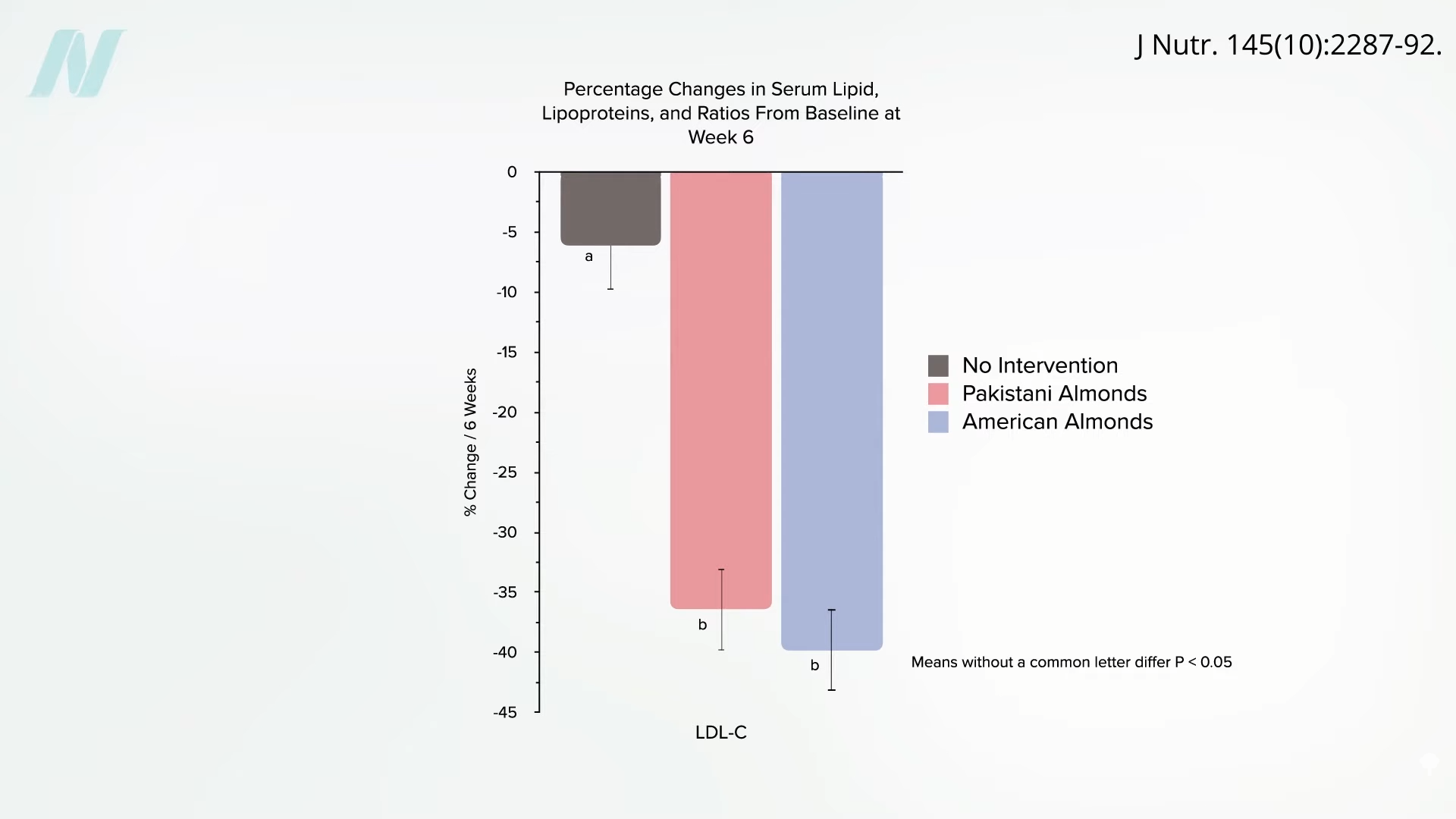
The scientific community’s confidence in the benefits of regular almonds is bolstered by the sheer volume of research. Over a dozen randomized controlled trials have investigated almonds’ impact on cardiovascular health, providing a robust evidence base. In contrast, the baru nut research is still in its nascent stages, with only one primary human cholesterol trial showing significant positive results. A subsequent study, which also administered 20-gram doses of baru nuts for an extended period of eight weeks, unfortunately, did not find any significant benefits for LDL cholesterol levels. This inconsistency in results warrants further investigation to understand the factors influencing baru nut efficacy.
The Concern of Advanced Glycation End-products (AGEs)
Beyond the cholesterol data, a significant factor influencing dietary recommendations regarding baru nuts is their preparation and potential for AGE formation. Unlike many other nuts that can be safely consumed raw, baru nuts contain certain compounds that must be inactivated by heat before consumption. This necessity for processing raises concerns about the formation of Advanced Glycation End-products (AGEs), often referred to as "glycotoxins."
AGEs are compounds formed when sugars react with proteins or fats through a process called the Maillard reaction. They are naturally present in varying amounts in many foods, and their levels can increase significantly with cooking, particularly with high-temperature dry-heat methods like grilling, broiling, and roasting. AGEs are implicated in contributing to increased oxidative stress and inflammation within the body, both of which are linked to the development of chronic diseases, including diabetes, cardiovascular disease, and kidney disease.
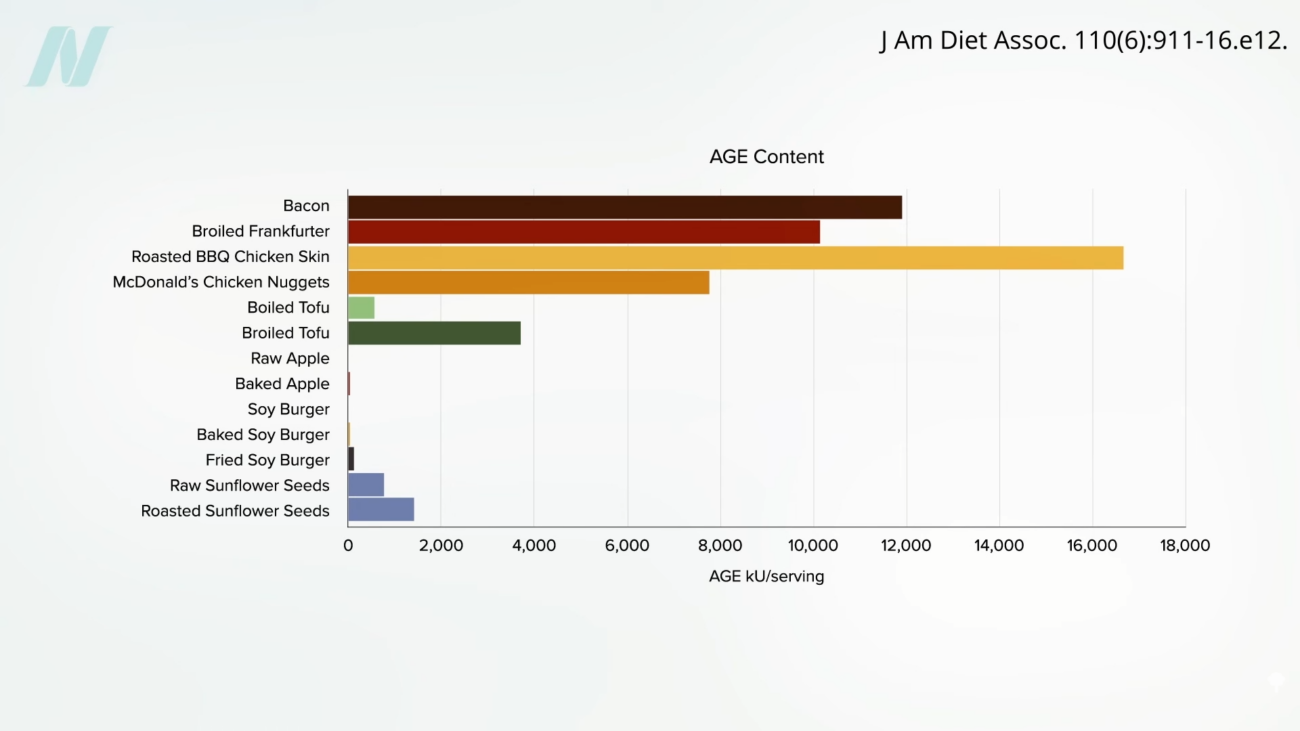
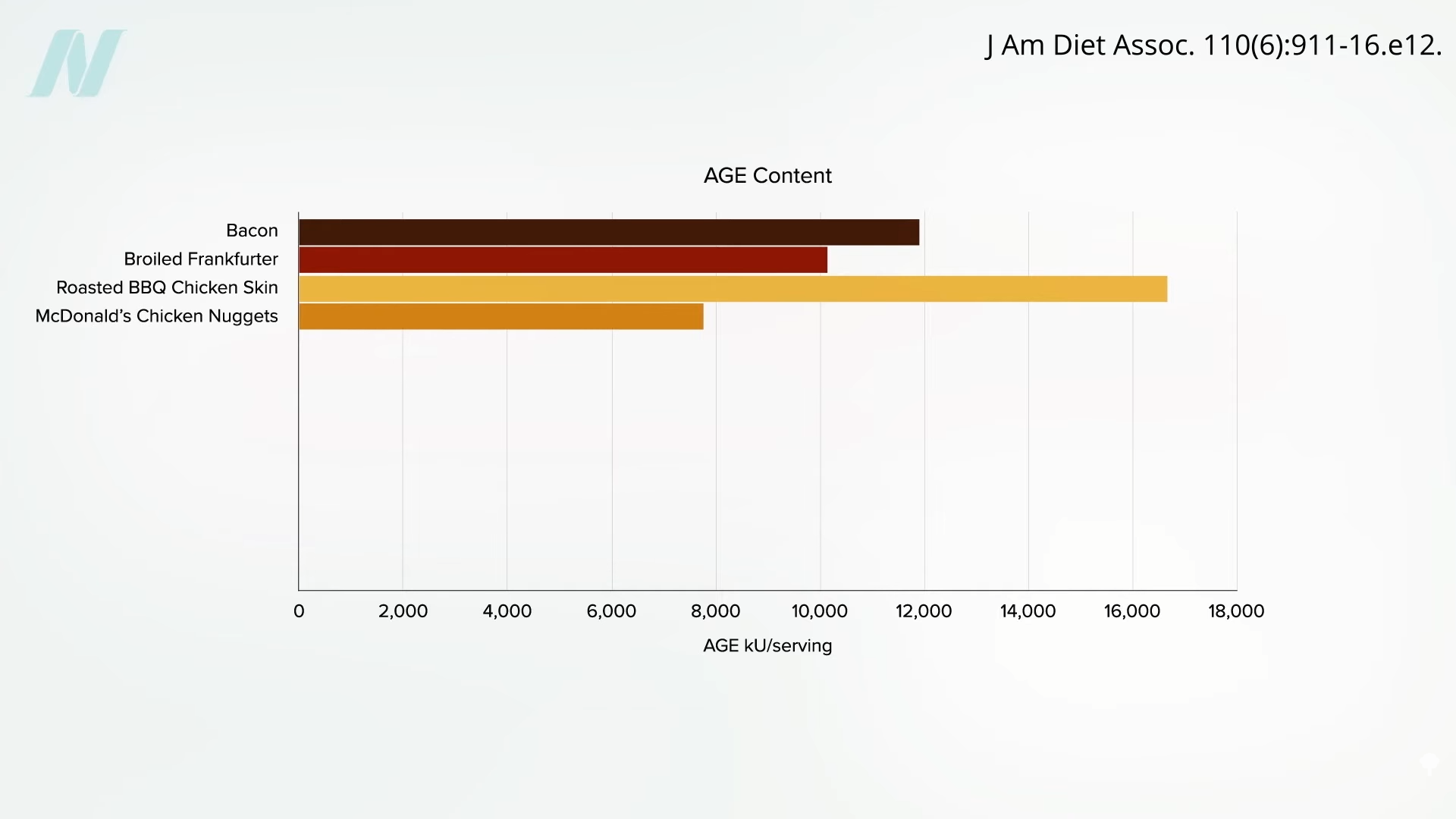
While AGEs are found in significant amounts in certain cooked animal products like bacon, broiled hot dogs, and roasted chicken skin, they can also form in high-fat, high-protein plant-based foods when subjected to high heat. This is why the recommendation for nuts and seeds often leans towards raw varieties or those processed with less intense heat. Roasting, a common method for preparing nuts and seeds, can significantly increase their AGE content.
Navigating AGEs in the Diet
Understanding the formation of AGEs is crucial for making informed dietary choices. While plant foods generally contain fewer AGEs than animal products, the preparation method is key. For example, boiled tofu, a raw apple, or even a baked apple typically have very low AGE levels. Interestingly, even when baked or fried, veggie burgers often remain relatively low in AGEs.
However, nuts and seeds, particularly when roasted, can accumulate AGEs to levels comparable to some cooked tofu preparations. This reinforces the recommendation to opt for raw nuts and seeds and nut and seed butters whenever possible. This preference for raw forms is rooted in the desire to minimize the intake of glycotoxins, thereby reducing the body’s burden of oxidative stress and inflammation.
Broader Implications and Future Directions
The emergence of baru nuts on the market presents a compelling narrative: a potentially nutritious food source from a threatened ecosystem. The economic incentive to cultivate and harvest baru nuts could play a role in conserving the Cerrado, offering a sustainable livelihood for local communities. However, as with any new food product, a thorough understanding of its health impacts is paramount.
The current scientific evidence for baru nuts is promising but not yet as robust as for more established nuts like almonds. The variability in study results and the concern regarding AGE formation due to necessary processing methods warrant caution. While the initial human study showed a significant LDL cholesterol reduction, further independent, well-designed clinical trials are needed to confirm these findings and to establish optimal consumption levels and preparation methods.
The “Doctor’s Note” from NutritionFacts.org, recommending a daily intake of nuts or seeds as part of their Daily Dozen checklist, underscores the general health benefits of these food groups. However, the specific context of baru nuts suggests that consumers should be aware of the processing requirements and consider the comparative benefits and risks against other readily available, extensively studied nuts.
For consumers interested in the environmental aspect, supporting baru nuts could be seen as a vote for sustainable agriculture and ecosystem preservation. However, for those prioritizing immediate and well-documented health benefits, particularly concerning cholesterol management and minimizing AGE intake, focusing on extensively researched raw nuts and seeds may be a more prudent choice at this time. The long-term viability and health impact of baru nuts will depend on continued research, sustainable harvesting practices, and consumer education regarding their unique characteristics. The story of the baru nut is a microcosm of the broader challenges and opportunities at the intersection of food, health, and environmental sustainability.

