

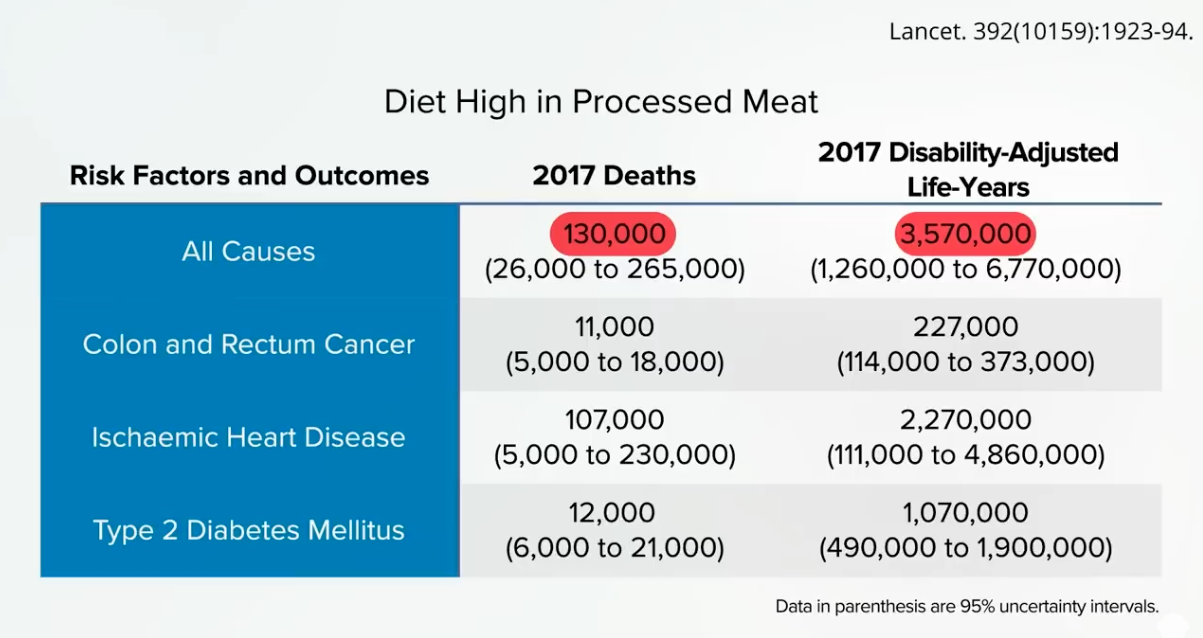
The Global Burden of Disease Study, a comprehensive epidemiological effort tracking mortality and morbidity worldwide, has shed critical light on the profound health consequences linked to diets high in processed meats. This extensive research, encompassing data from 195 countries and territories between 1990 and 2017, indicates that the annual toll of processed meat consumption could exceed 100,000 deaths globally. The primary drivers of this mortality are cardiovascular diseases, though cancer and diabetes also play significant roles, collectively contributing to millions of lost healthy years of life each year. The implications of these findings are far-reaching, suggesting a critical need for public health initiatives and individual dietary adjustments.
H2: Understanding the Scale of the Problem: Processed Meats and Mortality
Processed meats, a category encompassing items such as bacon, ham, hot dogs, lunch meats, and sausages, have long been scrutinized by health organizations. The Global Burden of Disease Study quantifies the impact of these foods, linking their consumption to a substantial increase in premature deaths. While the exact mechanisms are multifaceted, the heightened risk of heart disease is a significant factor. Atherosclerosis, the hardening and narrowing of arteries, is often exacerbated by the high saturated fat and sodium content prevalent in many processed meat products. Furthermore, the World Health Organization (WHO) has classified processed meat as a Group 1 carcinogen, meaning there is sufficient evidence that it causes cancer in humans, particularly colorectal cancer. The metabolic disruptions associated with high processed meat intake also contribute to the increased incidence of type 2 diabetes, creating a complex web of health risks.
H3: The Union of Concerned Scientists’ Perspective on Dietary Changes
Beyond the broad strokes of global studies, specific analyses offer more granular insights into potential public health gains. The Union of Concerned Scientists, in a detailed report, estimated that a reduction in processed meat consumption among Americans to as little as one ounce per week could avert thousands of cancer deaths annually. This projection underscores the significant impact that even moderate dietary shifts can have on a population level. Such findings provide a compelling argument for policy interventions aimed at encouraging healthier food choices, including public awareness campaigns, clearer food labeling, and potentially, fiscal measures like taxes on unhealthy foods.
H2: The NutriRECS Meat Papers and the Concept of Microlives
Recent discussions within the scientific community have been influenced by the NutriRECS (Nutrition Research Evidence-based Recommendations for Interventions and Complex Systems) meat papers, published in the Annals of Internal Medicine. While the panel behind these papers ultimately chose to disregard some of their own findings, independent analyses of the data have indicated a clear association between reduced red and processed meat consumption and a 13% lower risk of premature death. This statistic, while seemingly modest, carries significant weight when translated into real-world health outcomes.
To better comprehend the implications of such risk percentages, the concept of "microlives" offers a valuable framework. Introduced as a means to quantify the impact of chronic lifestyle risks on life expectancy, a microlife is defined as a reduction of 30 minutes from an individual’s projected lifespan. This unit allows for a more intuitive comparison of risks that do not result in immediate death, unlike acute risks that can be measured in "micromorts" (one-in-a-million chance of sudden death).
H3: Deconstructing the Microlife: A Unit of Life Expectancy
The derivation of the microlife unit is rooted in demographic data. For instance, a 22-year-old man or a 26-year-old woman, with an average life expectancy of 57 years remaining, possesses approximately 20,000 days, or 500,000 hours. When these hours are divided into half-hour increments, representing the unit of a microlife, it becomes clear that a microlife is a tangible fraction of an individual’s remaining time. This concept allows for a more relatable understanding of how lifestyle choices, such as diet, can incrementally diminish one’s lifespan.
H3: Comparative Risk Assessment: Microlives in Action
The microlife framework allows for direct comparisons between various health-related behaviors. For example, the consumption of a pint of strong beer is estimated to reduce life expectancy by the same amount as smoking a single cigarette. This comparison is particularly striking when considering individuals who might deem smoking twice a day "unthinkable" due to its health risks. By analogy, the same level of aversion should, in theory, be applied to behaviors that carry equivalent or greater risks, such as being significantly overweight.
H2: The Protective Power of Plant-Based Diets and Lifestyle Choices
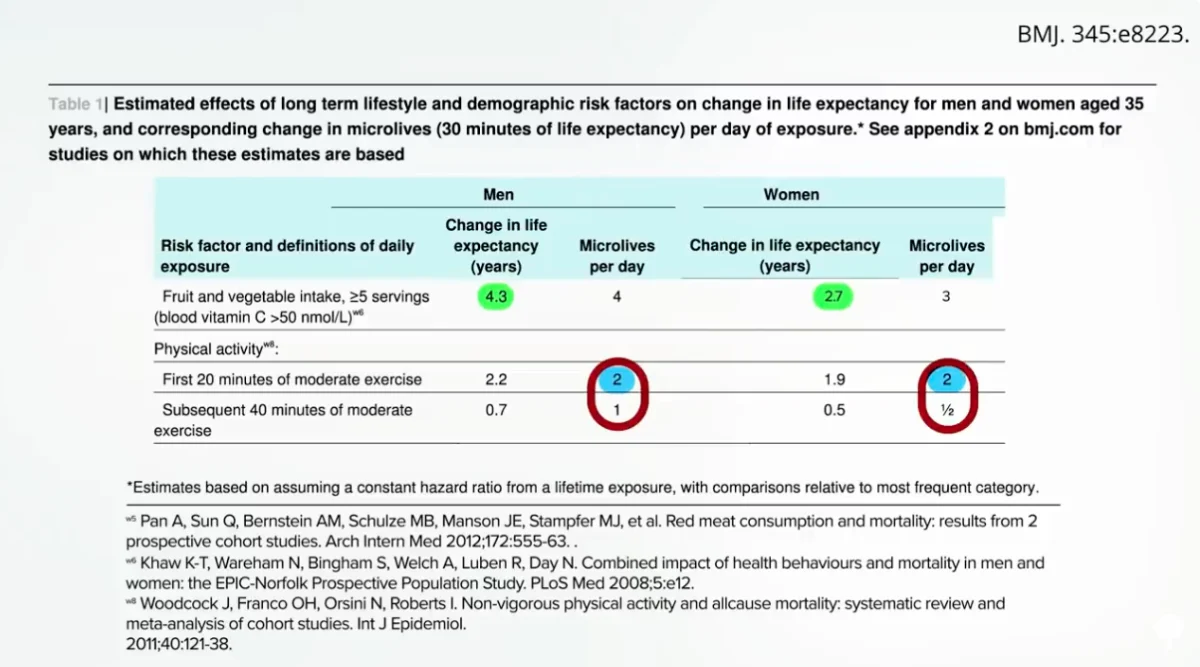
In contrast to the detrimental effects of processed meats, research also highlights the substantial benefits of adopting plant-based dietary patterns and engaging in regular physical activity. Studies indicate that consuming at least five servings of fruits and vegetables daily can extend a man’s lifespan by an average of four years and a woman’s by three years. These benefits can even surpass those derived from daily exercise, though exercise itself offers a remarkable return on investment.
H3: Exercise: A Powerful Investment in Longevity
Engaging in 20 minutes of exercise can, on average, yield an additional hour of life, translating to two microlives. This represents a 3-to-1 return on investment, where 20 minutes of one’s life is exchanged for 60 minutes of extended life expectancy. While the returns may diminish with prolonged exercise sessions, dedicating an hour a day to physical activity can result in gaining more time than is spent exercising. This "speed of aging" concept, where lifestyle choices can either accelerate or decelerate the aging process, is vividly illustrated in graphical representations that track the effects of lifetime habits and environmental factors on longevity.
H2: Quantifying the Impact of Meat Consumption: A Burger’s Cost
Applying the microlife metric to meat consumption reveals a stark reality. Each hamburger consumed is associated with the loss of approximately one microlife, equivalent to 30 minutes of life expectancy. This means that, in terms of lifespan impact, a single burger can be comparable to smoking two cigarettes. When such comparisons are made, the choice between a traditional meaty burger and a plant-based alternative, such as a bean burrito, becomes a significant consideration for those prioritizing long-term health and longevity.
H3: Processed Meats: An Even Greater Toll
The health impact of processed meats is demonstrably more severe than that of unprocessed red meat. While specific figures for various processed meat products are still being refined through ongoing research, the general consensus points to a significantly higher risk associated with these items. The cumulative effect of consuming a diet rich in processed meats can lead to substantial reductions in life expectancy, exacerbating the risk of chronic diseases that plague modern societies.
H2: Scientific Consensus and Expert Recommendations
The scientific community’s understanding of the risks associated with processed meat consumption is not without its detractors or debates. However, a broad consensus is emerging, supported by rigorous research. The chair of nutrition at Harvard, along with his colleagues, has publicly stated that certain recommendations suggesting unrestricted meat consumption suffer from significant methodological limitations and misinterpretations of nutritional evidence. These experts advocate for dietary guidelines that prioritize patterns low in red and processed meats and rich in minimally processed plant foods, such as fruits, vegetables, whole grains, nuts, and legumes. This includes a wide array of beans, split peas, chickpeas, and lentils, all of which offer substantial nutritional benefits without the associated health risks of processed animal products.
H3: Echoes of Past Research and the Importance of Critical Evaluation
The controversy surrounding meat consumption recommendations also brings to light the importance of critically evaluating scientific studies, especially those potentially influenced by industry interests. Dr. Dean Ornish, a pioneer in lifestyle medicine and founder of the Lifestyle Heart Trial, has expressed concern regarding meat studies published in journals like the Annals of Internal Medicine. His groundbreaking research demonstrated that a plant-based diet and lifestyle program could not only halt but also reverse the progression of severe coronary heart disease. In contrast, a control group that made modest reductions in meat consumption, similar to those suggested in some controversial reviews, experienced a worsening of their atherosclerosis. Dr. Ornish’s cautionary words, "Caveat emptor. Don’t be fooled. Your life may depend on it," serve as a powerful reminder for the public to approach health information with a discerning eye and to prioritize evidence-based, holistic approaches to well-being.
H2: Doctor’s Note: Expanding the Dialogue on Risk and Longevity
The concept of quantifying risks through units like micromorts and microlives offers a compelling avenue for public health education. Understanding these metrics can empower individuals to make more informed decisions about their health behaviors. Further exploration of these concepts can be found in detailed discussions and video resources that delve into the nuances of risk assessment in everyday life, including topics such as the risks associated with medical procedures like anesthesia.
This series of articles has explored the complex interplay between industries and the formation of dietary and health guidelines. The ongoing dialogue underscores the critical need for transparency, rigorous scientific inquiry, and a commitment to public health that transcends commercial interests. Resources on longevity and strategies for increasing life expectancy are readily available, offering actionable insights for individuals seeking to optimize their health and well-being.
Broader Impact and Implications
The findings from the Global Burden of Disease Study and related research carry significant implications for public health policy, the food industry, and individual dietary choices.
- Public Health Policy: Governments and health organizations may consider revising dietary guidelines to place a stronger emphasis on reducing processed meat consumption. This could involve public awareness campaigns, educational programs in schools and communities, and potentially, policy interventions such as clearer labeling requirements or taxes on processed foods.
- Food Industry: The food industry faces pressure to reformulate products, reduce the use of additives and preservatives common in processed meats, and explore the development of healthier alternatives. This could also spur innovation in the plant-based food sector.
- Individual Choices: Consumers are increasingly empowered with information to make informed decisions about their diets. The concept of microlives, for example, provides a tangible way to understand the long-term consequences of dietary habits, encouraging a shift towards more plant-centric eating patterns.
- Healthcare Systems: A reduction in diet-related chronic diseases, such as heart disease, cancer, and diabetes, would alleviate significant strain on healthcare systems, leading to reduced healthcare costs and improved population health outcomes.
The cumulative evidence suggests that a deliberate shift away from processed meats and towards a diet rich in whole, plant-based foods is not merely a dietary preference but a critical strategy for enhancing individual and public health on a global scale.

