

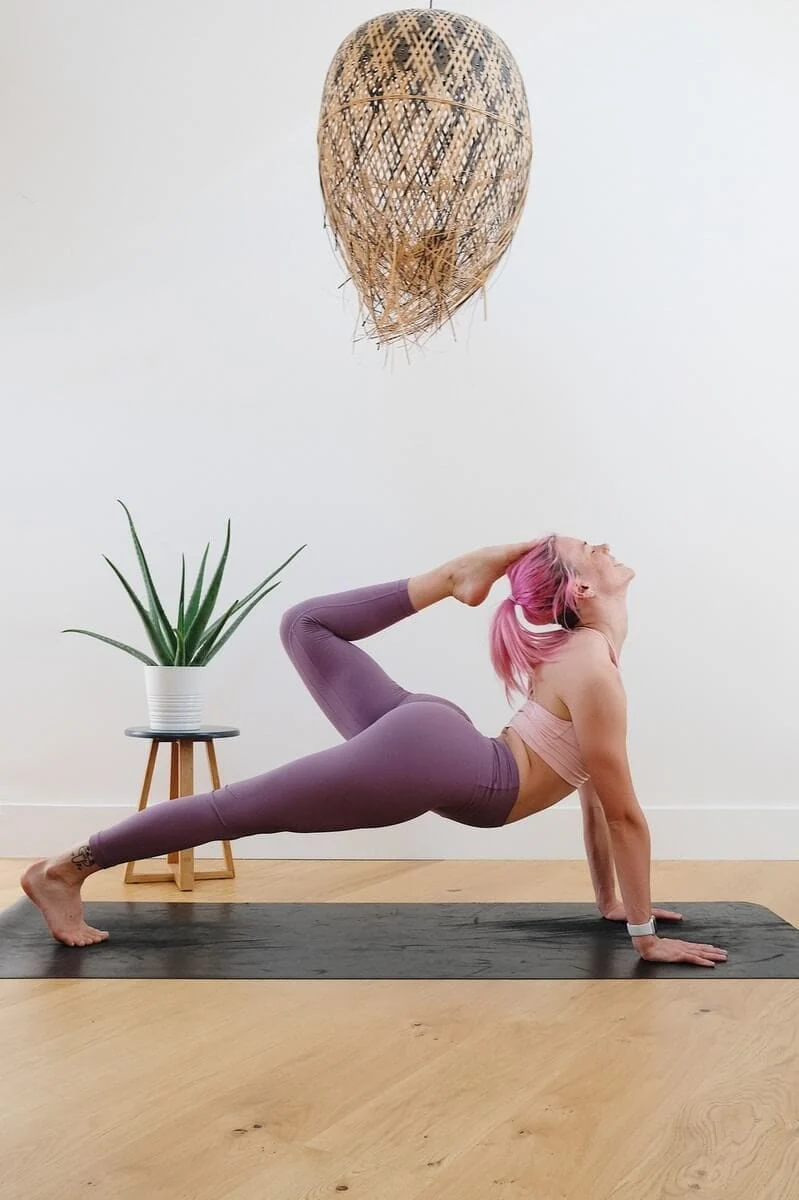
The DoYou Global Yoga Survey 2021, a comprehensive analysis drawing responses from over 10,000 practitioners across 124 countries, has unveiled profound insights into the evolving landscape of yoga practice worldwide. A standout finding indicates a dramatic surge in home-based yoga, with an overwhelming 85% of respondents reporting they primarily engage in their practice within their own residences. This trend, which appears to be firmly on an upward trajectory, is attributed to a confluence of factors, fundamentally reshaping how individuals integrate yoga into their daily lives. The survey, conducted in 2021, also carries the crucial caveat that its findings are likely influenced by the unprecedented global circumstances of the COVID-19 pandemic, which significantly restricted public gatherings and accelerated digital adoption across various sectors.
Understanding the Global Yoga Survey: Context and Methodology
The DoYou Global Yoga Survey, a recurring initiative by DoYou, aims to provide a robust, data-driven understanding of the global yoga community’s habits, motivations, and preferences. The 2021 edition was particularly critical given the dynamic shifts observed in wellness practices during a period of widespread lockdowns and social distancing measures. By canvassing a diverse demographic spanning continents and cultures, the survey offers a unique snapshot of a rapidly adapting community. Participants responded to detailed questionnaires covering aspects of their practice, preferred settings, motivations, and challenges. The sheer volume of responses—over ten thousand—and the broad geographical representation lend significant weight to the survey’s conclusions, positioning it as a key reference point for industry analysis. The data collection in 2021 meant that the insights captured reflect a period where digital solutions and home-based activities became not just preferences, but often necessities, for maintaining physical and mental well-being. This context is vital for interpreting the pronounced shift towards private practice.
Key Drivers Behind the Home Yoga Boom
The survey identified four primary reasons underpinning the significant preference for home-based yoga practice. These factors reflect both practical considerations and deeper psychological needs of practitioners, illustrating a move towards more personalized and accessible wellness routines.
1. Unmatched Convenience: Integrating Yoga into Modern Life
Convenience emerged as the top driver, cited by a remarkable 71% of home practitioners. In an increasingly fast-paced world, the prospect of navigating commutes, dealing with traffic, and adhering to fixed studio schedules often presents a significant barrier to consistent practice. Home yoga eliminates these logistical hurdles. Practitioners can seamlessly weave their sessions into their daily routines, whether it’s an early morning flow before work, a midday break, or a winding-down evening session. The flexibility extends beyond timing; individuals can practice in their preferred attire—from pajamas to athletic wear, or even in the nude, as some respondents humorously noted—without the self-consciousness that might accompany a public setting. This on-demand nature of home practice aligns perfectly with the broader societal trend towards personalized, accessible services, where consumers expect to engage with content and activities at their convenience, on their terms. This shift is not merely about saving time but about empowering individuals to take greater ownership of their wellness schedules, fitting yoga into their lives rather than fitting their lives around yoga.
2. Enhanced Affordability: Democratizing Access to Wellness
Financial considerations play a crucial role, with 46% of home practitioners choosing this option for its economic benefits. The digital age has ushered in an abundance of free and low-cost yoga resources, primarily through platforms like YouTube, which host countless tutorials for all levels. Beyond free content, a plethora of affordable yoga apps and online subscription services offer structured programs and guided practices at a fraction of the cost of traditional studio memberships or drop-in classes. When factoring in additional expenses such as transportation to and from studios, parking fees, and specialized attire, the cost savings of home practice become even more substantial. This affordability significantly broadens access to yoga, enabling individuals from diverse socioeconomic backgrounds to engage in a practice that might otherwise be financially out of reach. Industry analysts suggest that this democratization of yoga is a pivotal development, potentially expanding the global yoga community to previously underserved demographics and fostering greater inclusivity within the wellness sector.
3. Cultivating Privacy: A Sanctuary from Judgment
A significant 33% of respondents underscored the importance of privacy as a motivator for home practice. For many, the idea of practicing yoga in a public studio setting can be daunting, often accompanied by a perceived sense of competition, self-consciousness, or judgment from others. Beginners, individuals with body image concerns, or those simply seeking a more introspective and less performance-oriented experience find solace in the solitude of their homes. This private environment fosters a safe and secure space where practitioners can explore poses, make mistakes, and connect with their bodies without external pressures. This factor resonates particularly strongly with the growing emphasis on mental health and self-care, where creating a personal sanctuary for practice is paramount. As Dr. Eleanor Vance, a wellness psychologist, might infer, "The psychological safety offered by home practice allows individuals to fully immerse themselves in the introspective and healing aspects of yoga, free from social anxieties that can detract from the experience in a public setting."
4. Absolute Control: Tailoring the Personal Practice
Over 60% of survey respondents indicated that the instructor and atmosphere are critical to their enjoyment of a yoga class. Home practice empowers individuals with unparalleled control over every aspect of their session. This autonomy means practitioners can select their preferred style of yoga, choose from an extensive library of instructors—whether a beloved YouTube guru or a specific online course—and dictate the duration and intensity of their practice. They can curate their environment with specific lighting, music, and aromas, creating an atmosphere that perfectly suits their mood and intentions for the day. This level of personalization ensures that the practice consistently meets their individual needs, avoiding the potential disappointment of an unsuitable instructor or a studio environment that doesn’t resonate. The ability to adapt the practice daily, catering to fluctuating energy levels or physical conditions, solidifies home yoga as a highly responsive and personalized wellness tool.
The Pandemic’s Accelerating Influence: A Critical Timeline
The DoYou Global Yoga Survey 2021 was conducted during a period marked by unprecedented global health crises and subsequent societal changes. From early 2020 through 2021, the COVID-19 pandemic necessitated widespread lockdowns, the closure of non-essential businesses—including yoga studios—and stringent social distancing guidelines. This timeline significantly accelerated the adoption of digital platforms for almost all aspects of life, including fitness and wellness.
- March 2020: Initial widespread lockdowns globally, forcing immediate closure of physical yoga studios. Many instructors and studios pivoted rapidly to online streaming.
- Late 2020 – Early 2021: Online yoga platforms and virtual classes experienced exponential growth as practitioners sought ways to maintain their routines from home. This period also saw the development of more sophisticated online offerings.
- Throughout 2021 (Survey Period): While some restrictions eased, hybrid models emerged, but many individuals had already established consistent home practice routines and invested in home equipment. Health concerns also kept many away from public spaces.
The survey’s disclaimer explicitly notes that "The numbers reported here are likely to be affected by the pandemic." This is a crucial piece of context. The pandemic did not merely introduce home yoga; it normalized and rapidly scaled it. What might have been a gradual shift over years was compressed into months. The challenge now for the industry is to discern which of these pandemic-driven behaviors will become permanent fixtures and which will revert as public life fully resumes.
Potential Pitfalls of Exclusive Home Practice
While the advantages of home yoga are compelling, the survey also implicitly highlights several downsides to an exclusively home-based practice, particularly concerning safety, progression, and community.
One significant risk lies in the absence of personalized, real-time feedback and adjustments from a trained instructor. When practicing alone, individuals may inadvertently adopt incorrect form or alignment, especially with more complex poses. This not only hinders progress but substantially increases the risk of injury. A studio instructor can physically adjust a student, offer verbal cues tailored to their body, and identify potential risks that an online video cannot. This is particularly critical for individuals with pre-existing injuries or chronic conditions, where modifications are essential and require expert guidance to avoid exacerbation.
Furthermore, the communal aspect of yoga studio classes offers a unique dimension that home practice cannot fully replicate. The shared energy, collective focus, and sense of belonging within a group can provide a powerful mood boost and foster a supportive community. Many practitioners find motivation and inspiration from practicing alongside others, creating connections that extend beyond the mat. This social interaction, often a vital component of mental well-being, is largely absent in solo home practice, potentially leading to feelings of isolation or a diminished sense of engagement for some.
Industry Adaptation and Official Responses
The dramatic shift towards home practice has compelled the global yoga industry to adapt rapidly. Traditional yoga studios and instructors have recognized the permanence of this trend and are increasingly adopting hybrid models. Many studios now offer a combination of in-person classes, live-streamed sessions, and extensive on-demand video libraries, providing practitioners with maximum flexibility.
"The pandemic forced us to innovate at an unprecedented pace," states Maya Sharma, owner of ‘Zenith Yoga Studio’ in London, a sentiment widely echoed across the industry. "While the energy of in-person classes is irreplaceable, we’ve seen a clear demand for high-quality online content. Our challenge now is to create seamless experiences that blend the best of both worlds, ensuring our online community receives the same level of guidance and support as our in-studio students."
Yoga instructor training programs are also evolving, incorporating modules on effective online instruction, digital content creation, and fostering virtual community engagement. Professional organizations are developing best practices for online safety and injury prevention, acknowledging the unique challenges of remote teaching. This proactive adaptation signifies a broader understanding within the industry that the future of yoga is likely a blend, where convenience and accessibility meet expert guidance and community spirit.
Broader Impact and Implications for the Yoga Landscape
The findings of the DoYou Global Yoga Survey 2021 carry significant implications for the future of yoga and the broader wellness industry.
- Hybrid Dominance: The "why not do both?" approach highlighted in the original article is becoming the new norm. Practitioners are likely to continue leveraging the convenience and affordability of home practice for routine sessions, reserving studio visits for specialized workshops, advanced instruction, or the invaluable community experience. This suggests a more diversified revenue model for studios and instructors.
- Enhanced Accessibility and Inclusivity: The affordability and privacy aspects of home practice are democratizing yoga, making it accessible to individuals who might have previously been deterred by cost, geographical limitations, or social anxieties. This expanded reach could lead to a more diverse and inclusive global yoga community.
- Innovation in Digital Wellness: The sustained demand for home practice will continue to drive innovation in online platforms, from interactive AI-powered feedback tools to virtual reality yoga experiences. The quality and diversity of online content are expected to further improve, offering highly specialized and personalized programs.
- Evolving Role of the Instructor: While online resources are abundant, the need for qualified instructors offering personalized feedback remains critical. The role of the instructor may evolve to include more online coaching, personalized program design, and guidance on how to safely navigate home practice, complementing general online content.
- Challenges for Traditional Studios: Studios that fail to adapt to this hybrid landscape risk losing market share. Success will increasingly hinge on offering unique in-person experiences, building strong local communities, and integrating seamlessly with digital offerings.
- Focus on Safety and Education: With more individuals practicing independently, there’s an increased onus on online platforms and instructors to emphasize safety, proper alignment, and the importance of listening to one’s body to mitigate injury risks. Educational initiatives on choosing appropriate online content will also become crucial.
In conclusion, the DoYou Global Yoga Survey 2021 provides compelling evidence of a fundamental and likely enduring shift in how yoga is practiced globally. Driven by a powerful combination of convenience, affordability, privacy, and control, home-based yoga has moved from a niche option to a mainstream preference, accelerated significantly by the pandemic. While the benefits of in-person instruction and community remain vital, the future of yoga appears to be a dynamic, hybrid ecosystem where the flexibility of home practice complements the enriching experience of studio classes, ultimately fostering a more accessible, personalized, and diverse global yoga landscape.

