

Benign prostatic hypertrophy (BPH), commonly known as an enlarged prostate, is a widespread condition affecting a significant portion of the male population. Recent research and historical use of natural remedies are shedding new light on potential dietary interventions for this ailment, offering alternatives to conventional medical treatments that often come with undesirable side effects. Studies indicate that over 50% of men in their 50s and at least 70% of men over the age of 60 experience BPH, leading to bothersome lower urinary tract symptoms (LUTS) such as frequent nighttime urination. While pharmaceutical options and surgical interventions exist, their efficacy can be compromised by side effects, including sexual dysfunction, and patient non-compliance. This has spurred a growing interest in exploring dietary approaches to manage BPH symptoms.
The Growing Prevalence of Benign Prostatic Hypertrophy
BPH is a non-cancerous enlargement of the prostate gland, a walnut-sized gland located below the bladder in men. As the prostate grows, it can press on the urethra, the tube that carries urine from the bladder out of the body. This compression obstructs urine flow, resulting in a range of urinary symptoms. These symptoms can significantly impact a man’s quality of life, disrupting sleep and daily activities. The progressive nature of BPH means that symptoms often worsen over time if left unmanaged.
Limitations of Conventional Treatments
Current medical management of BPH typically involves alpha-blockers, which relax the muscles in the prostate and bladder neck to improve urine flow, or 5-alpha reductase inhibitors, which shrink the prostate gland. While these medications are clinically effective for many, they are not without drawbacks. Side effects can include dizziness, fatigue, retrograde ejaculation, and even a potential link to depression. The severity and nature of these side effects contribute to low patient adherence to treatment regimens. When medical therapy proves insufficient, surgical options like transurethral resection of the prostate (TURP) are considered. TURP is a procedure that removes excess prostate tissue, but it carries its own set of risks, including bleeding, infection, and sexual dysfunction. The pursuit of safer and more accessible management strategies for BPH is therefore a critical area of research.
Dietary Patterns and Prostate Health: Early Observations
Population-based studies have long suggested a correlation between dietary habits and prostate health. Research indicates that a diet characterized by low animal protein intake and a high consumption of fruits and vegetables may be protective against certain prostate conditions. However, the nuances of these associations are complex. Not all animal proteins appear to pose the same risk; studies have pointed to eggs and poultry as potentially more problematic than red meat or dairy. Refined grains have also been implicated in negative health outcomes. While these broad dietary observations provide a general direction, they do not offer specific, actionable food-based solutions for managing established BPH symptoms.
Investigating Natural Remedies: The Case of Saw Palmetto
The exploration of natural remedies for BPH has a long history. Saw palmetto (Serenoa repens) has been a popular herbal supplement for decades, with over 30 randomized controlled trials conducted to assess its efficacy. Despite extensive research, the consensus among these studies suggests that saw palmetto, in its various forms, has largely proven to be ineffective in significantly alleviating BPH symptoms. This finding underscores the importance of rigorous scientific testing to validate traditional remedies and avoid the widespread use of ineffective treatments.
Cranberries: A Historical Remedy Put to the Test
Cranberries have a rich history of use in Native American traditions for treating urinary ailments. Modern scientific inquiry has sought to validate these historical claims. A notable study investigated the effects of powdered whole cranberries on men suffering from BPH. Participants who consumed approximately one teaspoon (around 3 grams) of powdered whole cranberries daily experienced significant improvements in their BPH symptoms, enhanced quality of life, and positive changes in various urination parameters. Crucially, this study emphasized the use of whole, unsweetened cranberries, differentiating them from sweetened and processed "craisins," which may not offer the same therapeutic benefits due to added sugars and processing.
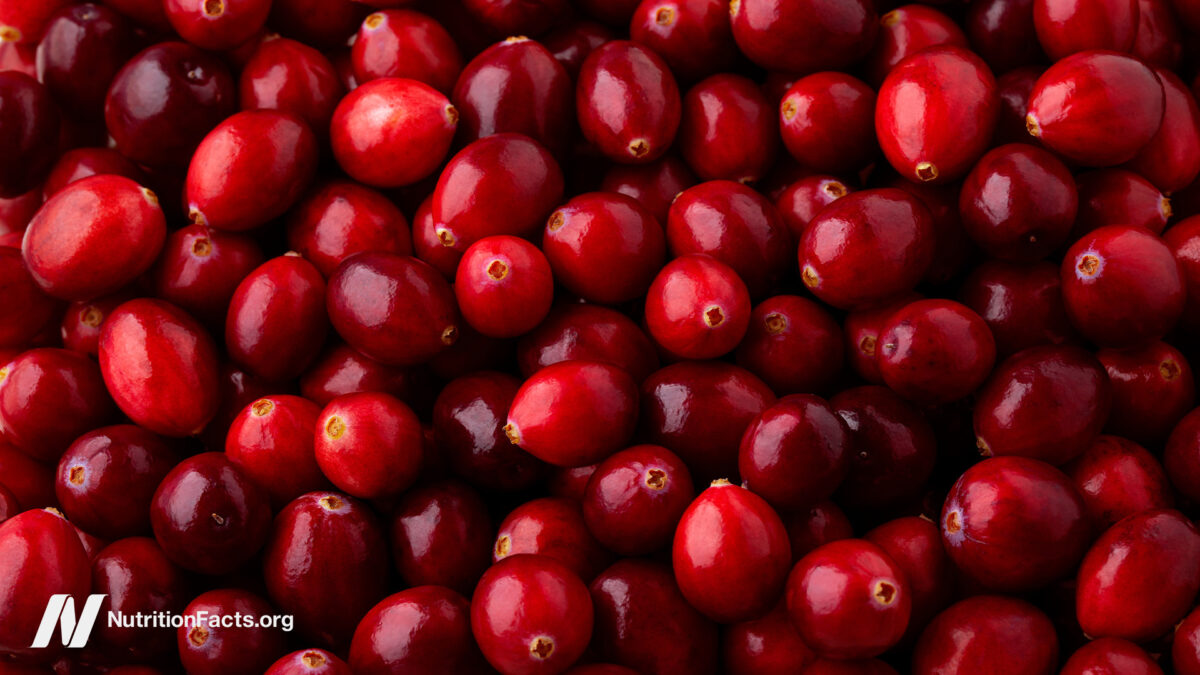
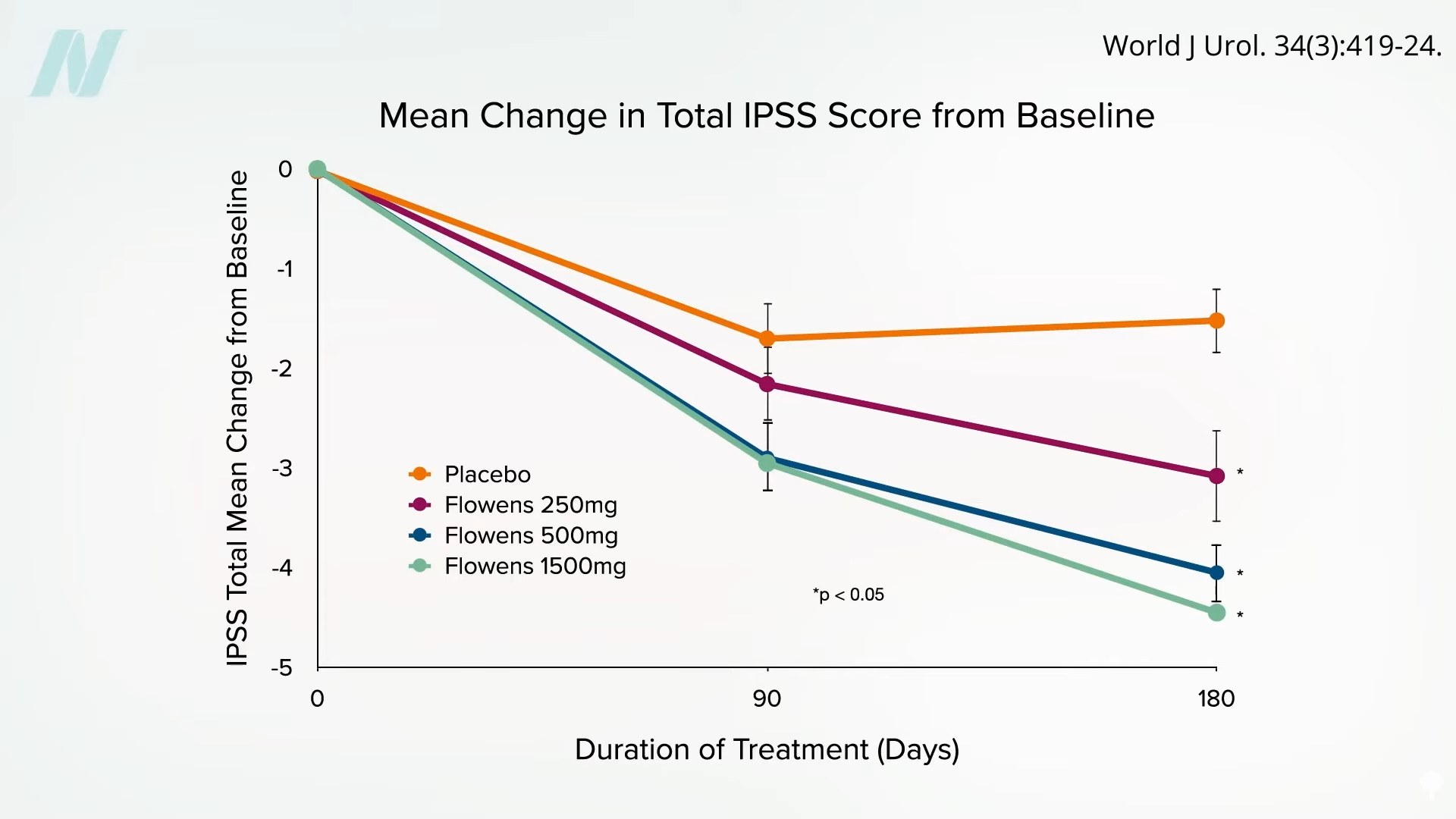
Further research has delved into the dosage effectiveness of cranberries. Studies have shown that even smaller amounts, such as a third or a sixth of a teaspoon of powdered cranberry, can still yield beneficial effects. The findings, illustrated in graphical representations, demonstrate a dose-dependent improvement in BPH symptoms. The study that utilized powdered cranberry, though funded by a supplement company, employed a product consisting of pure cranberry powder. This suggests that consumers can achieve similar benefits by purchasing bulk cranberry powder and incorporating it into their diets, for instance, by adding it to smoothies, at a potentially lower cost.
It is important to note that not all cranberry products are equally effective. Research has shown that drinking purple grape juice, for example, did not provide any discernible benefit for BPH symptoms, highlighting the importance of specific formulations and consumption methods.
Pumpkin Seeds: A Promising Alternative
Beyond cranberries, other natural agents have garnered attention for their potential role in prostate health. Flaxseeds, previously discussed for their potential therapeutic efficacy comparable to some medications with favorable side effect profiles, have paved the way for exploring other seeds. Pumpkin seeds (Cucurbita pepo) have a long-standing tradition in folk medicine as a remedy for prostate disorders. In vitro studies, conducted in laboratory settings, have demonstrated that pumpkin seed extracts can significantly inhibit the growth of BPH prostate cells, reducing their proliferation by up to 50%.
This laboratory evidence prompted further investigation into the effects of pumpkin seeds in human subjects. While initial research explored the injection of pumpkin seed extracts into rabbits, the critical step was to evaluate their impact on humans. Studies on pumpkin seed oil have shown promising results in managing prostate issues. In head-to-head comparisons, pumpkin seed oil appeared to be as effective as the pharmaceutical drugs Prazosin and Terazosin in managing BPH symptoms. However, a significant limitation of these comparative studies was the absence of a placebo group, which is essential for definitively attributing the observed benefits to the pumpkin seed oil itself rather than other factors.
Rigorous Human Trials: Differentiating Whole Seeds from Extracts
To address these limitations, a more comprehensive study was conducted involving over a thousand men. Participants were randomized to receive either a pumpkin seed extract supplement, a placebo, or approximately one tablespoon (about 7.5 grams) of plain, whole pumpkin seeds daily. This study design provided a robust comparison between a concentrated extract, a neutral control, and the whole food itself.
The results of this trial revealed a crucial distinction: while the pumpkin seed extract supplement did not demonstrate efficacy beyond the placebo, the consumption of whole pumpkin seeds yielded significant positive outcomes. This finding suggests that the therapeutic benefits are not solely attributable to specific extracted compounds within the oil. Subsequent research has further supported this, indicating that even oil-free pumpkin seed extracts may possess beneficial properties.
Clinical Recommendations and Regulatory Endorsements
The researchers in the aforementioned study concluded that whole pumpkin seeds could be recommended for patients experiencing mild to moderate BPH symptoms. This conclusion has been echoed and supported by regulatory bodies. The European Medicines Agency (EMA), analogous to the U.S. Food and Drug Administration (FDA), has acknowledged the role of pumpkin seeds in alleviating lower urinary tract symptoms associated with an enlarged prostate, provided that more serious underlying medical conditions have been ruled out by a healthcare professional. This endorsement from a major regulatory body lends significant weight to the therapeutic potential of whole pumpkin seeds as a dietary intervention for BPH.
The Broader Implications for Men’s Health
The growing body of evidence supporting the use of cranberries and pumpkin seeds in managing BPH symptoms offers a ray of hope for millions of men worldwide. These natural dietary interventions present a compelling alternative or complementary approach to conventional treatments, potentially reducing reliance on pharmaceuticals with their associated side effects. The accessibility and relative affordability of these whole foods make them an attractive option, particularly for individuals in regions with limited access to advanced medical care.
The research highlights a paradigm shift towards integrating nutritional science into mainstream healthcare strategies for chronic conditions. As understanding of the gut-prostate axis and the impact of phytonutrients on hormonal pathways continues to evolve, further investigation into the mechanisms by which cranberries and pumpkin seeds exert their beneficial effects is warranted. This could involve identifying specific active compounds, understanding optimal dosages, and exploring synergistic effects with other dietary components.
Furthermore, the success of studies involving whole foods like pumpkin seeds underscores the importance of a holistic dietary approach to health. While specific foods can offer targeted benefits, a balanced diet rich in fruits, vegetables, and whole grains remains foundational for overall well-being.
Future Directions and Patient Considerations
As research progresses, a more personalized approach to BPH management may emerge, incorporating dietary interventions tailored to individual needs and symptom profiles. Healthcare providers are increasingly encouraged to discuss these evidence-based dietary options with their patients.
It is imperative that men experiencing symptoms of BPH consult with a qualified healthcare professional for a proper diagnosis and to rule out more serious conditions, such as prostate cancer. While cranberries and pumpkin seeds show promise, they should be viewed as part of a comprehensive management plan and not as a sole substitute for medical advice or treatment, especially in cases of severe or rapidly progressing symptoms.
The ongoing scientific exploration of natural remedies for BPH not only provides valuable insights for patient care but also reinforces the profound connection between diet and health. The journey from traditional remedies to scientifically validated interventions for conditions like BPH is a testament to the power of combining historical wisdom with rigorous scientific inquiry.
Related Research and Physician’s Notes
For individuals interested in further exploration, related research on flaxseeds and prostate cancer is available in the video titled "Flaxseeds vs. Prostate Cancer." Additionally, the relationship between cranberries and prostate cancer is examined in "Cranberries vs. Cancer." A separate video, "Can Cranberry Juice Treat Bladder Infections?" also addresses a common concern related to cranberry consumption. These resources provide a broader context for understanding the multifaceted health benefits of these natural foods.

