

Written By Michael Greger M.D. FACLM • October 1, 2026
Last updated: September 30, 2026 • 2 min read
The humble fenugreek seed, long recognized in traditional medicine, is now garnering significant attention from the scientific community for its multifaceted hormonal benefits, extending far beyond its previously documented effects on muscle building. Emerging research and clinical trials are illuminating its potential to positively impact sexual function, alleviate menstrual pain, aid in lactation, and even mitigate menopausal symptoms. This comprehensive exploration delves into the scientific underpinnings and documented effects of fenugreek, presenting a compelling case for its inclusion in a health-conscious lifestyle.
The Testosterone Connection: From Athletes to Everyday Wellness
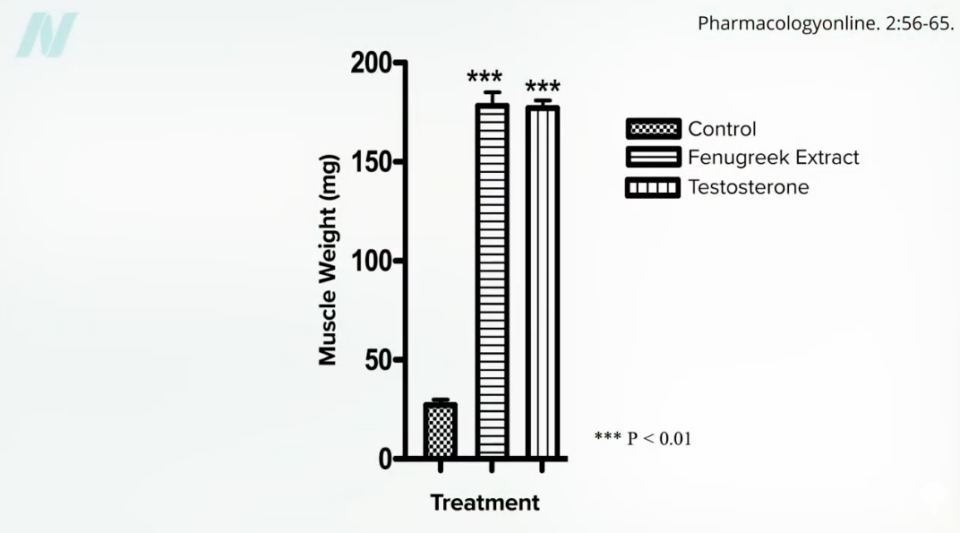
Initial studies, including a notable trial involving young men, demonstrated fenugreek’s capacity to enhance physical performance. In an eight-week randomized controlled study, participants supplementing with fenugreek capsules exhibited significant improvements in upper and lower body strength, along with a reduction in body fat percentage. This anabolic effect was initially attributed primarily to an increase in testosterone levels. While some early research on castrated rats suggested a direct correlation between fenugreek’s muscle-bulking properties and testosterone, human studies have since provided more concrete evidence.
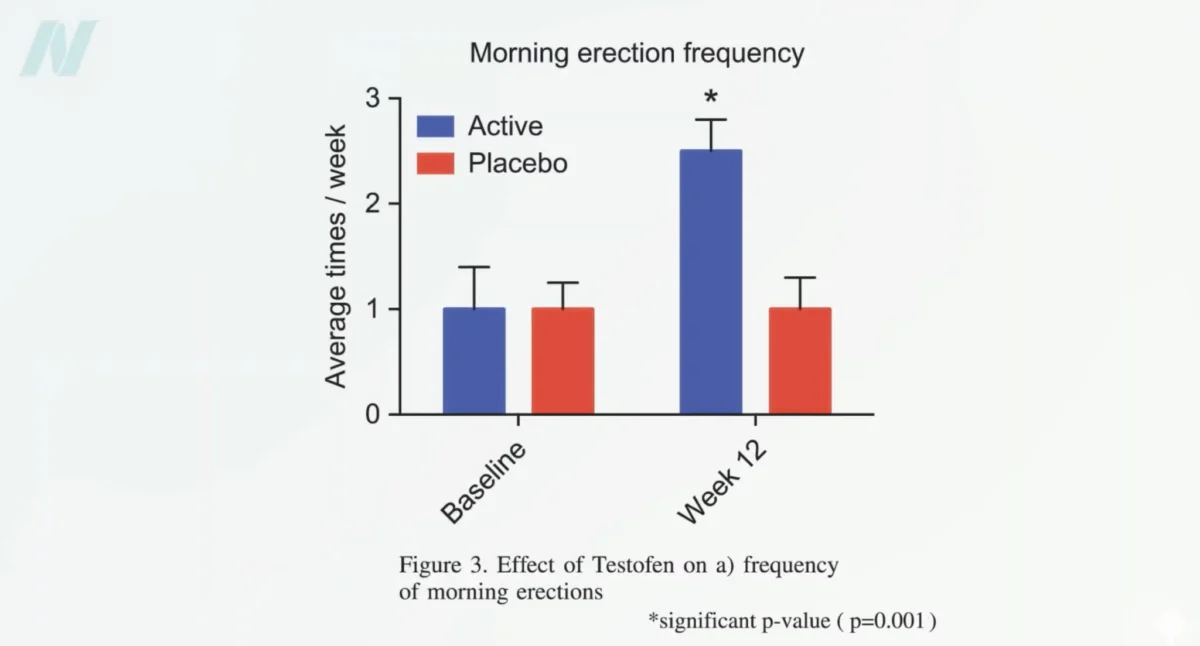
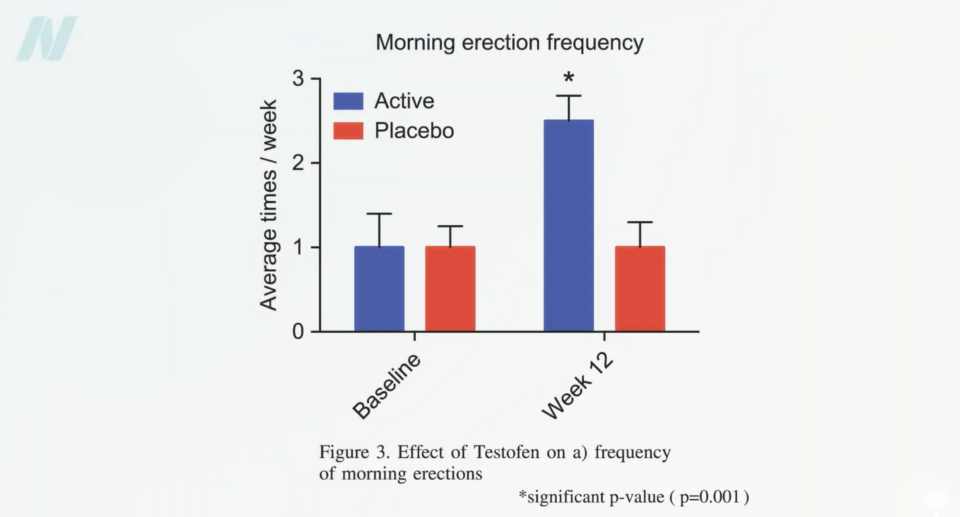
Four randomized controlled trials in humans have confirmed that fenugreek supplementation leads to a significant boost in total blood testosterone. This hormonal uplift has been directly linked to improvements in male sexual function. One study, for instance, observed a doubling in the frequency of morning erections among participants, a key indicator of healthy testosterone levels and sexual vitality. This finding suggests that fenugreek may offer a natural and effective approach to addressing age-related declines in testosterone and improving overall sexual well-being in men.
Expanding Horizons: Fenugreek’s Impact on Female Hormonal Health
The hormonal influence of fenugreek is not confined to men. Its effects on female hormonal balance are equally compelling and address several significant health concerns. While estrogen, particularly estradiol, plays a crucial role in female sexual arousal and lubrication, testosterone is understood to be a key driver of sexual desire in both sexes. Traditional pharmaceutical interventions for low female libido, such as testosterone patches, have faced challenges due to concerns about blood clots and long-term safety.
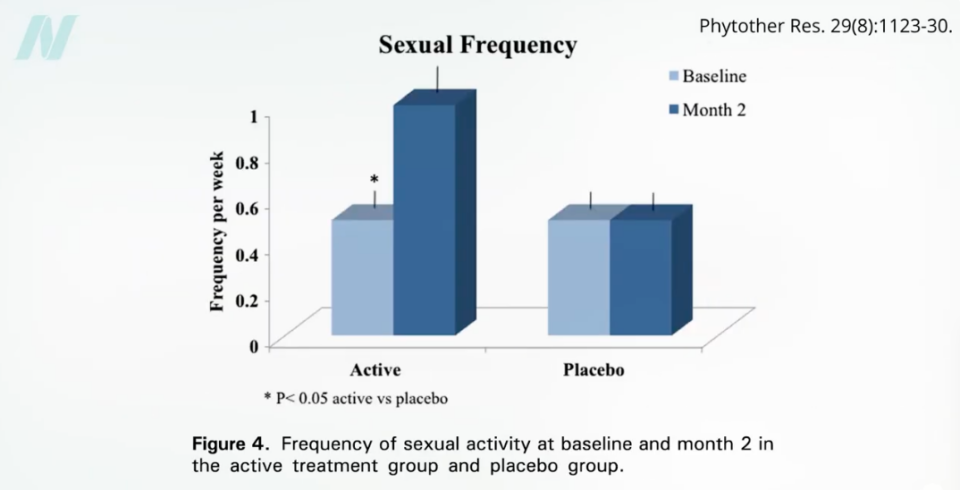
Fenugreek presents a promising alternative. Research has indicated that fenugreek supplementation in women can lead to a significant increase in both testosterone and estradiol levels. This dual hormonal effect has been associated with a marked improvement in sexual desire and function. One study documented an approximate doubling of sexual activity in women taking fenugreek compared to a placebo group, highlighting its potential to enhance intimacy and satisfaction.
Beyond sexual health, fenugreek is demonstrating efficacy in managing the challenging symptoms of menopause. A double-blind, randomized, placebo-controlled study revealed significant reductions in menopausal symptoms across all assessed domains. Notably, the study found that fenugreek supplementation could halve the weekly frequency of hot flashes and night sweats over a three-month period. This suggests that fenugreek may offer a natural and well-tolerated solution for women navigating the hormonal shifts of perimenopause and menopause.
Addressing Menstrual Discomfort and Enhancing Lactation
The benefits of fenugreek extend to addressing common gynecological issues, particularly painful menstrual periods. One study, notably using readily available fenugreek powder rather than a proprietary extract, demonstrated a significant decrease in menstrual pain. Participants taking a modest daily dose—equivalent to about a third of a teaspoon of fenugreek powder—experienced relief. Beyond pain reduction, the study also noted improvements in associated symptoms such as headaches, fatigue, and nausea, underscoring fenugreek’s holistic approach to menstrual well-being.
Furthermore, fenugreek has long been recognized as a potent galactagogue, a substance that promotes milk production in lactating mothers. Scientific investigation has validated this traditional use. A randomized, double-blind, placebo-controlled trial involving breastfeeding women showed a remarkable increase in milk production. When combined with ginger and turmeric, a daily dose of less than a quarter teaspoon of fenugreek led to a doubling of milk supply within a month, with significant increases observed as early as week two. This finding is of immense importance for mothers facing challenges with milk production, offering a natural and accessible support system.
Safety Considerations and Future Directions
While the research on fenugreek’s benefits is overwhelmingly positive, it is crucial to acknowledge safety guidelines. Due to its potential to stimulate the uterus, fenugreek seeds are generally advised against during pregnancy. Although this recommendation is primarily based on laboratory animal data, a precautionary approach is warranted to ensure maternal and fetal well-being.
The scientific community continues to explore the full spectrum of fenugreek’s therapeutic potential. Ongoing research aims to further elucidate the precise mechanisms of action for its various hormonal effects and to establish optimal dosages and long-term efficacy across diverse populations. The accessibility and affordability of fenugreek, coupled with its robust scientific backing, position it as a valuable natural agent for enhancing hormonal health and overall well-being for individuals of all ages and genders.
Doctor’s Note:
Additional insights into fenugreek can be found in related videos: "Benefits of Fenugreek Seeds" and "Side Effect of Fenugreek Consumption."

