

Our gut flora, a complex community of microorganisms residing in our digestive tract, plays a pivotal role in our overall health. Emerging scientific evidence unequivocally demonstrates that our dietary choices profoundly influence the composition and function of this internal ecosystem, with far-reaching consequences for well-being, for better or for worse. This intricate relationship between what we eat and the microbial inhabitants of our gut is increasingly understood to be a key determinant of chronic disease risk, including cardiovascular ailments and metabolic disorders.
The Double-Edged Sword of Diet: TMAO Production and Cardiovascular Risk
A significant area of research has focused on the production of trimethylamine N-oxide (TMAO), a compound linked to an increased risk of heart attack, stroke, and mortality. This process is directly tied to the consumption of certain animal-derived foods. When individuals consume meat, including seafood, dairy products, or eggs, specific components within these foods – namely carnitine and choline – are metabolized by gut bacteria. This microbial transformation yields trimethylamine (TMA), which is then absorbed into the bloodstream and converted by the liver into TMAO.

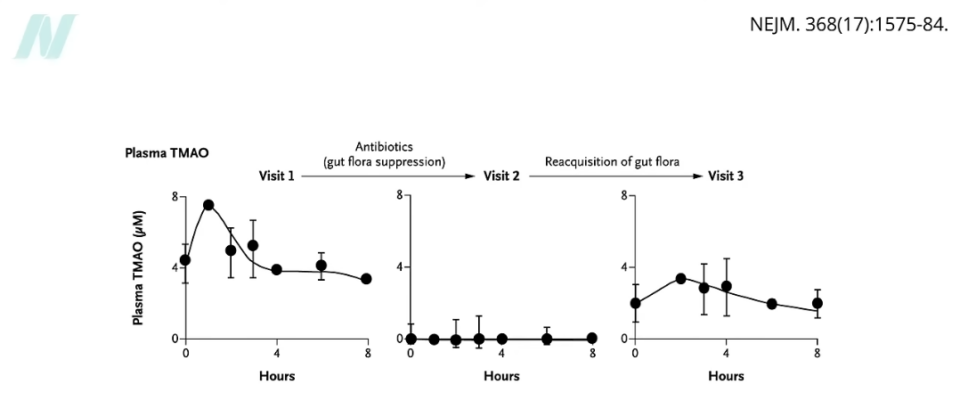
Studies have provided compelling evidence for this mechanism. For instance, research published in the New England Journal of Medicine demonstrated that consuming just two eggs can lead to a significant spike in TMAO levels in the bloodstream within hours. This effect is not immediate; it is contingent upon the presence of specific gut bacteria capable of carrying out this metabolic conversion. In a striking experimental design, individuals were given a week-long course of antibiotics to deplete their gut flora. Upon subsequent egg consumption, no significant increase in TMAO was observed. However, as their gut bacteria began to repopulate over the following month, the capacity to produce TMAO from eggs was restored. This highlights the indispensable role of the gut microbiome in mediating the health implications of dietary carnitine and choline.
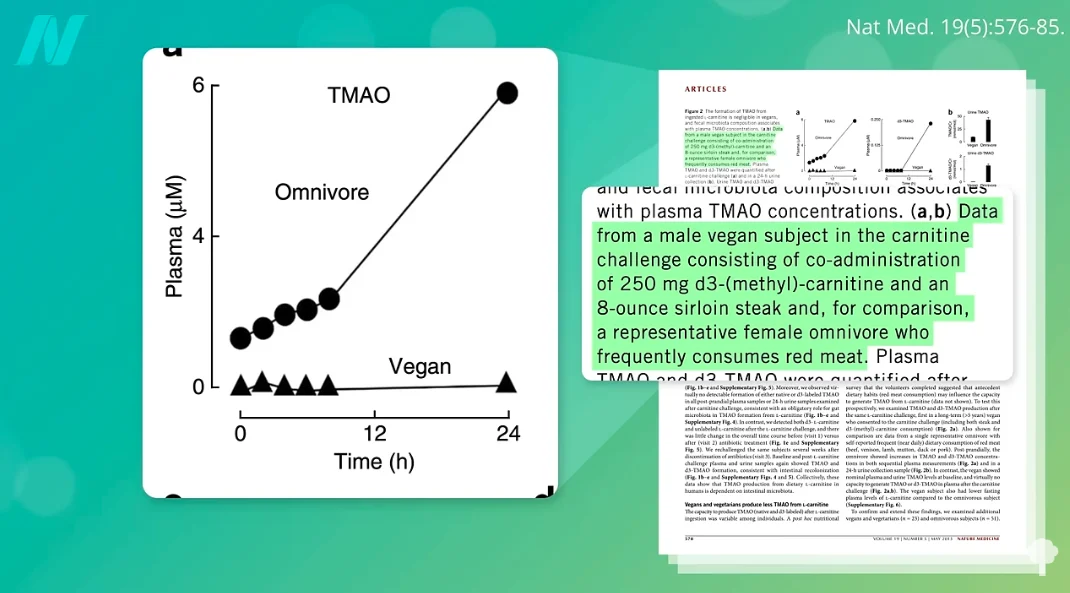
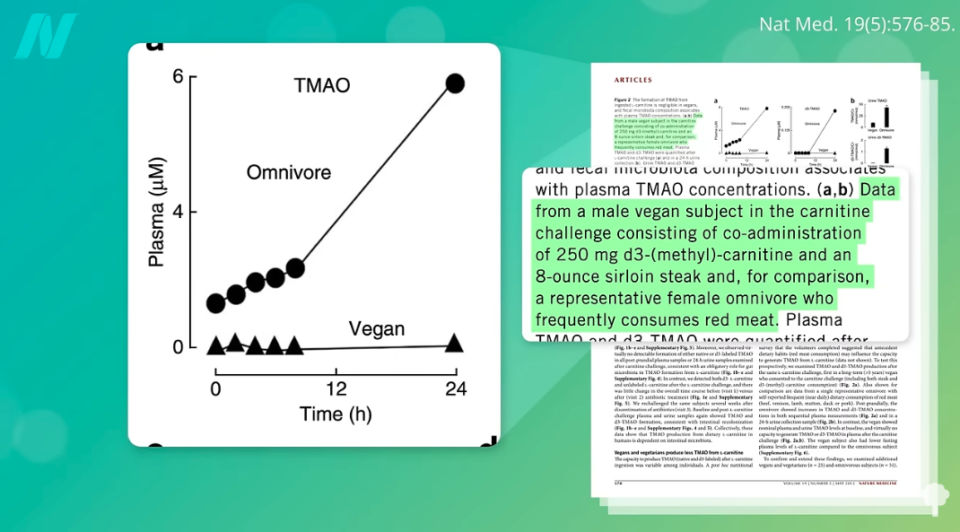
The impact of meat consumption mirrors these findings. An intake equivalent to an 11-ounce steak has been shown to elevate TMAO levels in the blood. Similar to the egg studies, when individuals consumed the same amount of meat following a week of antibiotic treatment, their TMAO levels remained largely unaffected. This underscores a critical principle: the detrimental health effects associated with TMAO production require the synergistic action of both the dietary precursors (found in animal products) and the specific gut bacteria that can metabolize them. This explains why individuals following a vegan diet, who typically lack the "meat-eating bugs" in their gut, can consume animal products like sirloin steak without experiencing a subsequent increase in TMAO. Their unique gut microbial composition prevents the metabolic pathway that leads to TMAO formation.
The Protective Power of Plant-Based Diets: Short-Chain Fatty Acids
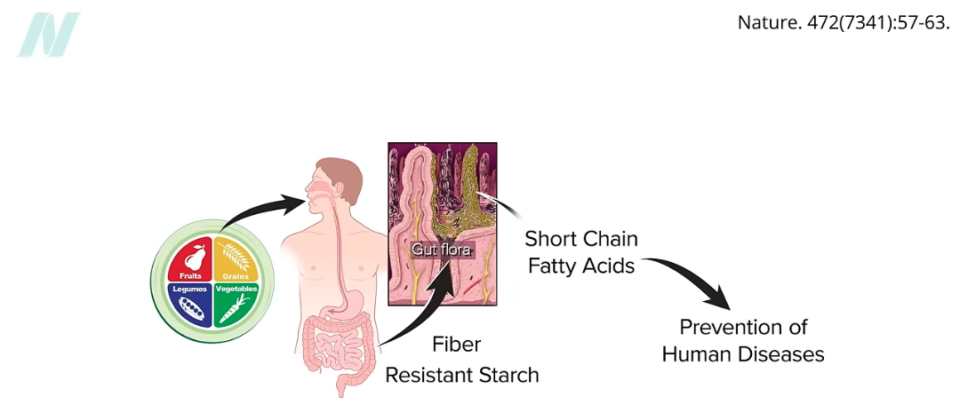
Conversely, the interaction between our gut flora and a diet rich in whole plant foods – such as fruits, vegetables, whole grains, beans, nuts, and seeds – yields beneficial outcomes. These plant-based foods are abundant in dietary fiber and resistant starch, which serve as fuel for beneficial gut bacteria. Through their fermentation, these bacteria produce short-chain fatty acids (SCFAs), a group of compounds with potent health-promoting properties.
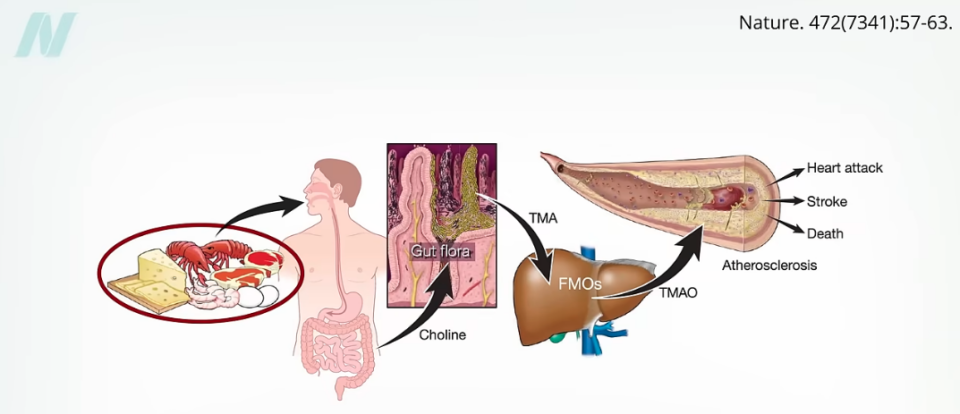
SCFAs, notably butyrate, have been implicated in a wide array of physiological benefits. They play a crucial role in maintaining the integrity of the gut lining, effectively "sealing" a leaky gut. Furthermore, SCFAs possess anti-inflammatory properties, can help regulate appetite and prevent weight gain, improve insulin sensitivity, accelerate fat loss, and have demonstrated anti-cancer potential.
The production of these beneficial SCFAs, much like the detrimental effects of TMAO, is dependent on a two-pronged approach: the consumption of adequate fiber and the presence of fiber-fermenting bacteria in the gut. This symbiotic relationship is paramount for harnessing the full health advantages offered by plant-based foods.
Cultivating a Healthy Microbiome: The Role of Fiber and "Fiber-Feeding Bugs"
The efficacy of dietary fiber in promoting health can vary significantly between individuals. Research has shown that while increasing fiber intake is generally beneficial, the extent of this benefit is often dictated by the individual’s gut microbial composition. A study involving the consumption of whole barley kernels, a rich source of fiber and resistant starch, demonstrated remarkable improvements in insulin sensitivity. Within just three days of consuming approximately 30 grams of additional fiber and resistant starch daily, participants experienced a 25% improvement in their insulin levels. This means their bodies required less insulin to regulate blood sugar, effectively dampening post-meal blood sugar spikes.
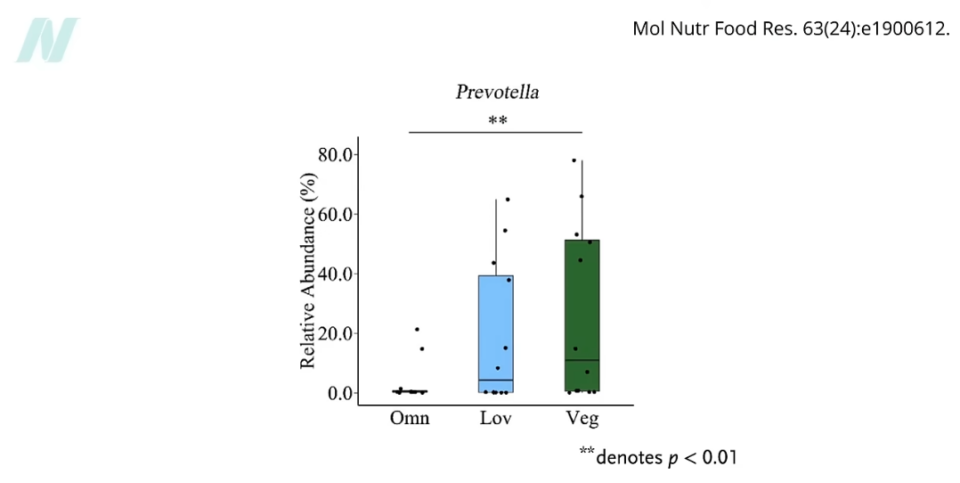
However, the study also revealed significant inter-individual variability in response. While some participants exhibited pronounced positive effects on blood sugar and insulin levels, others showed minimal or no benefit from the same dietary intervention. The researchers attributed this discrepancy to the presence or absence of specific fiber-fermenting bacteria, such as Prevotella. Individuals with a higher abundance of these "fiber-feeding bugs" were better equipped to metabolize the increased fiber intake and reap the associated health benefits.
The key to fostering a thriving population of fiber-feeding bacteria lies in consistently consuming a diet rich in plants. Studies of rural African children, who consume diets comprising approximately 97% whole foods of plant origin, reveal exceptionally high levels of Prevotella compared to children on Western diets. This heightened abundance of beneficial bacteria is reflected in the significantly higher production of SCFAs detected in their stool samples.
Dietary Patterns and Microbial Diversity: A Comparative Analysis
Research comparing gut microbial composition across different dietary patterns provides further insight. Studies in industrialized nations have indicated that habitual consumption of vegetarian and vegan diets promotes an enrichment of fiber-eating bacteria within the gut. This microbial shift may contribute to the observed differences in inflammatory profiles between omnivores and vegetarians.
One line of inquiry suggests that exposure to animal foods may foster an intestinal environment conducive to systemic inflammation and insulin resistance-related metabolic disorders, such as type 2 diabetes. The reduced levels of inflammation observed in individuals with a plant-based gut microbiota are considered a critical factor linking this microbial profile to protective health benefits.
However, the question arises whether omnivores can achieve similar benefits by simply increasing their plant intake. Evidence suggests that individuals who habitually consume meat may face certain "constraints on diet-dependent gut microbiota metabolite production." This implies that while omnivores can ingest fiber, their gut microbiome may not be as efficient at processing it compared to those who consistently consume plant-based diets. This is analogous to the vegan consuming steak – they lack the specialized microbial machinery to effectively metabolize certain dietary components.
The Saturation Point of Fiber Fermentation
The relationship between fiber intake and SCFA production is not linear indefinitely. At lower levels of fiber consumption, increasing intake generally leads to a proportional increase in beneficial SCFAs. However, a point of saturation can be reached where the available fiber-fermenting bacteria are operating at their maximum capacity. Beyond this threshold, further increases in fiber intake may yield diminishing returns in SCFA production.
Individuals who habitually consume a plant-based diet have, over time, cultivated a more robust and diverse population of fiber-feeding bacteria. This sustained dietary pattern allows for a greater capacity to ferment fiber and produce SCFAs, potentially unlocking the full spectrum of health benefits associated with these compounds. This contrasts with individuals who may sporadically increase their fiber intake without the corresponding microbial adaptation.
It is important to note that the benefits of a whole-food, plant-based diet are contingent upon the quality of the food consumed. While a plant-based diet generally promotes a diverse and beneficial microbial ecosystem, the consumption of "vegan junk food" can undermine these positive effects. A truly whole-food, plant-based diet, rich in unprocessed fruits, vegetables, whole grains, legumes, nuts, and seeds, is considered highly effective in fostering a rich and diverse gut microbiome that supports both human gut health and overall well-being.
Implications for Public Health and Disease Prevention
The scientific understanding of the gut microbiome’s intricate connection to diet and health carries profound implications for public health strategies and individual disease prevention. The evidence strongly suggests that dietary patterns significantly influence the balance of beneficial and potentially harmful microorganisms in the gut, thereby impacting susceptibility to chronic diseases.
The research on TMAO highlights the potential cardiovascular risks associated with diets high in animal products, particularly for individuals with a predisposition to heart disease. Conversely, the protective effects conferred by SCFAs produced from the fermentation of dietary fiber underscore the importance of plant-centric dietary approaches for managing metabolic health, reducing inflammation, and potentially preventing conditions such as type 2 diabetes and certain cancers.
Further research continues to unravel the complex interactions within the gut microbiome and its influence on various physiological processes. As our understanding deepens, personalized dietary recommendations tailored to an individual’s unique gut microbial profile may become increasingly feasible, offering a more targeted and effective approach to optimizing health and preventing disease. The prevailing scientific consensus points towards a diet rich in diverse, whole plant foods as a cornerstone for cultivating a healthy gut microbiome and fostering long-term well-being.

