

Your feet are the cornerstone of your physical well-being, yet they are the most overlooked part of the body when it comes to dedicated training and care. While biceps, quads, abs, and glutes often dominate our fitness routines and mental focus, the intricate network of 29 small muscles within our feet works tirelessly, performing a critical role in our overall biomechanics and longevity. This oversight can lead to cascading issues that affect everything from athletic performance to the ability to maintain independence as we age.
The human foot is a marvel of biological engineering, comprised of 26 bones, 33 joints, and over 100 muscles, tendons, and ligaments. These components work in concert to provide support, absorb shock, and propel us forward with each step. The thousands of mechanoreceptors embedded in the soles of our feet serve as constant conduits of sensory information to the brain, informing our posture, balance, and movement strategies. This complex feedback loop, essential for navigating our environment, often goes unnoticed until its function is compromised.
Dr. Courtney Conley, a chiropractic physician and recognized expert in foot and gait mechanics, emphasizes the profound connection between foot health and overall physical function. "What happens at the foot doesn’t stay at the foot," Dr. Conley states. "Dysfunction in the feet can initiate a chain reaction of compensatory patterns that manifest as pain and instability in the ankles, knees, hips, and even the spine." This phenomenon is not merely anecdotal; research consistently points to a correlation between poor foot strength and increased susceptibility to injuries, reduced athletic capabilities, and a diminished quality of life in later years.
The Longevity Equation: Foot Strength as a Predictor
The implications of neglecting foot health extend far beyond immediate comfort or athletic prowess. Emerging research and the insights of longevity experts highlight foot function as a key indicator of how well individuals will move and maintain their independence throughout their lives. Studies have indicated that declining foot strength is directly associated with a reduction in gait speed, an increased risk of falls, and a general loss of autonomy. These are not abstract concerns but tangible outcomes that can significantly impact an individual’s healthspan – the period of life spent in good health.
The subtle but persistent effects of compromised foot mechanics can accumulate over time. A weakened arch, for instance, may lead to an altered gait, placing undue stress on the knee joint, contributing to hip instability, or exacerbating chronic lower back pain. This interconnectedness underscores the importance of viewing foot health as an integral component of a comprehensive approach to long-term wellness.

A Personal Experiment in Foot Health
Recognizing this significant gap in typical wellness practices, an individual embarked on a personal experiment to integrate foot awareness and care into their daily routine. This was not a highly regimented program but rather a conscious effort to re-prioritize the foundational elements of movement over a period of one month. The goal was to observe any noticeable changes in sensation, performance, and overall well-being.
The experiment involved several key components, each designed to address common issues stemming from modern footwear and sedentary lifestyles:
Embracing Toe Spacers for Natural Alignment
The first step involved incorporating toe spacers, particularly during evening relaxation periods. Initially, the sensation of the spacers was described as uncomfortable, a stark contrast to the accustomed compression of toes within traditional footwear. This unfamiliarity served as a wake-up call, prompting a reflection on the visual evidence of compressed toes seen in elite athletes, a potential consequence of years of intense training and restrictive shoes. The intention was to proactively counter this trend, aiming to preserve natural toe alignment and function for the long term. Over the course of two weeks, the initial discomfort subsided, replaced by an anticipation of the relief and restorative sensation provided by the spacers, especially after activities involving significant foot exertion.
Integrating Foot-Specific Strength Training
The integration of foot-specific strength work was approached with a focus on practicality and accessibility. This involved exercises such as slow, eccentric calf raises (emphasizing the lowering phase for muscle engagement), short-foot exercises to strengthen the intrinsic foot muscles, and deliberate attempts at independent toe movement. Barefoot balance drills were also included. Many of these exercises could be performed while standing at a desk or during moments of downtime, minimizing any perceived barrier to implementation. The surprising discovery was the inherent difficulty of some of these exercises, particularly the toe isolation movements, highlighting a significant lack of prior engagement and training of these muscles.
Eliminating House Slippers for Ground Connection
A conscious decision was made to forgo the use of house slippers, a practice that, while seemingly minor, aimed to increase the foot’s direct engagement with the ground. The intention was to encourage the activation of intrinsic foot muscles rather than allowing them to remain passive within cushioned footwear. Given that outdoor barefoot activity is often limited in urban environments, increasing barefoot time at home became a readily achievable change. Furthermore, the practice of training in socks, particularly during single-leg exercises and squats, was adopted to enhance proprioception and muscle activation.
Conducting a Footwear Audit for Functional Alignment
A thorough review of everyday footwear was undertaken, focusing on shoes worn for extended periods, such as walking shoes and training shoes. The audit prioritized the assessment of the toe box shape, the degree of cushioning, and the overall structural integrity of the footwear. A significant observation was the tendency of modern footwear to prioritize superficial comfort over functional design.
Dr. Conley elaborates on this point: "Highly cushioned running shoes can dampen the sensory feedback from the mechanoreceptors in the feet. This reduction in proprioception leads to a less stable base, diminishing the brain’s ability to accurately perceive the body’s position in space." This diminished sensory input, especially under load during activities like squats, lunges, or lateral movements, can create subtle instabilities that propagate upwards through the kinetic chain – the ankle, knee, hip, and spine. Over years and decades, this cumulative effect can contribute to a range of musculoskeletal issues.
With this understanding, the experiment involved testing different types of footwear designed to promote better foot function.
-
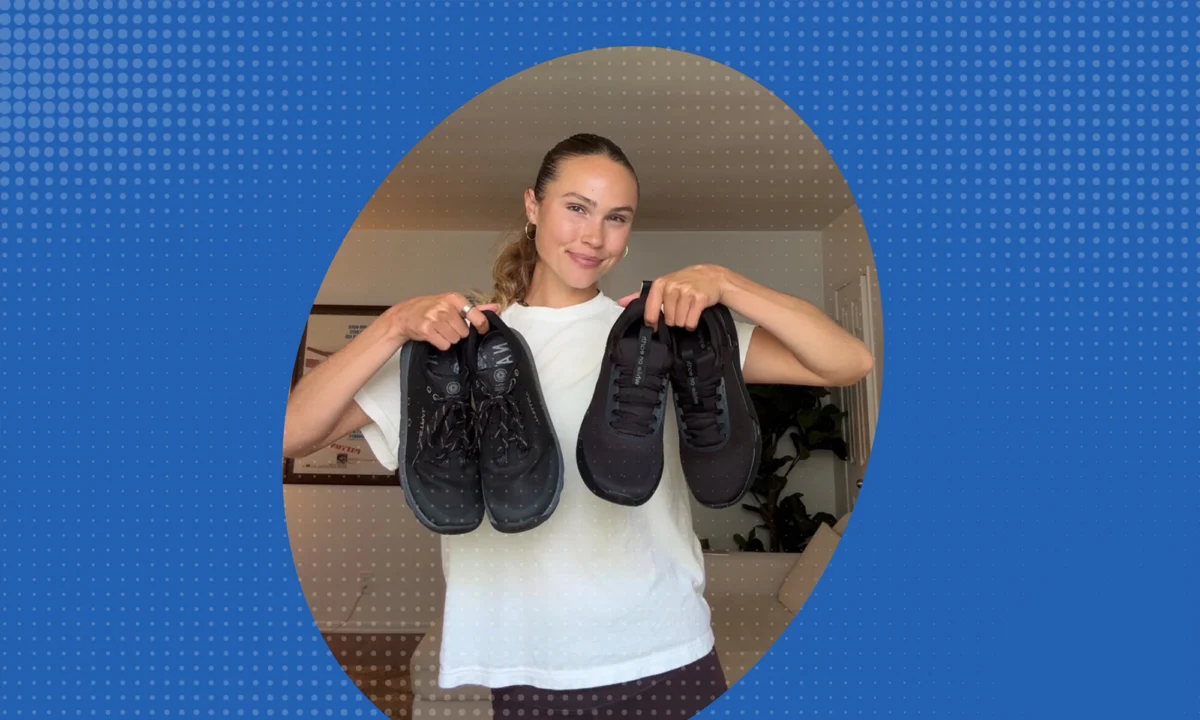
The Astral TR1 Sensi HT: This shoe was chosen for its wide toe box, a feature that immediately became apparent after experiencing the confinement of previous footwear. The ability for toes to splay naturally offered a significant improvement in comfort and awareness. These shoes are zero-drop, constructed with natural fibers, and designed to maximize ground feel while retaining adequate support. They were incorporated into the routine for walks, errands, and lighter training days. A gradual transition was advised, allowing the feet to adapt to the zero-drop design and increased ground contact.
-
The while on earth Move Trainer: This shoe was selected for more active days and higher-impact training. It features a wider toe box, a characteristic now highly valued, and a 6mm heel-to-toe drop, offering a minimal yet slightly more cushioned profile than the Astrals. This additional cushioning was found to be beneficial on days with more intense physical activity. The Move Trainer proved versatile, being chosen not only for workouts but also for extended walks.
The combined use of these two types of footwear covered a wide range of daily activities. A notable outcome of this footwear experiment was the realization that returning to previous footwear felt like a downgrade. The stark contrast in sensation and the awareness of previously unnoticed toe compression highlighted the significant benefits derived from more anatomically aligned shoes.
Notable Changes Observed After One Month
The month-long experiment yielded several noticeable, albeit not dramatic, changes:
- Enhanced Stability: A greater sense of stability was reported during single-leg exercises, such as split squats and Romanian deadlifts, where balance is paramount.
- Reduced Foot Fatigue: After prolonged periods of walking, running, or engaging in sports like pickleball, there was a marked decrease in foot fatigue.
- Improved Ground Connection: During heavy lifts at the gym, a stronger sense of control and a more grounded connection to the floor were experienced.
- Increased Body Awareness: The most significant shift was a heightened awareness of posture, weight distribution, and the role of footwear in overall movement. This led to a greater sense of grounding and an improved ability to make subtle adjustments when movement felt suboptimal.
Recommendations for Prioritizing Foot Health

Based on this experience and expert insights, the following recommendations are offered for individuals seeking to improve their foot health:
- Gradual Transition to Minimalist Footwear: When considering shoes with wider toe boxes and lower heel-to-toe drops, a gradual transition is crucial to allow the feet and supporting structures to adapt.
- Incorporate Daily Foot Exercises: Simple exercises like toe splaying, calf raises with an eccentric focus, and barefoot balance drills can be integrated into daily routines.
- Increase Barefoot Time: When safe and practical, spending time barefoot at home can stimulate intrinsic foot muscles and improve proprioception.
- Mindful Footwear Selection: Pay attention to the shape of shoe toe boxes, the amount of cushioning, and the overall support provided. Consider shoes that allow toes to splay naturally and offer a more direct connection to the ground.
- Listen to Your Body: Be attentive to any discomfort or fatigue in the feet and ankles, as these can be early indicators of underlying issues.
Conclusion: Building a Stronger Foundation for Life
The pursuit of physical fitness and longevity often focuses on the visible and measurable aspects of the body – muscles that can be seen in the mirror or the weight lifted. However, the foundation upon which all of these efforts are built is often overlooked. The 29 small muscles, 26 bones, and complex feedback system of the feet play an indispensable role in our ability to move, perform, and maintain our independence.
Whether the goal is to achieve athletic milestones, embrace a healthy lifestyle, or simply navigate daily life with greater ease and resilience, the health of our feet is paramount. By dedicating attention and care to this often-neglected foundation, individuals can significantly enhance their overall well-being and build a more robust and enduring platform for a lifetime of movement and vitality. The literal ground beneath us supports our every endeavor, making foot health a critical, yet often underestimated, component of comprehensive health.

