

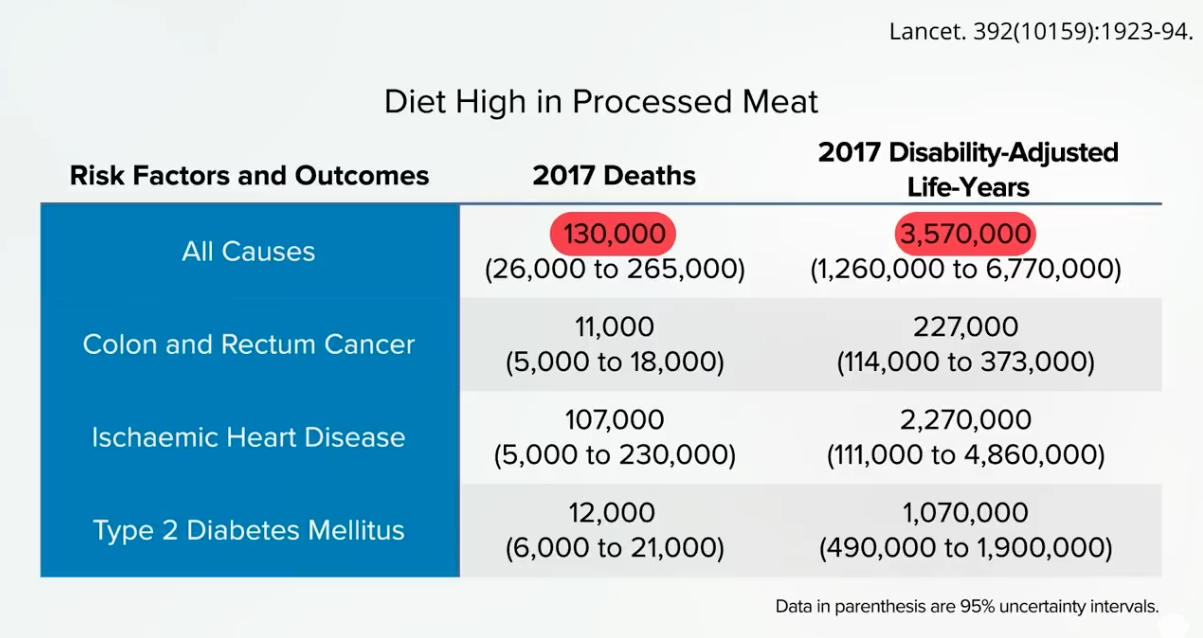
The Global Burden of Disease Study, a comprehensive and authoritative research initiative, has underscored the significant public health implications of diets high in processed meats, revealing that these food items may contribute to over 100,000 deaths annually worldwide. This substantial mortality toll is primarily attributed to cardiovascular disease, with cancer and diabetes also playing significant roles. The study’s findings, which highlight the loss of millions of healthy years of life each year, provide a stark warning regarding the pervasive impact of dietary choices on global health outcomes. This alarming data emerges as the scientific community continues to grapple with evolving dietary recommendations and the influence of industry-backed research on public health guidance.
Background and the Evolution of Dietary Guidance
For decades, dietary guidelines have been a cornerstone of public health strategies aimed at preventing chronic diseases. However, the landscape of nutritional science is dynamic, with new research frequently challenging established norms. A notable recent development was the publication of a series of papers in the Annals of Internal Medicine by the NutriRECS (Nutrition and Lifestyle Evidence Consortium) group. These studies, which analyzed existing evidence on red and processed meat consumption, controversially suggested that for the general adult population, reductions in red and processed meat intake were associated with only a small, possibly negligible, reduction in the risk of premature death.
This interpretation, however, was met with significant criticism from a broad spectrum of public health experts and organizations. Critics argued that the NutriRECS panel employed a flawed methodology, selectively interpreted data, and downplayed the cumulative evidence linking meat consumption to adverse health outcomes. A prominent critique, penned by the chair of nutrition at Harvard University and colleagues, stated that the NutriRECS recommendations "suffer from important methodological limitations and involve misinterpretations of nutritional evidence." These experts advocated for dietary guidelines that continue to emphasize plant-based eating patterns, rich in fruits, vegetables, whole grains, nuts, and legumes, while limiting red and processed meats.
Quantifying Risk: The Concept of Microlives
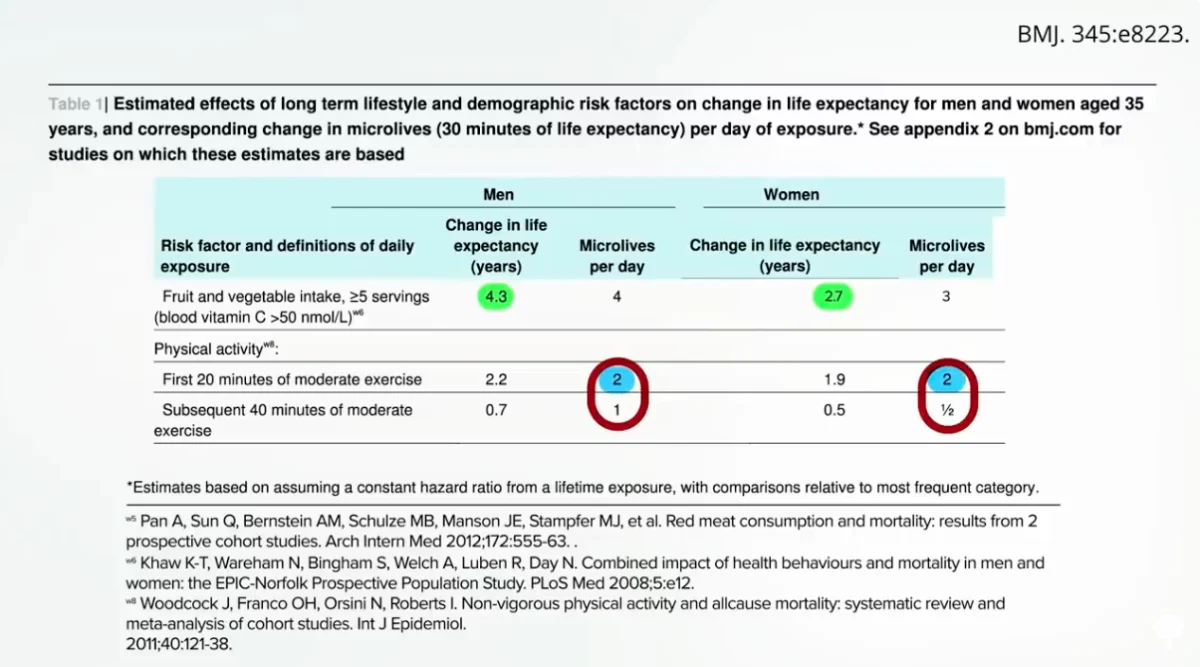
To better comprehend the magnitude of these health risks, particularly the subtle, long-term effects of lifestyle choices, researchers have developed concepts like "microlives." A microlife is defined as a reduction of 30 minutes from one’s life expectancy. This unit provides a tangible way to compare the impact of various chronic risks, such as smoking, unhealthy eating, and sedentary behavior, against immediate dangers.
For instance, studies suggest that drinking a pint of strong beer can reduce life expectancy by approximately the same amount as smoking a single cigarette. This framing allows individuals to make more informed decisions about their daily habits. The implication is that if engaging in behaviors that incur such risks, like smoking twice a day, is considered unthinkable due to its detrimental effect on health, then other behaviors with comparable impacts, such as maintaining a significant weight excess, should also be viewed with equal concern.
The Toll of Processed Meats: A Deeper Dive
The Global Burden of Disease Study provides critical data that informs the microlife framework. Diets heavily reliant on processed meats, including bacon, ham, hot dogs, lunch meat, and sausages, are implicated in a significant number of premature deaths. The mechanisms driving these outcomes are complex and multifaceted, but a strong correlation exists with the development of cardiovascular diseases, which remain the leading cause of mortality globally. Furthermore, processed meat consumption has been linked to an increased risk of certain types of cancer, particularly colorectal cancer, and can contribute to the development of type 2 diabetes.

The Union of Concerned Scientists has estimated that if Americans were to reduce their processed meat consumption to just one ounce per week, thousands of cancer deaths could be averted annually. This statistic, while focused on a population level, underscores the profound impact of even modest dietary shifts.
The Microlife Equivalent of Meat Consumption
Applying the microlife concept to meat consumption offers a stark illustration of its health cost. Research indicates that the consumption of a single burger is associated with the loss of approximately one microlife, equating to about 30 minutes of life expectancy. In essence, each burger can be viewed as a consumption of 30 minutes of one’s lifespan. This equivalence suggests that, in terms of lifespan impact, one burger can be comparable to smoking two cigarettes. This perspective reinforces the initial framing of the article: if smoking before and after lunch is deemed unacceptable for health-conscious individuals, then choosing a less detrimental dietary option, such as a bean burrito over a meaty one, becomes a more logical choice.
Processed meats, due to their higher levels of sodium, nitrates, nitrites, and other additives, are often considered even more detrimental than unprocessed red meats. While specific microlife equivalencies for various processed meats are still being elucidated, the general consensus points to a greater health burden associated with these products. This is supported by studies linking processed meat consumption to increased risks of heart disease, cancer, and mortality.
The Benefits of Plant-Based Alternatives
In contrast to the risks associated with meat consumption, adopting dietary patterns that prioritize plant-based foods offers significant health benefits and can extend lifespan. For example, consuming at least five servings of fruits and vegetables daily has been shown to add an average of four years to a man’s lifespan and three years to a woman’s. This benefit can be up to twice as significant as that gained from daily exercise.
The impact of exercise on longevity further illustrates the power of lifestyle choices. Exercising for 20 minutes can potentially add an hour of life, representing a two-microlife gain. This translates to a remarkable 3-to-1 return on investment, where individuals invest 20 minutes of their time to gain 60 minutes of life expectancy. Even engaging in an hour of exercise daily can result in gaining more time than is expended. These findings, often visualized through graphics depicting the "speed of aging" and microlives, highlight the substantial and often underestimated benefits of a healthy lifestyle.
Broader Implications and Expert Reactions
The ongoing debate surrounding meat consumption and health guidelines has significant public health implications. The controversy surrounding the NutriRECS papers highlights the challenges in establishing clear and universally accepted dietary recommendations, particularly when faced with conflicting research interpretations and potential industry influence.
Dr. Dean Ornish, a prominent advocate for plant-based diets and founder of the Lifestyle Heart Trial, has been a vocal critic of the Annals of Internal Medicine meat papers. He points out that the NutriRECS panel overlooked extensive research, including his own groundbreaking trial, which demonstrated that comprehensive lifestyle changes, including a predominantly plant-based diet, could not only halt but reverse the progression of severe coronary heart disease. In contrast, a control group that made only modest reductions in meat consumption, similar to the recommendations in the Annals review, experienced a worsening of their atherosclerosis. Dr. Ornish’s cautionary statement, "Caveat emptor. Don’t be fooled. Your life may depend on it," serves as a potent reminder for individuals to critically evaluate dietary advice and prioritize evidence-based, health-promoting practices.
The call for dietary guidelines to emphasize patterns low in red and processed meats and high in minimally processed plant foods—such as fruits, vegetables, whole grains, nuts, and legumes—is a consistent message from major health organizations. This includes beans, split peas, chickpeas, and lentils, which are rich in fiber, vitamins, minerals, and antioxidants, and are associated with improved cardiovascular health, better weight management, and a reduced risk of chronic diseases.
Conclusion: Informed Choices for Enhanced Longevity
In conclusion, the evidence presented by the Global Burden of Disease Study and further elucidated through frameworks like microlives, strongly suggests that a significant reduction in processed meat consumption is a crucial step towards improving global health and increasing longevity. While the scientific discourse on nutrition continues to evolve, a consensus remains among many public health experts regarding the benefits of a diet rich in whole, plant-based foods. The concept of microlives provides a valuable tool for individuals to contextualize the impact of their daily choices, empowering them to make informed decisions that can lead to longer, healthier lives. The choice between a meaty or bean burrito, or the decision to refrain from smoking, are micro-decisions that, when aggregated, have macro-level impacts on individual and public well-being.
Doctor’s Note:
For those intrigued by the concept of quantifying health risks and comparing various lifestyle choices, further exploration of "micromorts" is recommended. A micromort represents a one-in-a-million chance of sudden death and offers another perspective on risk assessment, particularly for acute dangers. A video exploring micromorts, such as the risks associated with anesthesia, can provide a deeper understanding of these comparative risk metrics.
This article concludes an eight-part series examining the influence of various industries on dietary and health guidelines. Readers are encouraged to review related posts to gain a comprehensive understanding of the factors shaping nutritional advice. Additionally, resources on longevity, including strategies to potentially increase life expectancy by 12 to 14 years, are available for further study.

