

In an era defined by demanding schedules and the constant pursuit of efficiency, the fitness landscape has increasingly gravitated towards methodologies that deliver maximum results in minimal time. Science has emphatically endorsed compound exercises as a cornerstone of such high-efficiency training, proving them to be a profoundly effective strategy for individuals aiming to elevate their fitness to unprecedented levels. This approach leverages the body’s natural biomechanics to engage multiple muscle groups and joints simultaneously, fostering comprehensive strength, enhanced metabolic activity, and superior caloric expenditure compared to traditional isolation movements.
Understanding the Core: What Are Compound Exercises?
At the fundamental level of exercise physiology, movements can be broadly categorized into two types: isolation and compound. Isolation exercises are designed to target a single muscle group across a single joint, such as a bicep curl (targeting biceps at the elbow joint) or a leg extension (targeting quadriceps at the knee joint). While these have their place in specific training contexts, particularly for bodybuilding or rehabilitation, their scope is inherently limited.
Compound exercises, in stark contrast, involve the coordinated action of multiple muscle groups across multiple joints. Consider a squat: it engages the quadriceps, hamstrings, glutes, core, and even the lower back, utilizing movement at the hip, knee, and ankle joints. This multi-joint, multi-muscle recruitment is the defining characteristic and the primary driver of their superior efficacy. From pushing movements like push-ups and bench presses to pulling movements like rows and pull-ups, and lower body staples like squats and deadlifts, compound exercises mimic natural human movement patterns, making them inherently functional.
The Scientific Validation: A Paradigm Shift in Fitness Efficiency
The assertion that compound exercises are "3.5x more efficient" than regular workouts is rooted in a robust body of scientific research exploring metabolic expenditure, hormonal responses, and long-term physiological adaptations. This efficiency stems from several key physiological advantages:
Firstly, the engagement of larger muscle mass demands significantly more energy from the body. When multiple large muscle groups are working concurrently, the caloric burn during the exercise session is substantially higher. This elevated energy demand translates directly into more calories expended per unit of time compared to exercises that isolate smaller muscle groups.
Secondly, compound movements trigger a more pronounced post-exercise oxygen consumption (EPOC), often referred to as the "afterburn effect." EPOC represents the elevated rate of oxygen intake following strenuous activity, which is required to restore the body to its pre-exercise state. Because compound exercises are more metabolically demanding, they lead to a greater and longer-lasting EPOC, meaning the body continues to burn calories at an accelerated rate even after the workout has concluded. Studies, such as those by Garber et al. (2011) and other research on high-intensity interval training (HIIT) protocols, which often heavily feature compound movements, underscore this metabolic advantage.
Thirdly, compound exercises are potent stimulators of anabolic hormones, including testosterone and growth hormone. These hormones are crucial for muscle protein synthesis, tissue repair, and overall metabolic health. Engaging a larger proportion of the body’s musculature through challenging compound movements creates a greater physiological stress, prompting a more significant hormonal response that is conducive to muscle growth and fat loss. Research by Andrews E. (2015) and others has consistently shown that multi-joint exercises elicit a greater acute hormonal response than single-joint movements.
A Historical Perspective: From Ancient Athletics to Modern Science
The principles underpinning compound exercises are not novel; they have been implicitly understood and practiced for millennia. Ancient Greek athletes, Roman gladiators, and traditional strongmen throughout history primarily engaged in movements that required coordinated full-body effort, such as lifting heavy stones, wrestling, and performing calisthenics. Their training was inherently functional, designed to build strength, endurance, and agility relevant to their physical challenges.
The mid-20th century saw a significant shift with the popularization of bodybuilding and the proliferation of exercise machines. This era often emphasized isolating individual muscles for hypertrophy (muscle growth), leading to a perception that isolation exercises were the primary path to fitness. Gyms became filled with specialized equipment designed to target every conceivable muscle group in isolation.
However, as exercise science matured and the understanding of biomechanics, metabolism, and functional strength deepened in the late 20th and early 21st centuries, there has been a resurgence in the appreciation for compound movements. Sports scientists, kinesiologists, and strength and conditioning coaches increasingly advocated for the integration of foundational lifts like squats, deadlifts, and presses. This modern validation, bolstered by empirical data, has firmly re-established compound exercises as a cornerstone of effective and efficient training programs for athletes and general fitness enthusiasts alike.
The Multifaceted Benefits: Beyond Calorie Burning
While the efficiency in caloric expenditure is a compelling advantage, the benefits of compound exercises extend far beyond:
- Enhanced Functional Strength: By training muscles to work synergistically, compound exercises build strength that is directly transferable to real-life activities. Lifting groceries, climbing stairs, playing sports, or performing daily tasks become easier and safer. This is crucial for overall quality of life and injury prevention.
- Improved Coordination and Balance: The complex nature of compound movements requires greater neuromuscular coordination. The body learns to stabilize itself and move efficiently through space, leading to improved balance and proprioception (the sense of where your body is in space).
- Increased Bone Density: Weight-bearing compound exercises, particularly those involving axial loading (like squats and deadlifts), place stress on bones, stimulating osteogenesis (bone formation). This is vital for combating osteoporosis and maintaining skeletal health, especially as we age.
- Time Efficiency: For individuals with limited time, compound exercises offer a complete workout in a shorter duration. A single session focusing on a few key compound movements can effectively train the entire body, making them ideal for busy professionals or parents.
- Greater Muscle Growth (Hypertrophy): The significant mechanical tension and metabolic stress generated by compound movements, coupled with the hormonal response, create an optimal environment for muscle growth across multiple areas simultaneously.
- Cardiovascular Health: Many compound exercises, especially when performed with adequate intensity and minimal rest, can significantly elevate heart rate and improve cardiovascular endurance, blurring the lines between strength training and cardio.
- Boosted Metabolism: Beyond the immediate EPOC effect, building more muscle mass through compound training inherently increases your basal metabolic rate (BMR). Muscle tissue is metabolically more active than fat tissue, meaning a more muscular body burns more calories at rest.
Essential Compound Exercises: Building a Foundation
The beauty of compound exercises is that many can be performed with minimal or no equipment, making them accessible to a wide audience. Here are five foundational movements that offer a comprehensive full-body workout:
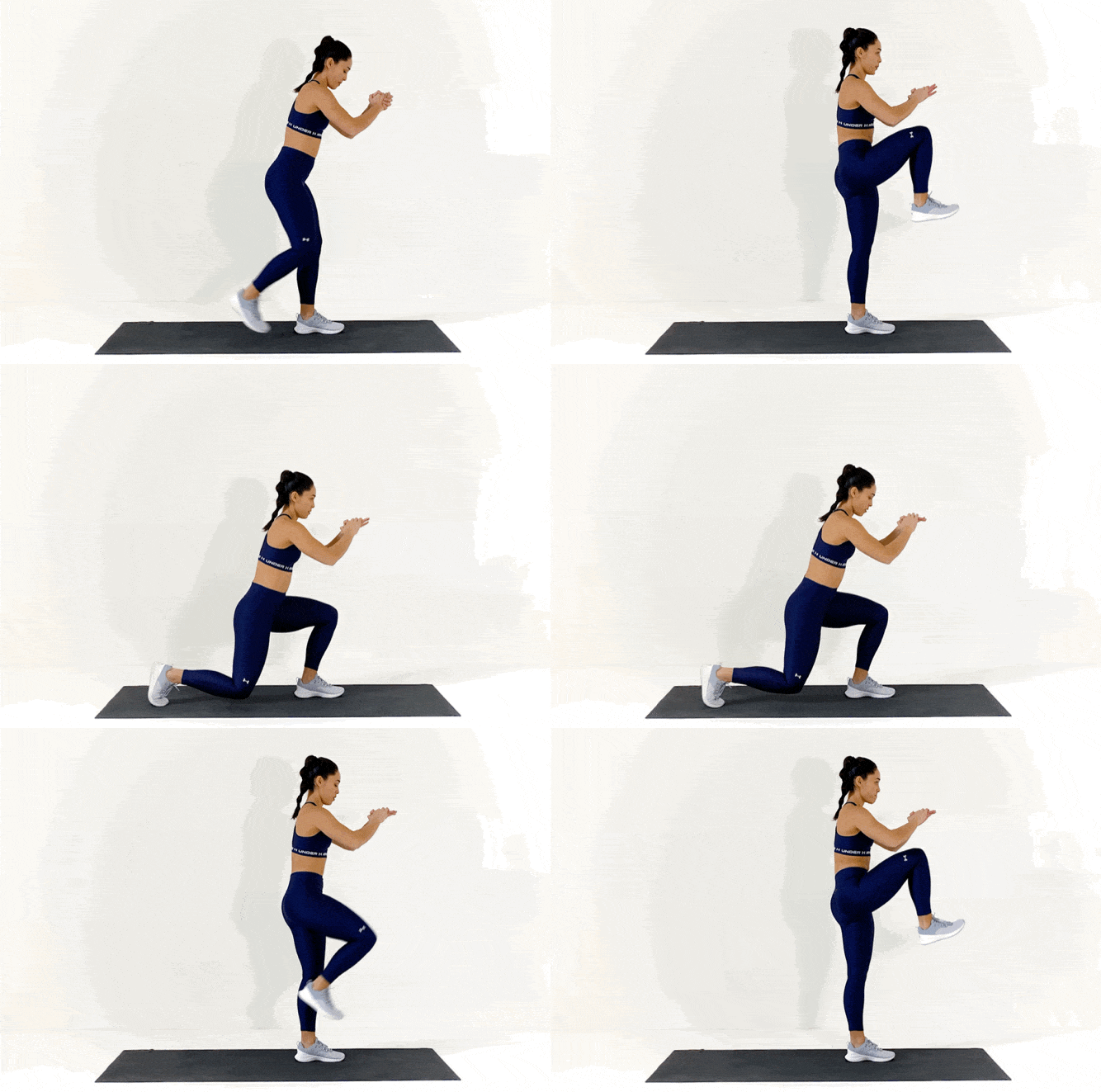
1. Reverse Lunge with a Knee Drive
This dynamic exercise targets the glutes, quadriceps, and hamstrings, while the knee drive adds a powerful core and hip flexor component, also elevating heart rate for a cardio benefit.
- Execution:
- Start standing tall, feet hip-width apart.
- Step one leg back into a reverse lunge, lowering until both knees are bent at approximately 90 degrees. Ensure your front knee is stacked over your ankle and your back knee hovers just above the ground.
- Push through your front heel to powerfully stand up, simultaneously driving the back knee forward and up towards your chest.
- Control the movement as you return the leg to the starting position or directly into the next reverse lunge.
- Muscles Targeted: Quadriceps, hamstrings, glutes, hip flexors, core.
- Progression: Hold dumbbells in each hand to increase resistance.
- Regression: Perform a standard reverse lunge without the knee drive until balance and strength improve.
2. Burpees
Often dubbed the "ultimate full-body exercise," the burpee combines a squat, push-up, and jump into a single, fluid movement, challenging strength, endurance, and coordination.
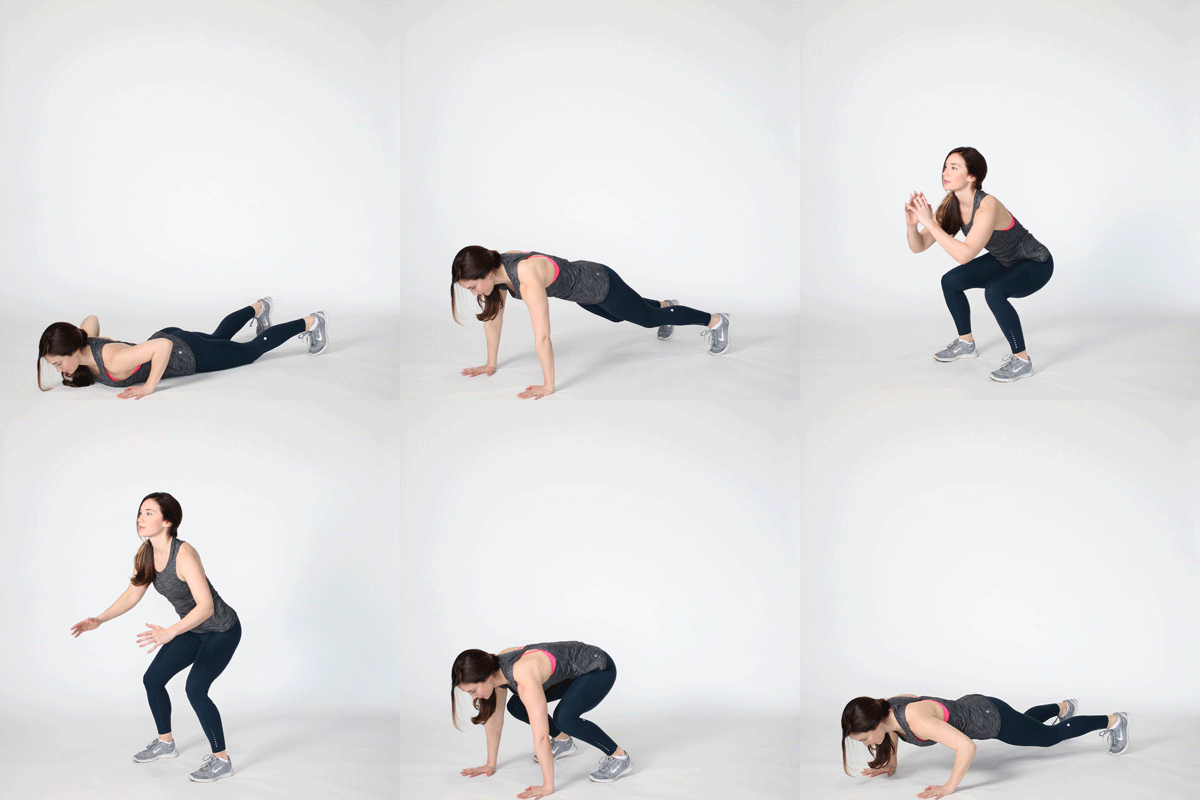
- Execution:
- Start in a standing position.
- Squat down and place your hands on the floor in front of you.
- Kick your feet back into a plank position.
- Perform a push-up (optional, but highly recommended for full benefit).
- Jump your feet back to your hands, returning to a squat position.
- Explosively jump up, reaching your hands overhead.
- Muscles Targeted: Quadriceps, hamstrings, glutes, chest, triceps, shoulders, core, hip flexors.
- Progression: Increase speed, add a tuck jump, or perform a deeper push-up.
- Regression: Remove the push-up or the final jump, stepping feet back one at a time instead of jumping.
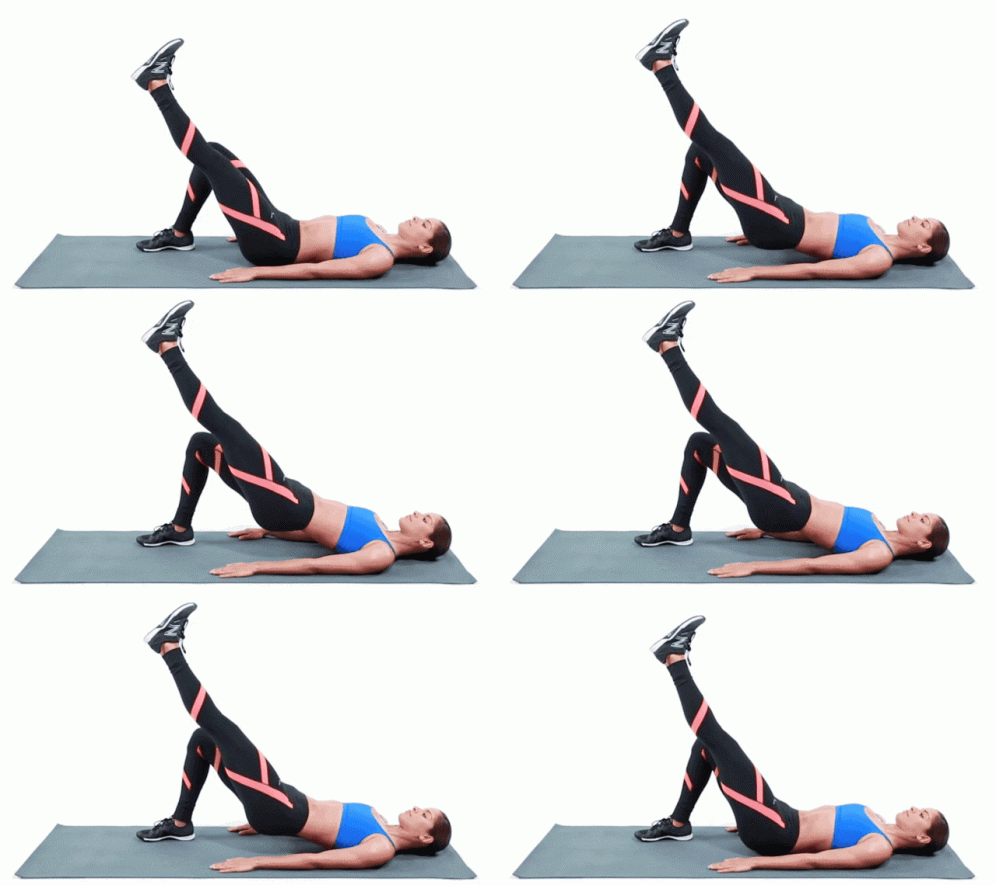
3. Single-Leg Bridge
This exercise effectively isolates and strengthens the glutes and hamstrings, while also challenging core stability and balance.
- Execution:
- Lie on your back with knees bent, feet flat on the floor, and arms by your sides.
- Extend one leg straight towards the ceiling.
- Engage your glutes and core, then push through the heel of your grounded foot to lift your hips off the floor until your body forms a straight line from your shoulders to your knee.
- Hold briefly at the top, squeezing your glutes, then slowly lower your hips back down.
- Repeat 10-12 times on each side.
- Muscles Targeted: Glutes, hamstrings, core.
- Progression: Place a weight plate on your hips, or elevate the grounded foot on a low step.
- Regression: Perform a standard two-leg glute bridge.
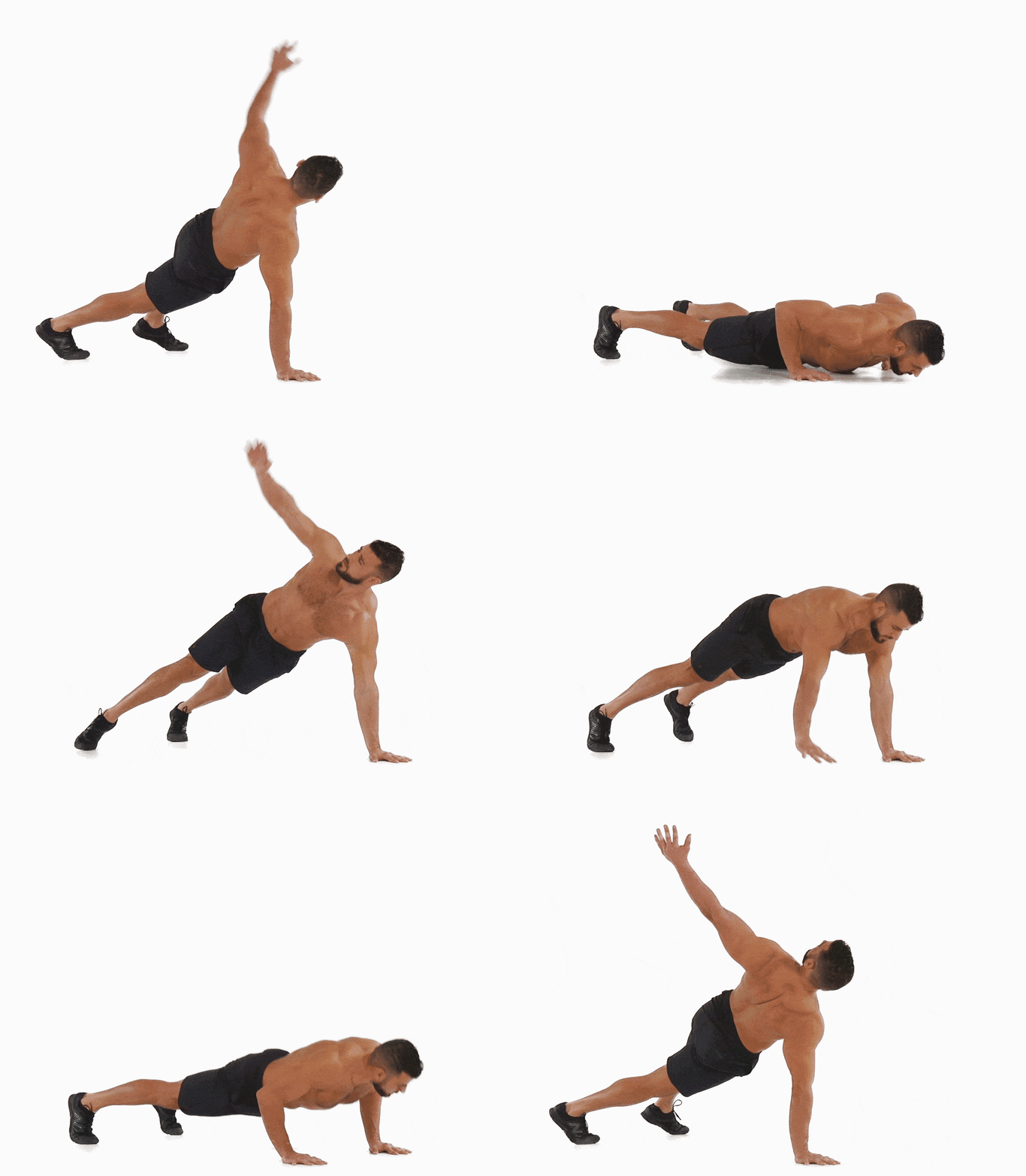
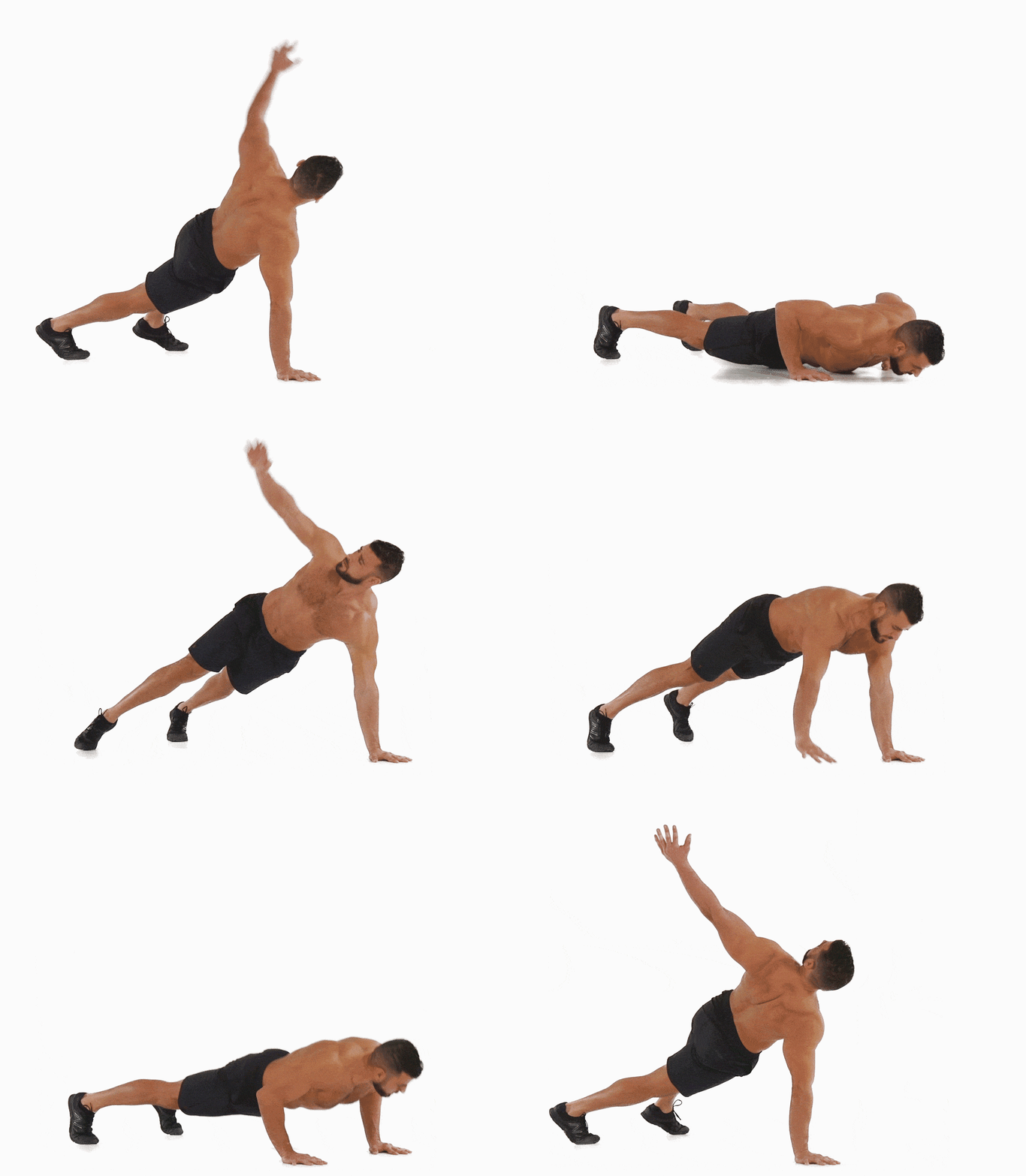
4. Push-Up and Rotate
This variation of the classic push-up enhances upper body strength while adding a rotational core element, improving shoulder stability and oblique engagement.
- Execution:
- Start in a push-up position, hands slightly wider than shoulder-width apart, body in a straight line.
- Perform a push-up, lowering your chest towards the floor.
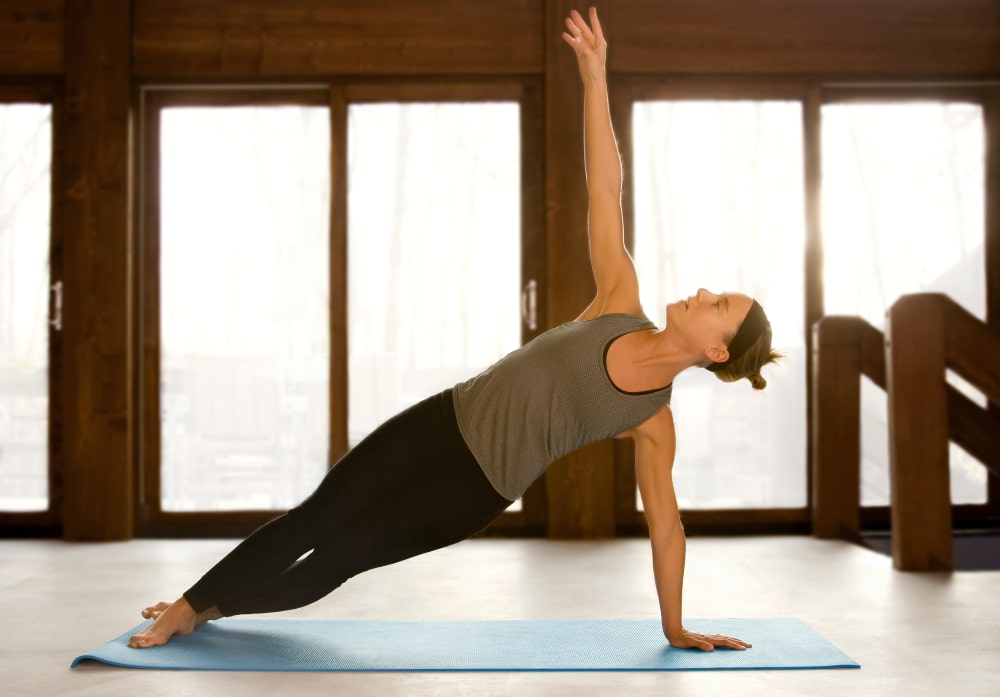
- As you push back up, rotate your body to one side, extending one arm towards the ceiling in a side plank position.
- Return to the push-up position and repeat on the other side.
- Continue alternating for a total of 10-12 reps (5-6 rotations per side).
- Muscles Targeted: Chest, shoulders, triceps, core (obliques), upper back.
- Progression: Increase the number of repetitions or slow down the tempo.
- Regression: Perform push-ups on your knees, then rotate, or perform standard push-ups without the rotation.
5. Air Squat
The air squat is a fundamental movement pattern that builds strength in the lower body and core, and is a prerequisite for more complex movements.
- Execution:
- Stand with feet shoulder-width apart, toes pointed slightly outwards.
- Keep your chest up and back straight, engage your core.
- Initiate the movement by pushing your hips back as if sitting in a chair, simultaneously bending your knees.
- Lower yourself until your thighs are at least parallel to the ground, or as deep as your mobility allows without compromising form.
- Push through your heels to return to the starting position, squeezing your glutes at the top.
- Muscles Targeted: Quadriceps, hamstrings, glutes, core.
- Progression: Add a jump at the top (jump squat), or hold a weight (goblet squat).
- Regression: Perform partial squats, or use a chair to squat to for depth control.
Safety First: Mastering Technique and Progressive Overload
While the benefits of compound exercises are undeniable, proper form is paramount to harness these advantages and prevent injury. Due to the multi-joint nature of these movements, incorrect technique can place undue stress on joints and connective tissues.
Working with an Expert: For those new to compound exercises, or even experienced individuals looking to refine their form, consulting a certified personal trainer or an experienced coach is highly recommended. An expert can:
- Observe and Correct Form: Provide real-time feedback and cues to ensure proper biomechanics.
- Teach New Techniques: Break down complex movements into manageable steps.
- Spot Potential Problems: Identify weaknesses or imbalances that could lead to injury.
- Personalize Programming: Design a program tailored to individual fitness levels, goals, and any pre-existing conditions.
Progressive Overload: The principle of progressive overload is crucial for continued adaptation and strength gains. This means gradually increasing the demands placed on the body over time. For compound exercises, this can involve:
- Increasing Repetitions: Performing more reps per set.
- Increasing Sets: Adding more sets to your workout.
- Increasing Weight/Resistance: For exercises where equipment is used (e.g., dumbbells for lunges).
- Decreasing Rest Time: Between sets, to increase metabolic demand.
- Increasing Exercise Difficulty: Moving from a regression to the full movement, or adding a plyometric element.
- Improving Tempo: Slowing down the eccentric (lowering) phase to increase time under tension.
Starting Guidelines: A good rule of thumb for beginners is to start with a weight or bodyweight variation that allows for 10-15 repetitions per set with perfect form. Focus on mastering the movement pattern before attempting to increase intensity. Listen to your body and prioritize recovery through adequate rest and nutrition.
Broader Implications: A Public Health Imperative
The emphasis on compound exercises carries significant implications for public health. In a world increasingly challenged by sedentary lifestyles, obesity, and related metabolic diseases, efficient and effective exercise solutions are critical. Compound movements offer a practical, time-saving, and highly effective pathway to combat these issues.
Public health initiatives and fitness recommendations from organizations like the World Health Organization (WHO) and the American College of Sports Medicine (ACSM) often advocate for regular physical activity that includes strength training. Compound exercises align perfectly with these recommendations, providing a holistic approach to fitness that builds strength, improves cardiovascular health, and boosts metabolism, all within a feasible time commitment for most individuals. Integrating these movements into daily routines or structured workout plans can be a powerful tool in fostering healthier, more active populations.
Frequent Questions Addressed
What Are The Best Compound Exercises For Weight Loss?
For weight loss, the goal is to maximize caloric expenditure and increase basal metabolic rate. Compound exercises excel here. They burn more calories during the workout due to larger muscle recruitment and trigger a greater EPOC, meaning you continue to burn calories at an elevated rate post-exercise. Furthermore, building muscle mass through compound strength training significantly boosts your resting metabolism, leading to greater long-term fat loss. Beyond the bodyweight exercises detailed above (burpees, squats, lunges), other highly effective compound exercises for weight loss include deadlifts (with or without weights, focusing on form), push presses, and kettlebell swings. The key is consistent application and progressive overload.
What Are The Best Compound Exercises For The Legs?
Legs respond exceptionally well to compound movements because they are naturally designed for multi-joint actions like walking, running, and jumping.
- Squats (Air Squats, Goblet Squats, Barbell Squats): The king of leg exercises, engaging quadriceps, hamstrings, glutes, and core. Variations allow for progressive intensity.
- Lunges (Forward, Reverse, Walking, Lateral): Excellent for unilateral strength, addressing imbalances, and targeting glutes and quads. The Reverse Lunge with Knee Drive is a prime example.
- Deadlifts (Conventional, Romanian, Sumo): A full-body posterior chain powerhouse, heavily recruiting hamstrings, glutes, and the entire back musculature. Even without heavy weights, the movement pattern is highly beneficial.
- Step-Ups: Mimics climbing, targeting quads, glutes, and hamstrings, while improving balance.
Incorporating these exercises ensures comprehensive development of leg strength and power.
What Are The Best Compound Exercises For Back Pain?
For individuals experiencing back pain, especially mechanical low back pain, strengthening the core and posterior chain (muscles on the back of the body) is crucial. Compound exercises, when performed with proper form and appropriate loading, can be highly therapeutic.
- Squats (especially bodyweight or goblet squats): Strengthens the glutes and core, which are often weak links contributing to back pain. Focus on maintaining a neutral spine.
- Deadlifts (Romanian Deadlifts without weights, or light weights): Excellent for strengthening the hamstrings, glutes, and spinal erectors. The emphasis should be on hip hinging, not spinal flexion, to protect the back.
- Glute Bridges / Single-Leg Bridges: Directly targets the glutes, which are critical for hip extension and stabilizing the pelvis, thereby reducing strain on the lower back.
- Bird-Dog: While more of an isolation core exercise, it’s a foundational movement for teaching spinal stability and can be a stepping stone to more complex compound movements.
It is imperative for individuals with back pain to consult a healthcare professional or a qualified physical therapist before starting any new exercise regimen to ensure exercises are appropriate and performed safely.
The scientific consensus is clear: compound exercises offer an unparalleled pathway to superior fitness, health, and functional strength. By embracing these multi-joint movements, individuals can achieve significant results efficiently, making them an indispensable component of any effective fitness strategy.
Sources: Andrews E. (2015), Garber CE, et al. (2011), Hwang-Bo Kak, et al. (2013). Additional insights drawn from general exercise physiology and sports science literature on progressive overload, metabolic conditioning, and functional movement patterns.

