

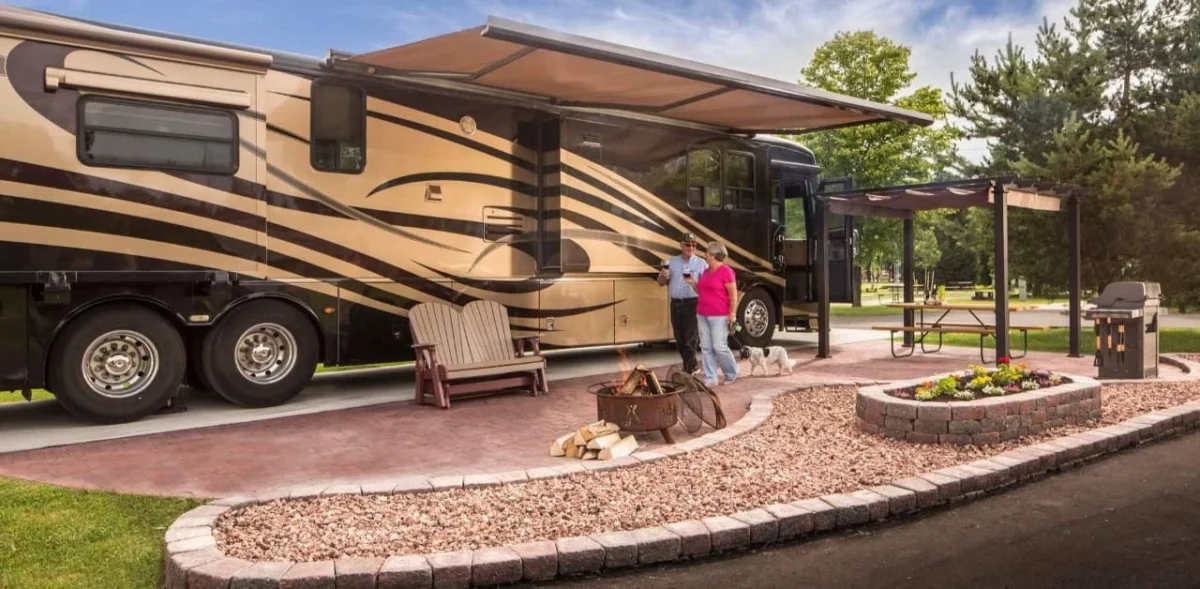
As the autumnal equinox passes and temperatures begin to decline across the northern latitudes, the annual migration of "snowbirds"—seasonal travelers who move from colder northern climates to warmer southern regions—is officially underway. This demographic, traditionally composed of retirees but increasingly inclusive of remote workers, seeks more than just a temporary escape; they require robust infrastructure, community engagement, and proximity to natural landmarks. According to industry data from the RV Industry Association (RVIA), over 11.2 million households in the United States now own an RV, with a significant portion of these owners utilizing their vehicles for extended seasonal stays in the Sun Belt. This shift has transformed the winter hospitality sector, placing a premium on campgrounds that offer long-term amenities such as full utility hookups, high-speed internet, and social programming.
The Economic and Demographic Context of Winter Migration
The phenomenon of winter migration represents a multi-billion dollar influx into the economies of states like Arizona, Florida, Texas, and the Carolinas. For many small municipalities, the arrival of snowbirds marks the beginning of their peak fiscal season. The criteria for a "premier" snowbird destination have evolved alongside the technology available to modern travelers. While basic necessities like water, electricity, and sewer remain the foundation, the modern seasonal camper prioritizes "resort-style" living. This includes access to fitness trails, professional-grade golf facilities, and structured social calendars that mitigate the isolation often associated with long-term travel.

Kampgrounds of America (KOA), the world’s largest system of privately held campgrounds, has reported a steady increase in demand for "long-term stay" sites. Their data suggests that travelers are booking further in advance, often securing spots six to nine months prior to arrival. This trend highlights the necessity for strategic planning among those wishing to settle in high-demand regions such as the Gulf Coast or the Sonoran Desert.
Strategic Selection: The Top 7 Snowbird Destinations
The following seven locations have been identified as the leading campgrounds for the upcoming winter season based on their infrastructure, regional climate stability, and specialized amenities tailored for extended stays.
1. Tucson KOA Resort, Arizona
Located in the heart of the Sonoran Desert, the Tucson KOA Resort serves as a primary hub for those seeking a dry, arid climate. Arizona’s winter temperatures typically hover in the comfortable mid-60s to low 70s, making it an ideal environment for outdoor recreation. The resort is distinguished by its integration of luxury amenities with the natural environment, featuring two swimming pools and a nine-hole mini-golf course.

For long-term residents, the resort provides upgraded Wi-Fi and monthly RV sites equipped with full hookups. Its proximity to Saguaro National Park and the Arizona-Sonora Desert Museum offers residents access to world-class hiking and ecological education. The presence of the on-site Steak Rush Grill provides a logistical convenience for those seeking to minimize meal preparation during their stay.
2. St. Petersburg/Madeira Beach KOA Holiday, Florida
Florida remains the quintessential snowbird destination, and the St. Petersburg/Madeira Beach location offers a unique blend of bayou tranquility and Gulf Coast accessibility. The site is situated along a mangrove-lined waterway, providing opportunities for kayaking and dolphin spotting.
A significant draw for this location is the 38-mile Pinellas County Fitness Trail, which runs adjacent to the property. This trail provides a safe, flat corridor for cycling and walking, catering to the health-conscious demographic of modern retirees. The facility also features two hot tubs—one of which is strictly reserved for adults—ensuring a quiet retreat for long-term guests.

3. South Padre Island KOA Holiday, Texas
The "Winter Texan" culture is a pillar of the Rio Grande Valley’s economy, and South Padre Island is its crown jewel. The South Padre Island KOA Holiday is positioned on the Laguna Madre Bay, a hypersaline lagoon known for its unique biodiversity. The campground provides a boat ramp and rentals for hydrocycles and kayaks, emphasizing a water-centric lifestyle.
To facilitate local exploration, the municipality provides a free "Metro" shuttle that stops at the campground entrance, connecting residents to local shopping centers and dining districts without the need for unhooking their primary tow vehicles. This logistical support is a critical factor for travelers staying for three months or longer.
4. Myrtle Beach KOA Resort, South Carolina
While slightly cooler than the deep south, Myrtle Beach offers a temperate winter climate that appeals to those who prefer moderate seasons. The Myrtle Beach KOA Resort is notable for its mature landscape, featuring old-growth pines that provide privacy and a natural aesthetic often missing from newer developments.

The property is connected to the Atlantic Ocean via the Withers Swash tidal basin, offering a coastal atmosphere while remaining sheltered from the high-density crowds of the beachfront. For those traveling with pets, the "Kamp K9" dog park serves as a vital social hub for both animals and owners.
5. Okeechobee KOA Resort, Florida
For travelers who prioritize active sports, the Okeechobee KOA Resort is essentially a recreational complex. It features a nine-hole golf course, a driving range, and a putting green on-site. This eliminates the need for expensive club memberships during the winter months.
The resort is located near Lake Okeechobee, Florida’s largest freshwater lake, which is a premier destination for professional-grade bass fishing. The social infrastructure here is particularly robust, featuring live concerts, themed seasonal parties, and the Shanty Lounge, which acts as a community center for the hundreds of residents who occupy the site from November through March.

6. New Bern KOA Holiday, North Carolina
The New Bern KOA Holiday offers a historical and riverine experience on the banks of the Neuse River. New Bern, the former colonial capital of North Carolina, provides a rich cultural backdrop for winter residents. The campground features a 250-foot private fishing pier, catering to those who enjoy sedentary outdoor activities.
The climate in North Carolina during the winter is milder than the Northeast but cooler than Florida, attracting a specific subset of snowbirds who enjoy "light" winter clothing and the absence of high humidity. The facility includes two swimming pools and a jumping pillow, amenities that are particularly utilized during the holidays when grandchildren often visit.
7. Townsend/Great Smokies KOA Holiday, Tennessee
For snowbirds who prefer the mountains to the coast, the Townsend/Great Smokies KOA Holiday provides a gateway to the "Peaceful Side of the Smokies." Unlike the high-traffic areas of Gatlinburg or Pigeon Forge, Townsend offers a quieter, more contemplative winter experience.

The facility provides a dedicated winter program from December through February, with monthly rates starting at approximately $1,000. This fee is inclusive of all utilities, including Wi-Fi and laundry access, representing a significant value proposition for budget-conscious travelers. Proximity to Cades Cove allows for world-class wildlife viewing, including black bears and white-tailed deer, even during the winter months.
Chronology of the Seasonal Migration
The snowbird season follows a strict chronological pattern that dictates market availability.
- July – August: Peak booking window for prime southern sites. Most "Gold Tier" resorts reach 90% capacity for the winter months during this period.
- October: Departure from northern states begins. Travelers often utilize "stopover" campgrounds in the Mid-Atlantic or Midwest.
- November 1st: Standard start date for "Seasonal Contracts" at most southern campgrounds.
- December – January: Peak occupancy. Social calendars at resorts are at their most active.
- March – April: The "Reverse Migration" begins as northern temperatures thaw.
Industry Analysis: The Evolution of the "Silver Nomad"
The demographics of winter camping are shifting. Travel analysts note the rise of the "Silver Nomad"—retirees who have sold their primary residences to live full-time in RVs. This group demands higher reliability from their campgrounds, particularly regarding digital connectivity. "The expectation has shifted from ‘vacation mode’ to ‘living mode,’" says a spokesperson for the National Association of RV Parks and Campgrounds (ARVC). "Snowbirds today aren’t just looking for a place to park; they are looking for a zip code that offers a high quality of life."

Furthermore, the "Work-from-Campground" trend has lowered the average age of the winter migrant. Professionals in their 40s and 50s are now utilizing mobile offices to join the southern migration, necessitating campgrounds to invest heavily in fiber-optic internet and "Zoom-friendly" common areas.
Broader Impact and Future Implications
The continued growth of the snowbird industry has significant implications for land use and environmental conservation in the Sun Belt. As demand outstrips supply, developers are increasingly looking at "luxury RV ports"—sites where campers can purchase their lot and build small permanent structures or "casitas."
For the regions hosting these travelers, the benefits are clear. The seasonal population surge supports local grocery stores, medical facilities, and entertainment venues that might otherwise struggle during the winter. However, this also places a seasonal strain on local infrastructure, such as water usage and traffic management.

As the 2024-2025 winter season approaches, the trend toward high-amenity, community-focused camping remains the dominant force in the industry. For those planning their migration, the diversity of options—from the arid deserts of Arizona to the historic riverbanks of North Carolina—ensures that the "snowbird" lifestyle remains a viable and attractive alternative to the traditional northern winter.

