

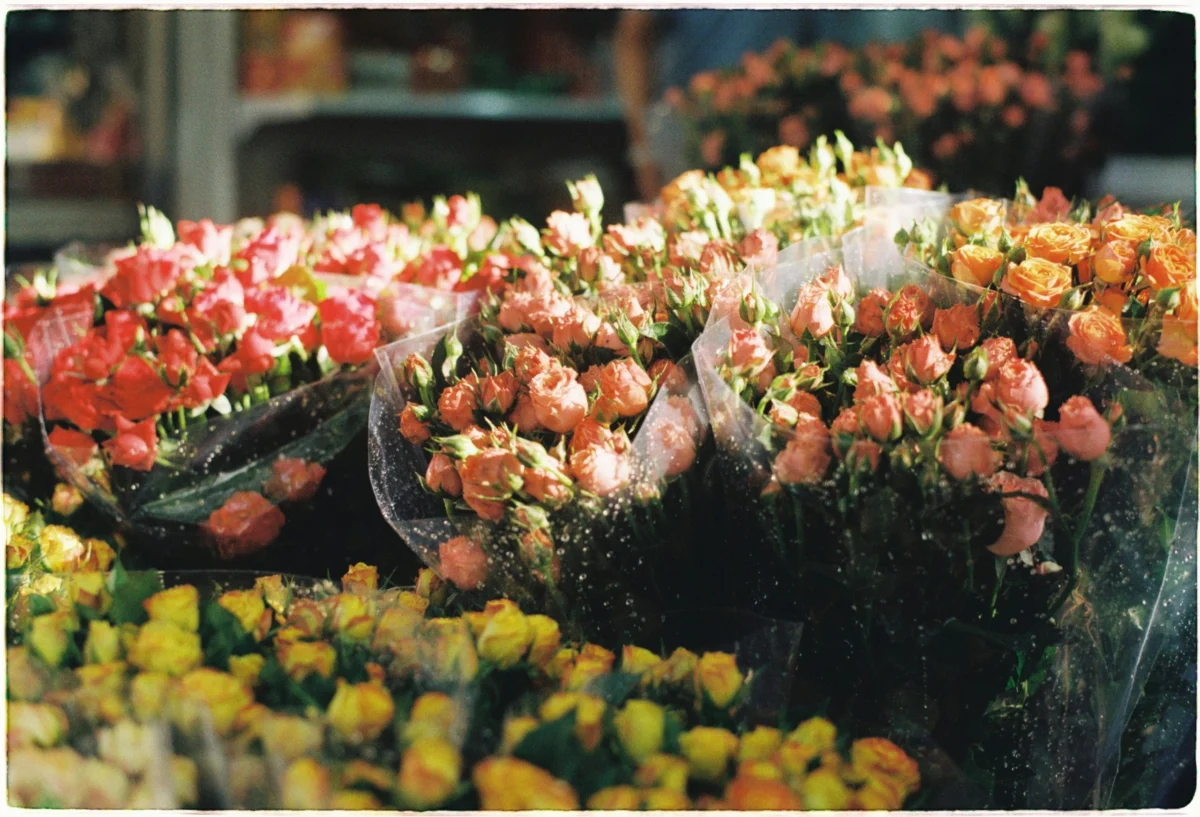
The enduring allure of floral beauty, a sentiment deeply woven into the fabric of human experience, offers profound lessons in gratitude, generosity, and the vital practice of letting go. This exploration delves into the multifaceted wisdom that flowers impart, drawing parallels between their ephemeral existence and the cyclical nature of life, loss, and renewal. From the street vendor’s humble offering to the cultivated garden, the transformative power of botanical beauty serves as a potent metaphor for personal growth and spiritual understanding.
The Genesis of a Deep Connection to Nature
The author’s lifelong affinity for the natural world, particularly flowers, is a recurring theme, shaping perceptions and providing solace during challenging periods. This connection is not merely aesthetic; it represents a fundamental need for beauty and a tangible link to something beyond the immediate circumstances of life. Early life experiences in urban environments, characterized by limited access to nature, intensified this yearning. The stark contrast between the concrete landscape of Brooklyn and the vibrant life within Evergreens Cemetery, a vast urban forest, highlights the innate human draw towards the natural world. The cemetery, with its mature trees and burgeoning spring blooms, became a sanctuary, offering a sense of safety and an unburdened appreciation of beauty. This period, marked by the author’s childhood vulnerability and experiences of abuse, underscores the resilience of the human spirit and its capacity to find refuge and strength in the natural world. The unwavering presence of nature, offering its beauty without demand, provided a critical counterpoint to personal trauma, fostering an internal landscape of tranquility.
The profound impact of these early encounters with nature is further illuminated by the author’s later life, particularly during a period of personal upheaval. Following a divorce, the establishment of a flower garden became a deliberate act of transformation, a physical manifestation of the desire to cultivate beauty from the remnants of a dissolved marriage. This endeavor aligns with the philosophy of horticulturalists like Wendy Johnson, who emphasizes three key reasons for growing flowers: for their inherent beauty, for the inevitable process of their fading, and for the opportunity to begin anew. This perspective resonates deeply with Buddhist teachings, particularly the concept of impermanence, or anitya. The act of gardening, in this context, becomes a living, breathing lesson in the transient nature of all things.
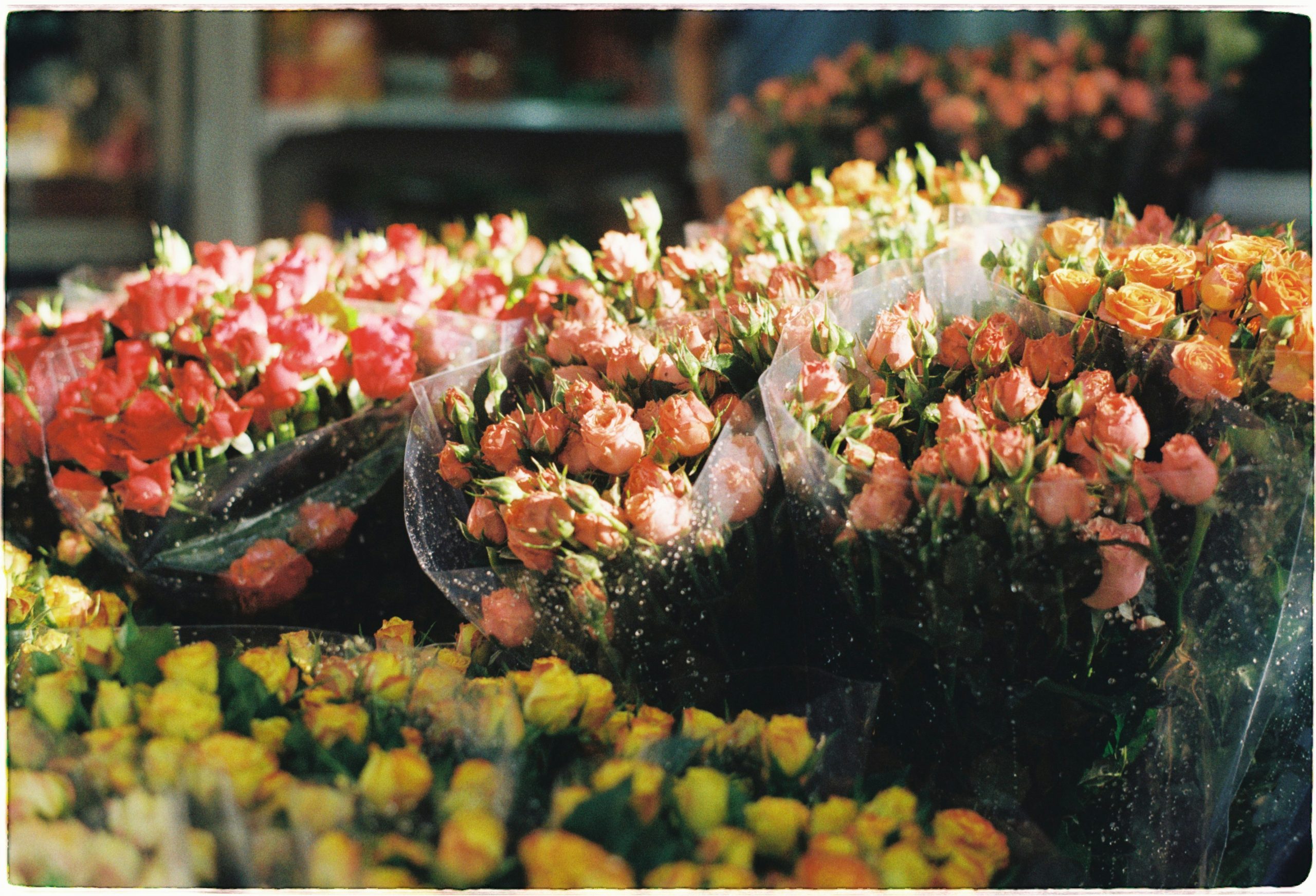
Impermanence: A Floral Metaphor for Life’s Cycles
The Buddha’s exhortation for practitioners to cultivate an awareness of impermanence moment-to-moment is a central tenet of Buddhist practice. As a Dharmacharya, a dharma teacher within the Plum Village tradition, the author is committed to embodying this insight not as an abstract theory but as a lived reality, a practice to be shared. The decomposition of flowers, the transition of a child to adulthood, and the daily cycle of day and night are all potent reminders of the inescapable reality of change. This understanding necessitates a mindful engagement with life’s shifting nature, fostering the capacity to love, care, accept, occupy space and time, release, and ultimately, to let go.
The wisteria vine, a prominent feature of the author’s garden, serves as a powerful case study in this regard. Initially overgrown and threatening the structural integrity of the home, the vine’s eventual pruning and training over a pergola transformed it into a source of breathtaking beauty. Its late spring bloom, a cascade of blue-to-purple flowers perfuming the air, exemplifies the cyclical nature of life. Flowers, like all phenomena, ripen, bloom in their season, and eventually fade, perpetuating a continuous cycle of beauty, being, becoming, and nonbeing. This process instills gratitude and a profound appreciation for the unique wonder of each unrepeatable moment.
Flowers as Symbols of Gratitude and Generosity
The act of gardening, at its core, embodies the principles of loving and letting go. The author’s experience with the wisteria taught a crucial lesson: impermanence allows for a recalibration of one’s relationship to past experiences, even traumatic ones. By acknowledging the inherent beauty and violence that coexist in life, and by understanding the complex systemic factors that perpetuate suffering, one can begin to transform their relationship with past abuse. The beauty of Evergreens, juxtaposed with the violence experienced, becomes a source of strength, enabling the author to grow compassion for both self and others, including perpetrators of violence.
This capacity for growth and transformation, mirrored in the life cycle of flowers, highlights their role as symbols of gratitude and generosity. Flowers bloom, offering their beauty and fragrance without expectation of return. They give freely of themselves, enriching their surroundings and delighting the senses. This inherent generosity is a profound lesson, encouraging a similar spirit of giving in human interactions. The appreciation for a flower’s bloom, fleeting as it may be, fosters a sense of gratitude for the present moment and the simple, yet profound, gifts of life.
The Broader Implications of Floral Wisdom
The insights gleaned from the study of flowers extend beyond personal reflection, offering a framework for understanding societal dynamics and fostering a more compassionate world. The recognition of interconnectedness, inherent in ecological systems, can be applied to human relationships and social structures. Just as a garden thrives when its various elements are in balance, so too can societies flourish when empathy, understanding, and a commitment to collective well-being are prioritized.
The resilience of nature, its ability to regenerate and find new forms of expression after periods of destruction or decay, offers hope and inspiration. This natural cycle of death and rebirth can be seen as a powerful metaphor for social change and personal transformation. The process of letting go, often challenging and painful, is ultimately essential for new growth. By embracing impermanence, individuals and communities can move beyond the confines of the past, fostering a more dynamic and resilient future.
The author’s journey, from a childhood seeking solace in urban nature to a mature practice of gardening and dharma teaching, exemplifies the profound wisdom that can be found in the natural world. The ephemeral beauty of flowers serves as a constant reminder of life’s transient nature, encouraging a deeper appreciation for each moment, a more generous spirit, and the courage to embrace the inevitable process of letting go. This understanding, cultivated through quiet observation and mindful practice, offers a pathway towards greater peace, compassion, and a more profound connection to the world around us.
Supporting Data and Context
The author’s experiences, while deeply personal, resonate with broader psychological and sociological observations regarding the impact of nature on well-being. Research consistently demonstrates the therapeutic benefits of spending time in natural environments. Studies published in journals such as Environmental Health Perspectives have indicated that increased exposure to green spaces can lead to reduced stress levels, improved mood, and enhanced cognitive function. For individuals who have experienced trauma, as described by the author, the calming and restorative effects of nature can be particularly significant in the healing process.

The concept of "nature deficit disorder," popularized by Richard Louv, further contextualizes the author’s early longing for the natural world. This concept suggests that children’s diminished engagement with nature negatively impacts their physical, psychological, and spiritual development. The author’s childhood reliance on urban green spaces like Evergreens Cemetery highlights a historical trend of diminishing access to nature for many urban dwellers.
Furthermore, the author’s engagement with Buddhist philosophy, particularly the teachings on impermanence, aligns with contemporary discussions in psychology and mindfulness. The practice of mindfulness, which emphasizes present moment awareness without judgment, shares common ground with the Buddhist concept of anitya. By observing the natural cycles of growth and decay in their garden, the author is engaging in a form of embodied mindfulness, translating abstract philosophical concepts into tangible, lived experiences. This integration of nature, spirituality, and personal narrative offers a compelling model for fostering resilience and well-being in a complex world. The therapeutic potential of gardening, often referred to as horticultural therapy, is a recognized field, with documented benefits for individuals managing a range of physical and mental health conditions. The author’s personal narrative serves as a powerful testament to these established principles, illustrating the profound connection between human well-being and the natural world.

