

The issue of weight stigma, often described as the last "acceptable" form of bias, is a deeply entrenched and troubling phenomenon with far-reaching consequences, particularly within the healthcare system. This pervasive discrimination and stereotyping against individuals based on their weight is not merely a matter of perception; it is a documented reality supported by a growing body of research. The implications of this bias are significant, impacting everything from daily life experiences to the quality and accessibility of medical care.
The Daily Toll of Weight Stigma
The lived experiences of individuals facing weight stigma are stark. A study involving fifty overweight women, who meticulously documented instances of discrimination over a single week, revealed over a thousand recorded incidents. This translates to an average of approximately three instances per day where these women encountered harassment, such as verbal insults, or faced physical barriers like the inability to fit into public seating. Beyond these overt experiences, they also reported instances of perceived poorer service in restaurants and stores, indicating a systemic bias that permeates everyday interactions.
While the data for men is less extensive, obese men report experiencing approximately three times less discrimination than women of similar size. For them, such negative encounters might occur on a daily basis, highlighting a gendered dimension to weight-based prejudice.
Empirical Evidence of Bias
The notion that these experiences are merely subjective is dispelled by rigorous scientific investigation. In one notable study, professional actors were employed to pose as job applicants. When these actors were outfitted with theatrical prostheses to appear overweight, they were significantly more likely to face discrimination in employment compared to when they presented at their normal weight. This employment bias was found to be particularly pronounced against overweight women, further underscoring the multifaceted nature of weight stigma.
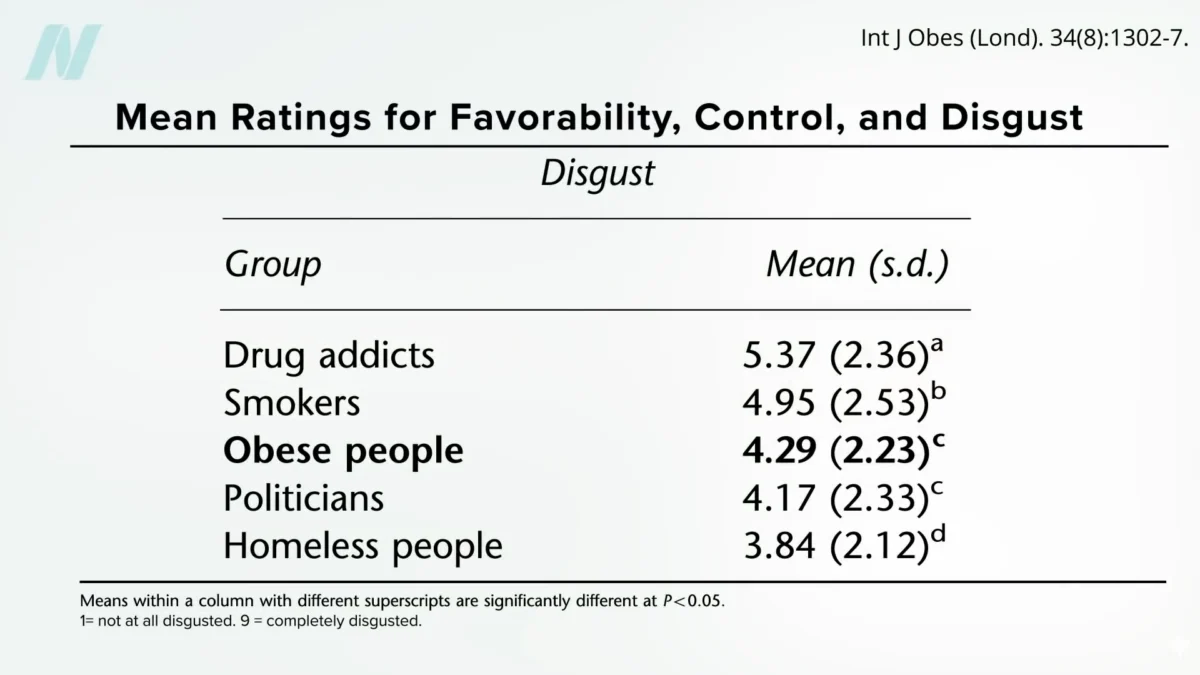
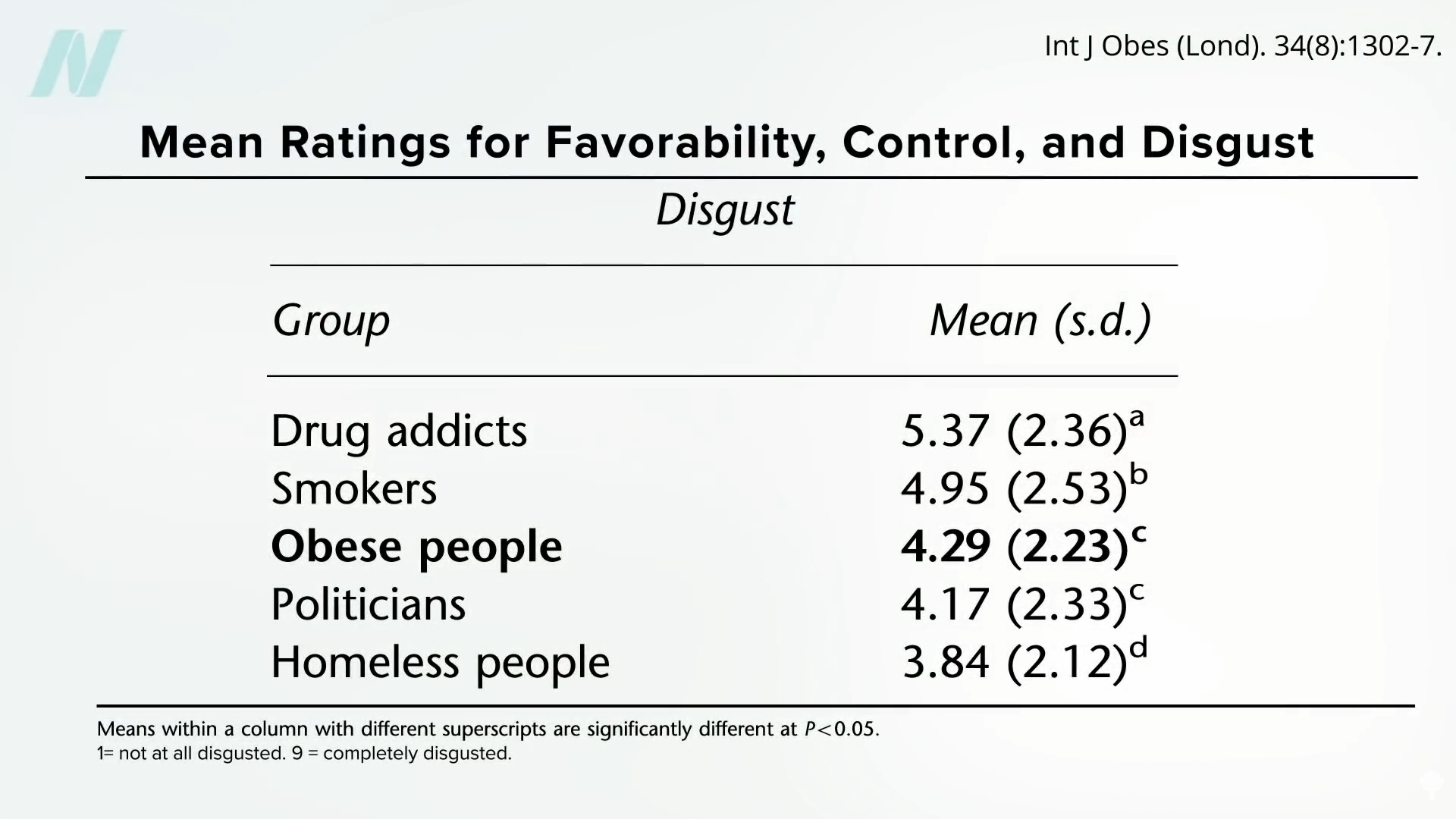
Attitudes towards individuals based on weight can also be quantified through surveys. A comparative study examining sixteen stigmatized social groups, including those experiencing homelessness, found that only drug addicts and smokers were perceived as more disgusting than obese individuals. This finding, documented in research and highlighted in public discourse, positions obesity as a condition carrying a profound social stigma, often ranking lower in public perception than other marginalized groups. While obese individuals were rated as equally disgusting as politicians in one survey, this still places them in a category of significant social disapproval.

The Early Roots of Weight Stigma
The insidious nature of weight stigma becomes apparent when examining its emergence at an early age. Research indicates that children as young as three years old can associate negative attributes such as "mean," "stupid," "lazy," and "ugly" with their overweight peers. This negative linguistic association intensifies with age, suggesting that societal prejudices are internalized and perpetuated from a very young age.
Historical studies further illuminate this disturbing trend. A landmark study conducted in 1961 involved children from diverse social, cultural, and ethnic backgrounds in various U.S. states. When presented with images of children exhibiting different characteristics, including a child with physical disabilities and an obese child, the obese child was consistently ranked last in terms of likability across all tested groups. This demonstrated a remarkable uniformity in negative perceptions.
Alarmingly, a follow-up study conducted forty years later, in 2003, revealed that the situation had worsened. The title of this study, "Getting Worse: The Stigmatization of Obese Children," accurately reflects its findings: the obese child was liked even less than in the original 1961 study. This trend mirrors broader societal shifts, with national surveys recording a nearly 70% increase in perceived weight discrimination since the mid-1990s.
Institutionalized Bias: Education and Family
The perpetuation of weight stigma is not confined to peer interactions. Attitudes among educators may also contribute to the problem. Surveys have indicated that more than a quarter of teachers and school staff consider becoming obese to be "one of the worst things that could happen to a person." This perspective can inadvertently influence how students are treated and perceived within the educational environment.
Even within families, parental biases can manifest, albeit often unintentionally. Some research suggests that parents may provide less support for college education for their overweight daughters compared to their thinner siblings. As noted by prominent obesity researchers, such discrimination, even within one’s own family, signifies a profound level of prejudice.
Weight Stigma Within the Medical Profession
Perhaps the most concerning manifestation of weight stigma occurs within the healthcare system, where individuals are most vulnerable and in need of unbiased care. A representative national survey revealed that over half of physicians viewed obese patients with negative attributes, describing them as "awkward, unattractive, ugly, and noncompliant." Furthermore, approximately a quarter of nurses agreed or strongly agreed with the statement that "Caring for an obese patient usually repulses me."
This inherent antagonism can have severe and direct health consequences for patients who may already be at higher risk for certain medical conditions. For instance, obese women face an elevated risk of developing cervical, endometrial, and ovarian cancers. Despite these increased risks, they are less likely to receive recommended screenings. Studies indicate that morbidly obese patients have about half the odds of receiving their recommended pelvic exams. While patient avoidance can be a factor, some healthcare providers actively turn away obese patients. An investigation by the Sun Sentinel into OB/GYN practices in Florida found that as many as one in seven refused to see heavier women, setting weight cut-offs for new patients as low as 200 pounds.
Even physicians who outwardly welcome obese patients have been found to allocate them less time and attention. In one study, physicians presented with a medical chart of a migraine patient described as average weight, overweight, or obese, reported they would dedicate approximately 28% less time to the obese patient. This disparity extends to the quality of care as well. Recorded doctor-patient visits have revealed that physicians tend to establish "less emotional rapport with overweight and obese patients," potentially hindering effective communication and trust.
The problem extends even to obesity specialists themselves, who, despite their professional focus, exhibit concerning levels of bias. Surveys conducted between 2001 and 2013 showed a worsening trend, with obesity specialists increasingly describing fat individuals as "significantly more lazy…stupid…and worthless…compared to thin people." This prejudice is not limited to spoken attitudes; it can seep into medical literature, with examples of explicitly biased language, such as an article in the Annals of Internal Medicine describing obesity as an "aesthetic crime: it is ugly."
The Illusion of Respect and Future Directions
Despite these deeply ingrained negative attitudes, a study titled "Obese Patients Overestimate Physicians’ Attitudes of Respect" offered a glimmer of hope, albeit a complex one. This research found that while physicians harbored negative feelings towards their obese patients, the patients themselves often reported satisfaction with their care. The researchers concluded that while physicians might be "successfully playing the part," the underlying lack of genuine respect calls into question the authenticity of the patient-physician relationship. This suggests a need for greater transparency and systemic change to foster true empathy and unbiased care.
The ongoing struggle against weight stigma requires a multi-pronged approach. Educating healthcare professionals about the detrimental effects of bias and promoting cultural competency are crucial steps. Public awareness campaigns can help to dismantle harmful stereotypes and foster a more inclusive and understanding society. Furthermore, continued research into the psychological and physiological impacts of weight stigma is essential to inform policy and practice.
The companion blog post, "The Burden of Weight Bias," delves further into the broader societal and psychological impacts of this pervasive issue, offering a comprehensive look at the challenges faced by individuals and the path forward toward a more equitable and compassionate future. This series, drawing from the book How Not to Diet, aims to shed light on critical, often overlooked aspects of health and well-being, advocating for a paradigm shift away from judgment and towards understanding and support.

