

A comprehensive analysis of new chemotherapy drug approvals over the past decade reveals a stark reality: the average overall survival benefit offered by these treatments is a mere 2.1 months. This finding challenges the prevailing narrative often presented in media and marketing, which frequently hails new cancer therapies as "game-changers" or "breakthroughs." Experts and researchers are increasingly questioning whether these advancements translate into clinically meaningful improvements for patients, particularly when weighed against the significant financial costs and potential toxicities associated with chemotherapy.
Scrutinizing the Meaning of "Breakthroughs"
While the medical community and pharmaceutical companies often trumpet the introduction of new chemotherapy agents, a closer examination of the data suggests that many of these innovations yield only modest gains in patient survival. This observation is not new and has been the subject of critical commentary in prominent medical journals. An editorial published in the Journal of the National Cancer Institute, for instance, has pointedly suggested that a substantial proportion of newly approved cancer drugs fail to deliver benefits that are truly meaningful to patients’ lives.
The implications of this disparity between perception and reality are significant. When drugs are later found to be ineffective, a common expectation is that they would be promptly removed from the market. However, evidence indicates a different outcome. Even when post-market studies demonstrate a lack of clinically meaningful benefit compared to placebos or standard observation, many of these drugs retain their Food and Drug Administration (FDA) approval. Crucially, they continue to be marketed at prices comparable to the most expensive cancer therapies, creating a scenario where patients and healthcare systems bear substantial costs for treatments that offer little tangible advantage.
In a particularly striking example cited in recent analyses, one of the most expensive drugs examined, costing an estimated $169,836 annually, did not improve overall survival at all. Worse still, it was associated with a decline in patients’ quality of life. This raises fundamental questions about the value proposition of such treatments and whether patients are adequately informed about the true benefits versus the costs and risks involved.
The Illusion of Significant Survival Gains
The methodology employed in many clinical trials for new cancer drugs has also come under scrutiny. The current trend, driven by pharmaceutical companies, often involves designing large-scale trials that can detect statistically significant, yet often clinically trivial, differences in survival endpoints. This can lead to the perception of substantial progress where the actual patient benefit is marginal.
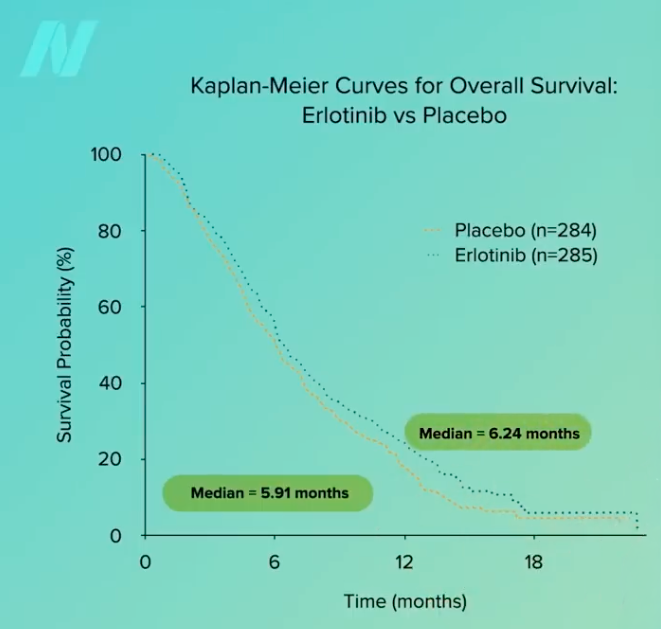
A well-documented case illustrates this point: the addition of the drug erlotinib to gemcitabine for advanced pancreatic cancer. While the trial reported a statistically significant prolongation of overall survival, the actual increase was remarkably small. Patients receiving the combination therapy lived an average of 6.24 months, compared to 5.91 months for those receiving gemcitabine alone. This difference of approximately 0.33 months, or just about 10 days, came with the added burden of increased side effects. The question then becomes whether this marginal gain justifies the additional toxicity and expense.
This phenomenon highlights a critical communication challenge. When doctors discuss treatment options with patients, using statistical jargon such as "significant improvement in survival" can be misleading. Patients, understandably, associate the word "survival" with a substantial extension of life, not with an average gain of a week and a half. This disconnect can lead to decisions based on incomplete or misinterpreted information, potentially influencing patient choices regarding treatment risks and benefits.

The Cumulative Impact of New Chemotherapy Drugs
Aggregating the data across all new chemotherapy drugs approved over a dozen-year period paints a broad picture of the average survival benefit. As previously noted, this average stands at 2.1 months. While any extension of life is not to be dismissed lightly, it is crucial to contextualize this figure against patient expectations and the realities of cancer treatment.
Surveys consistently indicate that patients anticipate far more substantial benefits from chemotherapy. In a concerning finding, a significant majority of patients with metastatic lung or colorectal cancer, approximately three-quarters, did not fully understand that their chemotherapy treatment was unlikely to cure their cancer. Chemotherapy is often the primary line of treatment, but it is rarely curative for advanced cancers. Instead, it typically offers an incremental extension of life, measured in weeks or months.
The lack of clear communication about the non-curative nature of many chemotherapy regimens is a significant ethical concern. Researchers have suggested that this failure to adequately inform patients deprives them of the opportunity to make truly autonomous decisions about their care. Patients are unable to weigh the risks of chemotherapy, including severe adverse effects, against the actual benefits—which may be limited to symptom relief and a modest increase in lifespan, without the prospect of a cure. This omission hinders their ability to make informed choices about their bodies and their treatment pathways.
Patient Perspectives on Treatment Efficacy
When cancer patients are directly asked about their preferences, most express a desire for at least six months of meaningful life to endure the side effects of treatment. This suggests that if fully informed about the modest benefits, a considerable number of patients might not opt for chemotherapy. However, individual perspectives vary significantly. Some patients may value even a single week of extended life, while others might prioritize quality of life over quantity, choosing to forgo treatments that could interfere with their remaining time, even if those treatments offered a longer lifespan. Regardless of individual priorities, the consensus among patient advocates and some medical professionals is that complete transparency regarding treatment outcomes is paramount.
The Toxicity Profile of Chemotherapy
The reluctance of oncologists and cancer nurses themselves to undergo intensive chemotherapy, despite their professional roles, is a telling indicator of the significant toxicities associated with these treatments. Most chemotherapy drugs are cytotoxic, meaning they function by killing rapidly dividing cells, including cancer cells. However, this mechanism inevitably leads to collateral damage to healthy cells. This can result in a wide range of severe side effects, including nerve damage, irreversible heart failure, damage to the gastrointestinal lining, and immunosuppression.
Pharmaceutical Company Messaging vs. Real-World Data
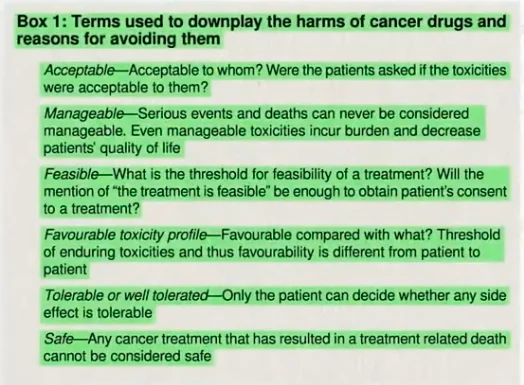
Pharmaceutical companies frequently employ carefully crafted language to downplay the risks associated with their drugs. For example, the breast cancer drug ribociclib has been described as having an "acceptable" side-effect profile, while the pancreatic cancer drug liposomal irinotecan has been characterized as having a "manageable and mostly reversible safety profile." These statements, often published in top medical journals, are presented as factual assessments.
However, a deeper dive into the underlying data often reveals a more concerning picture. In the case of ribociclib, the number of serious or even life-threatening side effects was reportedly double or even five times higher compared to the control group. Similarly, the notion of "manageable and mostly reversible" side effects for liposomal irinotecan appears to disregard instances where the drug led to fatalities.
The terminology used by drug manufacturers—"manageable," "acceptable," "feasible," "favorable," "tolerable," and "safe"—can be highly subjective and potentially misleading. Serious adverse events and deaths are inherently unmanageable. The acceptability of toxicity is a matter of patient perspective, not an objective classification. Describing toxicity as "feasible" or "tolerable" can obscure the severity of the patient experience. Furthermore, any drug that can cause death cannot logically be considered "safe." This linguistic maneuvering can obscure the true risks and influence patient and physician decision-making.
Exceptions and Nuances in Chemotherapy Efficacy
It is important to acknowledge that there are specific cancers where chemotherapy has demonstrably led to significant advancements. Testicular cancer is a prime example, with chemotherapy offering a greater than 33% chance of survival for at least five years. Similarly, Hodgkin’s disease, a less common form of lymphoma, has seen substantial improvements with chemotherapy.
However, for more common cancers such as colon, lung, breast, and prostate cancer, even when researchers attempt to overestimate the benefits, the chances of chemotherapy enabling survival to the five-year mark remain remarkably low, often in the range of 1% to 2%. This stark contrast underscores the need for nuanced discussions about the role and efficacy of chemotherapy depending on the specific cancer type.
Implications for Patient Care and Future Research
The findings raise critical questions about the current regulatory approval processes for cancer drugs, the transparency of clinical trial reporting, and the ethical obligations of healthcare providers to ensure informed consent.
Regulatory Oversight: The continued approval of drugs with marginal benefits, even after post-market studies confirm their limited impact, suggests a potential need to re-evaluate FDA approval criteria. A greater emphasis on clinically meaningful outcomes, beyond statistical significance, could ensure that only truly impactful therapies reach patients.
Transparency in Reporting: Pharmaceutical companies and researchers must be held to higher standards of transparency in reporting both benefits and harms. The use of euphemistic language to describe side effects needs to be replaced with clear, data-driven accounts that empower patients and clinicians to make informed risk-benefit assessments.
Informed Consent and Patient Education: Healthcare providers have a responsibility to engage in open and honest conversations with patients about the likely outcomes of chemotherapy. This includes clearly articulating the probability of cure, the expected survival benefit, and the potential for severe side effects. Patient education initiatives that demystify cancer treatment and its limitations are crucial.
Focus on Prevention and Alternative Therapies: The considerable investment in chemotherapy, with its often-limited returns, prompts a renewed focus on cancer prevention strategies. Lifestyle modifications, including diet and exercise, have shown promise in reducing cancer risk and improving overall health. Furthermore, research into less toxic and more targeted therapies, including immunotherapies and precision medicine approaches, is essential to offer patients more effective and tolerable treatment options.
The ongoing dialogue surrounding chemotherapy efficacy and its associated costs and risks is vital for advancing patient care. As research progresses, a commitment to evidence-based decision-making, transparent communication, and patient-centered care will be paramount in navigating the complex landscape of cancer treatment.

