

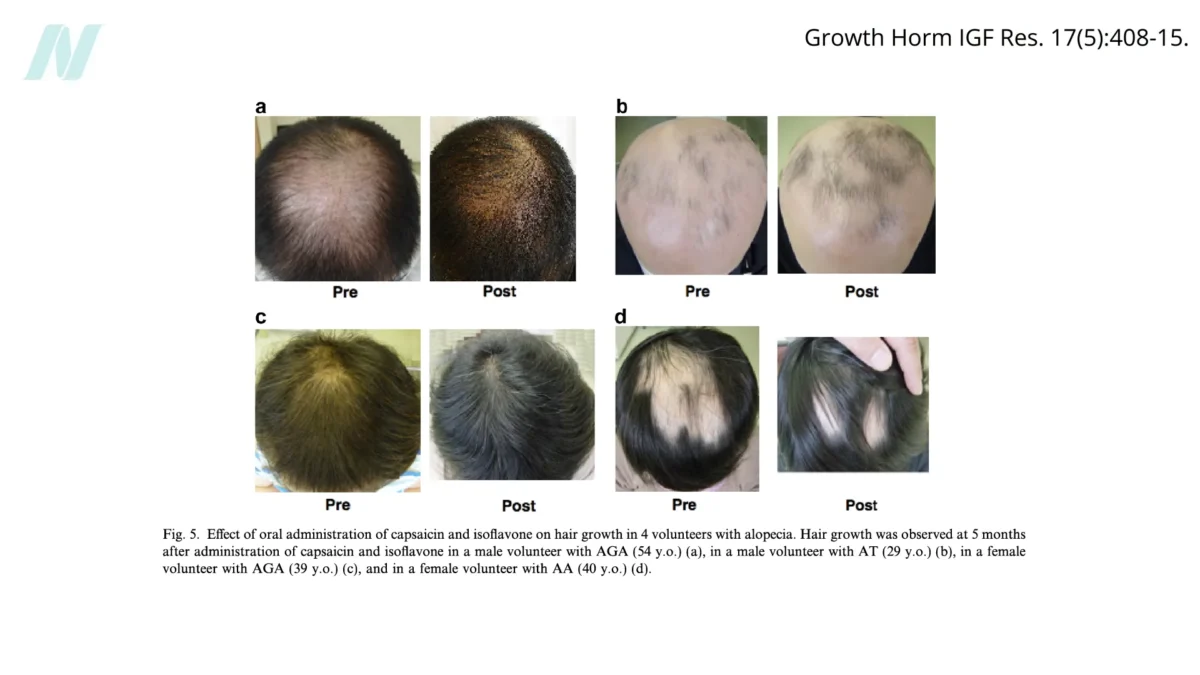
Androgenic alopecia, a pervasive and chronic condition often encountered by dermatologists, manifests as male pattern hair loss in men and female pattern hair loss in women. This progressive thinning of hair, predominantly affecting the central scalp, presents a significant concern for individuals worldwide. While pharmaceutical interventions and supplements have long been explored, emerging research is shedding light on the potential role of dietary choices in managing and potentially reversing this common condition. Recent studies suggest that specific foods, including hot peppers, soy-based products, and pumpkin seeds, may offer a natural and effective approach to combating hair loss.
The Gut-Brain-Hair Connection: A New Frontier
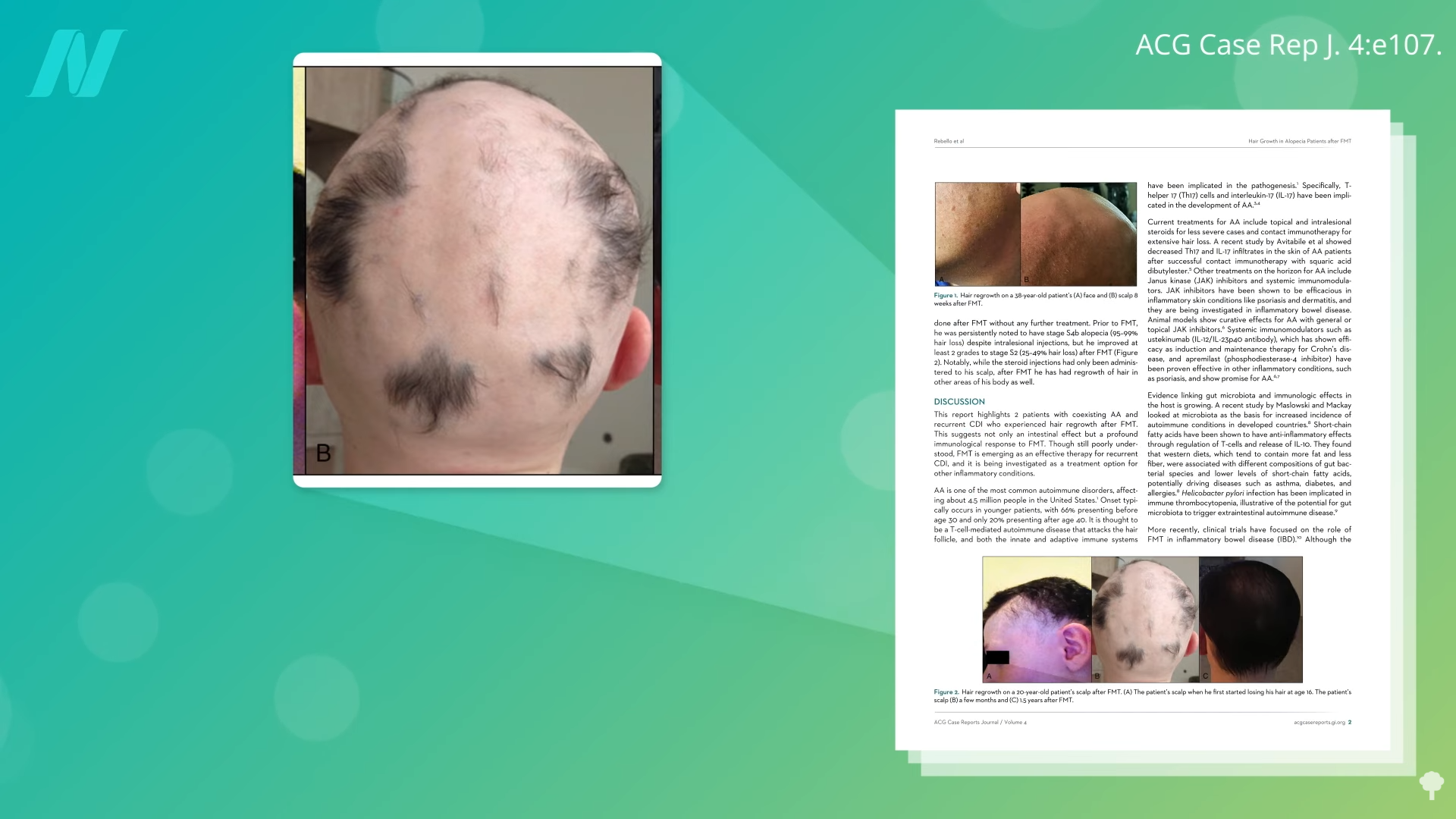
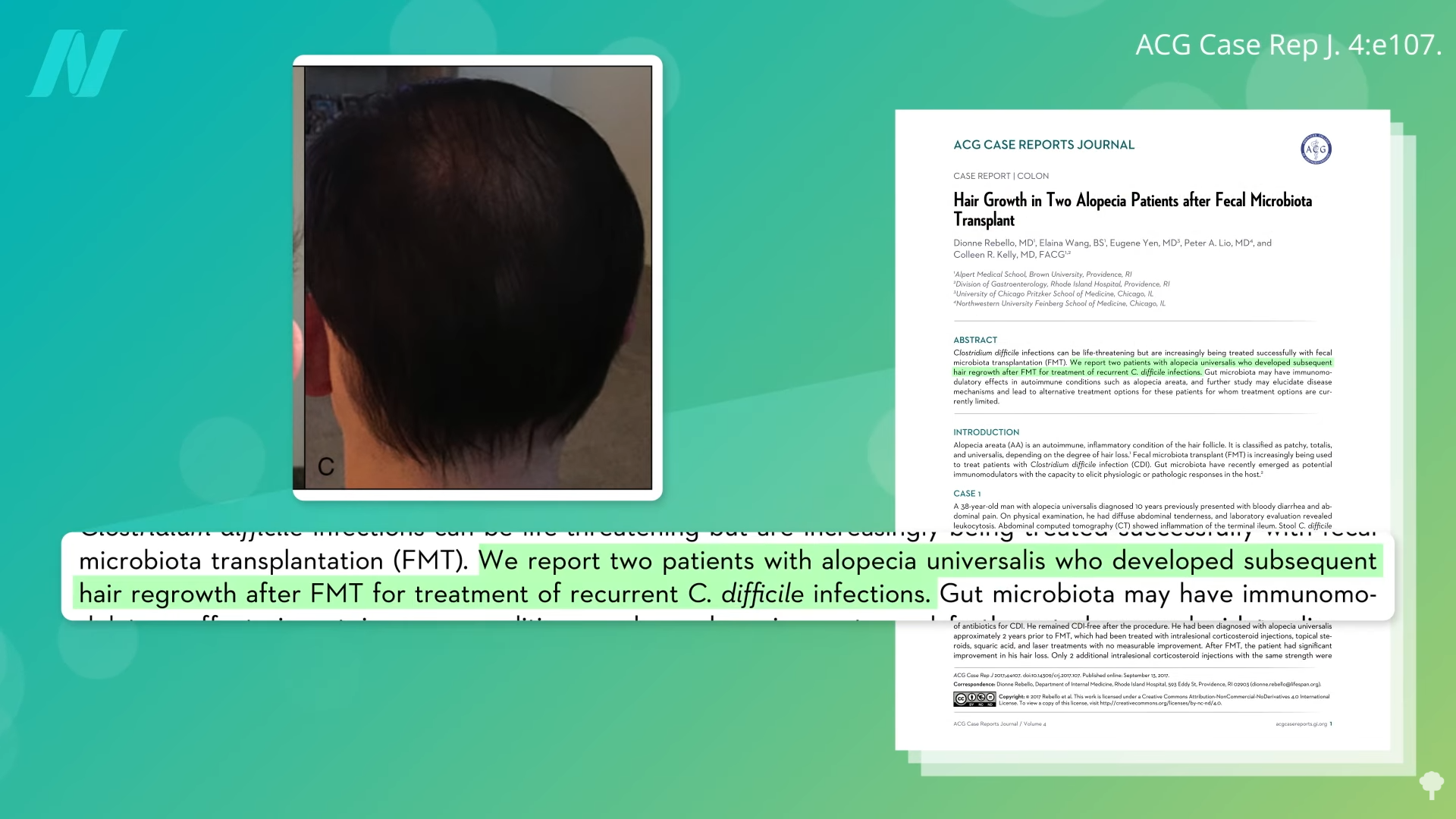
The intricate relationship between the gut microbiome and overall health has become a focal point of scientific inquiry. Fecal microbiota transplantation (FMT) studies, initially conducted to treat gastrointestinal disorders, have unexpectedly revealed profound effects on hair regrowth. In remarkable instances, individuals experiencing complete baldness have shown significant hair regeneration following FMT. These findings underscore the powerful influence of gut bacteria on various bodily functions, including hair follicle health. While the direct consumption of "brown smoothies" is not recommended, these studies emphasize the critical importance of nurturing a healthy gut ecosystem through diet.
Population studies have further corroborated the link between diet and hair loss. Male pattern baldness has been associated with poor sleep patterns and the consumption of meat and processed foods. Conversely, protective associations have been observed with diets rich in raw vegetables, fresh herbs, and notably, soy milk. Weekly consumption of soy beverages, for instance, has been linked to a 62% reduction in the odds of moderate to severe hair loss, suggesting the presence of beneficial plant-derived compounds that may counteract hair thinning.
Scientific Scrutiny: Moving Beyond Anecdotes and Animal Studies
The field of complementary and alternative medicine often features claims of "cures" for hair loss, promising safety and fewer side effects than conventional treatments. However, a critical review of the existing literature reveals that many studies lack robust scientific rigor. A significant portion of early research relied on experiments with shaved rodents, which may not accurately reflect human physiological responses. Furthermore, clinical trials on humans have sometimes lacked placebo controls, making it difficult to ascertain whether observed improvements were due to the intervention or other factors.
Promising Clinical Evidence: Capsaicin and Soy Isoflavones
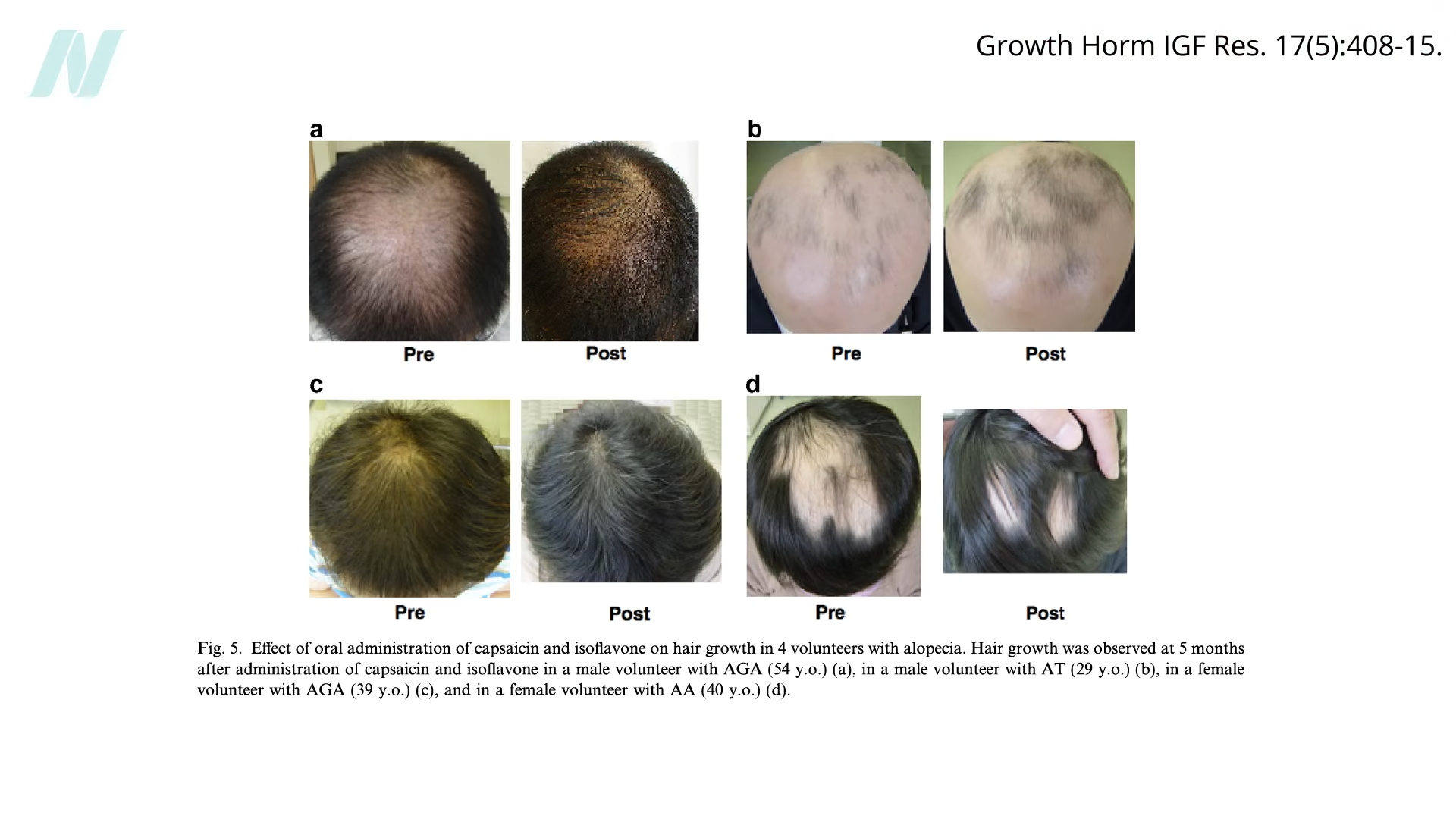
In contrast to less rigorous studies, a randomized, double-blind, placebo-controlled trial has provided compelling evidence for the efficacy of compounds found in hot peppers and soy in promoting hair growth. This study, involving both men and women, demonstrated significantly higher rates of hair growth among participants who consumed specific dosages of capsaicin, the active compound in chili peppers, and soy isoflavones.
The trial utilized a daily intake of 6 milligrams of capsaicin and 75 milligrams of isoflavones. Translating these dosages into real-world food consumption, 6 milligrams of capsaicin can be readily obtained from approximately a quarter of a fresh jalapeño pepper. Similarly, 75 milligrams of isoflavones can be found in about three-quarters of a cup of tempeh or an equivalent serving of straight soybeans. While dry-roasted soy nuts are a more concentrated source, the researchers caution against routine consumption of high-fat, high-protein foods prepared at high temperatures due to the potential formation of advanced glycation end-products. This suggests that incorporating whole or minimally processed soy foods is likely the most beneficial approach.
Pumpkin Seeds: A Nutritional Powerhouse for Hair
Another dietary component showing significant promise is pumpkin seed oil. The investigation into pumpkin seeds’ potential for hair growth was inspired by earlier research on benign prostatic hyperplasia (BPH). A 2009 South Korean study found that men with BPH who consumed 320 milligrams of pumpkin seed oil daily—equivalent to a mere 16th of a teaspoon or a few drops—experienced improved urinary flow rates. In contrast, the control group saw a decline in urinary flow. Those consuming the equivalent of just two pumpkin seeds daily demonstrated significant improvement. This anti-androgen effect, observed in BPH patients, suggested a potential benefit for hair loss, which is often linked to androgen hormones.
While topical application of pumpkin seed oil has shown efficacy in mice, its impact when consumed orally in humans for hair loss remained to be definitively proven. Recognizing the rich nutritional profile of pumpkin seeds, which are often discarded along with squash and watermelon seeds, researchers initiated further clinical trials.
A randomized, double-blind, placebo-controlled study specifically investigated the effects of pumpkin seed oil on men with male pattern baldness. Seventy-six male participants were divided into two groups: one received 400 milligrams of pumpkin seed oil daily (encapsulated to mask taste and appearance), while the other received a placebo. After 24 weeks, the group consuming pumpkin seed oil reported higher self-rated improvement and satisfaction scores and exhibited a notable increase in hair counts—a 40% rise compared to a mere 10% increase in the placebo group.
Objective Assessments and Patient Satisfaction
The findings were further validated through objective assessments by investigators blinded to the treatment groups. These blinded evaluators rated the placebo group as experiencing a slight worsening of hair loss over time, whereas the pumpkin seed oil group demonstrated significant improvement. Specifically, 95% of participants in the pumpkin seed oil group were classified as either unchanged or improved, contrasting sharply with the placebo group, where over 90% were categorized as unchanged or worsened. Importantly, researchers monitored for potential sexual side effects using an established index of erectile dysfunction before and after the study and found no evidence of adverse effects associated with pumpkin seed oil consumption.
Implications for Dietary Recommendations and Future Research
The cumulative evidence from these rigorous studies suggests that dietary modifications can play a significant role in managing androgenic alopecia. The inclusion of hot peppers, soy-based foods, and pumpkin seeds in the diet offers a natural, accessible, and potentially effective strategy for individuals seeking to address hair loss.
This research forms the concluding part of a three-part series exploring hair loss and growth. Previous installments have delved into the efficacy and risks associated with hair growth supplements and pharmaceutical hair loss drugs. The current findings underscore the importance of a holistic approach to hair health, integrating nutritional science with established medical understanding.
For individuals looking to incorporate these beneficial foods into their daily routine, a handful of pumpkin seeds aligns with the Daily Dozen recommendation for nuts and seeds, a comprehensive checklist for optimal daily nutrition. The accessibility and relative ease of incorporating these foods into a balanced diet present a hopeful outlook for those affected by hair loss, shifting the focus towards proactive, food-based interventions. Further research may explore the synergistic effects of these foods and optimize their consumption for maximum hair growth benefits.

