

A comprehensive analysis of the global yoga landscape, drawing insights from over ten thousand practitioners across 124 countries, reveals Vinyasa Flow as the most widely practiced style, affirming its central role in contemporary yoga. The "DoYou Global Yoga Survey," a significant undertaking by DoYou.com, provides a detailed snapshot of current trends, shedding light on the preferences and motivations of a diverse international yoga community. This extensive dataset offers invaluable information for understanding the evolving practice of yoga, from its physical benefits to its profound impact on health and lifestyle.
The survey, which garnered participation from 10,982 individuals, aimed to demystify popular yoga styles and identify the most commonly adopted practices. By collecting data on primary yoga styles, DoYou.com has provided a robust foundation for identifying key trends and answering long-standing questions about the global yoga community’s preferences. This initiative not only highlights the most frequented styles but also offers context into the "why" behind these choices, revealing alignment with traditional exercise expectations, stress relief, and physical conditioning.
Methodology and Significance of the DoYou Global Yoga Survey
Conducted by DoYou.com, a prominent online platform for yoga and wellness resources, the Global Yoga Survey represents one of the most expansive studies of its kind. The survey reached participants across an impressive 124 nations, illustrating yoga’s universal appeal and diverse adoption. This broad geographical reach is critical, as it minimizes regional bias and offers a truly global perspective on yoga trends, unlike localized studies which might only reflect specific cultural or demographic preferences.
The survey’s methodology focused on identifying respondents’ primary yoga styles, allowing for clear statistical differentiation between various forms of practice. By gathering data directly from a large sample of active practitioners, DoYou.com aimed to provide an authentic, data-driven understanding of what resonates most with the modern yogi. The sheer volume of responses—over 10,000—lends significant statistical weight to its findings, making it a credible source for insights into global yoga participation.
In an era where wellness practices are increasingly integrated into daily life, understanding the nuances of popular modalities like yoga is paramount. The survey’s findings are not merely academic; they hold practical implications for yoga studios, instructors, and content creators globally. They can inform curriculum development, marketing strategies, and the creation of resources tailored to prevailing interests, ultimately serving the wider yoga community more effectively.
The Ascendance of Vinyasa Flow: A Detailed Look
Topping the charts with a significant 57% of respondents identifying it as their primary yoga style, Vinyasa Flow stands out as the undisputed leader in global yoga practice. Its popularity can be attributed to its dynamic nature, characterized by fluid transitions between poses synchronized with the breath. This style offers a comprehensive workout that engages the entire body, elevating heart rate and building both strength and flexibility.
Vinyasa is a broad and adaptable category, often encompassing variations such as Power Yoga and Ashtanga Yoga, though when referred to simply as "Vinyasa," it emphasizes creative sequencing and adaptability. This flexibility allows instructors to tailor classes to diverse skill levels, making it accessible to both beginners and seasoned practitioners. The emphasis on continuous movement and physical exertion aligns closely with conventional expectations of exercise, offering tangible physical benefits almost immediately. Many practitioners are drawn to Vinyasa for its effectiveness as a physical workout, its often less overtly spiritual focus, and the clear improvements it brings to physical well-being. The style’s capacity to be customized, offering anything from gentle flows to rigorous sequences, further contributes to its broad appeal, ensuring that it remains engaging and challenging for a wide demographic.
Hatha Yoga: The Enduring Foundation
Securing the second position with 42% of respondents, Hatha Yoga continues to be a cornerstone of global practice. While "Hatha" itself is an umbrella term for many physical yoga practices, in the context of this survey, it typically refers to a slower-paced style that contrasts with the dynamism of Vinyasa. Hatha classes usually involve holding individual poses for longer durations, with a greater emphasis on precise alignment and deep stretching.
This style is particularly favored by beginners due to its deliberate pace, which allows for careful exploration of each pose and foundational principles. It provides an excellent entry point into yoga, building body awareness, flexibility, and strength without the intensity of faster flows. Beyond beginners, Hatha appeals to anyone seeking a more contemplative and restorative practice, focusing on sustained stretches and mindful breathing. Its emphasis on fundamental postures and techniques makes it an essential building block for understanding more advanced styles and is often recommended for those looking to deepen their physical and mental connection to their practice.
Restorative and Power Yoga: Balancing Calm and Intensity
Tied at 29%, Restorative Yoga and Power Yoga represent two distinct, yet equally valued, facets of the yoga spectrum, catering to different needs and preferences within the global community.
Restorative Yoga
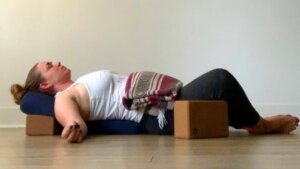
This gentle practice focuses on deep relaxation and rejuvenation. Restorative yoga sequences typically involve a few gentle poses held for extended periods, often with generous support from props such as bolsters, blankets, and blocks. The aim is to facilitate passive stretching and deep relaxation, allowing the body to fully release tension and the nervous system to calm. Poses often include supported forward folds, gentle twists, and reclined positions. It is highly recommended for stress reduction, recovery from illness or injury, and as a practice before bedtime to promote restful sleep. Its appeal lies in its ability to offer profound relaxation, making it a sanctuary for those seeking to unwind and restore balance in a fast-paced world.
Power Yoga
As a robust offshoot of Vinyasa, Power Yoga is designed to be more challenging and physically demanding. While it adheres to the fluid, breath-synchronized movement principles of Vinyasa, Power Yoga instructors often incorporate more intense sequences, faster transitions, or longer holds in strength-building poses. The goal is to build significant physical strength, stamina, and mental fortitude. Practitioners can expect a rigorous workout that truly tests their limits. Power Yoga appeals to those who seek a high-intensity physical challenge, enjoy sweating, and are motivated by measurable gains in strength and endurance. Its energetic nature and fitness-oriented approach resonate strongly with individuals looking for a powerful and transformative physical practice.
Ashtanga Yoga: The Path of Discipline
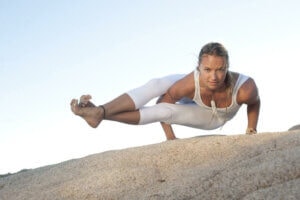
With 25% of respondents, Ashtanga Yoga maintains a significant following. This style is a specific form of Vinyasa characterized by a prescribed sequence of poses that are performed in the same order every time. The consistency of the sequence, known as the Primary Series, Secondary Series, and so forth, is a defining feature of Ashtanga.
This unwavering routine is particularly attractive to practitioners who thrive on structure and enjoy knowing what to expect in their practice. It fosters discipline, focus, and allows individuals to track their progress meticulously as they master each pose and transition. Ashtanga is a physically demanding practice that builds immense strength, flexibility, and concentration, linking movement with a specific breathing technique (Ujjayi breath) and gazing points (Drishti). Its rigorous nature and systematic approach make it a powerful tool for self-transformation, appealing to those committed to a deeply disciplined and progressive yoga journey.
Yin Yoga: The Art of Stillness and Depth
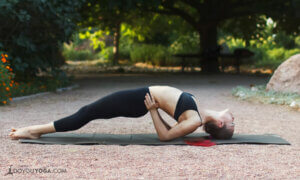
Capturing 17% of the responses, Yin Yoga offers a complementary practice to the more dynamic "yang" styles. Similar to Restorative yoga in its long-held poses, Yin yoga distinguishes itself by targeting the body’s deeper connective tissues—ligaments, joints, fascia, and bones—rather than the muscles. Poses are typically held for three to five minutes, or even longer, allowing for a slow and gentle release into the stretch.
While seemingly passive, Yin yoga can be intensely challenging, requiring significant mental focus and patience to sit with discomfort and stillness. It aims to increase circulation in the joints and improve flexibility, playing a crucial role in injury prevention and maintaining joint health. Often described as a meditative practice, Yin yoga encourages introspection and mindfulness, balancing the fast-paced, muscle-focused "yang" activities of daily life and other dynamic yoga styles. It is highly recommended for anyone seeking to cultivate patience, release deep-seated tension, and enhance their overall range of motion.
Bikram/Hot Yoga: Embracing the Heat
Ten percent of survey respondents reported practicing Bikram or Hot Yoga, styles known for their practice in heated environments. Bikram yoga is a highly regimented form, consisting of 26 specific postures and two breathing exercises performed in a room heated to 35–42 °C (95–108 °F) with 40% humidity. This precise sequence is designed to warm and stretch muscles, ligaments, and tendons in a specific order.
More generic Hot Yoga classes may vary in temperature and sequence, offering a wider range of Vinyasa or Hatha-inspired flows in a heated room. The elevated temperature is believed to aid in detoxification through sweating, increase flexibility, and prevent injuries by warming the muscles. Essential to practicing any hot yoga style is rigorous pre- and post-hydration to manage the intense sweating. These practices appeal to those who enjoy the challenge of the heat, the perceived detoxifying effects, and the sensation of deeper stretching it facilitates.
Iyengar Yoga: Precision and Alignment
Representing 8% of the survey participants, Iyengar Yoga is a distinct subset of Hatha Yoga renowned for its meticulous attention to detail, precision in alignment, and the extensive use of props. Founded by B.K.S. Iyengar, this style emphasizes holding poses for extended periods, focusing on proper body mechanics and alignment to ensure safe and effective practice.

Iyengar classes often feature the use of props like blocks, straps, blankets, and chairs, which help practitioners achieve correct alignment in poses, regardless of their flexibility or strength limitations. This therapeutic approach makes Iyengar yoga particularly beneficial for individuals with injuries or physical limitations, as well as those seeking a deep understanding of anatomical precision in their yoga practice. The emphasis on intellectual engagement with each pose, coupled with the systematic progression through a vast repertoire of postures, appeals to those who value a methodical, detail-oriented, and often therapeutic approach to yoga.
Expert Insights and Broader Implications
The findings of the DoYou Global Yoga Survey offer critical insights into the contemporary yoga landscape. A spokesperson for DoYou.com, commenting on the survey’s implications, stated, "The sheer diversity of yoga styles embraced globally underscores yoga’s adaptability and universal appeal. While Vinyasa Flow clearly leads, the strong showing of foundational practices like Hatha and specialized styles like Restorative and Yin indicates that practitioners are seeking a wide array of benefits, from vigorous physical conditioning to profound mental and emotional restoration."
Industry experts suggest that these trends will likely influence the future offerings of yoga studios and online platforms. The continued dominance of dynamic styles like Vinyasa and Power Yoga highlights a persistent demand for fitness-oriented practices. Simultaneously, the significant participation in Hatha, Restorative, and Yin Yoga points to a growing recognition of yoga’s therapeutic and restorative capacities. This suggests that a balanced curriculum, offering both energetic and calming practices, will be key for studios to cater to the diverse needs of their clientele.
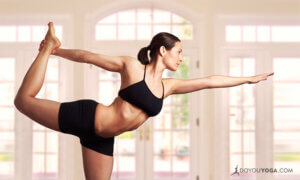
The survey also reinforces the idea that yoga is not a monolithic practice but a vast, multifaceted discipline. It encourages both seasoned yogis and newcomers to explore different styles, moving beyond their comfort zones to discover new dimensions of their practice. "The beauty of yoga lies in its breadth," the DoYou.com spokesperson added. "We hope these findings empower individuals to experiment, challenge their preconceptions, and ultimately find the style or combination of styles that best supports their personal journey towards holistic well-being."
In conclusion, the DoYou Global Yoga Survey has provided an invaluable window into the preferences of the global yoga community. From the dynamic flows of Vinyasa to the introspective stillness of Yin, the survey confirms that yoga continues to be a vibrant and evolving practice, offering a unique pathway to health, strength, and inner peace for millions worldwide. Practitioners are encouraged to leverage these insights not just to confirm their own choices but to inspire further exploration and enrichment of their yoga journey.

