

Benign prostatic hypertrophy (BPH), commonly known as an enlarged prostate, affects a significant portion of the male population, leading to a range of distressing lower urinary tract symptoms. New research and a review of existing studies are shedding light on the potential of natural dietary interventions, specifically cranberries and pumpkin seeds, to offer relief where conventional treatments falter or present undesirable side effects. The prevalence of BPH is substantial, with over 50% of men in their 50s and at least 70% of those over age 60 experiencing its effects. These can include frequent nighttime urination, urgency, and a weakened stream, significantly impacting quality of life.
The Challenge of Conventional BPH Treatments
Current medical management of BPH typically involves pharmaceutical interventions and, in more severe cases, surgical procedures. While these treatments can be clinically effective in alleviating symptoms, they are not without their drawbacks. Many patients experience adverse side effects, which can range from sexual dysfunction to psychological impacts like depression. These side effects, coupled with the potential for serious complications such as high-grade prostate cancer being misidentified or exacerbated by treatment, contribute to low patient compliance rates. When medication proves insufficient, invasive procedures like transurethral resection of the prostate (TURP) become the next recourse, carrying their own set of risks and recovery periods. This scenario highlights a clear unmet need for alternative, well-tolerated, and effective management strategies.
Dietary Patterns and Prostate Health: A Shifting Landscape
Broader epidemiological studies have long suggested a correlation between dietary habits and prostate health. Research indicates that diets characterized by low animal protein intake and a high consumption of fruits and vegetables may offer a protective effect against prostate issues. However, the nuances of these associations are critical. Not all animal proteins appear to pose the same risk; studies have pointed to eggs and poultry as potentially more detrimental than red meat or dairy. Similarly, refined grains have been implicated, while no significant association has been found with red meat or dairy consumption in some analyses. This evolving understanding underscores the complexity of diet and health, moving beyond simplistic dietary restrictions to a more granular examination of specific food groups and their components.
Examining the Evidence: Beyond Anecdote
While population studies offer valuable insights, the scientific community has increasingly focused on rigorous, randomized controlled trials (RCTs) to validate the efficacy of specific foods and supplements. For decades, the herb saw palmetto was a popular natural remedy for BPH, with over 30 RCTs conducted. However, a comprehensive review of this extensive research has largely concluded that saw palmetto is, in fact, ineffective for treating the condition, underscoring the importance of evidence-based validation for all therapeutic claims, natural or otherwise. This finding serves as a cautionary tale, emphasizing that historical use or traditional remedies do not automatically translate to scientific efficacy.
Cranberries: A Centuries-Old Remedy Put to the Test
The use of cranberries for urinary ailments dates back to Native American traditions. Modern scientific inquiry has sought to substantiate these historical observations. A notable study investigated the impact of powdered whole cranberries on men experiencing BPH symptoms. Participants consuming approximately one teaspoon (around 3 grams) of powdered whole cranberries daily—distinct from dried cranberries, often laden with added sugar and oil—reported significant improvements in their BPH symptoms. These improvements extended to their overall quality of life and various urination parameters, suggesting a tangible benefit from regular cranberry consumption.
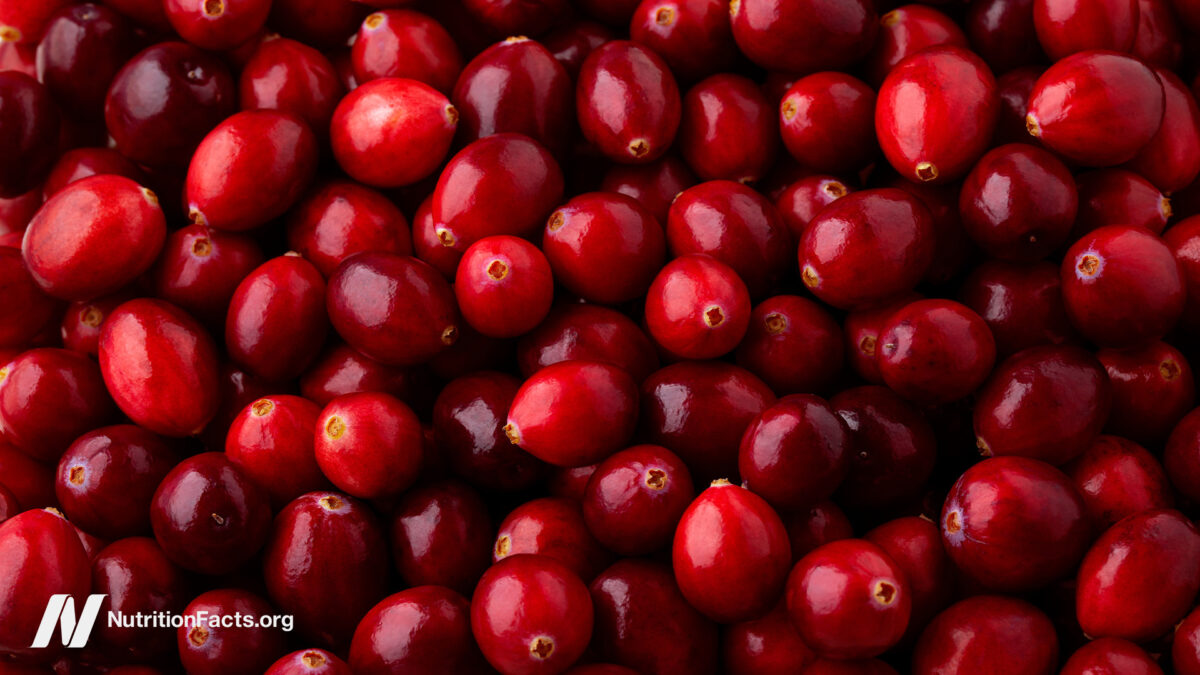
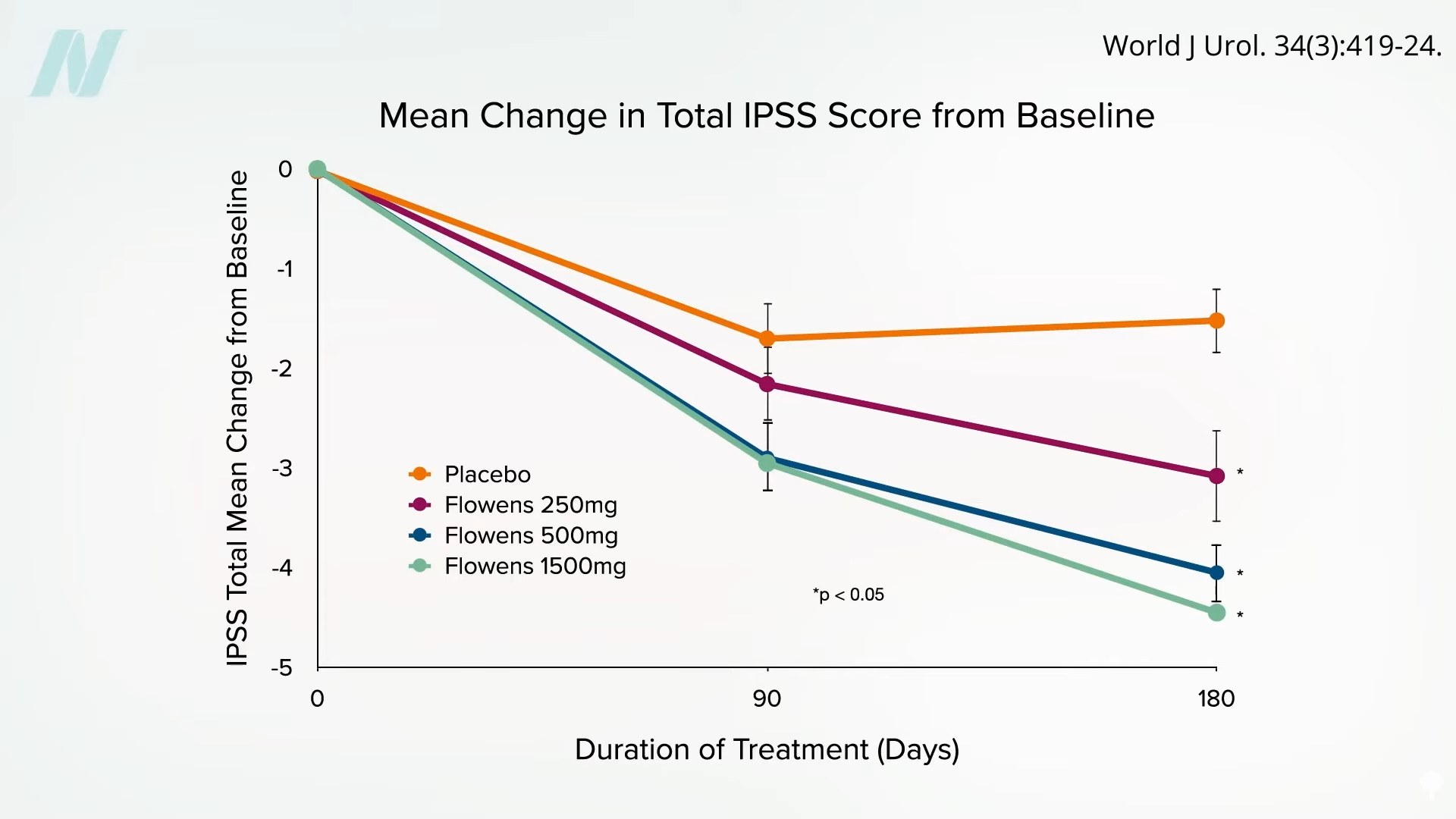
Further research explored the dose-response relationship of cranberry powder. Studies, including one that utilized a supplement form (though the active ingredient was simply pure cranberry powder), demonstrated that even lower doses, such as a third or a sixth of a teaspoon, also yielded positive effects. The graph from this study visually represented the positive impact, with the bottom green line illustrating the significant symptom reduction observed in participants consuming one teaspoon of powdered cranberries. The funding source for this particular study was a supplement company, which prompted the recommendation that consumers could achieve similar benefits by purchasing bulk cranberry powder at a lower cost and incorporating it into their diets, such as by adding it to smoothies. In contrast, attempts to achieve similar benefits through other beverages, such as purple grape juice, yielded no discernible positive outcomes.
Pumpkin Seeds: A Traditional Remedy with Emerging Scientific Support
Beyond cranberries, pumpkin seeds have also been recognized in traditional medicine for their potential to address prostate disorders. Centuries of folk use have suggested their efficacy, and preliminary laboratory studies have shown that pumpkin seed extracts can inhibit the growth of BPH prostate cells in a petri dish setting. This in vitro evidence, demonstrating a direct impact on cellular proliferation, fueled further investigation into their effects in human subjects.
The scientific exploration of pumpkin seeds has progressed to human trials. One study investigated the impact of pumpkin seed oil on prostate issues. When directly compared against the pharmaceutical drug Prazosin, a common BPH medication, pumpkin seed oil appeared to offer comparable symptomatic relief. Similar results were observed when pitted against another BPH drug, Terazosin. However, these studies lacked a placebo control group, which is crucial for definitively determining the efficacy of an intervention. The absence of a placebo comparison leaves room for uncertainty regarding whether the observed benefits were solely attributable to the pumpkin seed oil or influenced by other factors.
To address this gap, a more comprehensive study was conducted, involving over a thousand men. Participants were randomized into three groups: one receiving pumpkin seed extract, another a placebo, and the third consuming approximately one tablespoon (about 7.5 grams) of plain pumpkin seeds daily. This study, though funded by a drug company that also produced a supplement, yielded compelling results. The pumpkin seed extract supplement did not perform significantly better than the placebo, failing to demonstrate a clear therapeutic advantage. However, the group consuming whole pumpkin seeds experienced significant improvements in their BPH symptoms. This finding was critical, as it indicated that the benefits were not solely derived from specific compounds extracted into oil, but rather from the whole seed itself.
Subsequent research has further supported the efficacy of pumpkin seeds, with studies even showing that oil-free extracts can be effective. The conclusion drawn by the researchers in the large-scale study was that plain pumpkin seeds could be recommended for individuals managing mild to moderate BPH symptoms. This conclusion has garnered broader acceptance within the medical and regulatory communities. The European Medicines Agency (EMA), the European equivalent of the U.S. Food and Drug Administration, has also recognized the potential of pumpkin seeds, stating that they can be used to alleviate lower urinary tract symptoms associated with an enlarged prostate, provided that more serious underlying medical conditions have been ruled out by a qualified healthcare professional.
Broader Implications and Future Directions
The growing body of evidence supporting the efficacy of cranberries and pumpkin seeds for BPH offers a hopeful outlook for men seeking natural and well-tolerated management options. These findings suggest a paradigm shift towards incorporating evidence-based dietary interventions as a first-line or complementary approach to BPH care. The implications extend beyond symptom relief; by offering alternatives with fewer side effects, these natural remedies have the potential to improve patient adherence to treatment regimens, ultimately leading to better long-term health outcomes.
The research also highlights the importance of consuming whole foods rather than relying solely on isolated extracts or supplements. The success of whole pumpkin seeds, in contrast to their extract in one study, underscores the complex synergistic effects of nutrients present in whole plant-based foods. This principle aligns with broader nutritional science, which increasingly emphasizes the benefits of a diet rich in whole, unprocessed foods.
Further research could focus on optimizing dosages, identifying the specific bioactive compounds responsible for the observed effects, and exploring potential synergistic interactions between cranberries, pumpkin seeds, and other beneficial foods. Additionally, long-term studies would be valuable to assess the sustained efficacy and safety of these natural interventions.
Doctor’s Notes and Related Resources
For those interested in further exploring natural approaches to prostate health, additional resources are available. The impact of flaxseeds on prostate cancer has been detailed in a separate video titled "Flaxseeds vs. Prostate Cancer," which suggests that flaxseeds may offer therapeutic efficacy comparable to commonly used drugs with only beneficial side effects.
The potential role of cranberries in cancer prevention has also been investigated in a video titled "Cranberries vs. Cancer." Furthermore, a video addressing the common question of whether cranberry juice can treat bladder infections is available, offering insights into its efficacy for different urinary tract issues.
The scientific validation of these natural remedies represents a significant step forward in the management of BPH, offering men more informed and potentially gentler avenues for improving their health and well-being.

