

A controversial series of papers published in the Annals of Internal Medicine has ignited a firestorm of debate within the public health and nutrition communities. These studies, conducted by a self-appointed panel, largely discounted vast swathes of existing research to conclude that individuals should continue their current levels of red and processed meat consumption. This conclusion stands in stark contrast to decades of public health advice and, critics argue, even contradicts some of the panel’s own findings regarding the health risks associated with meat intake.
The core of the controversy lies in the methodology employed by the panel, known as NutriRECS (Nutrition Recommendations and Evidence Syntheses). The group utilized the GRADE (Grading of Recommendations Assessment, Development, and Evaluation) criteria, a system primarily designed for evaluating evidence from drug trials. While this rigorous approach is appropriate for pharmaceutical interventions, its strictness, critics contend, is ill-suited for assessing complex dietary and lifestyle factors.
Questionable Methodology and Discounted Evidence
The GRADE system prioritizes randomized, double-blind, placebo-controlled trials. However, such trials are often ethically or practically impossible to conduct for dietary interventions. The panel’s application of these stringent criteria led them to classify much of the existing evidence linking meat consumption to chronic diseases as "low" or "very low" quality. This approach effectively sidelined a substantial body of observational studies, meta-analyses, and systematic reviews that have consistently pointed towards potential health detriments associated with high meat intake.
By predominantly focusing on a narrow subset of evidence, the NutriRECS panel aimed to re-evaluate established dietary guidelines. Their publications suggested that the public health recommendations to limit red and processed meat consumption were not supported by high-quality evidence, thereby advocating for a continuation of existing dietary habits. This stance has been met with widespread criticism from nutritionists, public health officials, and medical professionals who argue that the panel’s methodology is flawed and cherry-picked to achieve a predetermined outcome.
Internal Contradictions and Alarming Findings
Despite their efforts to downplay the evidence, the NutriRECS panel’s own analyses did not entirely escape the established links between meat consumption and adverse health outcomes. Even after excluding significant portions of the available data, the papers acknowledged an association between meat intake and an increased risk of cancer. Furthermore, the research indicated that diets lower in red or processed meat consumption may indeed decrease risks for premature death, cardiometabolic diseases (such as heart disease and type 2 diabetes), and cancer mortality.
However, in a move that has baffled many in the scientific community, the panel concluded their recommendations by advising the public to "continue current unprocessed red meat consumption" and "continue current processed meat consumption." This paradoxical outcome, where findings suggest harm but recommendations advocate for continuation, has led to accusations that the panel prioritized consumer preferences over established health science.
The "Taste Cost" Argument and Industry Influence
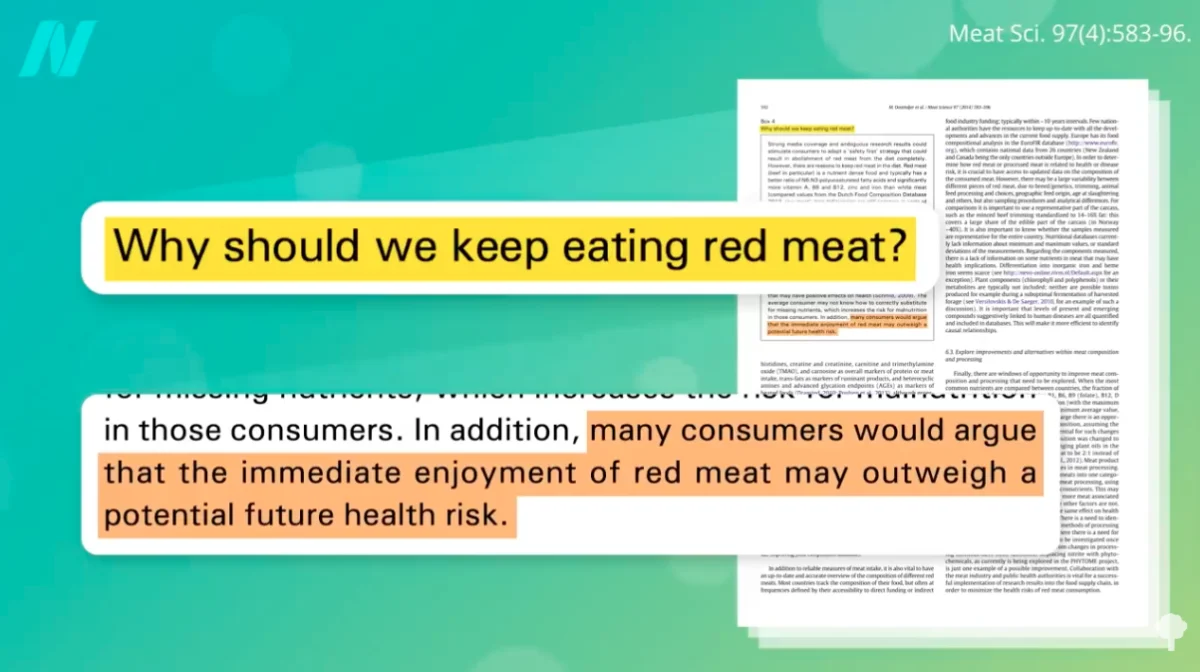
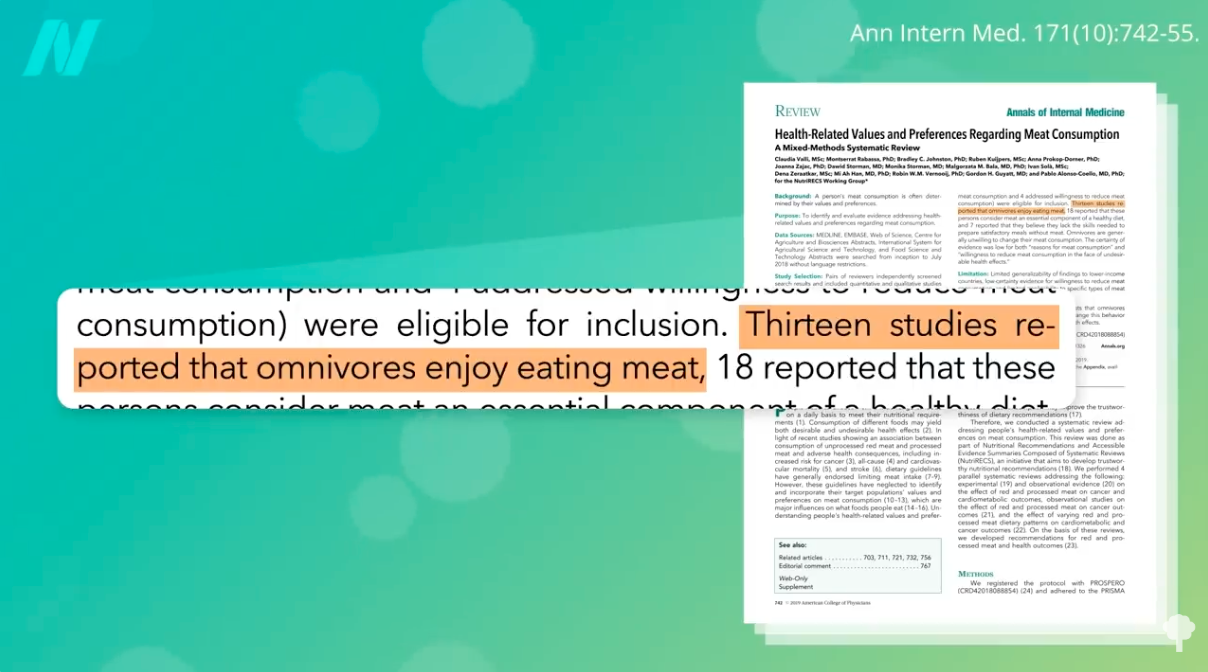
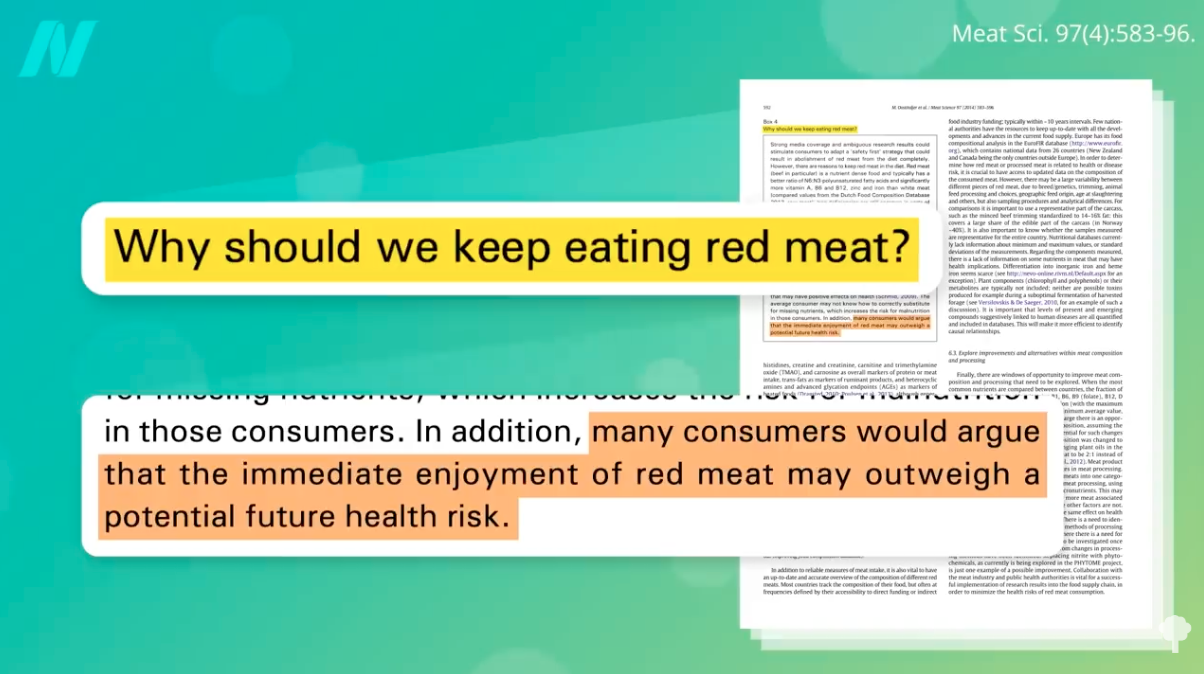
The panel’s rationale for their recommendations appears to hinge on what they term the "taste cost" associated with dietary changes. They suggest that for the majority of people, the perceived benefits of reducing meat consumption – such as lowering the risk of cancer and heart attacks – do not outweigh the "undesirable effects," which they identify as giving up enjoyable foods. One of the studies cited by the panel reviewed consumer preferences and found that people "enjoy eating meat." This, coupled with the observation that omnivores are generally unwilling to change their meat consumption habits even when faced with health concerns, formed a significant part of their justification for maintaining current consumption levels.
This emphasis on consumer preference over potential health risks has raised serious questions about the panel’s independence and potential biases. Reports have surfaced indicating that the NutriRECS panel received "generous support" from organizations with significant ties to the meat industry. This financial backing, critics argue, may have unduly influenced the panel’s research agenda and ultimate conclusions, leading to recommendations that align with industry interests rather than robust public health guidance.
This is not the first time NutriRECS has been involved in controversial guideline development. The same panel also published a paper criticizing established guidelines on sugar consumption, a project reportedly funded by the soda and candy industries. This pattern suggests a consistent approach by NutriRECS to challenge and potentially weaken public health recommendations, particularly when those recommendations might impact industries that provide them with funding.
Expert Reactions and the "Anti-Science" Label
The publication of these papers has elicited strong reactions from a wide array of experts. Dr. David Katz, director of Yale’s Prevention Research Center, has been particularly vocal in his criticism, labeling the guidelines as "anti-science." He argues that guidelines that contradict the very data on which they are supposedly based are not a product of scientific inquiry but rather a deliberate misrepresentation of it.
"Guidelines opposing the very data on which they purport to be based are not science; they are anti-science," Dr. Katz stated, drawing parallels to potentially recommending against smoking cessation or exercise, despite overwhelming evidence of their health benefits. He likened the panel’s logic to suggesting that since some people prefer the feeling of wind in their hair to wearing a motorcycle helmet, society should stop recommending helmets.
Other nutritionists have expressed dismay, noting that the panel’s methodology would effectively discredit recommendations on numerous other health-related behaviors. If the strict GRADE criteria were applied universally to dietary, lifestyle, and environmental factors, current advice on issues like low fruit and vegetable intake, high sugar-sweetened beverage consumption, alcohol moderation, physical activity, safe sex, adequate sleep, passive smoking, and air pollution would all lack high- or even moderate-quality evidence.
A Broader Context: Industry Influence on Health Guidelines
This controversy is part of a larger pattern where industry funding and influence can potentially shape public health recommendations. Historically, various industries have sought to influence scientific research and public perception to protect their commercial interests. The meat industry, in particular, has invested heavily in research and advocacy aimed at promoting its products and downplaying potential health concerns.
The NutriRECS panel’s approach, which emphasizes consumer preferences and minimizes perceived risks, can be seen as a strategic move to counter the growing body of evidence linking meat consumption to chronic diseases. By framing their recommendations around "taste cost" and consumer satisfaction, they are attempting to shift the public health discourse away from risk reduction and towards a model that accommodates existing eating habits, even if those habits are demonstrably harmful.
The Implications for Public Health and Consumer Choice
The implications of these conflicting recommendations are significant. Consumers are often bombarded with a barrage of often contradictory health advice, making it challenging to make informed decisions about their diet and lifestyle. When a prominent medical journal publishes studies that appear to undermine long-standing public health advice, it can lead to confusion, distrust in scientific institutions, and ultimately, poorer health outcomes.
The debate highlights a critical tension between scientific evidence and consumer preferences, particularly when those preferences are deeply ingrained and commercially supported. While acknowledging the importance of individual autonomy and the enjoyment of food, public health guidelines have traditionally prioritized evidence-based strategies to prevent disease and promote longevity. The NutriRECS recommendations appear to challenge this fundamental principle by suggesting that individual "taste costs" should dictate public health advice, even when such advice is strongly supported by scientific data.
The Annals of Internal Medicine published the NutriRECS papers with a press release asserting, "No need to reduce red or processed meat consumption for good health." This statement, in itself, has been widely criticized as misleading and potentially dangerous. It effectively dismisses years of research and the consensus of many leading health organizations that advocate for moderation in red and processed meat intake to mitigate risks of serious illness.
Looking Ahead: The Future of Dietary Guidance
The controversy surrounding the NutriRECS papers underscores the need for transparency, rigorous independent research, and robust conflict-of-interest policies in the development of health guidelines. As the debate continues, it serves as a stark reminder that the pursuit of public health requires an unwavering commitment to scientific integrity, even when faced with powerful industry pressures and the complexities of human dietary habits. The question remains: will future dietary guidance be shaped by the most robust scientific evidence, or will it be swayed by the perceived preferences of consumers, potentially at the expense of their long-term well-being? The outcome of this debate will undoubtedly have a lasting impact on how nutritional science informs public health policy and individual dietary choices.

