

By the time individuals reach the age of 50, it is estimated that approximately half of the population, encompassing both men and women, will experience some degree of hair loss. Contrary to popular belief, common misconceptions suggest that excessive hair washing or brushing might be the culprits. However, scientific research has largely debunked these notions, identifying genetics as the primary driver behind age-related hair thinning. Studies focusing on identical twins have revealed that the heritability of baldness in men is remarkably high, estimated at 79%, indicating that roughly 80% of the variations in hair loss among men can be attributed to genetic factors. Nevertheless, this genetic predisposition does not paint the complete picture, leaving room for other influencing elements.
The Multifaceted Nature of Hair Loss: Beyond Genetics
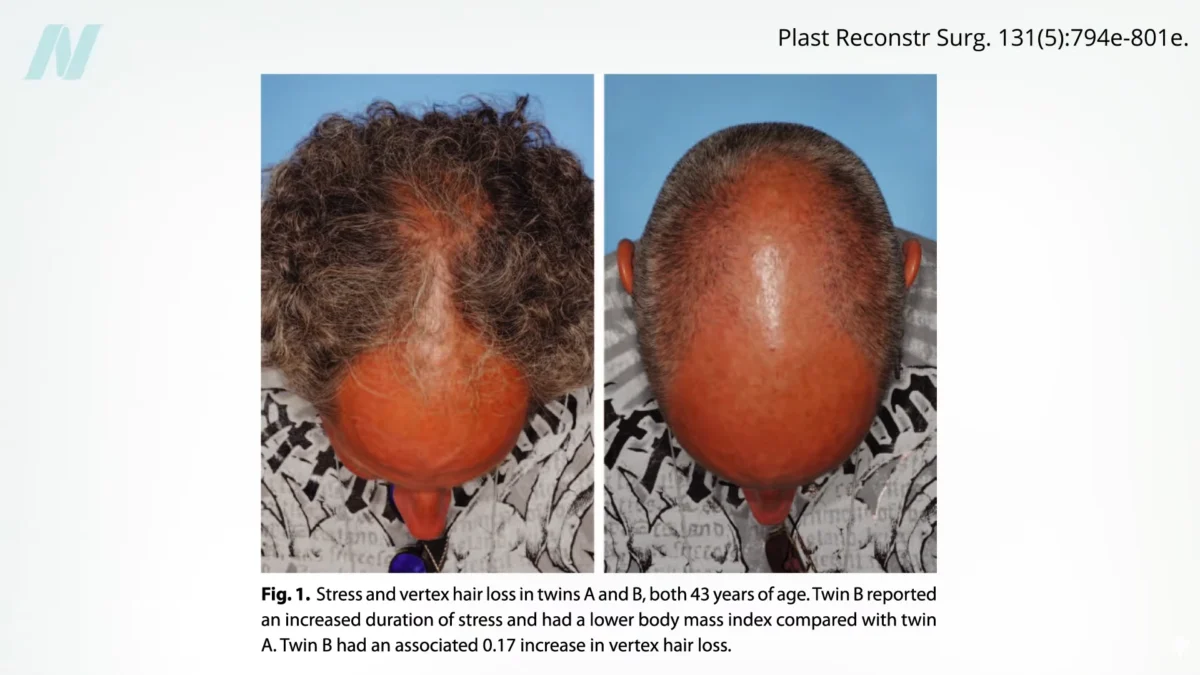
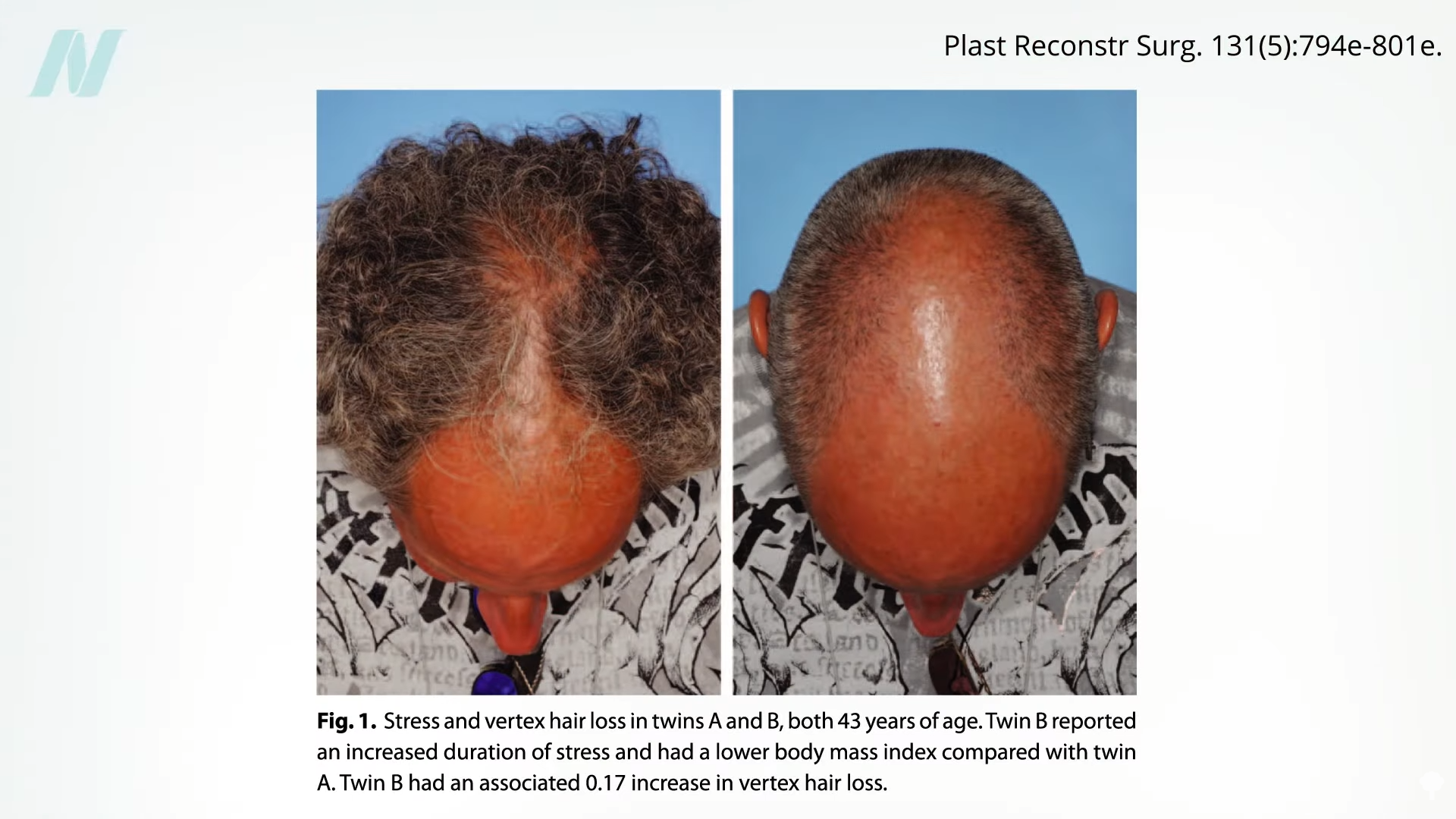
Even in instances involving identical twins, who share the same DNA, disparities in hair loss can emerge. One twin sister, for example, might exhibit more significant hair thinning than her genetically identical counterpart due to lifestyle factors such as increased stress levels, a history of smoking, having had more children, or pre-existing medical conditions like high blood pressure or cancer. Visual evidence from studies on twins underscores this point. In one documented case, identical twin brothers, sharing identical genetic makeup, displayed different patterns of hair loss. The twin on the right reported experiencing a higher level of life stress, a factor that can demonstrably impact hair health. Similarly, another pair of identical twins showcased a divergence in hair density, with the twin on the right being a documented smoker and consuming more alcohol, further highlighting the role of environmental and lifestyle choices.
Environmental Toxins and Their Impact on Hair Follicles
The detrimental effects of smoking extend beyond general health, contributing to both male and female pattern baldness. Cigarettes contain genotoxic compounds that can directly damage the DNA within hair follicles. Furthermore, these compounds can induce microvascular poisoning at the base of the hair follicle, compromising its ability to support healthy hair growth. Beyond tobacco, other toxic agents have been identified as potential contributors to hair loss. Mercury, for instance, has been observed to concentrate in growing scalp hair at levels approximately 250 times higher than in other tissues. Historical accounts suggest that even prominent figures may have suffered from hair loss due to mercury poisoning. William Shakespeare’s well-documented thinning hair, for example, has been theorized by some researchers to be a consequence of mercury treatment for syphilis, a condition prevalent during his lifetime. While modern medical practices have largely abandoned mercury for such treatments, it remains a concern in contemporary society.
The primary route for mercury exposure in the United States today, as indicated by the Centers for Disease Control and Prevention (CDC), is through the consumption of seafood. This is particularly relevant for women of reproductive age who often seek medical intervention for hormone-related hair loss, especially around menopause. In one notable case, a 43-year-old woman experiencing early menopause and significant hair loss was found to have elevated mercury levels. Her dietary habits revealed a high intake of tuna, a fish known to accumulate mercury. Upon discontinuing tuna consumption, her mercury levels decreased, and within two months, her hair began to regrow. A complete regrowth was observed after seven months on a fish-free diet. This case underscores the importance for healthcare professionals to consider screening for mercury toxicity in patients presenting with hair loss, as it can be a treatable cause. Advising patients to reduce their intake of certain types of fish and conducting follow-up blood tests can offer symptomatic relief and identify potential sources of heavy metal-induced hair loss.
Nutrient Deficiencies: A Less Common Culprit for General Hair Loss
While nutrient deficiencies can indeed cause hair loss, this is often in specific, often extreme, circumstances. Following bariatric surgery, for example, hair loss is a frequent symptom, but this is directly linked to the anatomical alterations designed to induce malabsorption of nutrients. In the general population, there is limited scientific evidence to support the notion that vitamin and mineral supplementation effectively benefits individuals unless they are clinically deficient in those specific nutrients.
The historical understanding of scurvy, a severe vitamin C deficiency, unequivocally demonstrates its capacity to cause hair loss. However, beyond a certain baseline level of vitamin C sufficiency—sufficient to prevent the characteristic bleeding gums—there is a lack of data correlating vitamin C levels with hair loss. This suggests that once the body has adequate levels to prevent overt deficiency diseases, further supplementation does not yield additional benefits for hair health.
The Myth of Biotin and Zinc for Hair Growth
Similarly, the widespread belief that zinc supplements can enhance hair growth is largely a myth, unless a pre-existing zinc deficiency is present. Such deficiencies can occur in individuals who abuse alcohol, for example. However, for those with normal blood zinc levels, consuming additional zinc will not stimulate hair growth and may even lead to adverse side effects. The same principle applies to iron supplements; their efficacy in promoting hair growth is contingent upon the presence of an iron deficiency.
One of the most prevalent ingredients found in over-the-counter hair loss products is vitamin B7, commonly known as biotin. While it is true that a severe biotin deficiency can lead to hair loss, there is a conspicuous absence of robust, evidence-based data to support the claim that biotin supplementation promotes hair growth in individuals who are not deficient. Clinically significant biotin deficiency has not been reported in healthy individuals consuming a balanced diet. A rare exception can occur from the consumption of raw egg whites, which contain avidin, a compound that binds to biotin and inhibits its absorption. However, apart from these rare deficiency syndromes, the idea that biotin supplements significantly enhance hair growth in the general population remains unsubstantiated.
The Perils of Unregulated Supplements and Biotin Interference
The "can’t hurt, might help" attitude toward supplements, particularly those marketed for hair health, is a notion that warrants caution. The supplement industry operates with a degree of regulatory oversight that is significantly less stringent than that governing pharmaceuticals. This can lead to products containing dosages that are not only unnecessary but potentially harmful. In the case of biotin, excessive intake can have serious implications beyond simply failing to promote hair growth. High levels of biotin in the bloodstream can interfere with a wide array of critical laboratory tests. This interference can lead to misdiagnoses and potentially life-threatening consequences. Tests for thyroid function, hormone levels (including pregnancy tests), and even the diagnostic test for a heart attack can be compromised by elevated biotin levels. The FDA has issued warnings regarding this interference, highlighting the potential for severe diagnostic errors.
Furthermore, the supplement industry has a documented history of "shenanigans," as described by some health advocates. Incidents of contamination and incorrect labeling have led to severe health consequences. For instance, an outbreak of selenium toxicity, affecting hundreds of individuals, was traced back to a supplement that contained 200 times the labeled dose due to a manufacturing error. This excessive selenium intake, ironically, led to hair loss, the very condition the product was likely intended to address. Similar incidents involving excessive vitamin A intake have also been reported, demonstrating the potential for unintended harm from unregulated supplement production.
Moving Forward: A Holistic Approach to Hair Health
Understanding the complex interplay of genetics, lifestyle, environmental factors, and nutrient status is crucial for addressing hair loss effectively. While the allure of a quick fix through supplements is understandable, scientific evidence suggests a more nuanced approach is required. The focus should shift towards identifying and mitigating actual deficiencies, avoiding known environmental toxins, and adopting healthy lifestyle habits.
This exploration into biotin and zinc supplements serves as the initial part of a three-part series dedicated to understanding hair loss and growth. Future installments will delve into the benefits and risks associated with pharmaceutical hair loss treatments and explore the role of specific foods in promoting healthy hair growth. For those concerned about mercury exposure, resources are available to guide dietary strategies aimed at reducing heavy metal levels. Examining the broader landscape of the supplement industry also reveals the importance of critical evaluation and informed decision-making regarding product claims and potential risks.

