

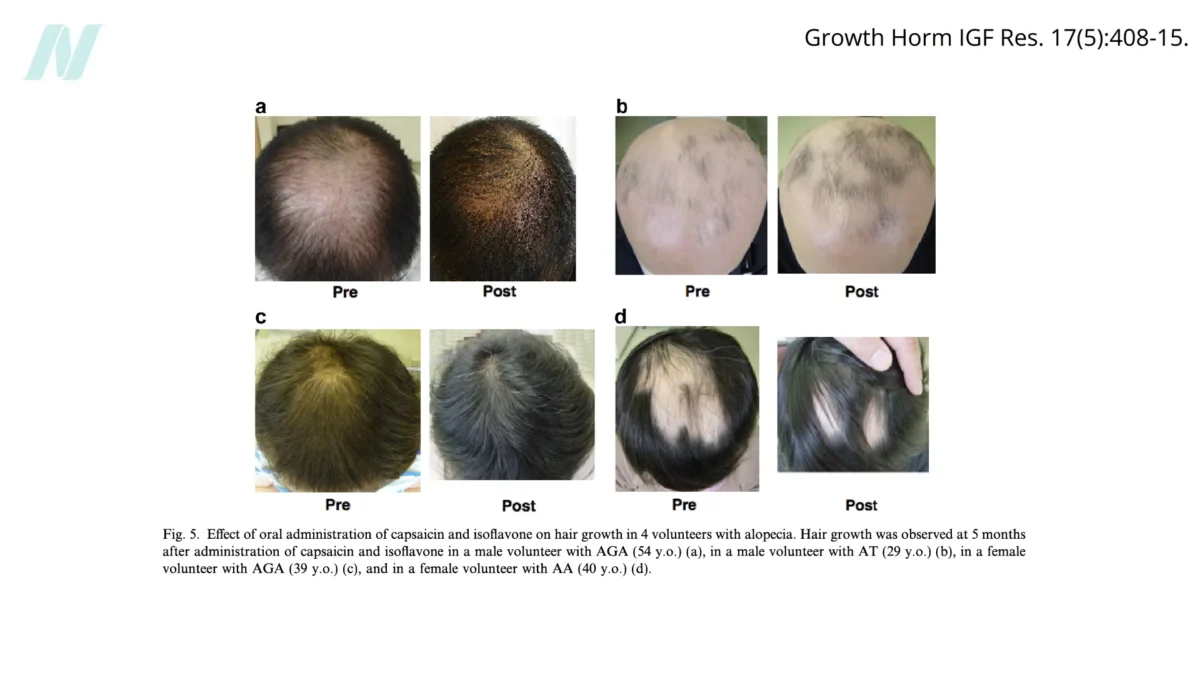
Androgenic or androgenetic alopecia, a pervasive condition frequently encountered by dermatologists, manifests as a gradual thinning of hair, most notably on the central scalp. In men, this is commonly recognized as male pattern hair loss, while in women, it is referred to as female pattern hair loss. The escalating prevalence and significant psychological impact of this condition have spurred extensive research into its causes and potential treatments. While pharmaceutical interventions and specialized supplements have long been the primary focus, emerging scientific evidence is increasingly highlighting the crucial role of dietary interventions in managing and potentially reversing hair loss. This article delves into the latest findings and established research, exploring how specific foods, including hot peppers, soy-based products, and pumpkin seeds, may offer tangible benefits for individuals experiencing hair thinning and loss.
The Gut Microbiome: A Surprising Link to Hair Health
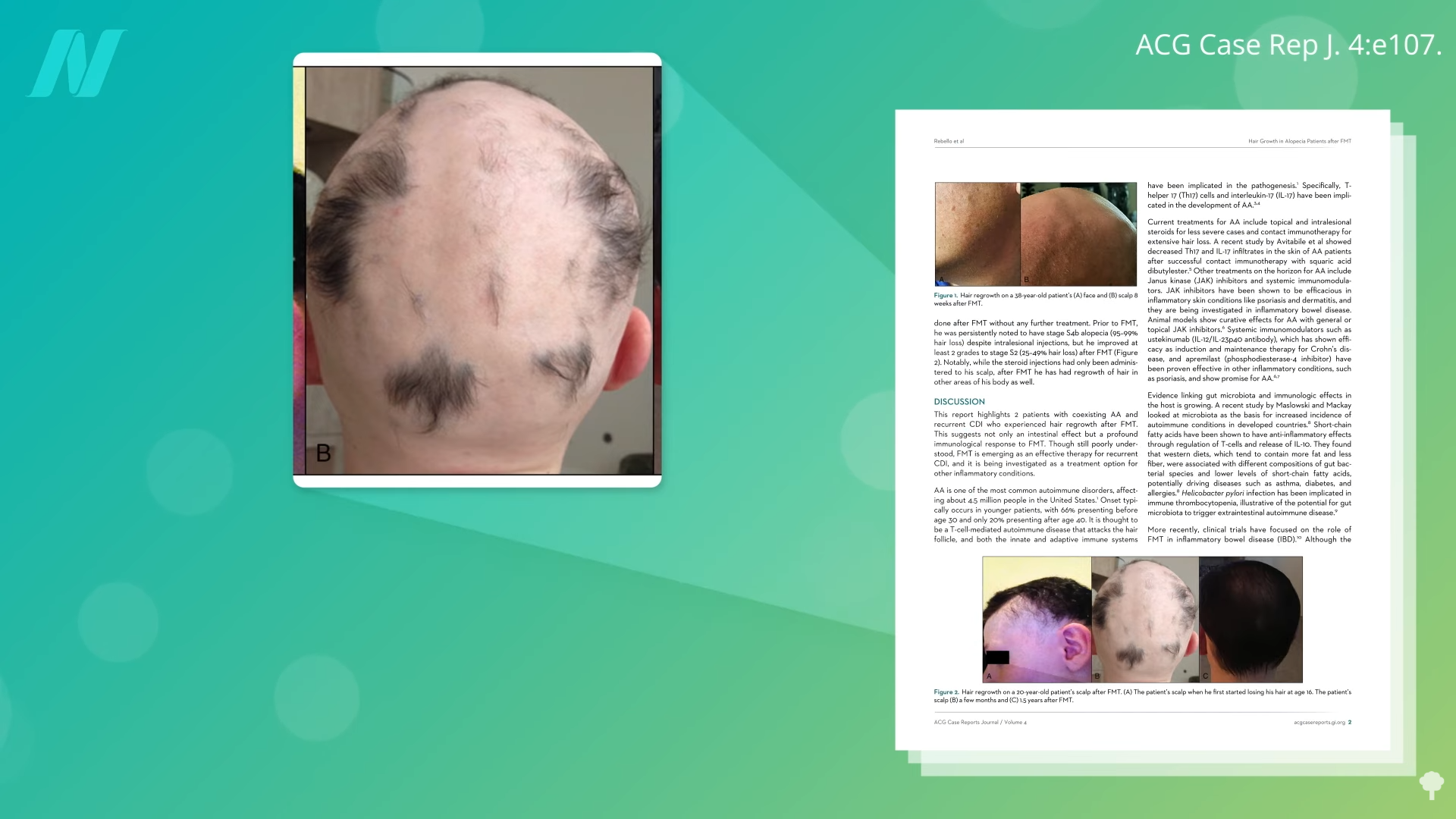
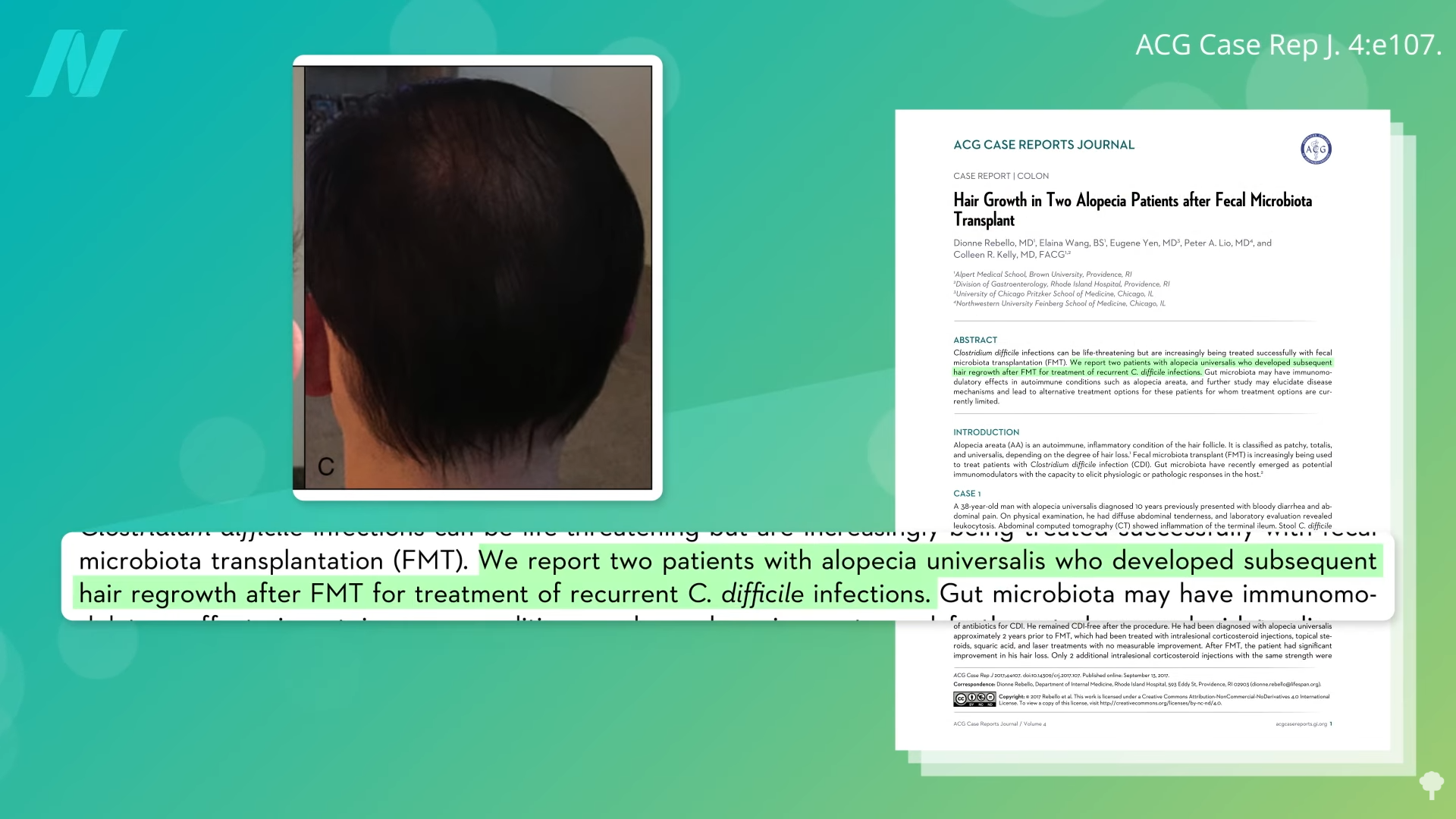
Recent breakthroughs in understanding the human microbiome have offered a compelling new perspective on hair health. Experiments involving fecal microbiota transplantation (FMT), a procedure where fecal matter from a healthy donor is introduced into the gastrointestinal tract of a recipient, have yielded remarkable results in some individuals experiencing hair loss. Studies have documented significant hair regrowth in individuals who were previously bald, following FMT. One notable case, detailed in scientific literature, described a completely bald man who began to regrow hair within months of undergoing the procedure. Over a year later, his hair had fully regenerated.
While the concept of "fecal smoothies" may seem unconventional, these findings underscore the profound influence of the gut microbiome on overall bodily functions, including hair follicle activity. The implication is that maintaining a diverse and healthy population of gut bacteria could be a crucial, albeit indirect, factor in promoting hair growth. This connection suggests that dietary choices that foster a robust gut environment may have far-reaching positive effects, extending to hair health.
Dietary Patterns and Their Association with Hair Loss
Population-based studies have begun to illuminate the dietary habits associated with androgenetic alopecia. Research indicates that male pattern baldness has been linked to suboptimal sleep patterns and the consumption of processed meats and "junk food." Conversely, protective associations have been observed for diets rich in raw vegetables and fresh herbs. Furthermore, regular consumption of soy-based beverages has shown a significant correlation with a reduced risk of moderate to severe hair loss, with weekly consumption linked to a 62% lower incidence. This observation raises the possibility that plant-based foods contain beneficial compounds that can positively influence hair health.
Examining the Evidence for Specific Foods
While anecdotal evidence and traditional remedies abound, rigorous scientific investigation is essential to validate the efficacy of dietary interventions for hair loss. Many early studies relied on animal models, particularly shaved rodents, which may not accurately reflect human physiology. Even in human trials, the absence of placebo controls can make it difficult to ascertain whether observed improvements are due to the intervention itself or other factors.
However, a growing body of well-designed clinical trials is providing more robust evidence.
Hot Peppers and Soy: A Synergistic Approach
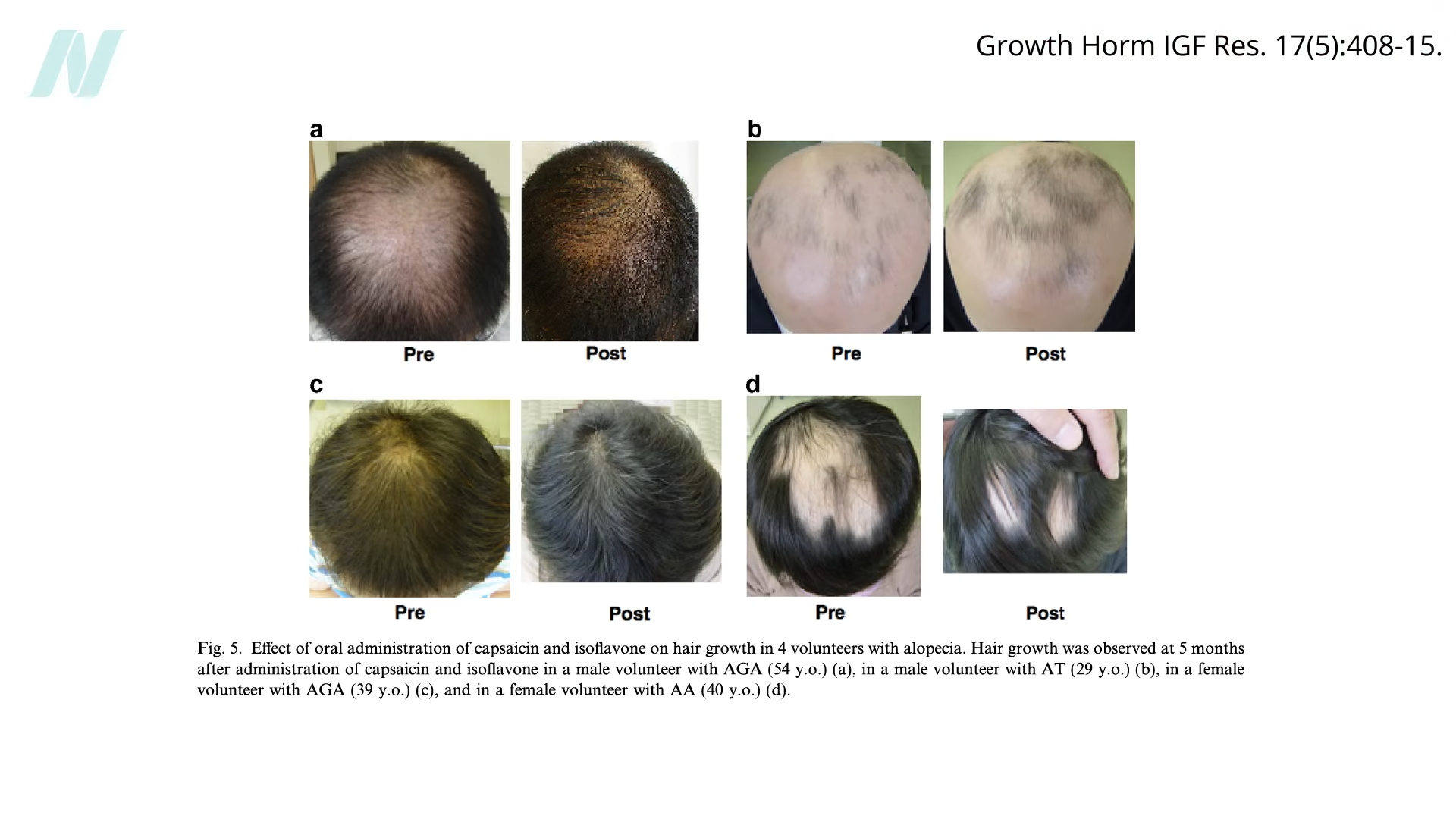
A randomized, double-blind, placebo-controlled study investigated the effects of compounds found in hot peppers and soy on hair growth. The findings demonstrated a significantly greater promotion of hair growth in participants who received these interventions compared to a placebo group. The study involved daily dosages of 6 milligrams of capsaicin, the active compound in chili peppers, and 75 milligrams of isoflavones, a group of compounds found abundantly in soy.
Translating these dosages into real-world food consumption, 6 milligrams of capsaicin can be obtained from approximately a quarter of a fresh jalapeño pepper. This suggests that incorporating this common spice into one’s diet could be a practical strategy. Similarly, 75 milligrams of isoflavones can be consumed by eating three-quarters of a cup of tempeh or a serving of plain soybeans. Soy nuts, while a concentrated source, should be consumed with caution due to potential concerns related to advanced glycation end-products in highly processed, high-fat, and high-protein foods.
Pumpkin Seeds: A Promising Nutritional Powerhouse
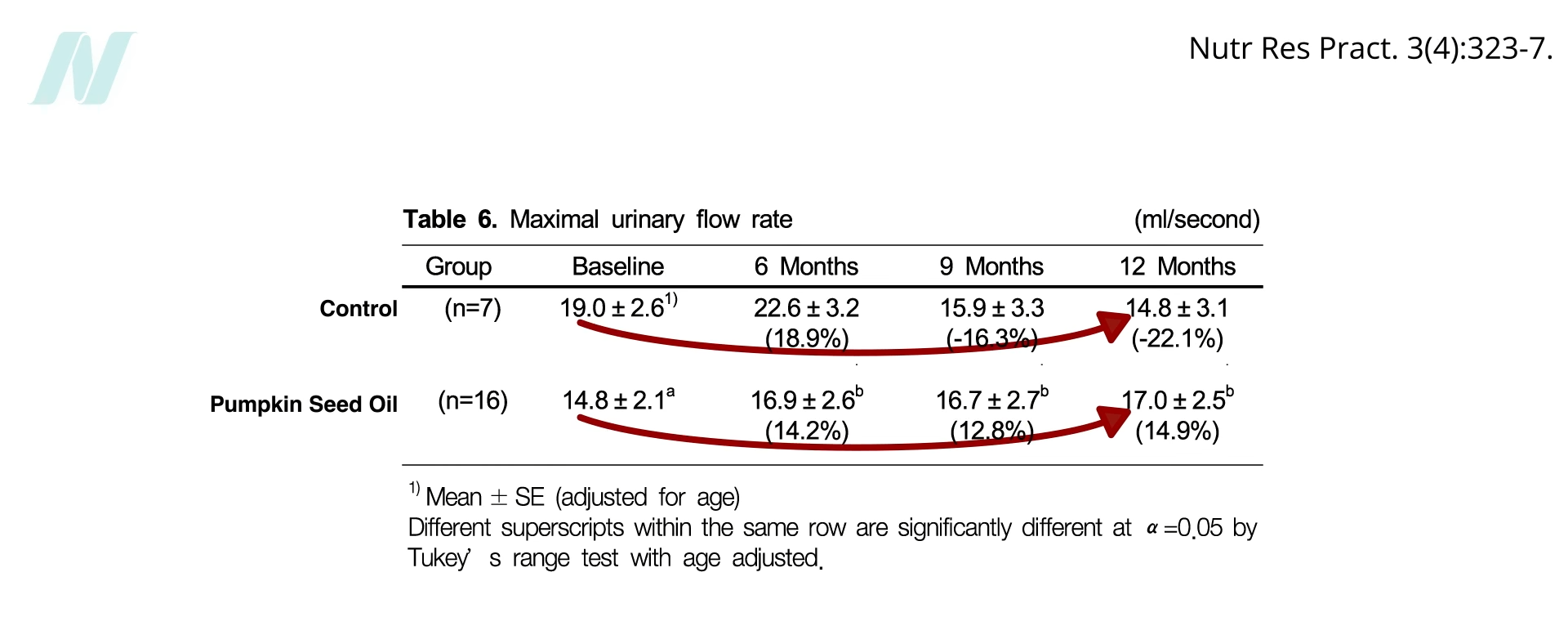
The potential benefits of pumpkin seeds for hair health stem from observations related to their anti-androgen effects. An initial study in 2009, conducted in South Korea, explored the impact of pumpkin seed oil on men with benign prostatic hyperplasia (BPH). Participants who consumed 320 milligrams of pumpkin seed oil daily, equivalent to a mere 1/16th of a teaspoon or a few drops, experienced improved urinary flow rates. This effect was contrasted with the control group, where urinary flow continued to decline. Crucially, individuals consuming the equivalent of just two pumpkin seeds daily showed significant improvements.
This anti-androgen effect, observed in the context of BPH, led researchers to hypothesize that pumpkin seeds might also play a role in mitigating hair loss, which is often influenced by androgen hormones. While topical application of pumpkin seed oil has shown promise in mice, human studies focusing on dietary consumption are more directly relevant.
Clinical Trial on Pumpkin Seed Oil and Hair Growth
A subsequent randomized, double-blind, placebo-controlled trial specifically investigated the effects of pumpkin seed oil on men experiencing male pattern baldness. In this study, 76 men were assigned to receive either 400 milligrams of pumpkin seed oil daily (hidden in capsules, equivalent to consuming two to two-and-a-half pumpkin seeds) or a placebo for several months.
The results, after 24 weeks of treatment, were significant. Participants in the pumpkin seed oil group reported higher self-rated improvement and satisfaction scores. Objectively, they experienced a remarkable 40% increase in hair counts, compared to only a 10% increase in the placebo group. When blinded investigators assessed before-and-after photographs, the pumpkin seed oil group showed significant improvement, with 95% rated as either unchanged or improved. In contrast, over 90% of participants in the placebo group were classified as unchanged or worsened. Importantly, researchers monitored an index of erectile dysfunction and found no evidence of adverse sexual side effects associated with pumpkin seed oil consumption.
Broader Implications and Future Directions
The findings from these studies suggest a paradigm shift in how hair loss is approached, moving beyond solely pharmaceutical solutions to embrace the power of nutrition. The evidence for hot peppers, soy foods, and pumpkin seeds indicates that incorporating these items into a balanced diet may offer a natural and accessible strategy for managing hair loss.
This research forms the concluding part of a three-part series exploring hair loss and growth. Previous installments have examined the efficacy and risks of hair growth supplements and pharmaceutical drugs, providing a comprehensive overview of available treatment options.
The recommended daily intake of nuts and seeds, as outlined in Dr. Greger’s Daily Dozen Checklist, includes a handful of pumpkin seeds. This aligns with the findings of these studies, suggesting that incorporating these nutrient-dense seeds into one’s regular diet is not only beneficial for hair health but also contributes to overall nutritional well-being.
The consistent results from well-designed clinical trials, particularly the randomized, double-blind, placebo-controlled studies, lend significant credibility to the use of these foods as adjuncts in hair loss management. Further research may continue to uncover the precise mechanisms by which these foods exert their effects, potentially leading to more targeted and personalized dietary recommendations for individuals struggling with hair thinning and loss. The growing body of evidence underscores the importance of a holistic approach, recognizing that diet plays a vital and often underestimated role in maintaining hair health.

