

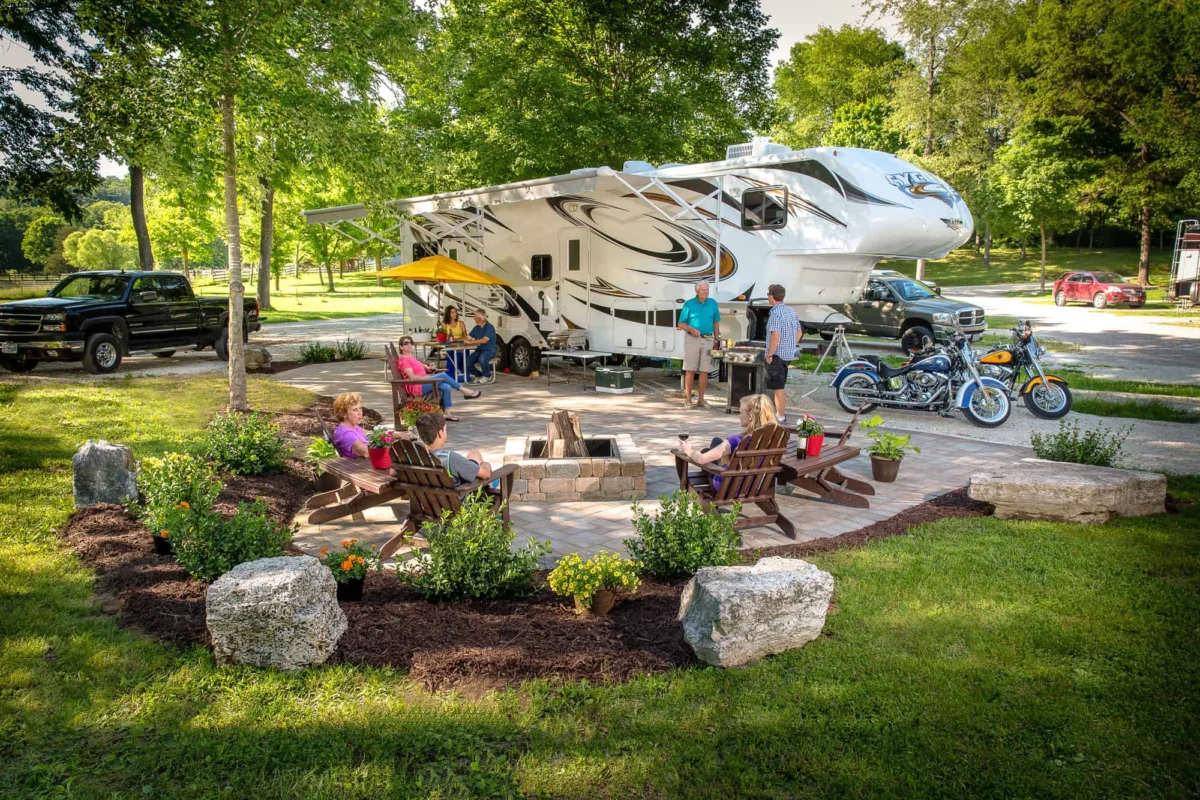
The North American outdoor hospitality sector has experienced a transformative shift over the last decade, evolving from a niche pastime into a multi-billion-dollar industry that bridges the gap between traditional rugged camping and luxury travel. At the forefront of this evolution is Kampgrounds of America, Inc. (KOA), the world’s largest system of privately held campgrounds. With a network comprising more than 500 locations across the United States and Canada, KOA has established a standardized infrastructure that caters to a diverse demographic of travelers, from "weekend warriors" to full-time digital nomads. As of 2024, the RV Industry Association (RVIA) reports that approximately 8.1 million North American households own an RV, with an additional 16.9 million expressing a definitive intent to join the community. This surge in demand has placed a premium on reliable, full-service campsites, making the logistical and operational framework of KOA a critical component of the modern travel landscape.
Historical Context and the Evolution of Outdoor Hospitality
The origins of KOA date back to 1962, a pivotal year for American travel culture. Founded by Dave Drum in Billings, Montana, the first KOA campground was established to provide affordable housing and camping options for travelers en route to the Seattle World’s Fair. Drum’s vision was to create a "franchise" of the outdoors, ensuring that a traveler in Maine would receive the same level of service and facility quality as a traveler in California. This commitment to consistency revolutionized the industry, moving away from the unpredictable nature of early 20th-century "auto camps."
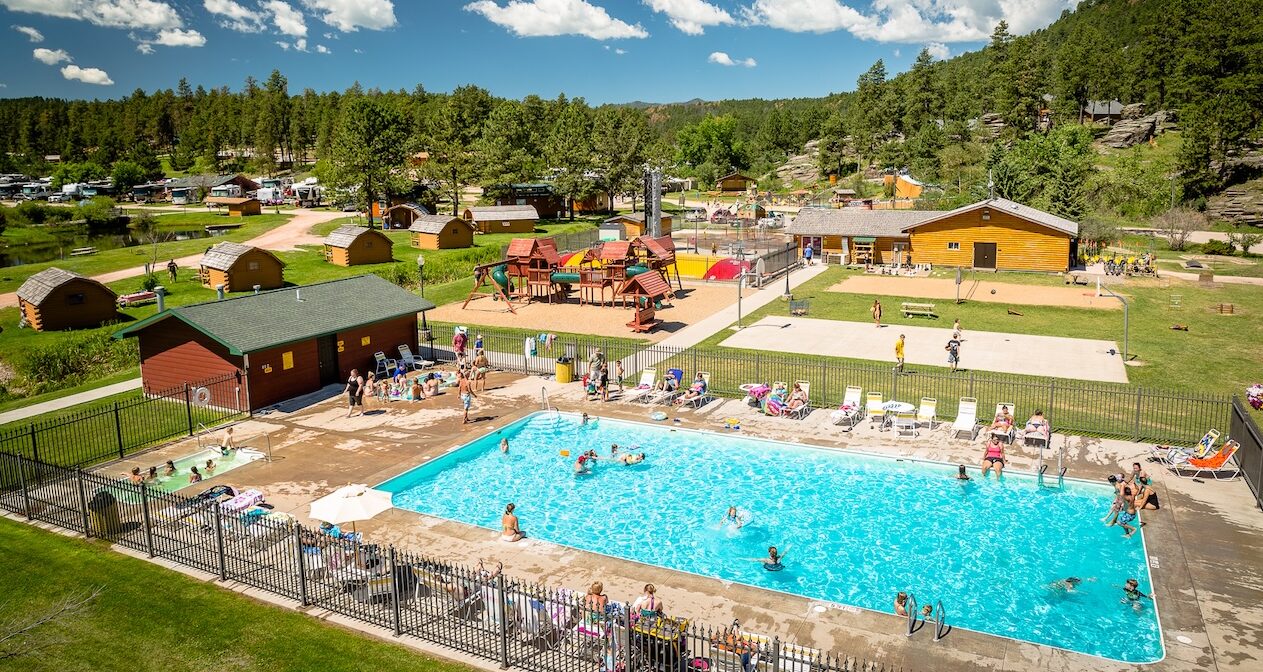
Over the subsequent six decades, KOA transitioned from a simple stopover service to a sophisticated hospitality brand. The company’s growth mirrored the expansion of the U.S. Interstate Highway System, strategically placing campgrounds near major arteries to facilitate cross-country transit. Today, the organization serves as a benchmark for the "outdoor hospitality" movement, a term used by industry analysts to describe the integration of hotel-style amenities—such as Wi-Fi, concierge services, and recreational programming—into the camping experience.
Strategic Categorization: Journey, Holiday, and Resort Models
To manage the varied expectations of modern travelers, KOA implemented a tiered branding system that categorizes its locations based on the intended use of the site. This logistical clarity allows RVers to align their destination with their specific travel objectives.
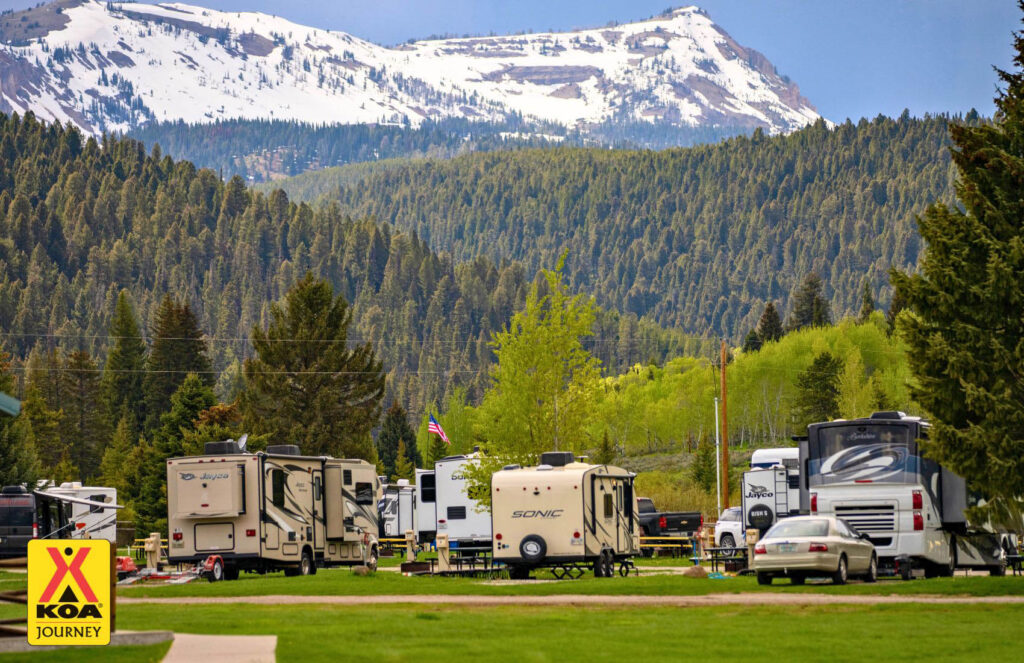
The KOA Journey brand is engineered for the "Cross-Country Voyager." These locations are typically situated near major highways and serve as high-efficiency stopovers. They prioritize ease of access, featuring long pull-through sites that allow large rigs to enter and exit without unhooking tow vehicles. The focus here is on clean, well-lit facilities and 24-hour check-in capabilities, catering to those for whom the campground is a means to an end rather than the destination itself.
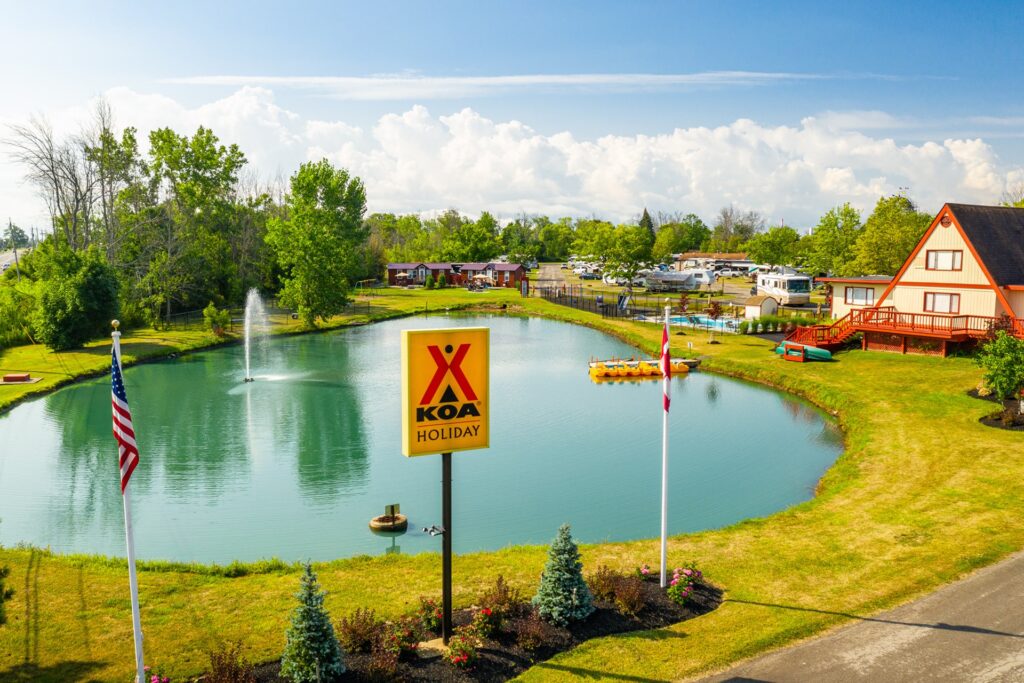
KOA Holiday locations are designed as "Base Camps for Adventure." These facilities are positioned near major tourist attractions, national parks, or scenic wonders. They offer an expanded suite of amenities, including upgraded pavilions, fitness centers, and organized family activities. The "Holiday" tier is aimed at the "Weekend Warrior" or family vacationer who intends to stay for three to five days while exploring the surrounding region.
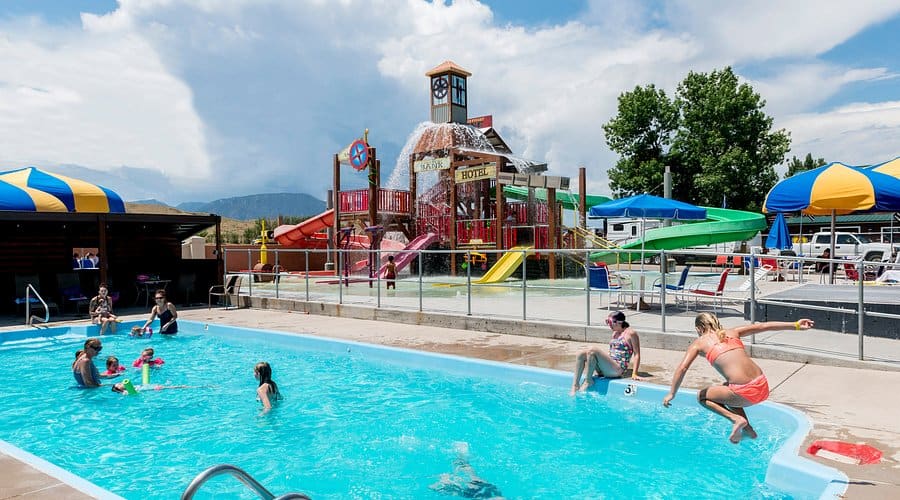
The KOA Resort tier represents the pinnacle of the brand’s luxury offerings. These are "Destination Campgrounds" where the facility itself is the primary attraction. Featuring resort-style pools, on-site dining, miniature golf, and extensive recreational staff, these locations cater to "Snowbirds" and long-term travelers. The resort model reflects a broader market trend where travelers seek the freedom of an RV combined with the social and physical comforts of a traditional high-end resort.
Technical Infrastructure and Site Specifications
For the modern RVer, the technical specifications of a campsite are as vital as the location. KOA has standardized its utility offerings to accommodate the increasing electrical and plumbing demands of contemporary motorhomes.
Full hookup sites remain the most sought-after inventory in the KOA system. These provide direct connections to city water, a sewer outlet, and electrical pedestals offering 30-amp or 50-amp service. As RVs have grown in size and complexity—often featuring multiple air conditioning units, residential refrigerators, and sophisticated entertainment systems—the demand for stable 50-amp power has become a non-negotiable requirement for many travelers. KOA’s digital booking platform allows users to filter by these specific requirements, mitigating the risk of arriving at a site that cannot support the rig’s power load.
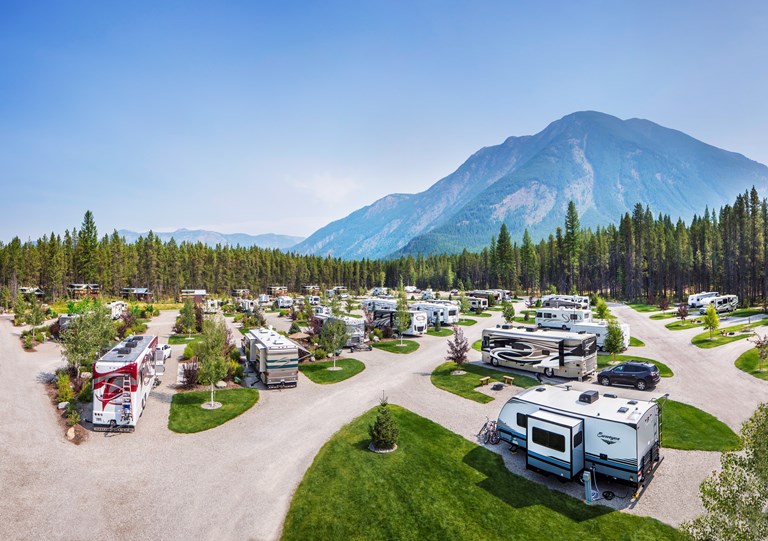
Beyond utility connections, the physical layout of the site is a key consideration. Pull-through sites are the industry standard for convenience, allowing drivers to bypass the often-stressful maneuver of backing a 45-foot trailer into a tight space. Conversely, back-in sites are frequently positioned along the perimeter of the campground, offering increased privacy and unobstructed views of natural features.
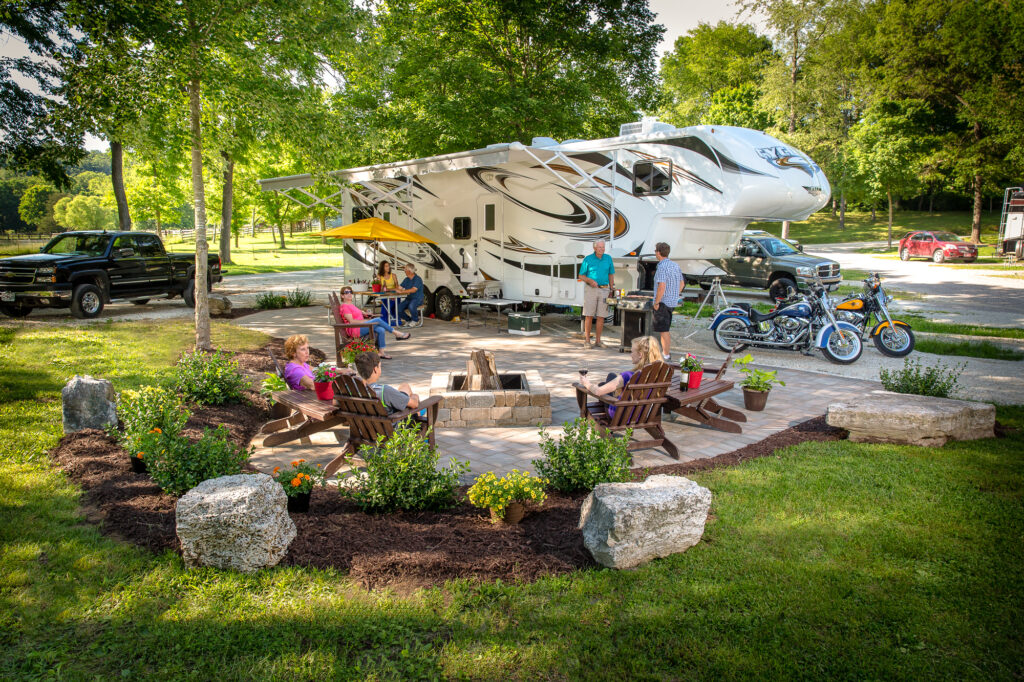
A significant innovation in the KOA portfolio is the KOA Patio® site. Recognizing that RVers spend a substantial amount of their time outside the vehicle, these premium sites feature an expanded hardscape area, high-quality outdoor furniture, and dedicated fire features. This "outdoor living room" concept has proven highly successful, with internal data suggesting that premium patio sites are often the first to be booked, despite their higher price point.
The Pet-Friendly Paradigm and KampK9 Initiatives
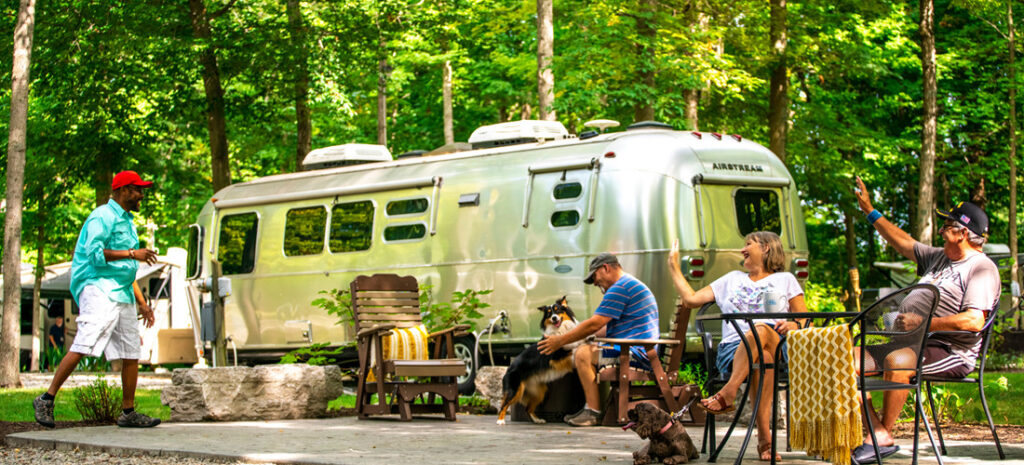
The demographic profile of the modern RVer is closely tied to pet ownership. Industry surveys indicate that approximately 43% of RVers travel with pets, primarily dogs. This "furry co-pilot" phenomenon has forced campgrounds to rethink their animal policies and infrastructure.
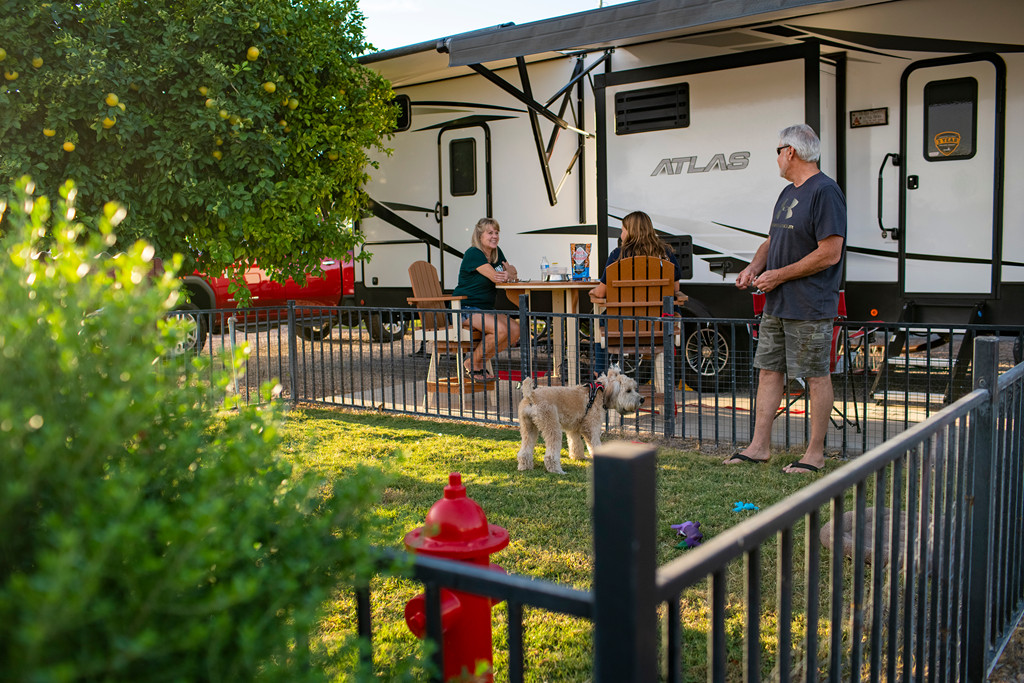
KOA responded to this trend by standardizing the KampK9® concept across its network. These are fenced, off-leash dog parks that provide a safe environment for exercise and socialization. More recently, the company introduced the KOA Paw Pen™ sites. These proprietary designs include a small, private fenced area directly attached to the RV site, allowing pets to roam freely outside the vehicle without the need for a leash. This level of pet-centric infrastructure serves as a major competitive advantage, as many public parks and independent campgrounds maintain strict leashing policies that can be cumbersome for long-term travelers.
Economic Impact and Health Implications of the RV Lifestyle
The growth of RV camping at KOA has broader implications for both public health and local economies. Research in the field of environmental psychology consistently highlights the "biophilia effect," where exposure to natural settings reduces cortisol levels, improves sleep quality, and boosts immune function. By lowering the barrier to entry for nature-based travel, KOA facilitates these wellness benefits for millions of users.
Economically, KOA campgrounds serve as vital hubs for rural and semi-rural communities. A 2023 economic impact study by the RVIA noted that the RV industry contributes over $140 billion to the U.S. economy annually. KOA guests contribute to this by spending significantly in local municipalities on fuel, groceries, dining, and local tours. The franchise model also empowers local entrepreneurs, as many KOA locations are family-owned businesses operating under the corporate brand’s standards and marketing umbrella.
Digital Integration and the Future of Camping
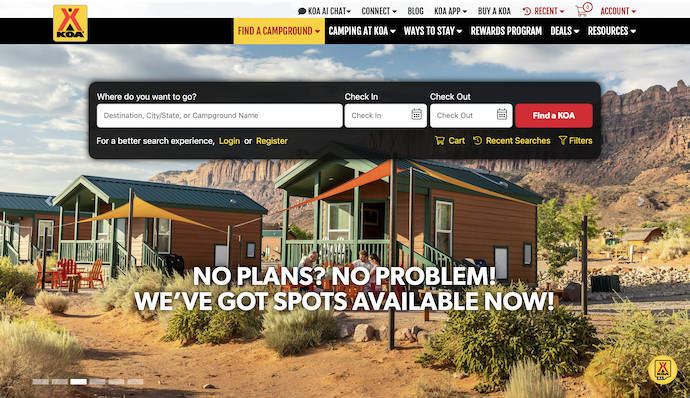
The digital transformation of the camping experience is perhaps the most significant change in the industry over the last decade. KOA has invested heavily in a streamlined online booking system and a dedicated mobile application. This infrastructure provides real-time availability, transparent pricing, and detailed site descriptions.
The KOA Rewards program serves as a data-driven loyalty initiative, offering a 10% discount on nightly rates and a points-based system for free stays. This program not only incentivizes repeat business but also provides KOA with deep insights into traveler behavior, allowing the company to anticipate shifts in demand and adjust its development pipeline accordingly.
Looking toward the future, the industry is bracing for the integration of electric vehicles (EVs). As manufacturers begin to release electric motorhomes and electric trucks capable of towing heavy loads, the demand for high-speed charging infrastructure at campgrounds is expected to skyrocket. Analysts predict that KOA will likely lead the way in integrating Level 2 and Level 3 charging stations into individual RV pedestals, further cementing its role as a pioneer in outdoor hospitality.
Logistical Best Practices for Travelers
To maximize the utility of the KOA system, industry experts recommend several strategic approaches to trip planning. First, the "Off-Peak Advantage" involves scheduling travel during the shoulder seasons (spring and fall). This not only ensures greater site availability but also offers a more tranquil environment, as many locations see a significant drop in family traffic once the traditional school year begins.
Second, the "Mid-Week Maneuver" is a critical tactic for those seeking premium sites. Friday and Saturday nights are frequently booked months in advance, but Tuesday and Wednesday often see high vacancy rates, even at the most popular Resort-tier locations. Finally, travelers are encouraged to utilize the KOA app for "Day-Of" navigation and check-in. The app provides GPS coordinates that are specifically vetted for RV height clearances, a vital safety feature for those driving large rigs through unfamiliar territory.
Conclusion: The Enduring Appeal of the Open Road
The continued success of Kampgrounds of America is a testament to the enduring appeal of the North American landscape and the human desire for a balance between adventure and security. By providing a reliable, high-quality framework for RV travel, KOA has democratized the great outdoors, making it accessible to a new generation of travelers who demand both the freedom of the road and the comforts of home. As the industry continues to evolve through technological innovation and a deepening commitment to sustainability, KOA remains the definitive benchmark for the RV camping experience.

