


The fitness industry is currently navigating a significant paradigm shift regarding the application of training stress and the physiological limits of human performance. For decades, the prevailing wisdom in strength and conditioning was encapsulated by the maxim, "Stimulate the muscle to grow, do not annihilate it." However, contemporary coaching methodologies, supported by emerging sports science data, suggest that this binary view may be overly reductionist. Instead, experts are advocating for a more nuanced approach that treats the strength coach not merely as a facilitator of exercise, but as a manager of systemic biological stress.
The core of this evolution lies in the understanding of how the human body responds to various stressors. While the "stimulate" approach aims to avoid injury and excessive fatigue, proponents of high-intensity, high-volume protocols argue that significant adaptation—particularly in elite performance—requires periods of near-annihilation, provided they are managed within a structured, periodized framework. This methodology utilizes fluctuating training stresses, including undulated and concurrent programming, to push the boundaries of what an athlete can survive and, ultimately, overcome.
The Science of Stress and Adaptation
Central to the discussion of training intensity is the General Adaptation Syndrome (GAS), a theory developed by Hans Selye. The GAS model describes the body’s three-stage response to stress: alarm, resistance, and exhaustion. In a strength-training context, the "alarm" phase is the workout itself, which causes temporary damage and fatigue. The "resistance" phase is where the body adapts to the stressor, leading to increased strength or hypertrophy.
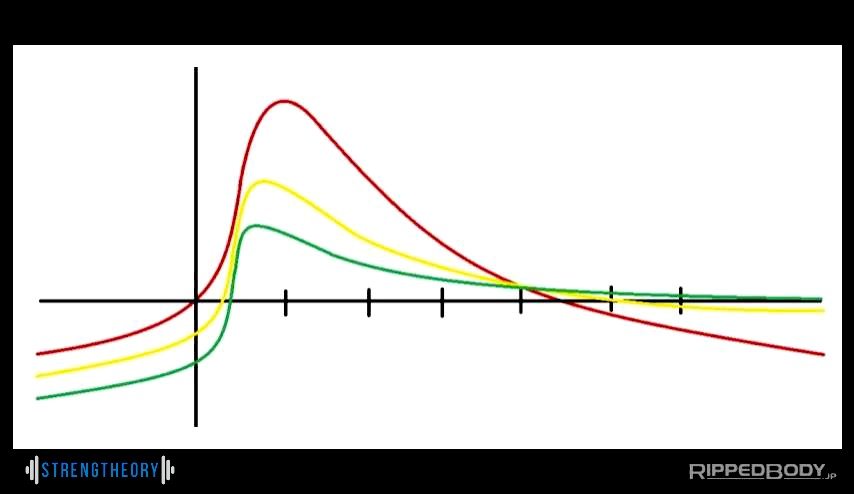
Dr. Pat Davidson, a prominent figure in the field of exercise physiology, posits that the role of a strength coach is primarily that of a stress manager. According to Davidson, the objective is to apply the maximum amount of stress an individual can survive without crossing the threshold into the "exhaustion" phase, which leads to injury or chronic overtraining. This perspective aligns with the "Fitness-Fatigue Model," which suggests that every training session creates both fitness gains and fatigue. The visible performance of an athlete at any given time is the difference between their accumulated fitness and their current level of fatigue. Because fatigue often masks true fitness, the strategic reduction of stress—known as deloading—is essential for revealing performance gains.
Distinguishing Between Fatigue and Overtraining
A common point of confusion in both commercial fitness and competitive athletics is the distinction between acute fatigue and Overtraining Syndrome (OTS). Journalistic investigations into athletic endurance highlight that OTS is a serious clinical condition characterized by long-term decreases in performance, hormonal imbalances, and neurological disturbances. It is significantly more difficult to reach a state of true overtraining than the general public often perceives.
A notable case study in human resilience is that of James Lawrence, known as the "Iron Cowboy," who completed 50 iron-distance triathlons in 50 consecutive days across 50 different U.S. states. While Lawrence experienced extreme fatigue and required meticulous nutritional and recovery interventions, he did not enter a state of clinical overtraining. This suggests that the human body possesses a vast, often untapped, capacity for work, provided that the stress is managed with precision. Coaches like Alex Viada and Chad Wesley Smith emphasize that for the average trainee, the primary barrier to progress is often an underestimation of their own work capacity rather than a legitimate risk of overtraining.
The Elite Athlete Fallacy in Program Design
Despite the high ceiling for human performance, a critical issue arises when recreational trainees attempt to replicate the protocols of elite athletes. Professional strength athletes, such as world-record powerlifter Chris Duffin, have been known to engage in extreme challenges, such as squatting over 800 pounds daily for 30 consecutive days. While these feats are documented, they represent the pinnacle of specialized adaptation and are often supported by 24-hour recovery cycles, professional medical oversight, and years of progressive loading.
Data from sports medicine clinics indicate a rising trend in "hero-lifting" injuries, where individuals with sedentary professional lives—spending eight to nine hours a day in a seated position—attempt high-frequency, high-intensity programs without the necessary foundational mobility or recovery time. The discrepancy between the "training age" of an elite athlete and a recreational lifter is a primary factor in injury rates. Experts suggest that while training hard is necessary for progress, "smart" training requires an honest assessment of one’s lifestyle, recovery resources, and biomechanical readiness.
Strategic Adjustments for Sustainable Strength
To mitigate the risks of high-stress training while still reaping the rewards of "annihilation-style" workouts, modern protocols are increasingly incorporating specific technical adjustments.

1. Optimization of Deadlift Frequency
The deadlift is widely regarded as one of the most taxing movements in the strength repertoire due to the high level of axial loading and the demand placed on the Central Nervous System (CNS). Research into powerlifting outcomes suggests that once a trainee reaches a certain strength threshold—often cited as double their body weight—the law of diminishing returns begins to apply to high-frequency deadlifting. Many coaches now limit "maximal effort" deadlifts (exceeding 85% of a one-rep maximum) to once every two or three weeks, utilizing speed and technique work at lower percentages (60-70%) on intervening days to maintain neurological proficiency without inducing systemic burnout.
2. Utilization of Non-Axial Loading
To maintain high levels of metabolic stress without the "crushing" effect of heavy barbells, coaches are turning to bodyweight and unilateral movements. Exercises such as the Bulgarian Split Squat, performed for time rather than just repetitions, can induce significant muscle hypertrophy and endurance. By removing the heavy load from the spine (axial loading), trainees can achieve muscular failure (annihilation) with a much lower risk of injury and a faster recovery profile.
3. The Role of Low-Intensity Active Recovery
The integration of "Zone 1" cardiovascular work, such as casual walking, has been identified as a highly effective tool for recovery. Unlike high-intensity interval training (HIIT), which adds to the body’s total stress load, low-intensity walking promotes blood flow to damaged tissues and aids in the clearance of metabolic byproducts without further taxing the sympathetic nervous system.
The Deload: A Requirement for Long-Term Progress
The most critical component of a high-stress training model is the scheduled deload. In a standard four-week training block, the fourth week is typically reserved for a reduction in total workload. There are two primary methods for implementing a deload:
- Volume Reduction: The most common approach involves reducing the number of sets and repetitions while maintaining a relatively high intensity (percentage of 1RM). This allows the athlete to keep their "feel" for heavy weights while giving the musculoskeletal system a reprieve from high tonnage.
- Intensity Reduction: In cases where an athlete shows signs of CNS fatigue, both volume and intensity are reduced. This is often necessary for competitive athletes following a major event.
Scientific literature on "supercompensation" explains that it is during these periods of reduced stress that the body actually builds the new tissue and neurological pathways required for increased strength. Without the deload, the body remains in a perpetual state of "alarm," eventually leading to stagnant progress or injury.

Industry Implications and Future Outlook
The shift toward treating strength training as a form of "stress management" has broader implications for the fitness industry and public health. As more people engage in high-intensity functional fitness, the need for professional guidance on recovery has never been higher. The "more is better" mentality is being replaced by a "more, but smarter" approach.
For the coaching profession, this requires a deeper understanding of biology beyond simple biomechanics. Coaches are now expected to monitor an athlete’s sleep, nutrition, and even psychological stress, as all these factors contribute to the same "stress bucket." Technology is playing an increasing role in this management, with wearable devices that track Heart Rate Variability (HRV) providing real-time data on an athlete’s readiness to train.
In conclusion, the debate between "stimulating" and "annihilating" muscle is being resolved through the application of periodization and systemic recovery. High-stress training is not inherently dangerous; rather, it is a tool that must be wielded with an understanding of human physiology. By alternating periods of high-intensity work with strategic recovery, athletes and recreational trainees alike can achieve sustainable progress, proving that while lifting weights "isn’t supposed to tickle," it also shouldn’t lead to the breakdown of the human machine. The future of strength and conditioning lies in the balance between the courage to train hard and the intelligence to recover harder.

