

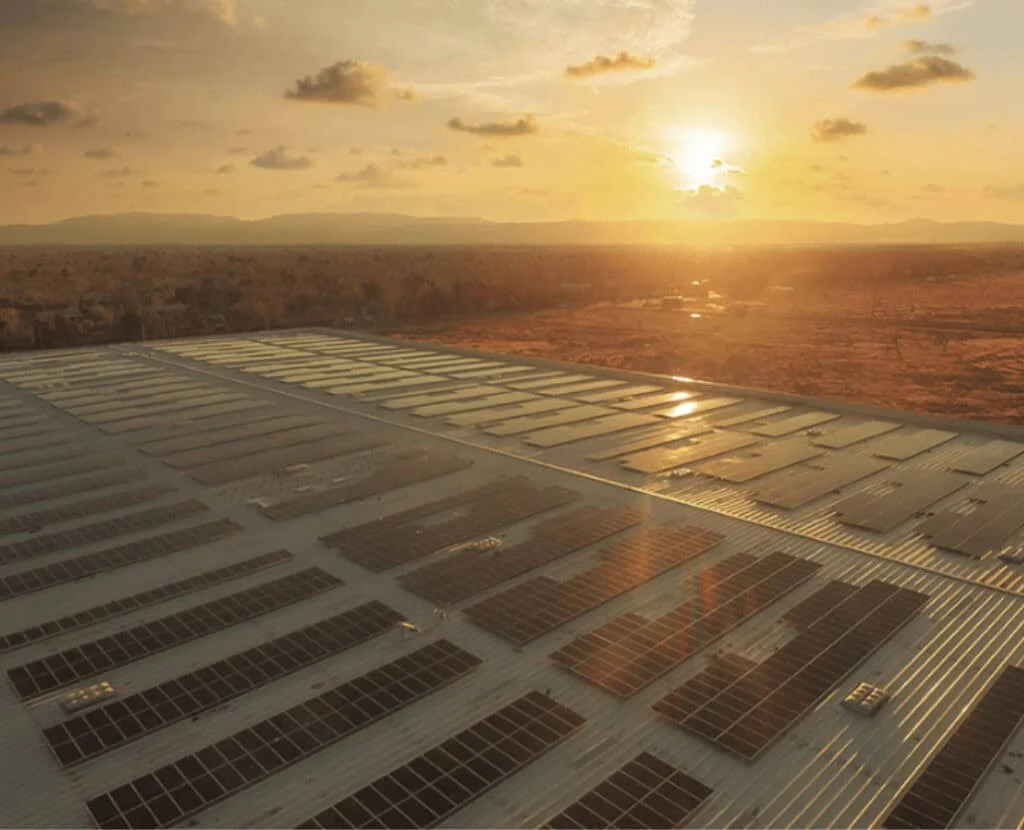
The Australian energy landscape is undergoing a profound transformation as the nation pivots away from traditional fossil fuels toward a decentralized, renewable-led grid. According to data released by Australia’s Department of Climate Change, Energy, the Environment and Water, renewable electricity generation across the continent has more than doubled over the last decade. This surge is not merely a statistical anomaly but a reflection of a systemic shift in how the country produces and consumes power. The Clean Energy Council’s 2026 Clean Energy Report highlights a landmark achievement in this transition, stating that over 40% of Australia’s total electricity is now derived from renewable sources. This diversified mix includes biomass, solar, wind, and hydro generation technologies, signaling a robust and resilient energy future.
The impetus behind this rapid growth is multifaceted. For millions of households, the transition to renewable energy has evolved from an ideological preference to a pragmatic financial strategy. As global energy markets face volatility and domestic power prices fluctuate, the appeal of energy independence and long-term cost savings has become a primary driver for adoption. For Australian residents and businesses, the availability of high-quality clean energy brands has made the integration of solar and storage solutions more accessible than ever before.
The Evolution of the Australian Renewable Sector
The journey toward a renewable-dominant grid in Australia has been characterized by aggressive policy targets and a unique geographical advantage. As one of the sunniest continents on Earth, Australia has long been a prime candidate for solar expansion. However, the early 2010s were marked by high installation costs and a lack of viable storage options. The subsequent decade saw a dramatic reduction in the cost of photovoltaic (PV) hardware and the emergence of sophisticated battery management systems.
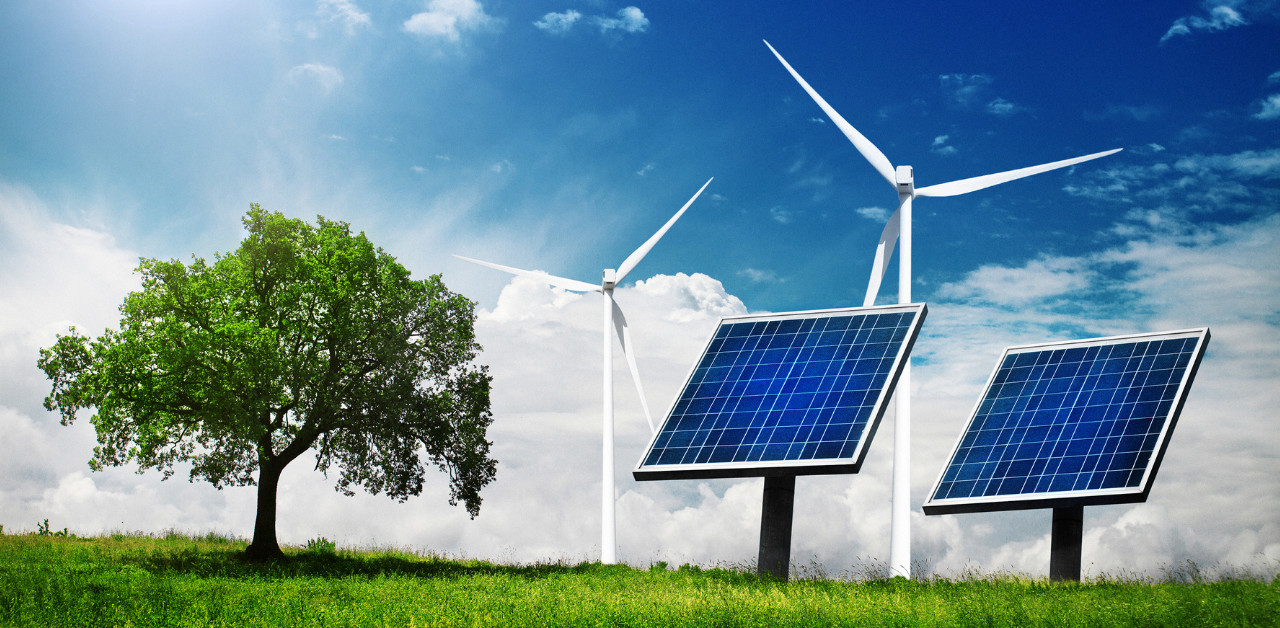
In recent years, the Australian government has introduced various incentives, such as the Small-scale Renewable Energy Scheme (SRES), which provides Small-scale Technology Certificates (STCs) to offset the upfront cost of solar installations. This regulatory support, combined with the rising cost of living, has pushed residential solar penetration to record highs. Industry analysts note that Australia now leads the world in per-capita rooftop solar installations, a feat that has necessitated a corresponding rise in home energy storage solutions to manage grid stability.
Leading Clean Energy Brands Shaping the Australian Market
As the market matures, several key players have emerged as leaders in providing the hardware and software necessary for a clean energy transition. These brands are recognized for their innovation, reliability, and ability to meet the specific demands of the Australian climate.
1. VoltX Energy: Localized Innovation and Reliability
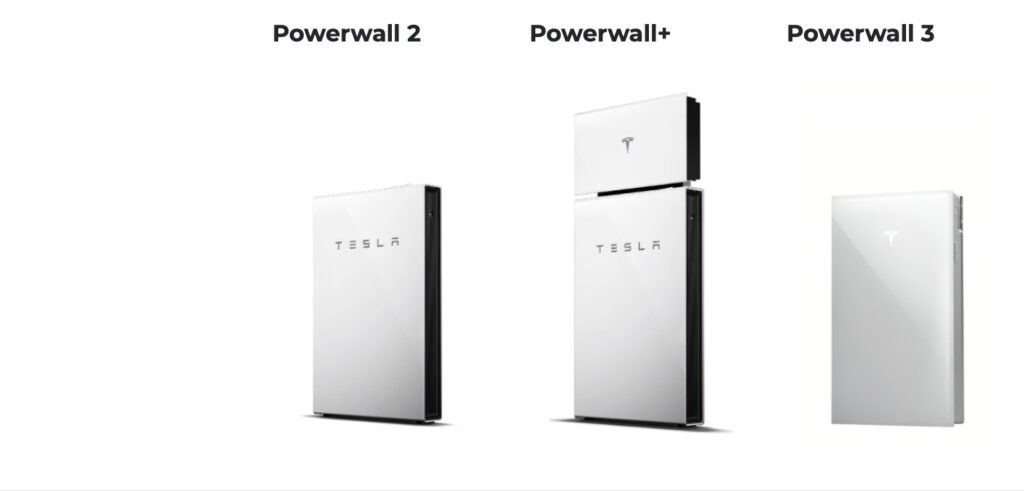
VoltX Energy has established itself as a formidable presence in the Australian and New Zealand markets by focusing on the specific needs of local consumers. Their reputation is built on delivering high-performance home battery systems that prioritize ease of use and reliability. Unlike some global conglomerates that offer a one-size-fits-all approach, VoltX Energy designs its products to withstand the unique environmental conditions of the region, from extreme heat to coastal humidity.
The VoltX product range spans from entry-level solar batteries to sophisticated home energy management systems. A key advantage of their technology is the seamless integration with existing solar arrays. This "plug-and-play" capability allows homeowners to retrofit storage to their current setups without the need for a costly and complex system overhaul. Furthermore, VoltX provides localized support, ensuring that customers have access to technical assistance and warranty services within their own time zones—a factor that has significantly boosted consumer confidence in the brand.
2. Tesla Energy: The Ecosystem Approach
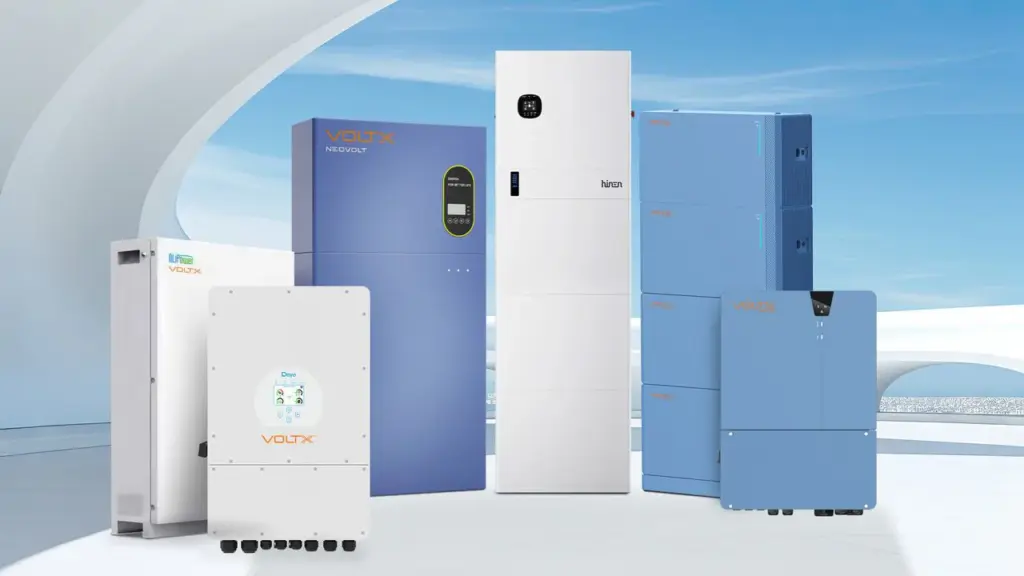
Tesla Energy remains perhaps the most recognizable name in the global clean energy sector. Its flagship residential product, the Powerwall, has set the benchmark for home battery design and functionality. The latest iteration, the Powerwall 3, represents a significant leap forward in integration by combining a solar inverter and a battery into a single, sleek unit. This consolidation simplifies the installation process and reduces the footprint of the system, making it an attractive option for modern homes.
The strength of Tesla Energy lies in its broader ecosystem. By integrating the Powerwall with the Tesla app and the company’s electric vehicle (EV) charging infrastructure, users can manage their entire energy lifecycle from a single interface. This level of software integration allows for advanced features like "Storm Watch," which automatically prioritizes energy storage when severe weather is detected, and "Time-Based Control," which optimizes battery usage to avoid peak utility rates. While Tesla products often command a premium price, their build quality and continuous software updates offer long-term value for tech-savvy households.
3. SunPower: High-Efficiency Solar Technology
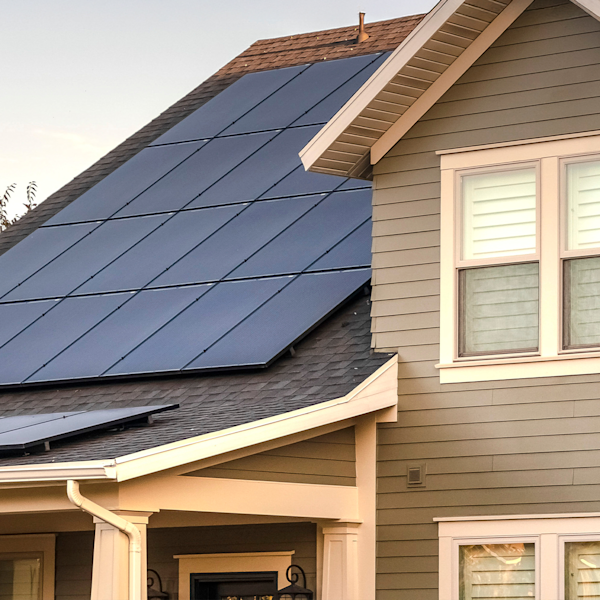
While batteries often dominate the conversation, the efficiency of the solar panels themselves remains the foundation of any clean energy system. SunPower has consistently led the industry in this regard, particularly through its Maxeon cell technology. These panels are engineered to deliver a higher energy output per square meter than conventional silicon panels, making them the preferred choice for homes with limited roof space or complex orientations.
SunPower’s panels are also noted for their durability. The company’s Maxeon cells are built on a solid copper foundation, which prevents the cracking and corrosion that can plague cheaper panels over time. This engineering excellence allows SunPower to offer some of the longest warranties in the industry, often spanning 25 to 40 years. For Australian homeowners looking for a "set and forget" solution, the long-term performance gains and peace of mind provided by SunPower typically justify the higher initial investment.
4. Fronius: The Backbone of Energy Conversion
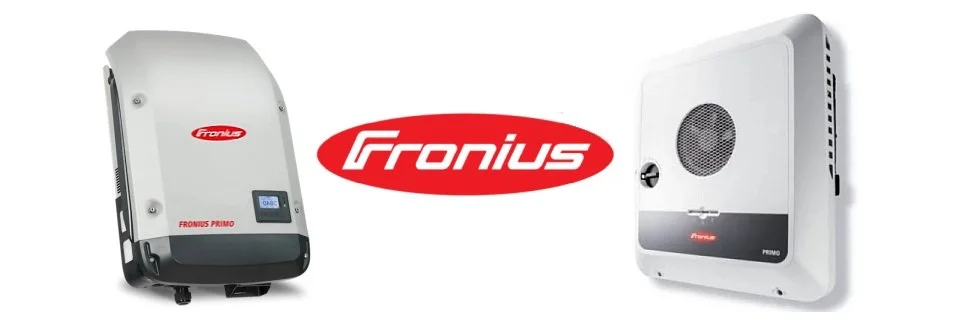
An often-overlooked component of a solar system is the inverter, the device responsible for converting the direct current (DC) generated by panels into the alternating current (AC) used by household appliances. The Austrian manufacturer Fronius is widely regarded as the industry leader in this category. Their inverters are known for their exceptional efficiency, smart monitoring capabilities, and robust operational life.
Fronius has a long history of engineering excellence, and their products are a staple for high-end installers across Australia. One of the standout features of Fronius inverters is their "SnapINverter" design, which allows for easy servicing and upgrades. Additionally, their integrated data communication and energy management tools provide users with real-time insights into their energy production and consumption. By pairing a Fronius inverter with a high-quality battery, homeowners can ensure that their system operates at peak efficiency for decades.
5. BYD: Scalable and Safe Storage Solutions
BYD (Build Your Dreams) has leveraged its massive scale as one of the world’s largest battery manufacturers to provide cost-effective storage solutions for the Australian market. Their Battery-Box range is particularly popular due to its modular design. This allows households to start with a modest storage capacity and add additional battery modules as their energy needs or budget grow.
Safety is a core pillar of BYD’s value proposition. The company utilizes Lithium Iron Phosphate (LFP) chemistry for its residential batteries. LFP is widely considered safer than the Nickel Manganese Cobalt (NMC) chemistry used in some other brands, as it is less prone to thermal runaway and has a longer cycle life. By offering a balance of safety, scalability, and affordability, BYD has become a go-to option for budget-conscious Australians who refuse to compromise on reliability.
Supporting Data and Market Analysis
The acceleration of the renewable energy sector is supported by global trends. The International Energy Agency (IEA) has noted that the global shift to renewables is occurring faster than any previous energy transition in history. In Australia, this is evidenced by the declining "levelized cost of energy" (LCOE) for solar and wind, which are now the cheapest forms of new-build electricity generation in the country.
Data from the Clean Energy Council indicates that the storage sector is the next frontier. In 2023 alone, thousands of battery systems were installed across Australian homes, driven by a desire to maximize the "self-consumption" of solar power. When a household generates solar energy during the day, much of it is often exported back to the grid for a minimal feed-in tariff. By utilizing batteries from brands like VoltX or BYD, homeowners can store that energy and use it during the evening when electricity prices are at their highest, significantly shortening the payback period of the entire system.
Implications for the Future: Grid Stability and Independence
The rise of these clean energy brands has implications that extend far beyond individual household savings. As more homes adopt solar-plus-storage systems, they contribute to the creation of a "Virtual Power Plant" (VPP). A VPP is a network of decentralized energy resources that can be coordinated by a central operator to support the grid during periods of high demand. This reduces the need for expensive "peaker" gas plants and enhances the overall stability of the national electricity market.
Furthermore, the shift toward localized generation and storage fosters a sense of energy security. In an era of increasing climate-related weather events, the ability for a home to operate in "off-grid" mode during a blackout is becoming a highly valued feature. Brands like Tesla and Fronius have been at the forefront of developing "backup" functionalities that ensure critical appliances remain powered even when the main grid fails.
Conclusion and Final Considerations
The Australian clean energy market is currently one of the most dynamic and competitive in the world. The transition is no longer a niche movement but a mainstream economic shift supported by robust data and high-quality hardware. Whether a consumer chooses a localized specialist like VoltX Energy, a global innovator like Tesla, or a technology leader like SunPower, the primary goal remains the same: achieving a sustainable, cost-effective, and independent energy future.
As the industry moves toward the 2030 targets, the role of these brands will only become more critical. For those looking to make the switch, industry experts recommend a thorough evaluation of specific needs, including daily energy loads and roof availability. Utilizing resources like EnergySage for price comparisons and ensuring that installers are accredited by the Clean Energy Council are essential steps in the process. With the right technology and professional support, the transition to clean energy represents one of the most impactful investments an Australian household can make in the 21st century.

