

By the time individuals reach the age of 50, approximately half of both men and women will experience some degree of hair loss. This common concern is often misunderstood, with persistent myths suggesting that excessive hair washing or brushing could be culprits. Scientific research, however, firmly attributes the majority of age-related hair loss to genetic factors in both genders. Studies focusing on identical twins have revealed a significant heritability of baldness, particularly in men, where genetic predisposition accounts for an estimated 79% of differences in hair loss patterns. This indicates that while genetics plays a dominant role, it does not entirely dictate an individual’s hair destiny, leaving room for other influencing factors.
The Unseen Architects of Hair Loss: Genetics and Environmental Triggers
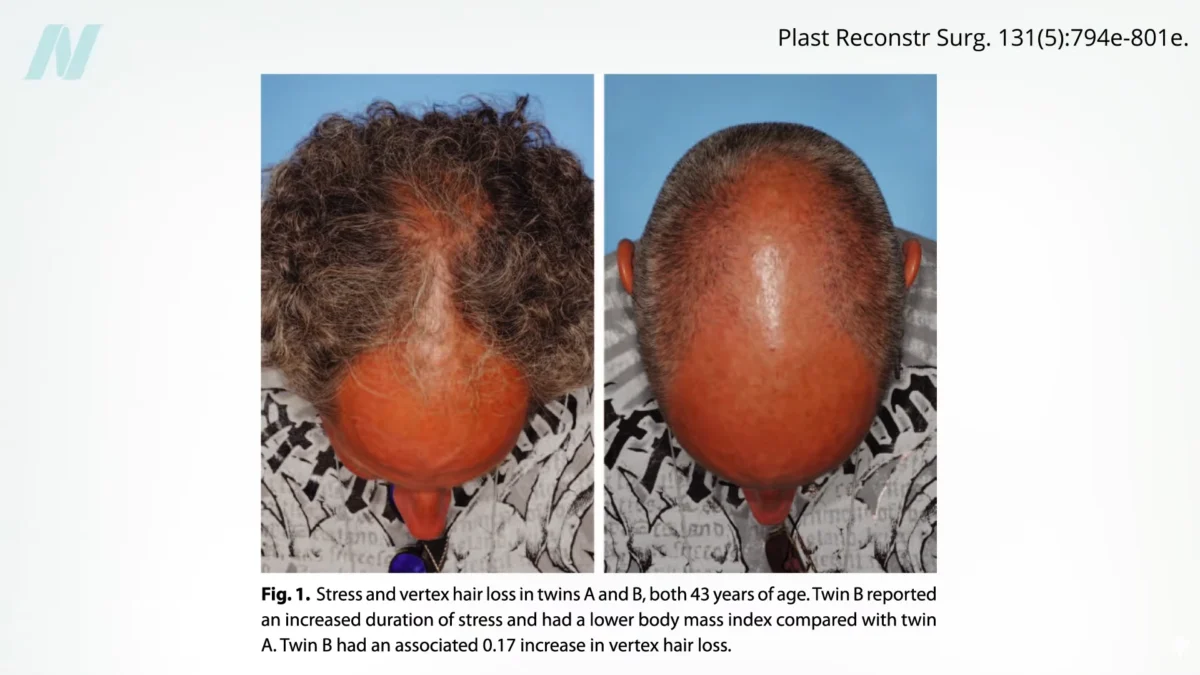
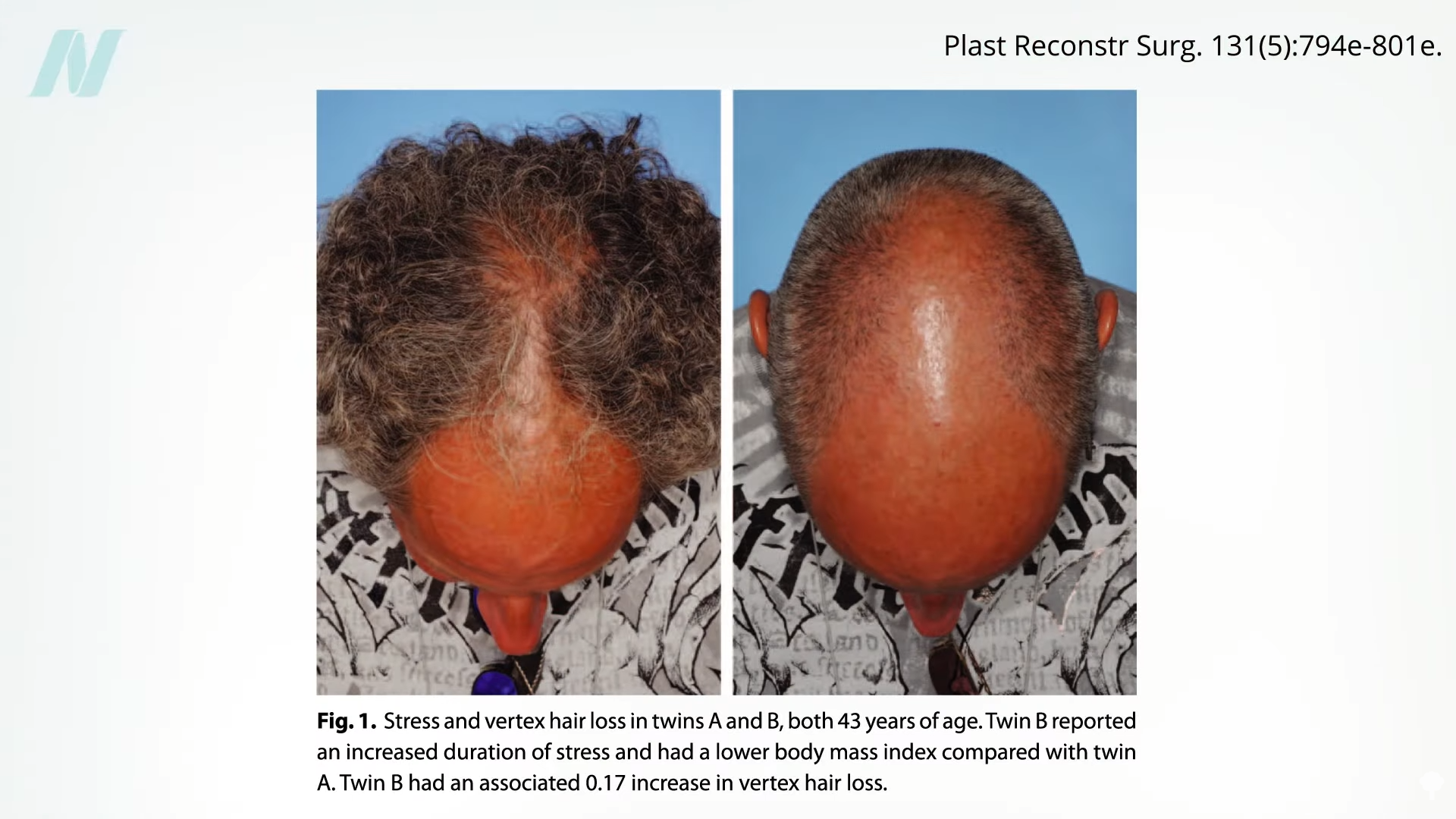
The intricate interplay between genetics and external influences becomes strikingly apparent when examining identical twins. Even individuals who share the same DNA can exhibit differing levels of hair loss. This divergence can be attributed to a spectrum of lifestyle choices and health conditions. Increased stress levels, a higher incidence of smoking, the physiological demands of childbirth, or a history of serious medical conditions such as high blood pressure or cancer can all contribute to accelerated or more pronounced hair thinning in one twin compared to the other.
Visual evidence of these disparities can be compelling. For instance, studies have documented cases of identical twin brothers where one twin, who reported higher life stress, displayed more significant hair loss. Similarly, another pair of identical twin brothers showed a clear difference in hair density, with the twin who was a smoker and consumed more alcohol experiencing greater hair thinning. These observations underscore that while genetic blueprints provide a foundation, environmental and lifestyle factors can act as powerful modifiers.
The impact of smoking on hair health is a well-documented concern. Cigarettes contain genotoxic compounds that can directly damage the DNA within hair follicles. Furthermore, smoking can lead to microvascular poisoning at the base of the hair follicle, impairing its ability to support healthy growth. This dual mechanism contributes to the development of both male and female pattern baldness.
Beyond lifestyle choices, exposure to certain toxic agents can also precipitate hair loss. Mercury, for example, has been identified as a significant contributor. Research indicates that mercury can concentrate in growing scalp hair at levels approximately 250 times higher than in other bodily tissues. Historically, mercury poisoning, often a consequence of syphilis treatments, is believed to have contributed to hair loss in prominent figures, such as William Shakespeare. While mercury is no longer a standard medical treatment, contemporary sources of exposure, notably through the consumption of seafood, remain a public health consideration.
Hormone-Related Hair Loss and the Mercury Connection in Women
Women of reproductive age, particularly around the time of menopause, frequently seek medical intervention for hair loss attributed to hormonal changes. However, a closer examination can sometimes reveal an underlying cause related to heavy metal toxicity. In one notable case, a 43-year-old woman experiencing early menopause and significant hair loss was found to have elevated mercury levels in her blood. Her dietary habits revealed a high intake of tuna, a known source of mercury. The successful resolution of her hair loss after reducing fish consumption and the subsequent normalization of her mercury levels highlight the critical importance of considering mercury toxicity in the differential diagnosis of hair loss in women. This case emphasizes the need for healthcare professionals to screen for mercury exposure and advise patients on dietary modifications to mitigate heavy metal-induced hair loss.
Nutrient Deficiencies and the Myth of Universal Supplement Efficacy
The question of whether nutrient deficiencies can cause hair loss is pertinent, especially in the context of widespread supplement use. While certain nutrient deficiencies are indeed linked to hair thinning, their impact is often specific and not universally applicable to individuals with adequate nutrient intake.
A prime example of a nutrient deficiency causing hair loss is scurvy, a severe vitamin C deficiency known for centuries to lead to hair abnormalities. However, beyond this severe deficiency, there is a lack of substantial evidence to suggest that vitamin C supplementation benefits hair growth in individuals who already meet a baseline level of sufficiency.
Similarly, the popular notion that zinc supplements can universally boost hair growth is largely a myth. While zinc deficiency can contribute to hair loss, particularly in individuals with alcohol abuse issues, taking excess zinc when blood levels are normal will not enhance hair growth and may even lead to adverse side effects. The same principle applies to iron supplements; their efficacy in promoting hair growth is contingent upon the presence of an iron deficiency.
Biotin: The Popular Ingredient with Limited Evidence for Hair Growth
Biotin, also known as vitamin B7, is a ubiquitous ingredient in many over-the-counter hair loss products. While it is true that a severe biotin deficiency can cause hair loss, there is a conspicuous absence of robust scientific evidence to support the claim that biotin supplementation promotes hair growth in individuals who are not deficient. Severe biotin deficiency is exceedingly rare in healthy individuals consuming a balanced diet. The primary documented cause of biotin deficiency is the prolonged consumption of raw egg whites, which contain avidin, a compound that binds to biotin and prevents its absorption. Outside of these rare deficiency syndromes, the belief that biotin supplements can enhance hair growth remains largely unsubstantiated.
The Perils of the Supplement Industry: Lack of Regulation and Potential Harms
The "can’t hurt, might help" attitude towards supplements, particularly those marketed for hair health, warrants a cautious approach due to significant concerns regarding regulatory oversight within the supplement industry. The Food and Drug Administration (FDA) in the United States, while overseeing supplements, does not regulate them with the same rigor as pharmaceuticals. This can lead to products containing ingredients at vastly different potencies than advertised or even containing unlisted substances.
In the case of biotin, an alarming trend has emerged where many hair health supplements contain biotin levels that far exceed the recommended daily intake, sometimes up to 650 times the recommended amount. This excessive intake of biotin can have serious diagnostic consequences. High levels of biotin in the bloodstream can interfere with a wide array of crucial laboratory tests, including those for thyroid function, hormone levels (including pregnancy tests), and even tests used to diagnose heart attacks. Such interference can lead to misdiagnoses and potentially life-threatening medical errors.
Beyond biotin, the supplement industry has a history of "manufacturer shenanigans" leading to adverse health outcomes. An infamous incident involved an outbreak of selenium toxicity affecting hundreds of individuals. An error in manufacturing resulted in a supplement containing 200 times the labeled dose of selenium, leading not only to toxicity but also to hair loss as a symptom. Similar risks exist with excessive intake of other vitamins, such as vitamin A, which can also cause hair loss when consumed in supra-physiological amounts. These instances highlight the critical need for consumers to exercise extreme caution and due diligence when choosing dietary supplements.
Looking Ahead: A Multi-faceted Approach to Hair Health
The current understanding of hair loss points towards a complex etiology, with genetics as a primary driver, modulated by lifestyle, environmental toxins, and underlying health conditions. While the allure of a simple supplement solution is understandable, the scientific evidence supporting the efficacy of common ingredients like biotin and zinc for hair growth in non-deficient individuals is largely absent. Furthermore, the lack of stringent regulation in the supplement industry poses genuine risks, from inaccurate labeling to potentially dangerous ingredient levels.
This exploration of biotin and zinc supplements marks the first installment in a comprehensive series examining the multifaceted issue of hair loss and growth. Future discussions will delve into the benefits and risks associated with pharmaceutical hair loss treatments and explore the role of diet in promoting healthy hair growth. For individuals concerned about mercury exposure, resources are available to guide dietary strategies for lowering heavy metal levels. Understanding the science behind hair loss is crucial for making informed decisions about health and wellness, moving beyond anecdotal claims to evidence-based practices.
Doctor’s Note: This article is the first in a three-part series on hair loss and growth. Future installments will cover "The Benefits and Risks of Hair Loss Drugs" and "What Foods Help Hair Growth?". For additional information on managing mercury exposure through diet, please refer to "How to Lower Heavy Metal Levels with Diet." Related posts discussing the complexities of the supplement industry are also available for further insight.

