

Fasting and rigorous exercise have long been recognized as potent activators of fibroblast growth factor 21 (FGF21), a hormone increasingly understood as a critical mediator of longevity and metabolic health. Over a century ago, the practice of fasting was lauded not only for its ability to combat mental fatigue but also for its potential to "prolong healthy longevity." Modern scientific inquiry is now illuminating the biological pathways that underpin these ancient observations, with FGF21 emerging as a key player in this complex equation. This hormone is characterized as a "systemic enhancer of longevity," and while prolonged fasting is a proven method to boost its levels, emerging research suggests that dietary adjustments alone can achieve similar, and perhaps more accessible, beneficial effects.
The Science of FGF21: A Hormonal Key to Healthy Aging
FGF21 is a metabolic regulator that plays a crucial role in a variety of physiological processes, including glucose and lipid metabolism, energy expenditure, and cellular stress resistance. Its significance in the context of longevity stems from its ability to promote cellular repair mechanisms, improve insulin sensitivity, and protect against age-related diseases. While the direct mechanisms are still under active investigation, the evidence points towards FGF21 as a central mediator in the beneficial effects of caloric restriction and exercise on lifespan and healthspan.
Dietary Strategies to Mimic Fasting’s Longevity Benefits
The pursuit of enhanced FGF21 levels, and by extension, improved longevity, is no longer solely reliant on drastic measures like prolonged fasting. A growing body of scientific evidence highlights specific dietary patterns that can significantly influence FGF21 production and circulation.
Carbohydrate Intake: Fueling FGF21 Production
One of the most straightforward dietary interventions to elevate FGF21 levels involves increasing carbohydrate intake. Research indicates that providing individuals with ample starchy foods can lead to a substantial increase in circulating FGF21. The healthiest sources of these carbohydrates are likely to be whole grains and legumes. This recommendation is partly due to the role of butyrate, a short-chain fatty acid produced by gut bacteria from dietary fiber. Butyrate has been shown to boost FGF21 levels, and fiber-rich foods are the primary source of this beneficial compound.
- Supporting Data: Studies have demonstrated a direct correlation between carbohydrate consumption and FGF21 levels. For instance, providing participants with a diet rich in starchy foods has consistently shown an uplift in FGF21. The mechanism is thought to involve the increased production of short-chain fatty acids (SCFAs), such as butyrate, by gut microbiota as they ferment dietary fiber. Butyrate, in turn, acts as a signaling molecule that stimulates FGF21 production.
Protein Restriction: A Powerful Metabolic Modulator
Perhaps the most compelling dietary strategy for boosting FGF21 levels involves the reduction of protein intake. Circulating FGF21 levels have been observed to increase dramatically after adopting a lower-protein diet. This effect is significant, with some studies reporting more than a 150% increase within just four weeks of reducing protein consumption.
It is important to clarify what constitutes "lower protein." In the context of these studies, it often means reducing intake from the excess amounts commonly consumed by populations like Americans down to recommended physiological levels. The recommended daily allowance of protein for most men is 56 grams, a figure significantly lower than the more than 100 grams many American men consume daily.
-
Timeline and Data: A study involving men who typically consumed around 112 grams of protein per day, and were subsequently reduced to 64 grams (still exceeding the recommended 56 grams), found that their FGF21 levels essentially doubled. This occurred despite them consuming significantly more calories. This phenomenon suggests that reducing protein intake, even to levels still considered adequate, can trigger metabolic shifts that promote fat loss. The implication is that by optimizing protein intake, individuals might be able to facilitate effortless calorie burning through enhanced fat metabolism, a concept that has long been a subject of dietary fantasy. Researchers propose that "playing down protein to play up metabolism" may be a key strategy, with FGF21 acting as the underlying mechanism.
-
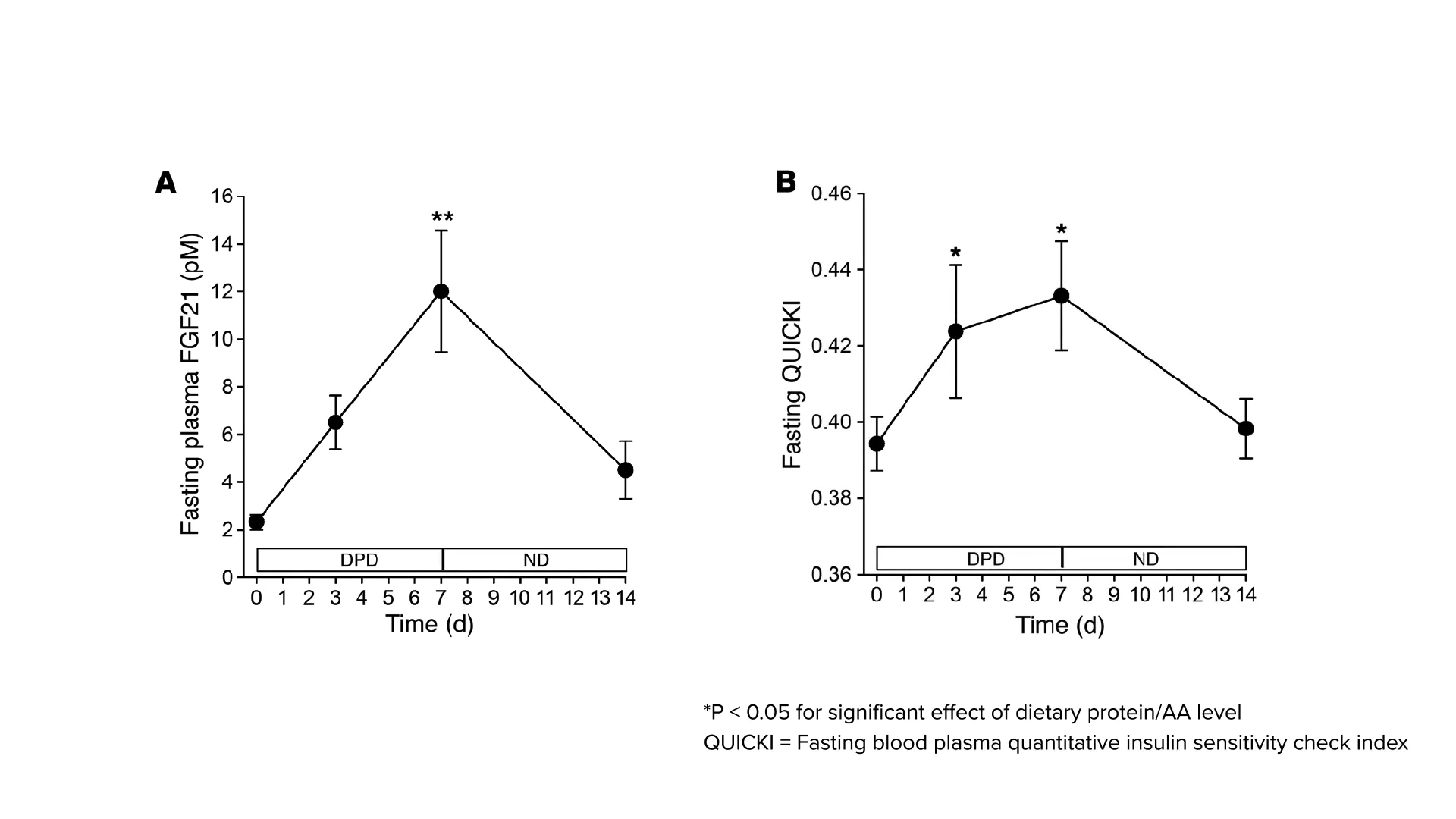
Clinical Implications: Even a modest protein restriction regimen, bringing intake down to recommended levels, can yield significant clinical benefits. One study reported that reducing protein intake to 73 grams per day resulted in a sixfold increase in FGF21 within a single week. This was accompanied by a significant improvement in insulin sensitivity. These findings suggest that dietary protein dilution is a powerful promoter of metabolic health.
-
Broader Context: The growing body of evidence linking lower protein intake to improved health, enhanced survival rates, and better insulin sensitivity is providing a clearer picture of its benefits. The role of FGF21 in mediating these positive outcomes is becoming increasingly evident. Notably, studies that have achieved these results often involve feeding participants approximately 9% of their daily calories from protein. This percentage aligns with the dietary intake of populations like the Okinawans, historically recognized as one of the healthiest and longest-living groups worldwide.
Methionine Restriction: Targeting Animal Proteins for FGF21 Boost
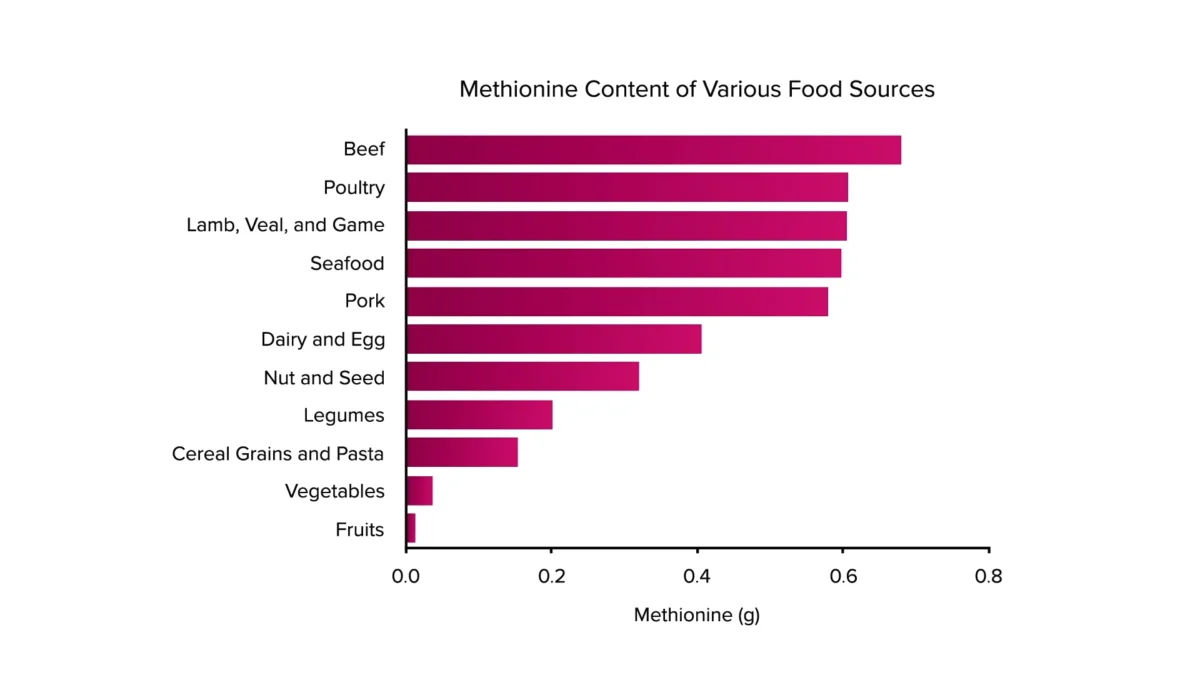
Another critical dietary component influencing FGF21 is methionine, an amino acid found predominantly in animal proteins. Methionine restriction has emerged as a significant life-extension strategy, and its connection to FGF21 is a crucial area of research.
-
Mechanism of Action: Methionine restriction has been shown to significantly boost FGF21 levels, leading some researchers to describe it as "the most important mediator of metabolic reprogramming in methionine restriction." This suggests that the reduction of specific amino acids, particularly methionine, is a potent driver of FGF21-mediated benefits.
-
Dietary Recommendations: To achieve methionine restriction, individuals can focus on reducing their consumption of animal-based foods. Meat, in particular, contains the highest levels of methionine. Legumes, such as beans, split peas, chickpeas, and lentils, offer a substantially lower methionine content – approximately three times less than that found in meat. This makes plant-based protein sources a strategic choice for those seeking to leverage methionine restriction for FGF21 elevation and associated health benefits.
-
Impact on Chronic Diseases: FGF21 has been proposed as a potential mediator of the protective effects observed in strictly plant-based diets against various chronic diseases, including cancer, autoimmune disorders, diabetes, and obesity. The remarkable results seen with whole-food, plant-based diets, such as those championed by Dr. Esselstyn for reversing coronary artery disease, may be partly attributable to elevated FGF21 levels. While cholesterol reduction is a known benefit, the comprehensive improvements seen in these diets suggest a broader range of protective mechanisms, with FGF21 potentially playing a significant role.
The Vegan Factor: Elevated FGF21 in Plant-Based Diets
The hypothesis that vegan diets might be associated with higher FGF21 levels has recently been investigated. Researchers have compared FGF21 levels in individuals consuming plant-based diets with those on omnivorous diets.
-
Research Findings: Studies have indeed found that vegan individuals exhibit markedly higher circulating FGF21 levels compared to omnivores. Furthermore, when omnivores were switched to vegetarian diets, their FGF21 levels increased significantly. In one notable study, after just four days of meat-free eating, FGF21 levels surged by an impressive 232%. This rapid and substantial increase underscores the potent impact of dietary protein quality and composition on FGF21 production.
-
Implications for Disease Prevention: The elevated FGF21 levels observed in individuals adhering to plant-based diets may contribute to their lower risk of chronic diseases. The protective effects of these diets, which extend beyond simple cholesterol reduction, are likely multifaceted. FGF21 may be a key component in mitigating inflammation, improving metabolic function, and enhancing cellular resilience, all of which are critical for preventing and managing conditions like heart disease, diabetes, and certain cancers.
Integrating Diet and Lifestyle for Optimal FGF21 Activation
The scientific consensus is converging on the understanding that a holistic approach, combining dietary choices with lifestyle factors, is most effective for maximizing FGF21’s longevity-promoting effects.
-
Synergy of Fasting and Diet: While fasting remains a powerful stimulus for FGF21, its efficacy, particularly concerning aging and conditions beyond obesity, is likely amplified when combined with nutrient-dense diets. Moderate calorie intake and diets rich in plant-based foods, such as the Mediterranean or Okinawa low-protein diets (emphasizing recommended protein levels), appear to offer the most comprehensive benefits.
-
The Role of Gut Microbiota: The gut microbiome plays an indispensable role in mediating the benefits of dietary interventions. The fermentation of dietary fiber by gut bacteria produces SCFAs like butyrate, which directly influence FGF21 production. Therefore, a diet rich in fiber is crucial for supporting a healthy gut environment conducive to FGF21 elevation.
-
Future Research Directions: While the current research provides a strong foundation, further studies are warranted to fully elucidate the intricate interplay between specific nutrients, dietary patterns, FGF21, and long-term health outcomes. Investigating the FGF21 response across diverse populations and dietary interventions will be critical in refining personalized longevity strategies.
In conclusion, the scientific exploration of FGF21 is revealing a powerful hormonal link between our dietary choices and our potential for a longer, healthier life. By embracing a diet rich in whole grains, legumes, and plant-based proteins, while moderating overall protein intake and considering methionine restriction, individuals can actively influence FGF21 levels and harness its remarkable capacity to enhance longevity and metabolic well-being. This paradigm shift moves beyond the extremes of prolonged fasting, offering practical and sustainable dietary strategies for optimizing health and extending the duration of life in a healthy state.

