

The evolution of modern strength and conditioning has reached a critical juncture where the traditional dichotomy of stimulating versus annihilating muscle tissue is being replaced by a more sophisticated understanding of systemic stress management. While the fitness industry has long debated the optimal level of intensity required for hypertrophy and strength gains, contemporary sports science suggests that progress is not merely a product of effort, but a result of carefully calibrated physiological stress. Leading coaches now argue that while the body can withstand significantly higher workloads than most trainees realize, the key to sustainable progress lies in the strategic fluctuation of training variables rather than constant maximal exertion.
The Physiology of Stress and Adaptation
At the core of strength development is the General Adaptation Syndrome (GAS), a theory first proposed by Hans Selye. This biological model describes how the body responds to stress through three phases: alarm, resistance, and exhaustion. In a fitness context, the "alarm" phase is the workout itself, which disrupts homeostasis. The "resistance" phase is where the body adapts to the stimulus, becoming stronger or more efficient. However, if the stressor is too frequent or too intense without adequate recovery, the body enters the "exhaustion" phase, leading to injury or stagnation.
Professional strength coaches, such as Dr. Pat Davidson, posit that their primary role is that of a "stress manager." This perspective shifts the focus from simply "working out" to "administering a stimulus" that the body can survive and eventually overcome. The objective is to apply the maximum amount of stress an individual can effectively recover from, thereby forcing the biological systems to upgrade their capacity. This approach requires a deep understanding of periodization—the systematic planning of athletic or physical training—which involves cycling through various levels of intensity and volume to prevent the onset of chronic fatigue.
Chronology of Training Methodologies
The history of strength training has seen a shift from the high-volume, high-frequency "bro-splits" of the 1970s and 80s toward the more data-driven, periodized models of the 21st century. In the early era, anecdotal evidence from elite bodybuilders suggested that muscle "annihilation" was the only path to growth. However, this often ignored the specific recovery advantages available to elite athletes, including professional-grade nutrition and, in some cases, pharmacological assistance.
By the early 2000s, the "science-based" movement began to gain traction, emphasizing the need for frequency and the avoidance of failure to manage the central nervous system (CNS). Today, the consensus among experts like Chad Wesley Smith of Juggernaut Training Systems and Alex Viada of Complete Human Performance is a synthesis of these views. They advocate for periods of high-stress "accumulation" where work capacity is pushed to the limit, followed by "intensification" and "realization" phases where volume is reduced to allow for the manifestation of strength gains.
Distinguishing Between Fatigue and Overtraining
A common misconception in the fitness community is the conflation of acute fatigue with Overtraining Syndrome (OTS). Data from sports medicine clinics indicate that true OTS is a serious clinical condition involving hormonal imbalances, neurological shifts, and a total cessation of progress that can take months to resolve. It is rarely achieved by the average gym-goer.
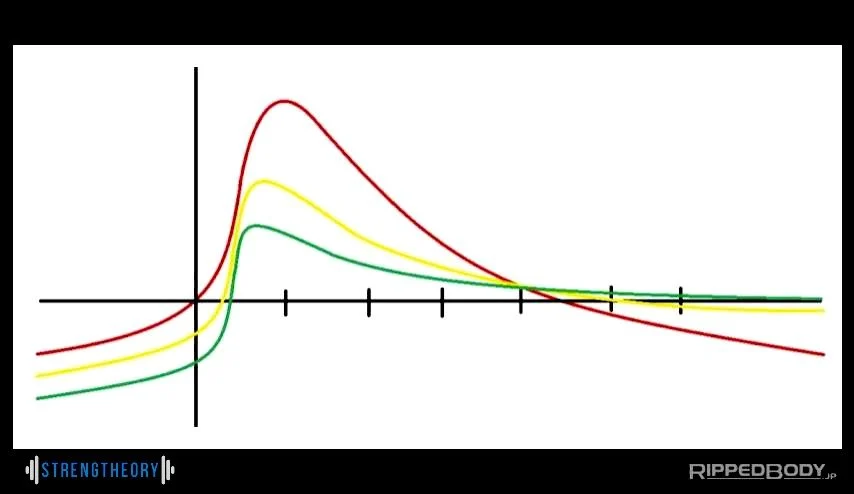
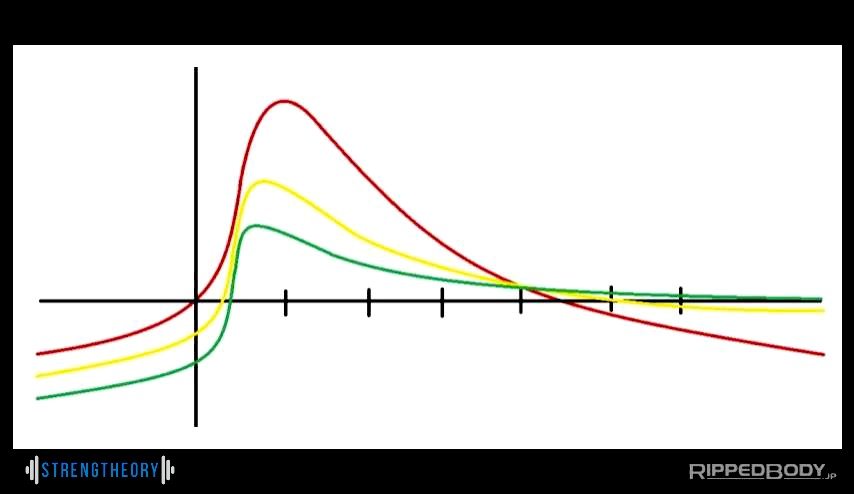
To illustrate the resilience of the human body, analysts often point to extreme endurance feats. For instance, James Lawrence, known as the "Iron Cowboy," completed 50 full-distance triathlons in 50 states over 50 consecutive days. While Lawrence experienced profound fatigue and systemic inflammation, he did not technically reach a state of clinical overtraining because his recovery, nutrition, and pacing were meticulously managed. This suggests that for the average trainee, the fear of "overtraining" is often a barrier to the hard work necessary for adaptation. As the Fitness-Fatigue Model demonstrates, fatigue is a natural byproduct of training that temporarily masks an individual’s true fitness level. It is only after fatigue dissipates through rest that the new level of fitness becomes apparent.
The Recovery Debt: Elite Athletes vs. General Population
One of the most significant errors in modern training is the "copy-paste" application of elite-level programs to the general population. Professional athletes often dedicate four to six hours daily to training, supplemented by dedicated sleep protocols, massage therapy, and precision nutrition. Conversely, the average trainee often balances high-intensity exercise with a 40-hour workweek, sedentary office habits, and domestic stressors.
When an elite powerlifter like Chris Duffin squats 800 pounds daily for a month, it is the result of decades of "work capacity" building. For a novice or intermediate trainee to attempt a similar high-frequency, high-intensity protocol is to invite injury. The biological "recovery debt" incurred by an office worker is significantly higher because their lifestyle does not facilitate the same rate of tissue repair. Coaches emphasize that "smart" training means acknowledging these limitations and selecting a frequency that aligns with one’s lifestyle rather than one’s ambitions.

Strategic Exercise Selection and Neurological Loading
Not all exercises impose the same level of stress on the body. The deadlift, for example, is widely regarded as the most neurologically and physiologically demanding lift. Because it involves a massive amount of musculature and requires significant spinal loading (axial loading), the CNS takes longer to recover from a heavy deadlift session than from a bench press or a bicep curl.
Data suggests that for lifters who have reached a certain strength threshold—typically twice their body weight—deadlifting at high intensities (above 85% of their one-rep max) more than once a week can lead to diminishing returns. To combat this, coaches recommend "cluster" training or technical speed work. By reducing the intensity but maintaining the movement pattern, lifters can refine their technique without overtaxing their recovery systems.
Furthermore, the inclusion of "non-mechanical" loading—such as bodyweight exercises performed for time rather than repetitions—can provide a significant hypertrophic stimulus with less joint wear and tear. Exercises like Bulgarian split squats, when performed with controlled tempos and extended time under tension, can stimulate muscle growth through metabolic stress rather than pure mechanical tension, offering a "break" for the skeletal system while still promoting muscular development.
The Role of Active Recovery and Deloading
The implementation of "deload" weeks is perhaps the most critical component of a sustainable strength program. Typically occurring every fourth week, a deload involves a strategic reduction in training volume (total sets and reps) while maintaining a moderate level of intensity. This allows the body to clear accumulated fatigue and repair micro-trauma in connective tissues that may not have fully healed during standard 48-hour rest windows.
Recent studies on volume-based deloading suggest that keeping intensity (the weight on the bar) relatively high while cutting volume in half is more effective for maintaining strength than dropping both volume and intensity. This keeps the nervous system "primed" while giving the muscular and endocrine systems the necessary window to recover.

Additionally, low-intensity active recovery, such as casual walking, has been shown to improve blood flow and parasympathetic nervous system activity. Unlike high-intensity interval training (HIIT), which adds to the systemic stress bucket, walking facilitates the "rest and digest" state necessary for hormonal balance and tissue repair.
Broader Impact and Implications for the Fitness Industry
The shift toward "smart" stress management has profound implications for long-term health and athletic longevity. By moving away from the "annihilation" mindset, trainees can avoid the cycle of injury and burnout that plagues the fitness industry. The data indicates that consistency over years is a more potent predictor of physical transformation than intensity over weeks.
For the coaching profession, this evolution demands a higher level of education. Trainers must now be part physiologist and part psychologist, capable of reading an athlete’s "readiness" and adjusting the daily workload accordingly. Technologies such as Heart Rate Variability (HRV) monitoring are becoming standard tools to measure systemic stress, allowing for "autoregulation"—the practice of adjusting training intensity in real-time based on the body’s current recovery state.
In conclusion, the path to physical excellence is paved with high-effort training, but it is guided by the principles of recovery and stress management. To "stimulate, not annihilate" remains a valid sentiment, provided it is interpreted as a call for intelligent, periodized work rather than an excuse for sub-maximal effort. The most successful athletes are those who treat their recovery with the same discipline as their training, understanding that strength is built not just in the gym, but in the calculated spaces between sessions.

