

The well-intentioned effort to guide consumers toward healthier eating habits by providing information and options has encountered a perplexing psychological phenomenon: the mere presence of a healthy choice can paradoxically lead individuals to make even less healthy decisions. This counterintuitive outcome, rooted in the intricate workings of human psychology, has been observed across various scenarios, from restaurant menus to dietary supplement use. While the intention behind menu calorie labeling and the introduction of healthier alternatives is to empower consumers, research suggests these interventions may be inadvertently backfiring, leading to a "vicarious goal fulfillment" and a "what the hell effect" that undermines dietary goals.
The Unfulfilled Promise of Calorie Labeling
In 2017, a significant shift occurred in the restaurant industry with the mandated nationwide implementation of calorie labeling on menus in chain restaurants. This regulatory move was designed to equip consumers with the essential information needed to make informed choices outside their homes, theoretically encouraging reduced food intake and adherence to daily energy requirements. However, empirical evidence has cast doubt on the effectiveness of this widespread initiative. Studies, including one published in the Journal of Public Policy & Marketing, indicate that calorie labels have had a negligible impact, shaving off an average of a mere eight calories per meal. This minimal reduction suggests that simply providing caloric information does not inherently alter ingrained eating behaviors or preferences.
The limited efficacy of calorie labeling was, in retrospect, perhaps foreseeable. The ease with which such regulations were passed in some jurisdictions, contrasted with the robust industry opposition to potentially more impactful front-of-pack traffic light labeling systems, hinted at their superficial impact. For instance, McDonald’s had already voluntarily begun displaying calorie information nationally in 2012, following a New York City labeling mandate in 2008 that was found to have no significant overall effect on consumer behavior. While these labels may have served to enhance perceptions of a restaurant’s concern for consumer well-being, they demonstrably failed to dissuade patrons from ordering high-calorie favorites like the Big Mac.
The Paradox of Introducing Healthy Alternatives
Simultaneously, fast-food giants have also been introducing healthier options to their menus. McDonald’s, for example, announced plans to incorporate seasonal produce alongside its existing offerings. While seemingly a positive development, this strategy has also been implicated in the surprising psychological phenomenon where the introduction of a healthy option can paradoxically drive individuals to make less healthy choices.
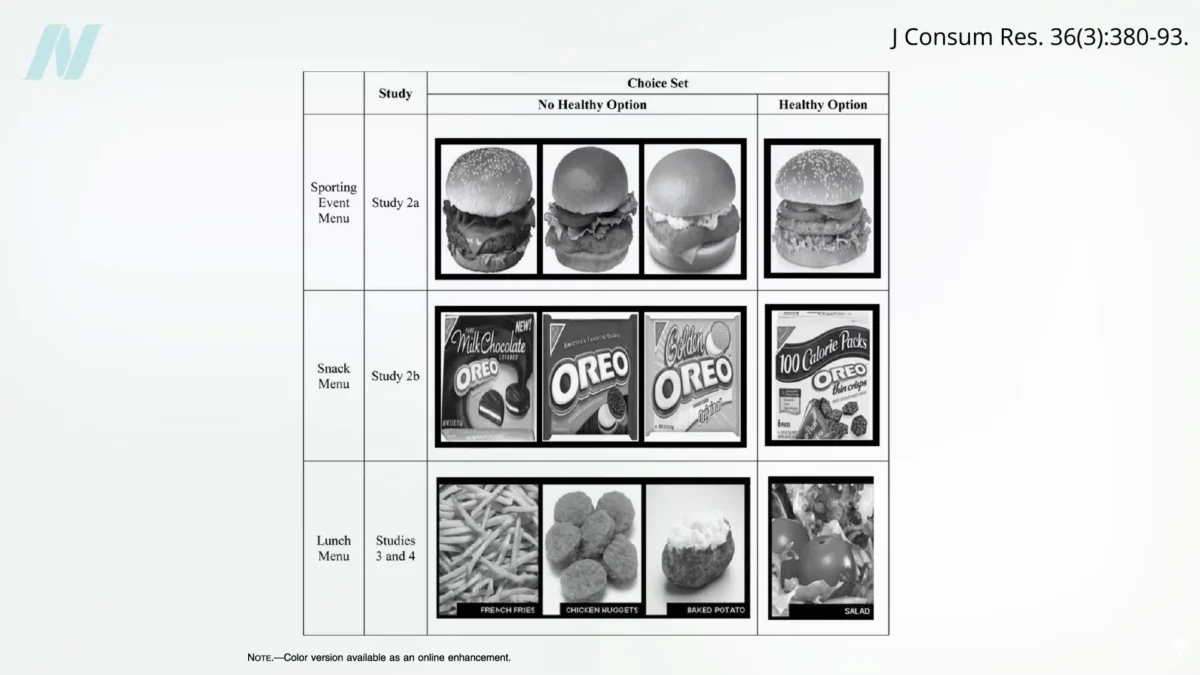
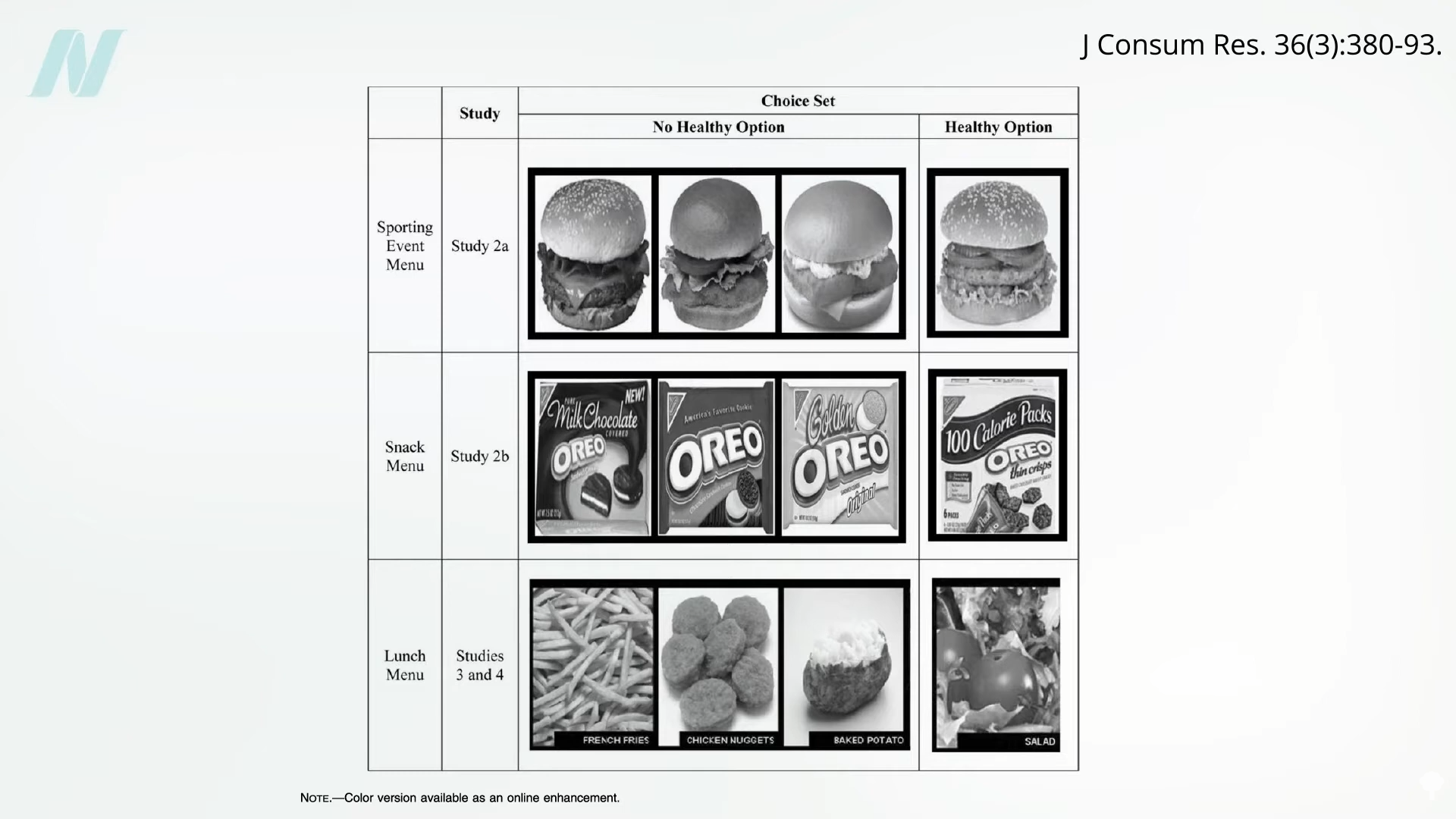
Research, detailed in a study published in the Journal of Consumer Research, illustrates this effect through experimental scenarios. When presented with a choice of side dishes, such as French fries and a baked potato, only about 10% of individuals opt for the fries. However, when a third, even healthier option, such as a side salad, is introduced, the dynamic shifts dramatically. Instead of a simple choice between indulgence and a neutral option, consumers now have a spectrum. The expectation might be that the healthier salad would be chosen by more individuals, or at least that the baked potato would become a more appealing middle-ground. Instead, the introduction of the salad significantly increases the preference for the fries. Without the salad, only one in ten people chose fries; with the salad option available, this figure triples to 33%. This suggests that the presence of the healthier choice, rather than guiding consumers toward it, can inadvertently make the indulgent option more appealing by comparison.
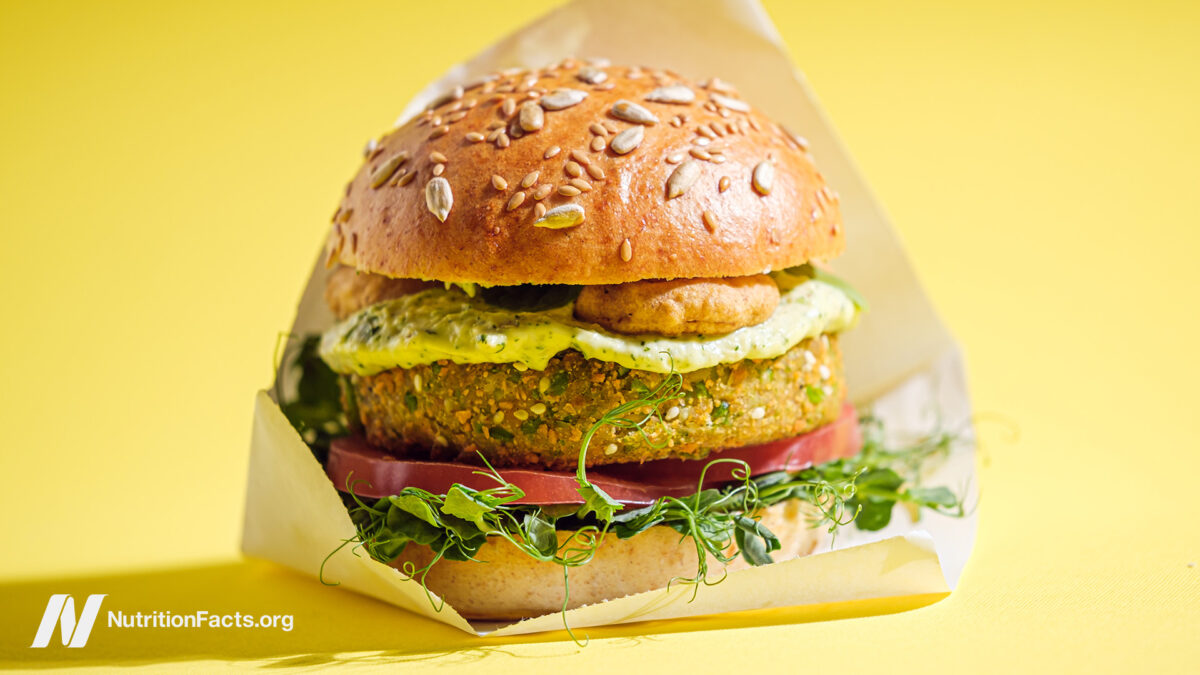
A similar outcome was observed when participants were offered a choice between a bacon cheeseburger, a chicken sandwich, and a veggie burger. In a scenario without a explicitly healthy option, where the choice was between a cheeseburger, a chicken sandwich, or a fish sandwich, 17% selected the burger. However, when the fish sandwich was replaced with a veggie burger, the preference for the bacon cheeseburger more than doubled to 37%. This phenomenon, explored in experiments titled "Vicarious Goal Fulfillment: When the Mere Presence of a Healthy Option Leads to an Ironically Indulgent Decision," suggests a subconscious mental process at play.
Vicarious Goal Fulfillment and Self-Licensing
The prevailing theory behind this counterintuitive behavior is "vicarious goal fulfillment." The mere contemplation of making a healthy choice, such as seeing a salad or a veggie burger on the menu, can lead individuals to feel as though they have already achieved a portion of their health-related goals. This perceived accomplishment then creates a psychological justification for indulging in less healthy options in the present. The mental note to "choose the salad next time" or to "be healthier tomorrow" can act as a license to overindulge today.
This mechanism is closely related to the psychological concept of "self-licensing." This occurs when individuals, after having engaged in behavior that aligns with their goals, feel licensed to deviate from those goals through indulgence. For example, someone who has recently lost weight might feel justified in eating a donut, effectively rewarding themselves for their progress, even if this indulgence undermines their long-term objectives.
The "What the Hell Effect" and Perceptual Warping
Another facet of this psychological interplay is the "what the hell effect," a phenomenon particularly relevant to individuals attempting to adhere to dietary restrictions. This effect describes how the consumption of a single "forbidden" item can trigger a cascade of indulgence, leading individuals to abandon their diet entirely for the day. Once a perceived boundary has been crossed, the rationalization emerges: "I’ve already had this one treat, so I might as well go all the way." In the context of healthy options, this means that the mental permission granted by considering a healthy choice can lead to selecting the most indulgent item available.
Experimental data further illustrates this. In a study involving different types of Oreos – chocolate-covered, regular, and golden – researchers found that the introduction of a "lower-calorie" Oreo option doubled the likelihood that participants would opt for the most indulgent, chocolate-covered variety. This suggests that even subtle distinctions in perceived healthiness can trigger the "what the hell effect," pushing consumers towards the extreme end of indulgence.
Beyond direct choice, the presence of healthy foods can also warp our perception of unhealthy ones. Studies have shown that when weight-conscious individuals are presented with a burger, they estimate its calorie count to be around 734 calories. However, if the same burger is displayed alongside three celery sticks, the estimated calorie count drops significantly to 619 calories. This perceptual shift occurs not because individuals believe the celery has negative calories, but because the visual juxtaposition of the burger with a healthy food item makes the burger appear comparatively healthier. This "health halo effect" can extend to other food pairings, such as an apple with a waffle sandwich, a side salad with chili, or carrots next to a cheesesteak, leading to an underestimation of the overall caloric content.
This perceptual distortion can explain why consumers might order more dessert and sugary drinks when choosing a seemingly healthier sub from a chain like Subway compared to a Big Mac at McDonald’s, even if the sub in question is calorically denser. The perceived "healthiness" of the sub creates a halo effect that licenses further indulgence.
Implications for Public Health and Policy
The implications of these psychological findings are significant for public health initiatives and food policy. While providing calorie information and offering healthier alternatives are crucial steps towards promoting healthier eating, they may not be sufficient on their own and could, in some instances, have unintended consequences.
The research suggests that a more nuanced approach is required, one that acknowledges the complex psychological factors influencing food choices. Strategies that focus solely on information provision or the introduction of a single healthy option may need to be supplemented with interventions that address the underlying psychological mechanisms at play. This could involve framing healthier choices more attractively, moderating the perception of indulgence, or employing behavioral economics principles to nudge consumers towards consistently healthier decisions.
For instance, simply promoting salads or fruits, as McDonald’s has done, can garner positive public relations and bolster consumer loyalty without necessarily improving overall population health, due to the counterintuitive effects described. The "health halo" effect can also lead consumers to believe that items are healthier than they are, prompting them to order more.
The findings underscore the need for continued research into consumer behavior and the development of more sophisticated public health strategies that account for these intricate psychological responses. Understanding these "glitches" in human psychology is essential for designing interventions that genuinely support healthier eating habits rather than inadvertently contributing to less healthy choices. The journey towards healthier eating is not always a straight line, and the introduction of seemingly positive changes can sometimes lead down unexpected paths, highlighting the enduring complexity of human decision-making.

