

A crucial window of opportunity exists after consuming an unhealthy meal, during which physical activity can significantly mitigate the detrimental effects on vascular health. Recent scientific investigations are shedding light on the profound and immediate impact of high-fat, high-sodium meals on the cardiovascular system, and the surprising extent to which timely exercise can serve as a countermeasure.
The Immediate Impact of High-Fat Meals on Arterial Function
Studies have previously documented how a single meal rich in saturated fat can impair artery function, a phenomenon measurable in peripheral arteries. However, growing concern centers on the direct impact on blood flow to the heart wall itself. Research has demonstrated that men, after consuming a high-fat meal – defined as over 60% fat, with half of that being saturated and containing cholesterol levels equivalent to more than one egg – experienced significant vascular changes. This was starkly contrasted with a control group that consumed a low-fat meal, primarily composed of carbohydrates with less than 10% fat and 50 times less cholesterol, despite both meals containing a similar caloric load.
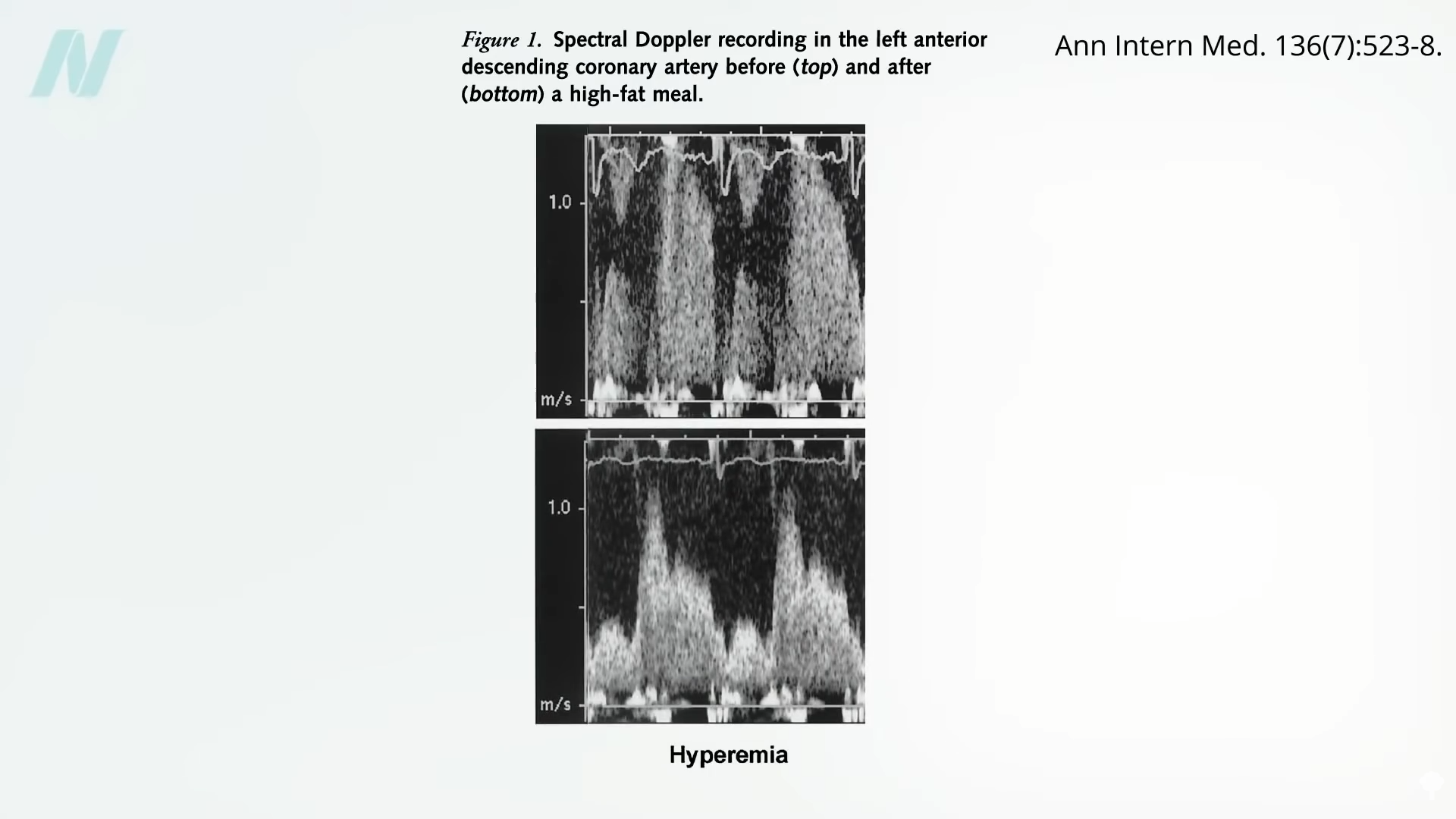
Visual evidence from Doppler recordings of the left anterior descending coronary artery, often referred to as the "widow-maker," vividly illustrates this effect. Before the high-fat meal, the artery exhibits a robust and clear signal, indicating healthy blood flow. Within hours of consumption, this signal is markedly diminished, squeezed down by physiological changes. An image taken just five hours after the high-fat meal clearly shows this constriction, a direct consequence of the ingested fats. This reduction in the coronary flow reserve signifies a compromised ability of the heart’s arteries to dilate and compensate for blockages, a critical function for maintaining adequate blood supply to the heart muscle.
The term "coronary flow reserve" refers to the capacity of the coronary arteries to increase blood flow to the heart muscle in response to increased demand. When arteries narrow due to atherosclerosis or other factors, the surrounding vessels can expand to compensate. This compensatory expansion capacity is the coronary flow reserve. A high-fat meal effectively clamps down on this reserve within hours, diminishing the heart’s ability to manage situations where blood flow might be challenged.

Visualizing the Impact: From Coronary Arteries to Retinal Vessels
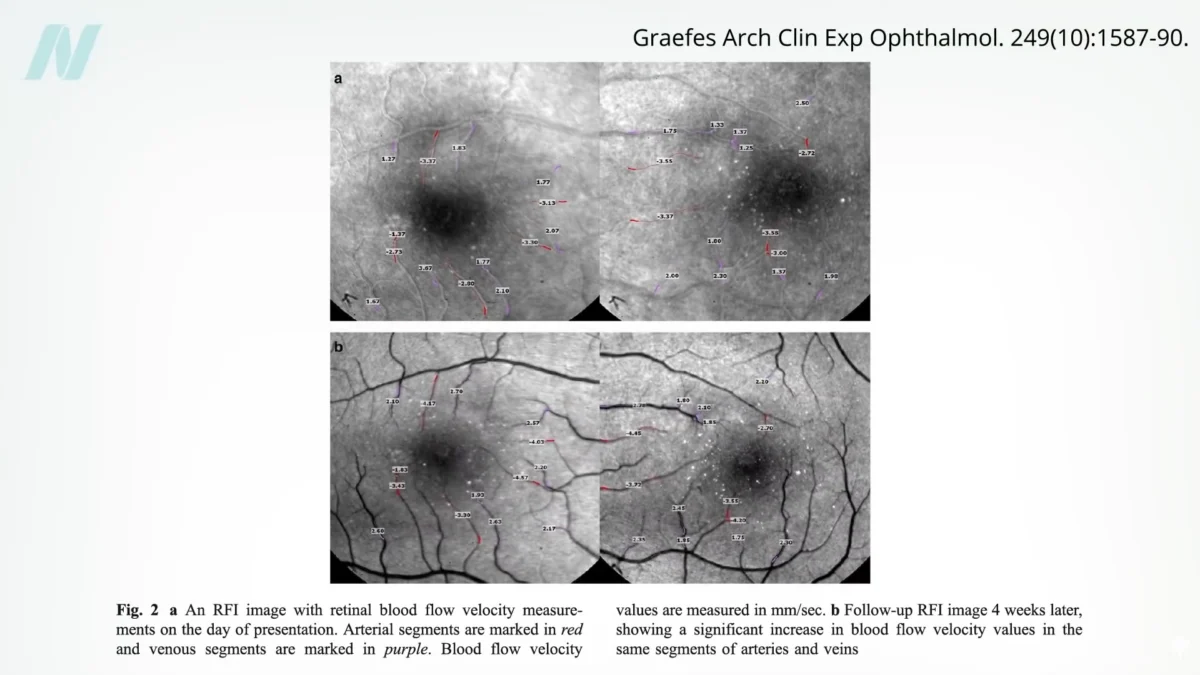
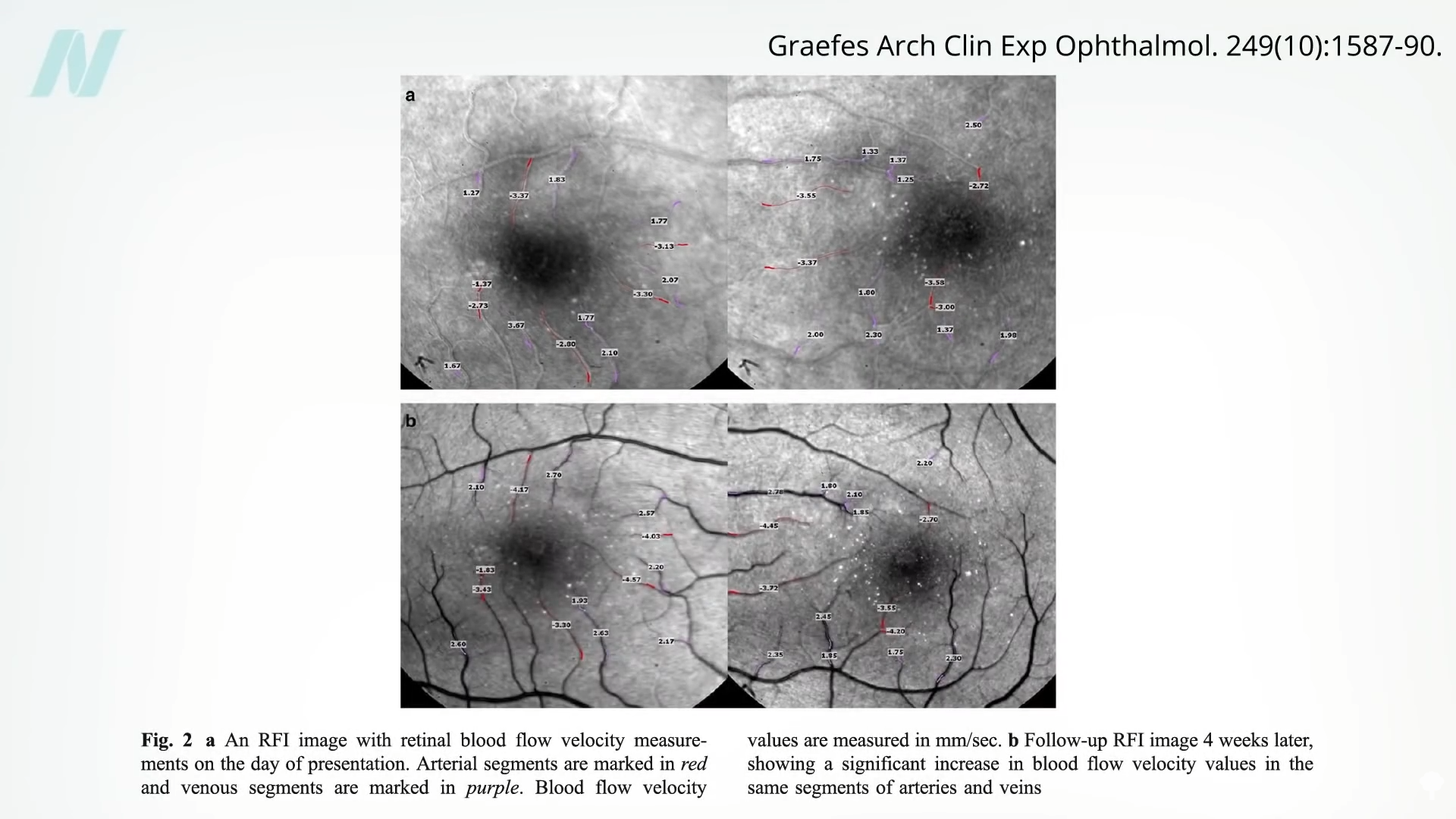
The repercussions of such meals extend beyond the immediate coronary arteries. In more extreme cases, the detrimental effects can be observed even in the delicate blood vessels at the back of the eye, the retina. Before-and-after imaging studies reveal a striking transformation in retinal vasculature following the consumption of a high-fat meal. Initially, the blood vessels can appear milky and engorged, a visual testament to the elevated levels of fat circulating in the bloodstream. This condition, where the blood appears thick and opaque, is likened to a milkshake. Following dietary interventions, including a low-fat diet and pharmacological treatments to clear the bloodstream of excess lipids, the vessels can return to a clearer, healthier state. This visual correlation underscores the systemic impact of dietary fat on vascular health.
The Protective Role of Acute Exercise: A Narrow Window of Opportunity
The critical question then arises: can physical activity intervene and counteract these negative effects? Substantial evidence suggests that acute exercise performed shortly after a high-fat meal can be an effective strategy for clearing excess fat from the bloodstream and attenuating postprandial inflammation, a key contributor to increased cardiovascular disease risk. However, the beneficial effects of such exercise appear to be transient.
Research indicates that the positive impact of acute exercise on postprandial lipemia – the elevation of fats in the blood after a meal – is relatively short-lived. This implies that a consistent exercise routine is essential; a few days without physical activity may negate any previously gained benefits, irrespective of an individual’s baseline fitness level. The optimal timing for this protective exercise appears to be within a specific window: between 18 hours prior to the meal and approximately 90 minutes after its consumption.
The required duration of moderate-intensity exercise within this window is estimated to be around one hour. This suggests that incorporating regular bouts of physical activity, particularly in proximity to potentially unhealthy meals, can play a significant role in preserving vascular function.
Case Study: Stair Climbing and Fast Food Breakfast
A compelling study investigated the impact of exercise on participants who consumed a typical fast-food breakfast, a meal laden with hash browns, eggs, pancakes, sausage, an English muffin, and a milkshake. Following this high-fat, high-sodium breakfast, participants’ artery function significantly decreased when they remained sedentary. However, when the same participants engaged in 20 minutes of stair climbing, broken into five-minute intervals every hour for four hours post-meal, the negative effects on artery function were attenuated.
This finding is particularly significant as it demonstrates that even a relatively short duration of exercise, strategically interspersed throughout the post-meal period, can counteract the vascular damage. The study suggests that hourly bouts of stair climbing may not only mitigate the negative effects of prolonged sitting but also protect against the impact of consuming a high-fat meal. Researchers have posited that incorporating stair climbing as an accessible lifestyle strategy could be a valuable method for protecting vascular function.
The Pervasive Threat of Sodium: Beyond Blood Pressure
Beyond the impact of fat, the sodium content of modern convenience foods presents another significant threat to cardiovascular health. A single fast-food breakfast, as exemplified, can easily exceed 2,000 milligrams of sodium, far surpassing the American Heart Association’s recommended daily limit of 1,500 milligrams for an entire day.
Even a moderate reduction in dietary salt, such as a third less, can still impair artery function within an hour of consumption. This impairment occurs independently of any significant increase in blood pressure, highlighting that sodium’s detrimental effects on vascular health are multifaceted.
The concept of "salt sensitivity" describes individuals whose blood pressure responds dramatically to sodium intake, while "salt-resistant" individuals experience less pronounced blood pressure fluctuations. However, emerging research indicates that high dietary sodium intake negatively impacts artery function regardless of an individual’s blood pressure response. Transitioning from a low-salt to a high-salt diet impairs artery function in both salt-sensitive and salt-resistant individuals, demonstrating a universal detrimental effect on vascular health.
The Enduring Debate on Sodium and the Scientific Consensus
Despite the clear evidence linking high sodium intake to impaired artery function, a segment of researchers, often with financial ties to the salt industry, have questioned the benefits of sodium reduction. These dissenting voices have at times claimed that restricting salt may not be beneficial. However, the overwhelming body of scientific evidence stands against these claims. Similar to the understanding of saturated fat’s role in cardiovascular disease, the scientific consensus points to sodium, not sodium reduction, as the primary dietary culprit contributing to vascular issues. This perspective frames sodium as a "real villain" in the context of cardiovascular health.
Broader Implications for Public Health and Lifestyle Choices
The findings from these studies carry significant implications for public health recommendations and individual lifestyle choices. They underscore the immediate and profound impact of dietary choices on cardiovascular well-being. The research highlights that:
- Vascular health is acutely sensitive to diet: The body’s vascular system can experience negative consequences from unhealthy meals within hours.
- Exercise is a potent, albeit time-sensitive, mitigation tool: Physical activity, particularly when timed strategically around meals, can help counteract some of the damage.
- Saturated fat and sodium are independent threats: Both components of unhealthy foods contribute to vascular impairment, often through different mechanisms.
- Processed and fast foods pose significant risks: These foods are often high in both unhealthy fats and sodium, creating a double threat to artery function.
The evidence strongly suggests that while exercise can offer a degree of protection, it should not be viewed as a license to consume unhealthy foods without consequence. The most effective strategy for maintaining optimal artery health remains a balanced, nutrient-dense diet, minimizing the intake of saturated fats and sodium.
A Continual Series on Arterial Health
This exploration into the impact of diet and exercise on artery health is part of a continuing series. Previous discussions have delved into how single meals can detrimentally affect arteries and lungs. Future installments are slated to examine protective foods that can bolster artery health against the challenges posed by saturated fats. For those still unconvinced about the direct link between salt and elevated blood pressure, further evidence is readily available, reinforcing the critical need to re-evaluate dietary sodium intake.
The scientific community’s ongoing research in this area provides a robust foundation for making informed dietary and lifestyle decisions. Understanding the intricate interplay between what we eat, how much we move, and the health of our cardiovascular system empowers individuals to take proactive steps towards long-term well-being. The message is clear: immediate lifestyle choices have tangible and measurable impacts on our vascular health, and timely interventions can play a crucial role in mitigating these effects.

