

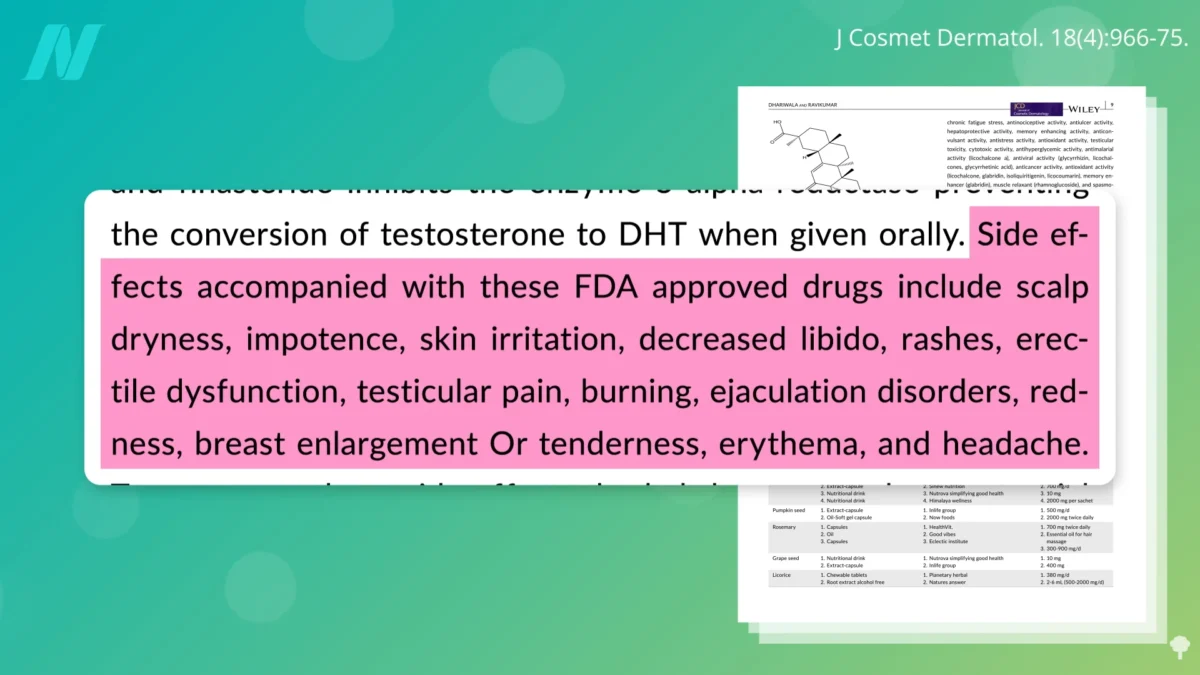
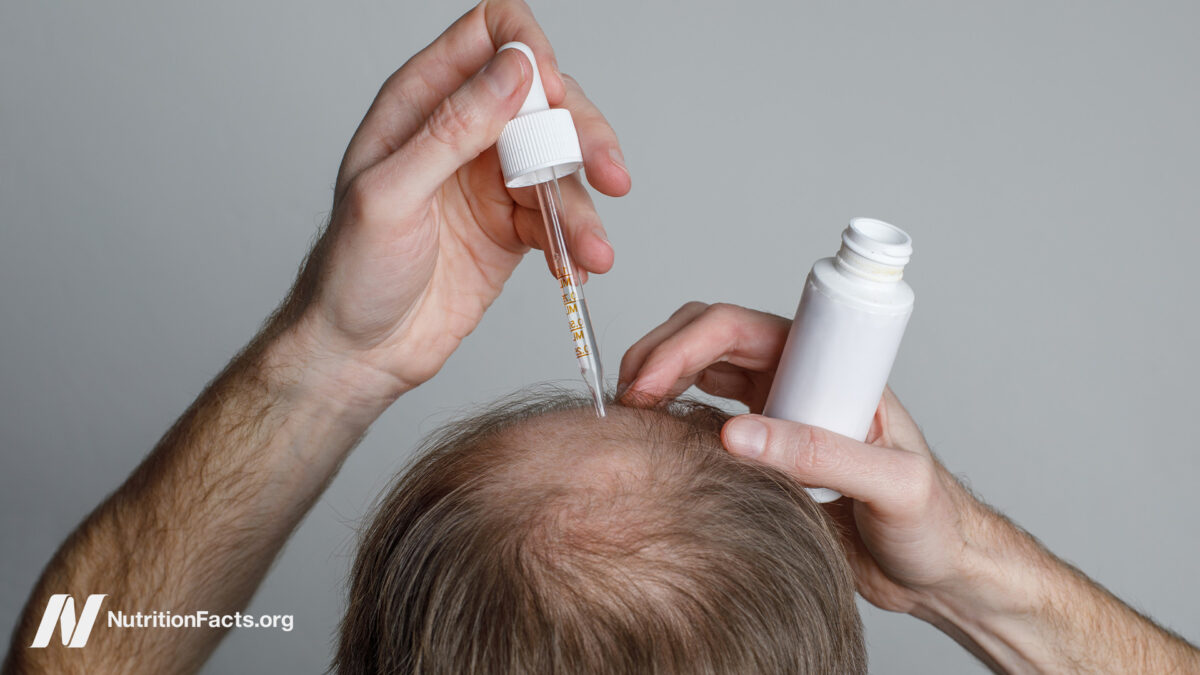
The quest for a solution to hair loss leads many consumers to an overwhelming array of treatments advertised online. However, scientific evidence supporting the efficacy of these numerous remedies is often scarce. Currently, the only treatments with robust scientific backing for hair regrowth are those approved by the U.S. Food and Drug Administration (FDA): finasteride, marketed as Propecia, and minoxidil, sold as Rogaine. The notion that unproven, patented hair-loss supplements can significantly enhance hair growth is largely considered a myth, and these products can incur substantial annual costs, potentially exceeding $1,000. In contrast, FDA-approved medications typically range from $100 to $300 annually. While these pharmaceutical interventions can yield positive results, they are not without their own set of potential side effects. Propecia has been associated with diminished libido and sexual dysfunction, while topical minoxidil can cause scalp irritation and itching.
Understanding the Mechanisms and Side Effects of Hair Loss Medications
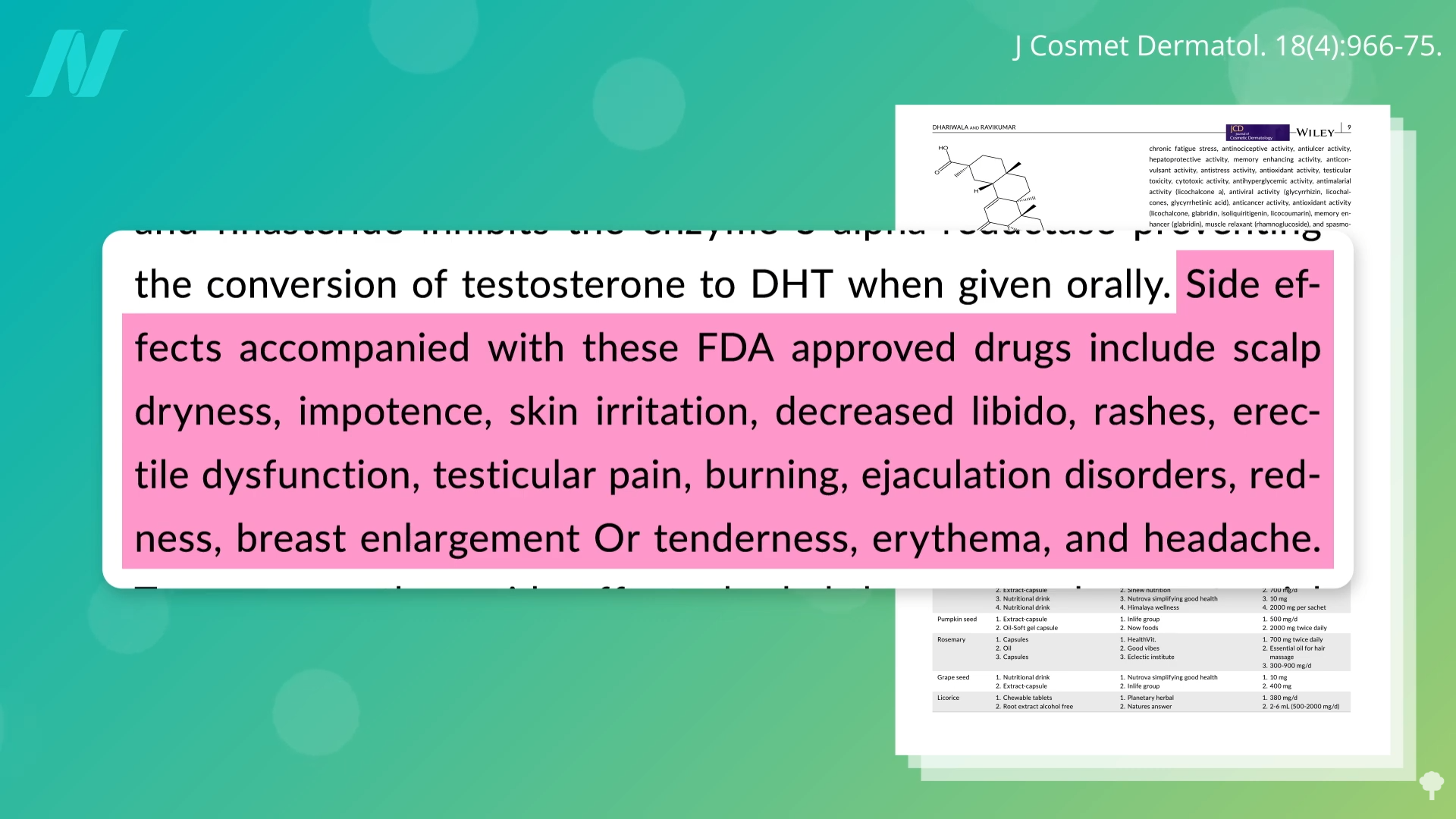
To fully grasp the potential side effects of Propecia, particularly those related to hormonal imbalances such as decreased libido, erectile dysfunction, and gynecomastia (breast enlargement in men), it is crucial to understand its pharmacological mechanism. The drug operates by inhibiting an enzyme called 5-alpha reductase. This enzyme is responsible for converting testosterone, the primary circulating androgen in the bloodstream, into dihydrotestosterone (DHT). DHT is a more potent androgen that plays a significant role in male pattern baldness.
The historical context of understanding the role of androgens in hair growth is noteworthy. Research dating back half a century revealed that castration in men halted hair loss, a finding that sheds light on the androgenic influence. This practice, unfortunately, was intertwined with the dark history of eugenics in the United States. During that era, individuals deemed "mentally handicapped" were subjected to forced sterilization, including castration and tubal ligations, without their consent or knowledge, under the guise of preventing their "contribution to the gene pool." The United States was a pioneer in enacting eugenic laws, which were later upheld by the U.S. Supreme Court. By the 1930s, prominent figures lamented that "The Germans are beating us at our own game," indicating the international adoption and advancement of these coercive policies.
Propecia’s mechanism of action directly targets the conversion of testosterone to DHT by inhibiting 5-alpha reductase. This reduction in DHT levels, while beneficial for slowing hair loss, can lead to a cascade of hormonal side effects in men. These can include erectile dysfunction, decreased ejaculate volume, and testicular pain. Critically, Propecia is contraindicated for women, especially those who are or may become pregnant, due to the risk of feminizing male fetuses.
Persistent Sexual Dysfunction: A Serious Concern with Propecia
A particularly concerning aspect of Propecia’s side effect profile is the potential for persistent sexual dysfunction that can continue even after the medication has been discontinued. Regulatory agencies and drug manufacturers have been compelled to disclose this risk for over a decade. Reports indicate a "difficulty in achieving an erection that continues after stopping the medication." In some cases, this side effect may not be transient and could potentially be permanent. Studies have revealed that a significant percentage of participants, up to 20%, reported "persistent sexual dysfunction" lasting for six years or more after discontinuing the drug. This raises a serious concern about the long-term neurological impact of finasteride.
Neurological Implications and the Importance of Informed Consent
Emerging research suggests that Propecia might structurally alter brain regions responsible for sexual function. While blood hormone levels in individuals experiencing persistent sexual side effects may appear normal, analysis of cerebrospinal fluid obtained through spinal taps has indicated alterations in neurosteroid levels. Neurosteroids are synthesized in the brain and play crucial roles in modulating neuronal activity, including those involved in sexual function and mood. The alteration of these neurosteroids by finasteride could explain the persistent sexual dysfunction observed in some users.
Given these findings, it is strongly recommended that healthcare providers prescribing finasteride, and individuals considering its use, be fully aware of the potential serious long-term risks associated with a medication primarily used for a cosmetic purpose. The decision to pursue treatment for hair loss should be an informed one, weighing the potential benefits against these significant risks.
The Landscape of Hair Loss Treatments and the Need for Alternatives
As of the current medical understanding, there are no novel interventions that have been routinely adopted for the treatment of male or female pattern baldness beyond the established drugs. The known side effects of current pharmaceutical options highlight a clear and pressing need for the development of alternative and safer treatments. This ongoing research into the underlying causes and potential therapeutic avenues for hair loss is crucial for individuals seeking effective and well-tolerated solutions.
The exploration of dietary interventions as a potential adjunct or alternative approach to combating hair loss is an area of active interest. Given the intricate relationship between nutrition and overall health, including the health of hair follicles, understanding how specific foods might influence hair growth is a logical next step in the pursuit of comprehensive hair loss management strategies.
Chronology of Understanding Hair Loss Treatments
- Mid-20th Century: Early studies establish the significant role of androgens in male hair growth, noting that castration halts hair loss. This period also coincides with the implementation of eugenics laws in the United States, which unfortunately involved forced sterilization.
- Late 1990s: Finasteride (Propecia) is approved by the FDA for the treatment of male pattern baldness. Minoxidil (Rogaine), initially developed as a blood pressure medication, is already available over-the-counter for hair loss.
- Early 2000s: Initial reports and clinical observations begin to emerge regarding potential sexual side effects associated with Propecia.
- Mid-2000s: Drug manufacturers are mandated to include warnings about sexual dysfunction on Propecia’s labeling.
- 2010s: Further research investigates the potential for persistent sexual dysfunction following Propecia use, exploring neurological mechanisms and altered neurosteroid levels. The U.S. Supreme Court upholds eugenic laws, reflecting a dark period in public health policy.
- Present Day (2026): While Propecia and Rogaine remain FDA-approved options, awareness of their risks, particularly long-term sexual dysfunction and potential neurological impacts, is heightened. The scientific community continues to emphasize the need for alternative, safer treatments for hair loss.
Supporting Data and Analysis
The economic aspect of hair loss treatments presents a stark contrast between unproven supplements and FDA-approved medications. While over-the-counter supplements can cost upwards of $1,000 annually, potentially offering little to no tangible benefit, Propecia and Rogaine typically fall within the $100 to $300 per year range. This economic disparity underscores the importance of seeking evidence-based treatments, but also highlights the financial burden that even proven therapies can represent.
The prevalence of persistent sexual dysfunction reported in studies, with figures suggesting up to 20% of participants experiencing issues for six or more years after discontinuing finasteride, is a critical data point. This statistic moves beyond anecdotal evidence and points to a potential systemic or neurological impact of the drug that warrants serious consideration by both medical professionals and patients. The alteration of neurosteroid levels in cerebrospinal fluid, as indicated by research, provides a plausible biological mechanism for these persistent effects, suggesting that the drug’s influence may extend beyond peripheral hormonal changes.
Broader Impact and Implications
The discourse surrounding hair loss treatments, particularly Propecia, has significant implications for public health awareness and patient advocacy. The history of eugenics, though seemingly distant, serves as a somber reminder of how scientific understanding can be misused and how vulnerable populations can be exploited. This historical context underscores the ethical imperative for rigorous scientific scrutiny and transparent communication regarding the risks and benefits of medical interventions.
For individuals experiencing hair loss, the decision-making process is often fraught with emotional and psychological challenges. The promise of regaining a fuller head of hair can be a powerful motivator, but it is essential that this desire does not override a thorough understanding of potential adverse effects. The availability of FDA-approved drugs like Propecia and Rogaine offers a degree of reassurance regarding efficacy, but the documented risks, particularly the possibility of permanent sexual dysfunction, necessitate a cautious and informed approach. The ongoing search for alternative treatments, potentially including dietary and lifestyle modifications, reflects a broader trend towards holistic health and a desire for interventions that prioritize long-term well-being alongside symptom management. The scientific community’s call for new interventions highlights the evolving nature of medical research and the continuous pursuit of safer and more effective solutions for common health concerns.
Doctor’s Note: This article is part of a three-part series addressing hair loss and growth. The first installment, "Do Hair Growth Supplements Work?", is available for review. Additionally, for individuals experiencing antidepressant-induced sexual dysfunction, information on potential dietary interventions can be found in "Best Food for Antidepressant-Induced Sexual Dysfunction."

