

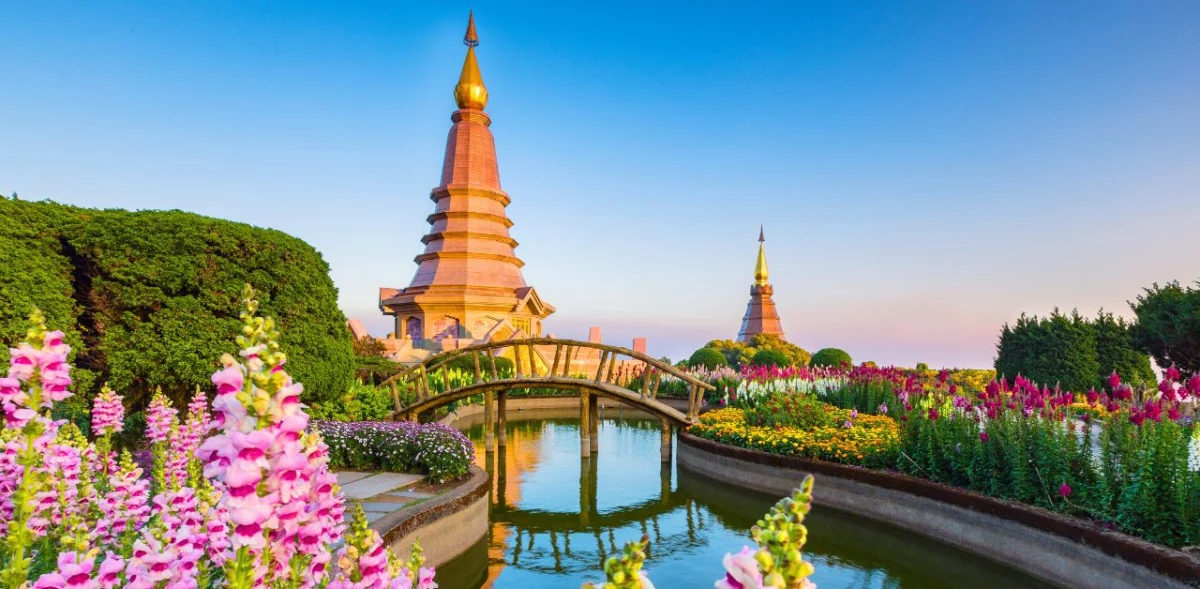
Thailand remains a cornerstone of Southeast Asian tourism, attracting millions of international visitors annually with its unique blend of ancient heritage, metropolitan sophistication, and ecological diversity. As the Tourism Authority of Thailand (TAT) projects a return to pre-pandemic arrival levels, with a target of 35 million international visitors in 2024, the focus of the travel industry has shifted significantly toward "high-value" and "slow travel" experiences. While the nation has long been associated with the backpacker circuit, a growing infrastructure of luxury transport, boutique accommodations, and curated expert tours has transformed it into a premier destination for those seeking comfort and cultural depth. Navigating this complex landscape requires a strategic approach to seasonality, logistics, and social etiquette to ensure a seamless experience.
Strategic Seasonal Planning and Regional Climates
The geographical stretch of Thailand, spanning from the mountainous northern highlands to the tropical southern peninsula, results in a varied climate that dictates the viability of different regions throughout the year. For the majority of travelers, the "Cool Season," which runs from November to February, represents the peak window for exploration. During this period, the northeast monsoon brings cooler, drier air, making outdoor activities such as temple tours in Ayutthaya or hiking in Chiang Mai more physically comfortable.

Data from the Thai Meteorological Department indicates that temperatures during this peak season average between 18°C and 32°C (64°F to 90°F), significantly lower than the "Hot Season" (March to May), where mercury levels frequently exceed 40°C (104°F) in central and northern regions. Travelers focusing on the southern islands must also account for the bifurcated monsoon system. The Andaman Coast (Phuket, Krabi) experiences its wettest months from May to October, while the Gulf of Thailand (Koh Samui, Koh Phangan) sees its heaviest rainfall between October and December. Aligning an itinerary with these regional windows is the primary factor in maintaining travel comfort.
The Rise of Professional Itinerary Management
As global travel trends lean toward personalization, the role of travel experts and bespoke tour operators has become more prominent in the Thai market. The complexity of coordinating domestic logistics—ranging from private jet charters to specialized eco-tours—has led many high-end travelers to delegate planning to specialized firms. Agencies such as Black Tomato and other luxury-tier operators provide "frictionless" travel by managing the intersection of transportation, lodging, and local permits.
This shift toward professional management is also a response to the "Slow Travel" movement. Rather than attempting to visit Bangkok, Chiang Mai, and the islands in a single 10-day window, experts advocate for deeper engagement with fewer locations. This approach reduces "travel fatigue" and allows for the inclusion of niche experiences, such as private culinary workshops or heritage tours that are not accessible to the general public. By outsourcing the logistical "heavy lifting," travelers can focus on cultural immersion rather than the stresses of navigation and booking management.

Infrastructure and Modernization of Domestic Transportation
Thailand’s transportation network has undergone significant modernization, providing various tiers of comfort for inter-regional transit. For those prioritizing time and convenience, the domestic aviation market is robust. Suvarnabhumi Airport (BKK) and Don Mueang International Airport (DMK) serve as hubs for carriers like Thai Airways and Bangkok Airways, the latter of which operates several "boutique" terminals that offer lounge access to all passengers, elevating the standard of domestic flight.
For travelers seeking a more scenic and environmentally conscious route, the State Railway of Thailand (SRT) has introduced newer, Chinese-made sleeper carriages on popular routes such as the Special Express "Utrapath" between Bangkok and Chiang Mai. These trains feature improved climate control, modern berths, and automated safety features. Furthermore, the 2023 opening of the Krung Thep Aphiwat Central Terminal—the largest railway hub in Southeast Asia—has streamlined rail travel, providing a centralized point for long-distance services.
Within urban centers, particularly Bangkok, the expansion of the BTS Skytrain and MRT subway systems has mitigated the city’s notorious traffic congestion. For private transit, the rise of ride-hailing applications like Grab and Bolt has provided a transparently priced alternative to traditional taxis, offering "Premium" and "SUV" tiers for travelers requiring additional space and comfort.

Sustainable Luxury and Strategic Accommodations
The selection of accommodation is no longer merely about luxury, but about strategic positioning and sustainability. The Thai Ministry of Tourism and Sports has been actively promoting "Green Hotels" that adhere to strict environmental standards regarding waste management and energy efficiency. For the comfort-oriented traveler, choosing a well-located hotel can save hours of transit time. In Bangkok, staying near the Chao Phraya River provides access to the city’s historical core via water taxis, avoiding road traffic.
The luxury sector in Thailand is currently characterized by a move toward "Experiential Luxury." Properties are increasingly judged on their ability to integrate with the local community. Travelers are encouraged to consult verified reviews and travel journals to identify resorts that offer authentic interactions alongside high-end amenities. High-occupancy periods, particularly during the Lunar New Year and the Songkran festival in April, necessitate bookings months in advance to secure preferred accommodations in high-demand areas like Phuket and the Sukhumvit district of Bangkok.
Socio-Cultural Literacy and Respectful Engagement
Comfort in Thailand is not solely physical; it is also social. Navigating the country with "assurance and respect" involves an understanding of Thai Khwam Pen Thai (Thai-ness) and the social hierarchies that govern daily life. The "Land of Smiles" philosophy is rooted in the concept of Jai Yen (a cool heart), which prioritizes calmness and conflict avoidance.

Formal cultural protocols are particularly rigid regarding the Monarchy and Religion. The Lese Majeste laws are strictly enforced, and any perceived disrespect toward the Royal Family can result in legal consequences. Similarly, Buddhist temples (Wats) are active places of worship. Professional guides emphasize the "Three Rs": Respectful dress (covering shoulders and knees), Removing shoes, and Refraining from inappropriate photography of Buddha images. Learning basic Thai phrases, such as Sawatdee (Hello) and Khop Khun (Thank you), is more than a courtesy; it is a tool for building rapport with local residents, often leading to more authentic and welcoming interactions.
Case Study: Khao Yai National Park and Biodiversity Conservation
Khao Yai National Park, established in 1962 as Thailand’s first national park, serves as a primary example of the country’s commitment to preserving its natural heritage. As a UNESCO World Heritage site and part of the Dong Phayayen-Khao Yai Forest Complex, the park covers 2,168 square kilometers. It is a critical habitat for approximately 800 species of fauna, including the endangered Asian elephant and the vulnerable Asiatic black bear.
The park’s infrastructure allows for "safari-style" comfort, with well-maintained roads and professional ranger-led tours. For the high-end traveler, the surrounding area of Pak Chong has seen the development of luxury "glamping" and vineyard resorts, allowing for nature exploration without sacrificing modern amenities. The presence of over 300 bird species and 112 species of mammals makes it a focal point for international zoological research and eco-tourism.

Case Study: Ang Thong Marine National Park and the Blue Economy
In the south, the Ang Thong Marine National Park represents the pinnacle of Thailand’s marine conservation efforts. Comprising 42 islands in the Gulf of Thailand, the park is characterized by its dramatic limestone karsts and "hidden" lagoons, such as the emerald-colored Thale Nai. The park is a protected area, limiting the scale of permanent construction to preserve the fragile coral reefs and seagrass beds.
To explore this region in comfort, travelers often opt for private yacht charters from Koh Samui, which provide a more secluded experience than the high-capacity "longtail" boat tours. The park’s management has implemented strict seasonal closures and visitor caps to prevent the "over-tourism" seen in areas like Maya Bay. This managed access ensures that the biodiversity—including hawksbill turtles and various species of dolphins—remains protected while providing a high-quality experience for visitors.
Case Study: The Ethics of the Gibbon Rehabilitation Project
Located within the Khao Phra Thaeo National Park in Phuket, the Gibbon Rehabilitation Project (GRP) highlights the intersection of tourism and animal welfare. Since 1992, the project has worked to end the illegal use of gibbons as photo props for tourists—a practice that often involves the poaching of nursing mothers.

The project’s methodology focuses on a multi-year "rewilding" process, where rescued gibbons are moved through various stages of quarantine and rehabilitation to minimize human imprint. For tourists, the GRP offers an educational experience that differs from traditional "animal shows." By visiting the Education Center, travelers contribute to a conservation model that prioritizes the health of the ecosystem over entertainment. This ethical approach to wildlife tourism is becoming a hallmark of the modern Thai travel experience, where "comfort" includes the peace of mind that one’s presence is not causing ecological harm.
Economic Implications and the Future of Thai Tourism
The transition toward high-comfort, high-value tourism has significant implications for the Thai economy. Tourism typically accounts for approximately 12% to 18% of Thailand’s GDP. By encouraging longer stays and higher spending per visitor—rather than simply focusing on raw arrival numbers—the government aims to create a more resilient and sustainable industry.
The "Ignite Thailand" initiative, launched in 2024, seeks to position the country as a global aviation and tourism hub by 2030. This includes further investments in high-speed rail, airport expansions, and the development of "secondary cities" to distribute tourism wealth more evenly across the provinces. For the international traveler, these developments promise a future where exploring the farthest reaches of the Kingdom can be done with unprecedented ease, safety, and comfort.

