

Benign prostatic hypertrophy (BPH), commonly known as an enlarged prostate, is a pervasive health concern affecting a significant portion of the male population. Statistics reveal that over half of men in their 50s and at least 70% of those over 60 experience this condition, leading to troublesome lower urinary tract symptoms. These can range from frequent nighttime urination to more debilitating issues. While conventional medical treatments exist, their efficacy is often hampered by side effects and low patient adherence, with reported complications including sexual dysfunction, an increased risk of high-grade prostate cancer, and depression. The dissatisfaction with current medical interventions, coupled with their potential failures, often necessitates surgical procedures like transurethral resection of the prostate, prompting a continuous search for more effective and less invasive alternatives.
The Growing Burden of Benign Prostatic Hypertrophy
BPH is characterized by the non-cancerous enlargement of the prostate gland, a walnut-sized gland located below the bladder in men. As the prostate grows, it can press on the urethra, the tube that carries urine from the bladder out of the body, leading to a range of urinary symptoms. These symptoms can significantly impact a man’s quality of life, disrupting sleep patterns and causing discomfort and anxiety. The prevalence of BPH underscores its importance as a public health issue, particularly given the aging global population. According to the National Institute on Aging, the prostate continues to grow throughout a man’s life, making BPH an almost inevitable condition for many as they age.
Examining Dietary Influences on Prostate Health
Recent research has begun to illuminate the potential role of dietary interventions in managing BPH. Population studies have suggested a correlation between a diet low in animal protein and high in fruits and vegetables, and a reduced risk of prostate issues. However, the nuances of this association are complex. It appears that not all animal proteins carry the same implications. Some research indicates that eggs and poultry might be more strongly linked to adverse outcomes compared to red meat or dairy. Refined grains have also been identified as potentially contributing factors. These observations highlight the need for a more granular understanding of dietary components and their specific impact on prostate health.
Beyond broad dietary patterns, specific foods have been investigated for their therapeutic potential. While popular supplements like saw palmetto have undergone extensive scrutiny, with over 30 randomized controlled trials failing to demonstrate significant efficacy, the search for natural remedies continues. This has led researchers to explore traditional remedies and their scientific validation.
Cranberries: A Traditional Remedy Under the Microscope
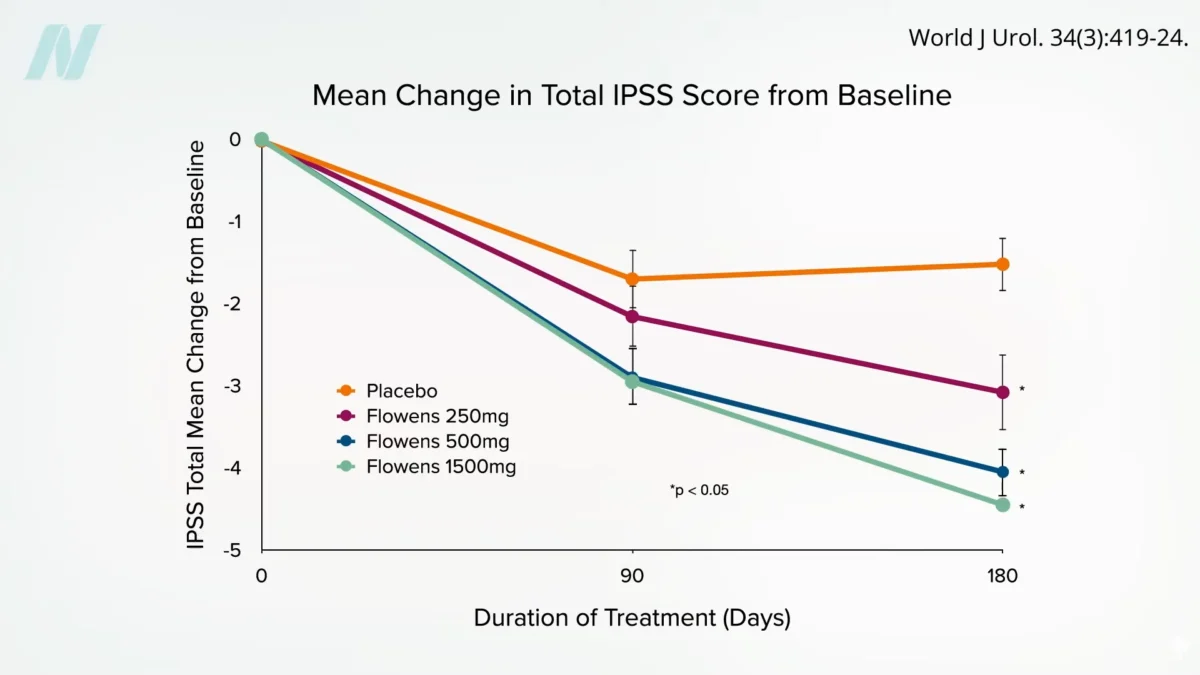
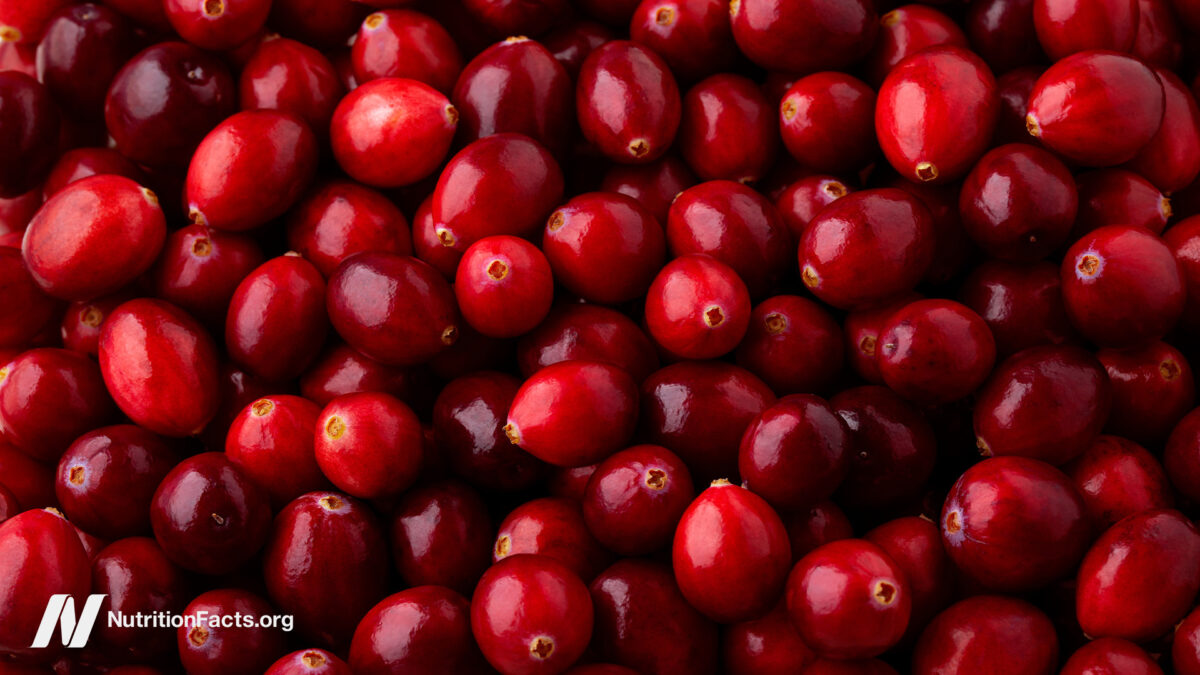
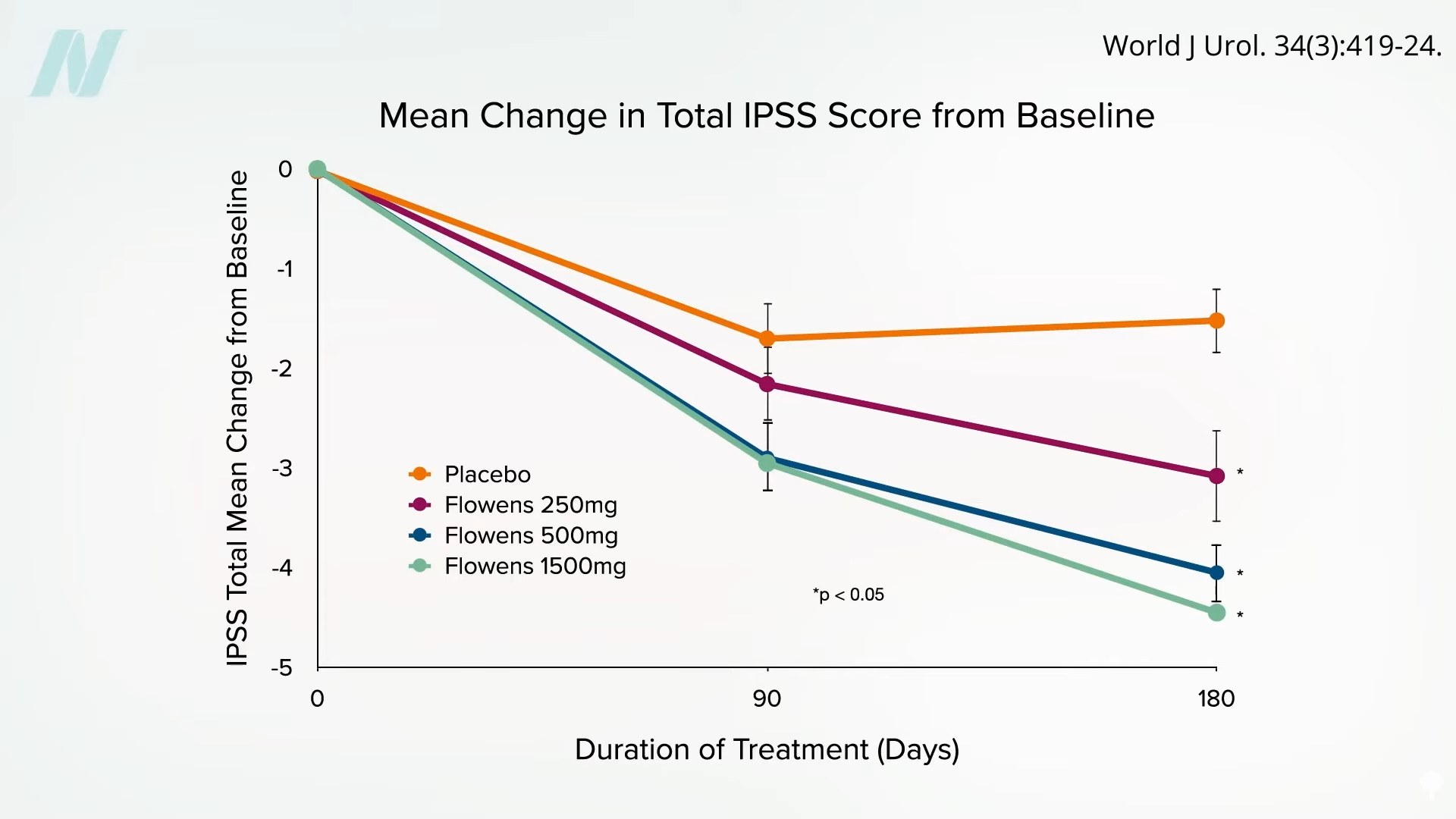
Cranberries hold a place in the history of traditional medicine, having been used by Native Americans to treat urinary ailments. Modern scientific inquiry has sought to validate these historical uses through rigorous clinical trials. One notable study investigated the effects of powdered whole cranberries, distinct from processed "craisins" which often contain added sugars and oils. Participants who consumed approximately one teaspoon (around 3 grams) of powdered whole cranberries daily reported significant improvements in BPH symptoms, enhanced quality of life, and positive changes in various urination parameters.
Further research explored the dose-response relationship of cranberry consumption. Studies indicated that even smaller amounts, such as one-third or one-sixth of a teaspoon, also demonstrated beneficial effects, although the magnitude of improvement may vary with dosage. These findings suggest that incorporating powdered cranberries into the diet, perhaps added to smoothies or other food items, could be a viable strategy for managing BPH symptoms. The availability of cranberry powder in bulk offers a cost-effective alternative to highly processed cranberry products.
It is important to differentiate between whole cranberries and cranberry juice. While cranberry juice is often associated with urinary tract health, research has shown that drinking purple grape juice, for instance, did not yield any discernible benefits for BPH symptoms. This distinction emphasizes the importance of the whole food matrix and specific compounds present in cranberries.
Pumpkin Seeds: A Centuries-Old Remedy Re-Examined
In parallel with the exploration of cranberries, pumpkin seeds have also emerged as a subject of scientific interest for their potential in addressing prostate disorders. Historically, pumpkin seeds have been a staple in folk medicine for this purpose. In vitro studies have shown promising results, demonstrating that pumpkin seeds can inhibit the growth of BPH prostate cells by as much as 50% in laboratory settings. This laboratory evidence provided a strong foundation for further clinical investigation.
Building on these findings, research has delved into the effects of pumpkin seed oil and whole pumpkin seeds in human trials. Pumpkin seed oil has shown potential in alleviating prostate issues. In head-to-head comparisons against pharmaceutical agents like Prazosin and Terazosin, pumpkin seed oil appeared to offer comparable efficacy. However, a limitation of some of these studies was the absence of a placebo control group, making it difficult to definitively attribute the observed benefits solely to the pumpkin seed oil.
A more comprehensive study addressed this gap by involving over a thousand men. Participants were randomized into three groups: one receiving pumpkin seed extract, another a placebo, and a third consuming approximately one tablespoon (about 7.5 grams) of plain pumpkin seeds daily. While the pumpkin seed extract supplement did not demonstrate superiority over the placebo, the group consuming whole pumpkin seeds experienced significant symptom relief. This finding was crucial, suggesting that the benefits were not solely derived from extracted compounds in the oil, but rather from the whole seed itself.
Scientific Analysis and Regulatory Endorsement
The consistent positive results from studies on whole pumpkin seeds have led to their recommendation for individuals experiencing mild to moderate BPH symptoms. This conclusion has been echoed by regulatory bodies. The European Medicines Agency (EMA), analogous to the U.S. Food and Drug Administration (FDA) for herbal medicinal products, has affirmed that pumpkin seeds can be utilized to alleviate lower urinary tract symptoms associated with an enlarged prostate, provided that more serious underlying medical conditions have been ruled out by a healthcare professional. This endorsement provides a significant level of credibility to the use of pumpkin seeds as a dietary intervention.
The research on pumpkin seeds also indicates that even oil-free extracts have shown efficacy, further supporting the notion that multiple beneficial compounds within the seed contribute to its therapeutic effects. This multifaceted action of pumpkin seeds suggests a complex interplay of nutrients and phytochemicals that collectively support prostate health.
Broader Implications for Men’s Health Management
The growing body of evidence supporting the use of cranberries and pumpkin seeds in managing BPH symptoms holds significant implications for men’s healthcare. It suggests a paradigm shift towards integrating evidence-based natural therapies into a holistic approach to prostate health. This could lead to:
- Improved Patient Adherence: Natural dietary interventions, when effective and well-tolerated, can significantly improve patient compliance compared to pharmaceutical treatments with potential side effects.
- Reduced Healthcare Costs: By potentially delaying or reducing the need for prescription medications and surgical interventions, dietary approaches could contribute to lower overall healthcare expenditures.
- Enhanced Quality of Life: The ability to manage BPH symptoms through diet can lead to substantial improvements in a man’s daily life, including better sleep, reduced anxiety, and increased overall well-being.
- Preventive Strategies: Understanding the role of specific foods in prostate health could empower individuals to adopt dietary habits that promote long-term prostate wellness and potentially reduce the risk of developing BPH.
Expert Commentary and Future Directions
While the findings are encouraging, experts emphasize the importance of consulting with a healthcare provider before making significant dietary changes or relying solely on natural remedies for BPH. A proper diagnosis is crucial to rule out other serious conditions that may mimic BPH symptoms. Medical professionals can provide personalized guidance on incorporating these foods into a balanced diet and ensure they complement any existing medical treatment plans.
Further research is warranted to fully elucidate the mechanisms of action of cranberries and pumpkin seeds, identify optimal dosages and forms for consumption, and conduct long-term studies to assess their sustained efficacy and safety profile. Investigations into the synergistic effects of these and other dietary components could also pave the way for more comprehensive natural treatment protocols for BPH. The ongoing exploration of natural dietary treatments for enlarged prostate underscores a promising trend in preventative and therapeutic healthcare, offering men more options to manage this common condition effectively and with fewer adverse effects.
The exploration of flaxseeds, previously highlighted for their potential therapeutic efficacy comparable to commonly used drugs with minimal side effects, further supports the growing interest in plant-based solutions for prostate health. A related video, "Flaxseeds vs. Prostate Cancer," delves deeper into this aspect. Additionally, the impact of cranberries on prostate cancer and their role in treating bladder infections are subjects of ongoing investigation and discussion in separate resources, indicating a broader interest in the phytochemical benefits of these foods across various health domains.

