

In a stark indictment of modern dietary habits, an overwhelming 99.99% of Americans are failing to meet the minimum recommended intake of potassium, a vital mineral essential for maintaining healthy bodily functions. Simultaneously, this same population is consuming sodium at levels that far exceed evolutionary and recommended guidelines, creating a dangerous nutritional imbalance with profound public health implications. This widespread deficiency and excess, according to extensive research, accounts for a significant loss of healthy life years globally, eclipsing even the detrimental impact of physical inactivity.
The scale of the problem is staggering. While physical inactivity contributes to millions of years of lost healthy life worldwide, unhealthy diets, driven by such imbalances as the critical deficit in potassium and the excessive intake of sodium, are responsible for nearly twenty times that burden. This translates to hundreds of millions of disability-free years being shaved off lives annually. The findings underscore a critical need for a fundamental re-evaluation of dietary patterns and public health strategies aimed at improving nutritional intake across the United States.
The Deadly Dietary Traps: Underconsumption and Overconsumption
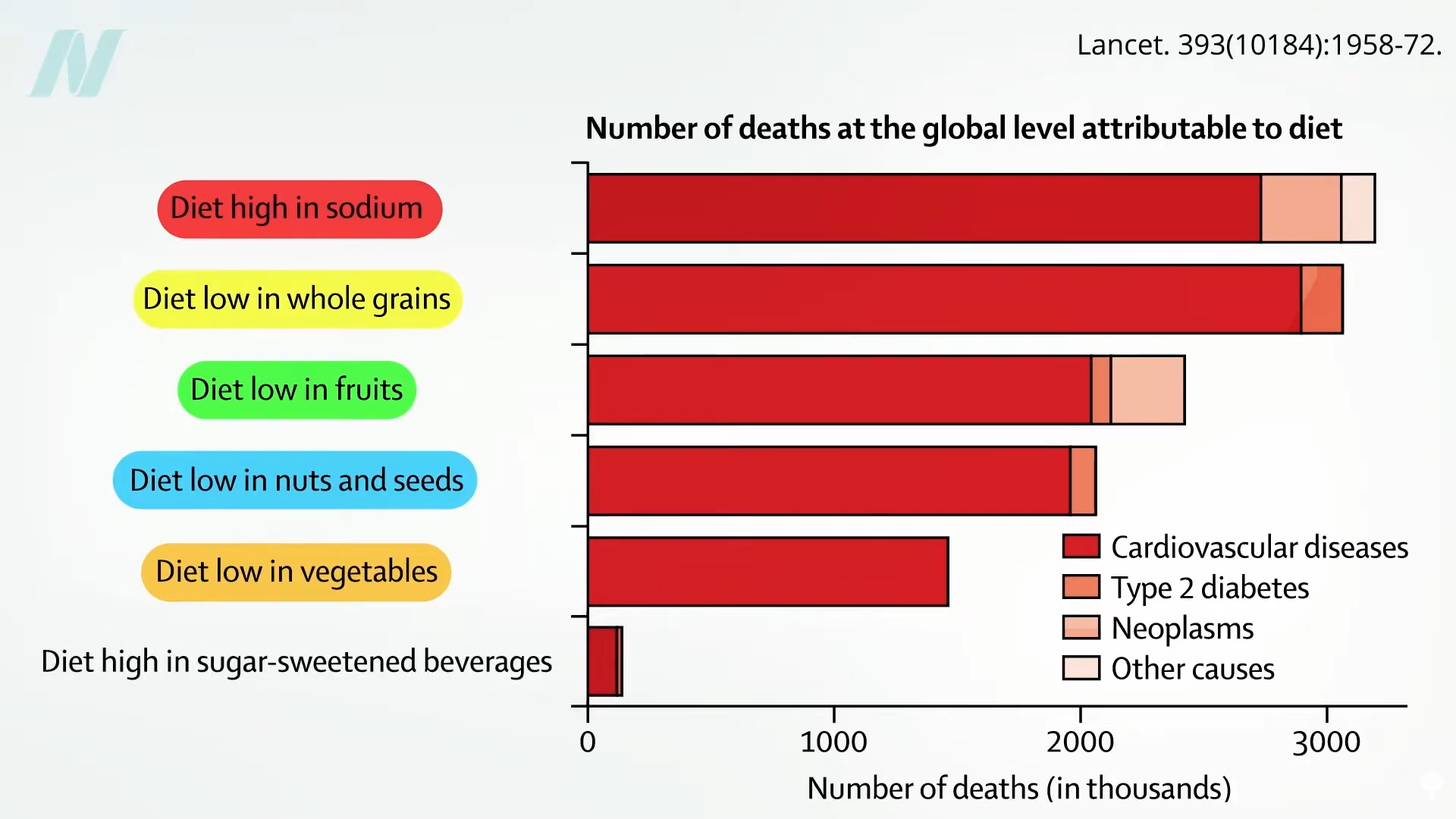
Research published in leading scientific journals, including The Lancet, has identified the most perilous aspects of contemporary diets. Four of the five most lethal dietary pitfalls stem from a lack of sufficient intake of essential food groups: whole grains, fruits, nuts and seeds, and vegetables. However, the most fatal dietary flaw, and one that dwarfs the risks associated with other dietary excesses like high soda consumption, is the overconsumption of salt. This single factor is estimated to be approximately fifteen times more deadly than excessive soda intake, highlighting its potent negative impact on public health.
The data paints a grim picture: the vast majority of Americans are not only failing to consume enough nutrient-rich foods but are also inundating their bodies with excessive sodium. This dual deficit and surplus create a physiological environment ripe for chronic disease development.
The Overlooked Power of Potassium and the Peril of Sodium
Potassium, often overshadowed by the more publicized concerns about sodium, plays a crucial role in regulating blood pressure, fluid balance, nerve signals, and muscle contractions. Its deficiency is directly linked to an increased risk of cardiovascular disease, stroke, and other serious health conditions. Conversely, sodium, while essential in small amounts, becomes toxic in excess. It is a primary driver of hypertension, a condition that silently damages blood vessels and organs, paving the way for heart disease, stroke, kidney failure, and other life-threatening ailments.
A former commissioner of the U.S. Food and Drug Administration (FDA) emphasized the critical importance of sodium reduction, stating, "There remains no single more effective public health action related to nutrition than the reduction of sodium in the diet." This sentiment has driven national and international health organizations to advocate for more stringent measures, including the implementation of warning labels on salt packets and shakers. These labels often convey stark messages: "Too much sodium in the diet causes high blood pressure and increases risk of stomach cancer, stroke, heart disease, and kidney disease. Limit your use."
Sodium’s Insidious Impact on Inflammation and Autoimmune Diseases
Beyond its well-established link to hypertension, excessive sodium intake has been shown to exacerbate inflammation throughout the body. This inflammatory effect has particularly concerning implications for individuals with autoimmune diseases. Studies have revealed a significant correlation between high sodium intake and increased disease activity in conditions such as multiple sclerosis (MS). Research indicates that individuals with medium or high sodium intakes experience exacerbations at rates three to four times higher than those consuming less than a teaspoon of salt per day.
Further evidence of sodium’s detrimental impact on inflammatory conditions can be observed in patients with lupus, another serious autoimmune disease. Elevated sodium levels have been detected in the tissues of individuals with lupus. Similarly, in MS patients, high sodium levels in the spinal cord have been correlated with disease progression and a decrease in structural integrity, suggesting a direct role for sodium in the pathogenesis and severity of this neurological disorder.
The Source of the Problem: Processed Foods and Evolutionary Mismatch
The prevalence of high sodium intake is intrinsically linked to the modern food supply. Sodium is most abundant in "really crappy foods," a colloquialism that points to the highly processed and refined nature of many items consumed daily. This raises a crucial question: is increased salt intake merely a marker of an overall poor diet, or does it have an independent causal effect? Scientific evidence strongly supports the latter.
Numerous randomized controlled trials, exceeding one hundred in number, have definitively demonstrated a cause-and-effect relationship between salt and high blood pressure. These studies consistently show that reducing added salt in the diet leads to a fall in blood pressure, with the extent of the reduction directly proportional to the amount of salt reduced. The underlying mechanisms are complex and still being elucidated, but emerging research suggests that excessive salt intake may also inflict damage on the gut microbiome, the crucial community of beneficial bacteria that plays a vital role in overall health.
A Disconnect from Our Ancestral Diet: The Sodium-Potassium Imbalance
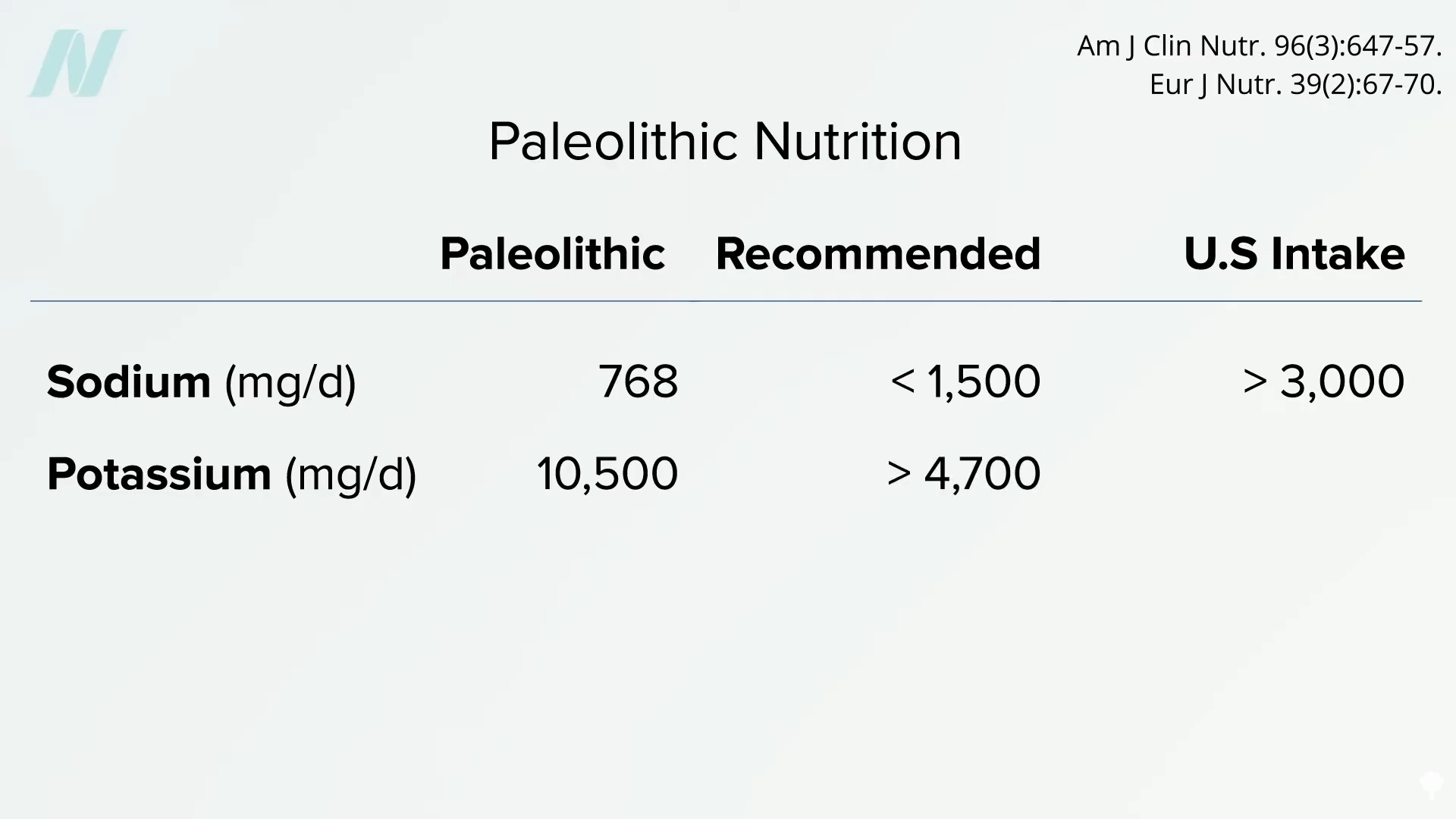
The human body evolved to function on a drastically different nutritional profile than what is common today. Our ancestors likely consumed only about 750 milligrams (mg) of sodium per day, a stark contrast to current consumption levels. The American Heart Association recommends individuals stay below at least twice that amount, yet the average American consumes more than four times the naturally evolved intake. This trend has worsened over the past decade, with alarming statistics indicating that more than 98.8% of Americans exceeded the recommended 1,500 mg upper limit for sodium intake more than a decade ago.
Concurrently, the intake of potassium has plummeted. Our ancestors likely consumed upwards of 10,000 mg of potassium daily. Current recommendations suggest obtaining at least half of that amount, yet the majority of Americans fall far short of even this reduced target. This creates a dangerous imbalance where sodium levels are excessively high, and potassium levels are critically low.
The Chilling Statistics: A Near-Universal Failure to Meet Guidelines
When the recommended daily intake goals for both sodium and potassium are considered together, the statistics become even more sobering. Fewer than 0.015% of people in the United States currently meet both guidelines. This translates to a near-universal noncompliance rate of 99.99%, meaning that approximately only 1 in 6,000 Americans successfully adheres to both sodium and potassium recommendations. This represents a public health crisis of unprecedented proportions, demanding immediate and comprehensive intervention.
Exploring Potential Solutions: The Role of Salt Substitutes
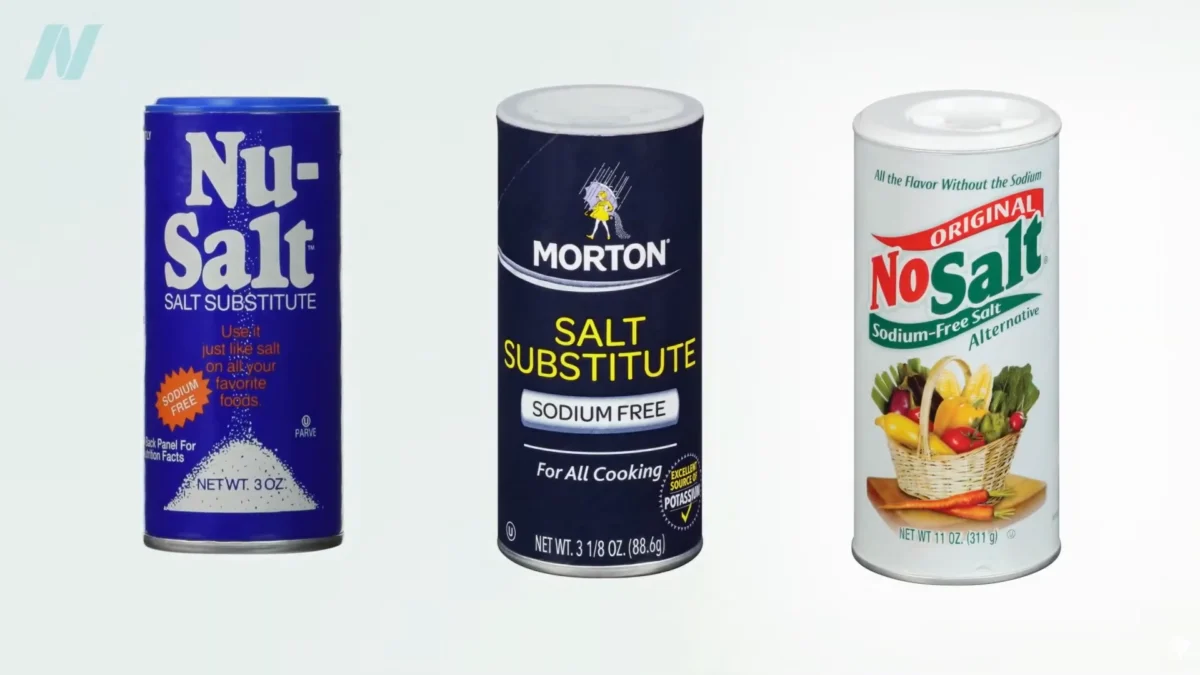
In light of this widespread nutritional deficit, researchers and public health officials are exploring various strategies to mitigate the risks. One promising avenue involves the use of potassium-based salt substitutes. These products, which replace sodium chloride with potassium chloride, offer the potential to reduce sodium intake while simultaneously increasing potassium consumption, thereby addressing both sides of the critical dietary imbalance.
The appeal of such substitutes lies in their ability to provide a similar salty taste without the detrimental effects of excessive sodium. However, questions regarding their safety, efficacy, and long-term impact remain. Further investigation into these potassium-based alternatives is crucial to determine their true value as a public health tool.
A Call to Action: Re-evaluating Our Dietary Foundations
The overwhelming evidence of widespread sodium overconsumption and potassium underconsumption in the American diet demands urgent attention. This is not merely a matter of personal dietary choice; it is a systemic issue rooted in the modern food environment and a disconnect from our ancestral nutritional needs. The implications for public health are profound, contributing to a significant burden of chronic diseases, reduced quality of life, and increased healthcare costs.
The findings from numerous studies serve as a critical call to action for individuals, food manufacturers, policymakers, and healthcare professionals. A concerted effort is needed to promote healthier eating habits, reformulate processed foods to reduce sodium content, increase public awareness about the importance of potassium, and encourage the adoption of evidence-based dietary guidelines. Without significant intervention, the alarming trend of nutritional imbalance is likely to persist, jeopardizing the health and well-being of generations to come.
The journey towards a healthier population requires a fundamental shift in our approach to food and nutrition. By understanding the profound impact of sodium and potassium on our health, and by actively seeking solutions to correct these critical imbalances, we can begin to reverse the tide of chronic disease and reclaim the promise of a longer, healthier life.

