

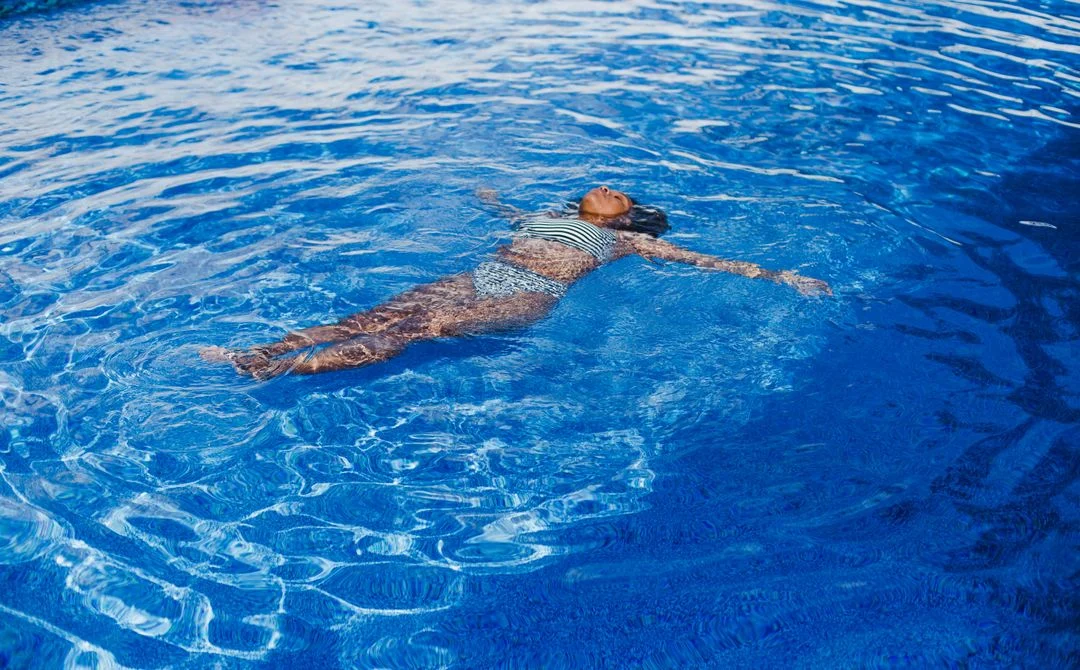
Running, while a highly effective cardiovascular exercise and a cornerstone of weight management, presents significant challenges to the human body, particularly as individuals age or accumulate mileage. The repetitive impact of foot striking the ground, often referred to as "pounding the pavement," delivers substantial benefits to cardiovascular health but concurrently elevates the risk of musculoskeletal injuries. Common ailments associated with traditional running include knee injuries such as patellofemoral pain syndrome or meniscal tears, shin splints (medial tibial stress syndrome), and more severe conditions like hip displacement or stress fractures. Data from various sports medicine studies indicate that running injuries are prevalent, with estimates suggesting that between 30% and 70% of recreational runners experience an injury annually, often leading to temporary cessation of activity or chronic pain. These statistics underscore a growing need for alternative training methodologies that can mitigate impact while preserving physiological benefits.
For individuals experiencing these adverse effects, nursing an injury that impedes energetic movement, or simply seeking a sustainable, joint-friendly exercise regimen, water running—also known as aqua jogging or pool running—emerges as a compelling solution. This innovative cross-training method harnesses the unique properties of water to allow muscles to engage and cardiovascular systems to be challenged without the harsh, gravity-induced impact inherent in land-based activities. It facilitates muscle toning and strength building, offering a comprehensive workout that significantly reduces stress on critical joints, including the knees, hips, and spine.
Understanding Aqua Jogging: A Deep Dive into its Mechanics and Purpose
Aqua jogging is a specialized form of exercise where participants mimic the natural running motion while submerged in water, typically in the deep end of a swimming pool. The primary objective is to run without making contact with the bottom of the pool, thereby leveraging water’s buoyancy to eliminate ground impact. This technique activates the same muscle groups engaged in dry-land running, providing a familiar yet profoundly different physiological experience.
The core principle behind aqua jogging’s efficacy lies in Archimedes’ principle of buoyancy, which dictates that an object submerged in fluid experiences an upward force equal to the weight of the fluid displaced. For a human body, this translates to a significant reduction in weight-bearing stress. In deep water, the body can be nearly 90% buoyant, effectively unburdening joints from the forces that lead to wear and tear during conventional running. Simultaneously, water’s inherent resistance, which is approximately 12 times greater than air, provides a dynamic and consistent load for muscles to work against. This dual action of buoyancy and resistance makes aqua jogging a highly effective tool for rehabilitation, injury prevention, and cardiovascular conditioning.
Historically, water-based exercises have been utilized for therapeutic purposes for centuries, with ancient civilizations recognizing the healing properties of water. Modern hydrotherapy gained prominence in the 19th and 20th centuries, but the specific application of "aqua jogging" as a formalized training and rehabilitation method began to gain traction among athletes and sports medicine professionals in the late 20th century. Early pioneers, often coaches and physical therapists, recognized its potential to maintain cardiovascular fitness and expedite recovery for injured athletes who could not bear weight on land. Over the past few decades, its adoption has expanded from elite athletic circles to a broader demographic, including the elderly, individuals with chronic joint conditions like arthritis, and those seeking a comfortably paced, low-to-medium impact workout.
Scientific Validation and Physiological Benefits
The efficacy of deep-water running is not merely anecdotal; it is supported by scientific inquiry. A notable 2003 study on deep-water running, published in the Journal of Strength and Conditioning Research, demonstrated that it can indeed provide adequate cardiovascular activity comparable to land-based running, provided the intensity is maintained. Participants in the study exhibited elevated heart rates and oxygen consumption levels consistent with moderate to vigorous exercise, confirming its potential for aerobic conditioning. Further research has corroborated these findings, highlighting that while perceived exertion might feel lower due to the cooling effect of water and reduced impact, the physiological demands on the cardiovascular system remain substantial.
Beyond cardiovascular benefits, aqua jogging offers significant advantages for musculoskeletal health. The consistent resistance from the water works muscles throughout their entire range of motion, promoting balanced strength development. Unlike traditional resistance training, which often targets specific muscle groups, water running engages a synergistic network of muscles in the legs, core, and arms, leading to improved muscular endurance and stability. This comprehensive engagement is particularly beneficial for strengthening the stabilizing muscles around the knees and hips, which are crucial for preventing injuries in land-based activities. The hydrostatic pressure of water also contributes to improved circulation and reduced swelling, further aiding in recovery and rehabilitation.
Techniques and Training Protocols for Optimal Results
Effective aqua jogging requires proper technique to maximize benefits and prevent compensatory movements. When running in deep water, maintaining an upright posture is paramount. The body should be aligned as if suspended, with the head, shoulders, and hips stacked vertically. Arms should relax from the shoulders, floating a few inches from the body, and then be used in a natural running motion, similar to a treadmill workout, to aid propulsion and balance. The legs should mimic the natural running stride, raising each knee high and then powerfully thrusting the leg downwards against the water’s resistance. This emphasis on working against the water pressure during the down thrust is crucial for building strength and power.
For beginners, the goal is to establish a consistent, controlled motion. As stamina improves, the focus shifts to increasing speed and intensity. Runners looking to incorporate aqua jogging into their regular training regimen for cross-training or injury maintenance should aim to match the intensity and frequency they would typically achieve on pavement. This might involve longer durations or higher perceived effort to compensate for the reduced impact.
A structured workout protocol often involves interval training to maximize cardiovascular benefits. A common approach includes alternating five minutes of high-intensity aqua jogging (where the participant aims for a vigorous pace that elevates the heart rate significantly) with one minute of active recovery (a slower, more relaxed pace). This interval cycle can be repeated for 20 minutes initially, gradually increasing to 45 minutes as fitness levels improve. Post-workout, a gentle swim or light stretching in the water can help cool down the body, stretch muscles, and gradually bring the heart rate back to resting levels.
It is crucial to emphasize that individuals undertaking aqua jogging for rehabilitation, physical therapy, or injury recovery should always consult a health professional or physical therapist before commencing. A tailored program can ensure that the exercise supports recovery goals without exacerbating existing conditions.
Essential Equipment and Enhancements
One of the appealing aspects of aqua jogging is its minimal equipment requirement. Fundamentally, all that is needed is a swimsuit and access to a local swimming pool. However, specific accessories can significantly enhance the experience and effectiveness of the workout:
- Flotation Belt (Aqua Belt): This is arguably the most critical piece of equipment, especially for beginners or those focusing on deep-water running. Worn around the waist, it provides additional buoyancy, helping the user stay upright and suspended in the deep end without touching the bottom. This allows for proper form and full focus on the running motion rather than treading water.
- Waterproof Weights and Dumbbells: For those seeking to intensify their workout and build greater strength, waterproof weights can be held in the hands or strapped to the ankles. Hand paddles can also be used to increase upper body and core resistance during arm movements.
- Aqua Shoes: While not strictly necessary, aqua shoes can provide better traction on pool surfaces (if shallow water running is incorporated) and protect the feet, especially in public pools.
- Water-Resistant MP3 Player: Some individuals find that listening to music enhances their motivation and helps maintain a consistent pace during longer sessions.
As participants build speed and stamina, these additional tools can be gradually incorporated to escalate the intensity and challenge of the workout, transforming a basic aqua jog into a dynamic, full-body resistance training session.
Broader Impact and Implications for Health and Fitness
Aqua jogging’s versatility extends its impact across various facets of health and fitness. For the aging population, it represents a safe and effective pathway to maintaining cardiovascular health, muscular strength, and joint mobility, significantly contributing to active aging. As Dr. Eleanor Vance, a leading sports medicine physician, noted in a recent symposium on geriatric exercise, "Aqua jogging provides a unique opportunity for older adults to engage in vigorous activity without the fear of falling or exacerbating osteoarthritic conditions. It’s a game-changer for promoting longevity and independence."
For athletes and competitive runners, aqua jogging serves as an invaluable cross-training tool. It allows them to maintain peak cardiovascular fitness during recovery periods, reduce cumulative impact stress on their joints, and even refine their running form by focusing on isolated muscle movements against water resistance. Many elite athletes incorporate aqua jogging into their weekly training circuits to aid muscle soreness recovery and enhance stamina without the additional wear and tear on their bodies. A physical therapist specializing in sports injuries might recommend it to "correct biomechanical imbalances and build foundational strength in a protected environment, translating to improved performance and injury resilience on land."
Furthermore, aqua jogging offers practical benefits for individuals living in hot climates, providing a refreshing alternative to exercising in scorching temperatures. The cooling effect of water helps regulate body temperature, making sustained workouts more comfortable and reducing the risk of heat-related illness.
From a public health perspective, promoting water-based exercises like aqua jogging can play a significant role in addressing sedentary lifestyles and combating rising rates of obesity and related chronic diseases. Its low-impact nature makes it accessible to individuals who might otherwise be discouraged from exercise due to weight, pain, or limited mobility. Integrating aqua jogging programs into community pools and fitness centers could serve as a vital component of preventative healthcare strategies, fostering a more active and healthier population across all age groups and fitness levels. The broader implication is a shift towards more sustainable and inclusive fitness paradigms that prioritize long-term joint health and overall well-being alongside performance.
In conclusion, aqua jogging stands as a testament to the innovative evolution of exercise science. By leveraging the natural properties of water, it offers a powerful, low-impact solution for cardiovascular conditioning, muscle strengthening, injury rehabilitation, and active aging. Its growing recognition among medical professionals, athletes, and the general public underscores its vital role in creating a more accessible, sustainable, and joint-friendly future for physical fitness.

