

The question of whether individuals who consume nuts live longer due to a simple substitution of animal protein for plant-based protein is a complex one, with emerging research and long-standing debates surrounding dietary recommendations. While nuts are widely recognized for their nutritional value, the precise mechanisms behind their contribution to longevity and health outcomes are subject to ongoing scientific inquiry and, at times, industry influence.
The Influence of Nutrition Journals and Industry Partnerships
A critical aspect of understanding nutritional science involves examining the sources of published research. The American Journal of Clinical Nutrition, recognized as a leading peer-reviewed scientific journal in nutrition and dietetics, is published by the American Society of Nutrition. However, the society’s financial ties to various industries, including The Sugar Association, major soda companies, and the meat, dairy, and egg industries, raise questions about potential biases in published research.
This intricate web of partnerships has, in the past, led to the publication of studies that have been met with significant scrutiny. For instance, an article published in the journal, which cited the National Cattlemen’s Beef Association as a sustaining partner, claimed that the consumption of red meat "does not negatively influence cardiovascular disease risk factors." Such findings often spark debate within the scientific community, prompting deeper investigations into the methodologies and potential conflicts of interest.
Critiquing Meta-Analyses: The "Compared With What?" Conundrum
The scientific community has developed sophisticated methods for evaluating research, including meta-analyses, which aggregate data from multiple studies. However, the validity of these analyses hinges on the quality and design of the original studies. A notable instance of critical examination was highlighted by Drs. Neal Barnard and Walter Willett in their editorial, "The Misuse of Meta-analysis in Nutrition Research." They pointed out a fundamental flaw in a meta-analysis that purported to show no negative impact of red meat consumption on cholesterol or blood pressure.
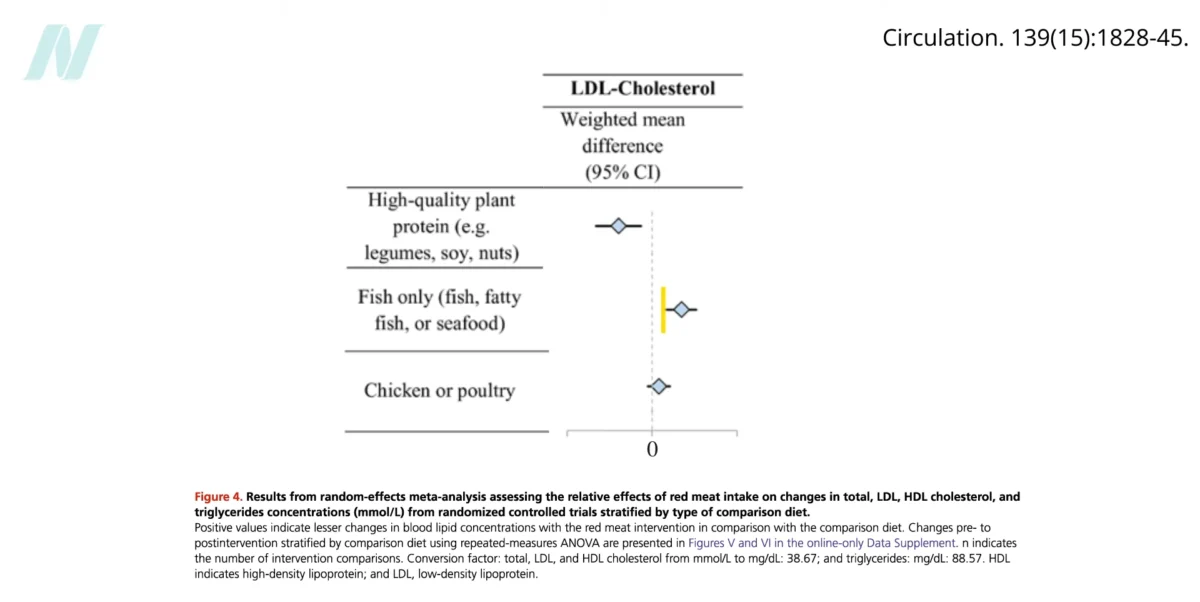
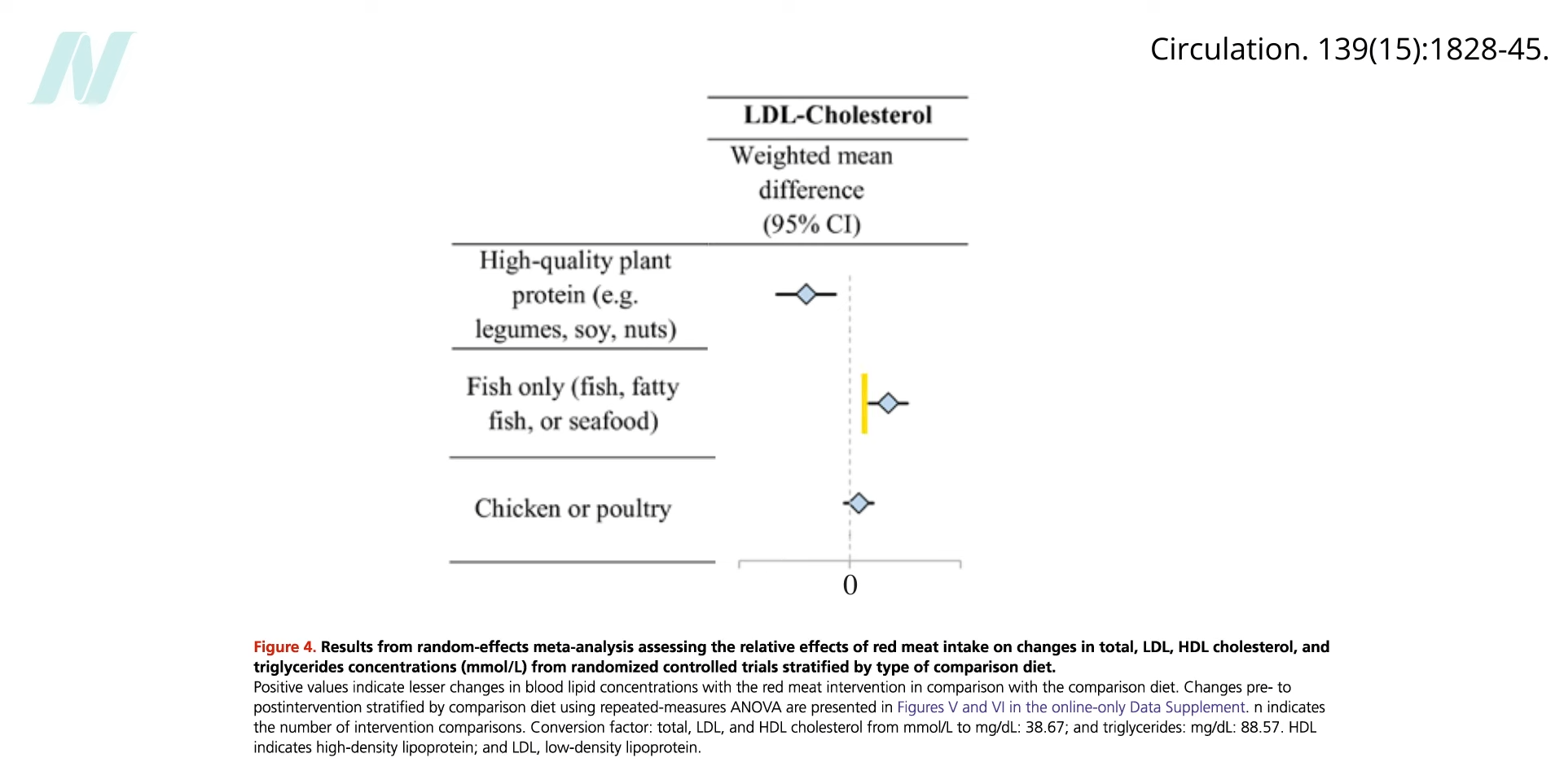
The crucial question raised was: "Compared with what?" The editorial revealed that of the 39 trials included in the meta-analysis concerning LDL cholesterol, nearly 90% did not compare red meat to a truly neutral or beneficial alternative. Instead, they often compared red meat to other types of meat, such as white meat (poultry). This methodological approach, critics argue, can obscure the true effects of red meat by setting a less healthy benchmark.
The researchers in question utilized control diets that often involved chicken or fish. However, established scientific understanding indicates that the impact of consuming beef on cholesterol levels can be comparable to that of fish or poultry. This practice of substituting one type of meat for another, without a significant shift to plant-based alternatives, has been likened to testing a new snack food against a similarly unhealthy option. For example, a study suggesting that "total Twinkie intake does not negatively influence risk factors" by comparing Twinkies to Ding Dongs would be fundamentally flawed, as both are highly processed and nutritionally poor. This strategy, akin to testing a new drug against a known harmful placebo, can lead to misleading conclusions.
The Positive Impact of Plant-Based Protein Substitution
In contrast to studies that employ problematic comparators, research demonstrating the benefits of replacing meat with plant-based alternatives paints a different picture. When meat is substituted with plant-based options, such as plant-based sausages, chicken patties, and veggie dogs, studies have shown a significant reduction in cholesterol levels. This finding is visually supported by data that indicates lower LDL cholesterol when plant-based proteins are consumed.
The underlying reason for this improvement is often attributed to the lower saturated fat content in plant-based meats. However, the benefits extend beyond just saturated fat. Independent of saturated fat content, consuming red meat or white meat, regardless of type, has been shown to lead to higher LDL cholesterol levels when compared to non-meat protein sources.
A comprehensive analysis of studies has concluded that these findings are "keeping with recommendations promoting diets with a high proportion of plant-based food." Crucially, the research suggests that white meat, such as chicken and turkey, can be as detrimental to cholesterol levels as red meat. Fish, while often perceived as a healthier option, may also be worse in some contexts. Some studies have attempted to standardize saturated fat content by adding ingredients like butter, but even at comparable saturated fat levels, fish has appeared to be worse than beef, and chicken equally bad.
Superiority of Plant Protein Sources: Soy, Nuts, and Legumes
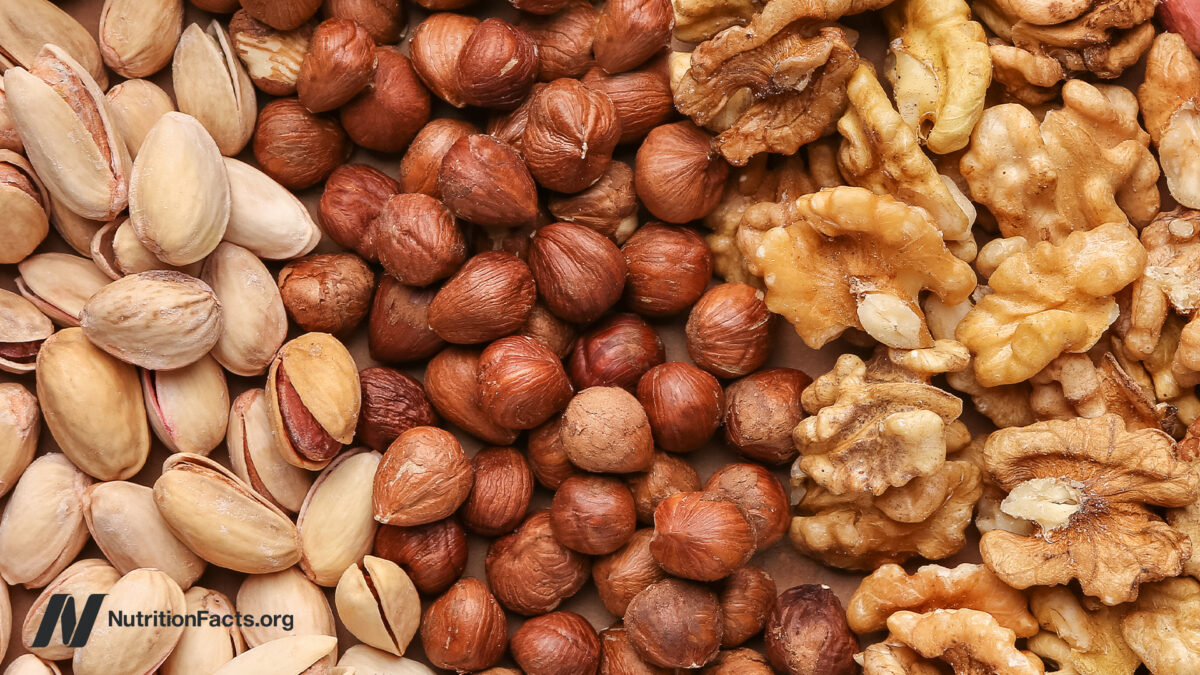
The most favorable outcomes for cholesterol levels are consistently observed when plant protein sources are consumed. These include soy products, nuts, and legumes such as beans, split peas, chickpeas, and lentils. These food groups consistently outperform meat-based proteins in their positive impact on cardiovascular health markers.
Nuts and Longevity: A Strong Association
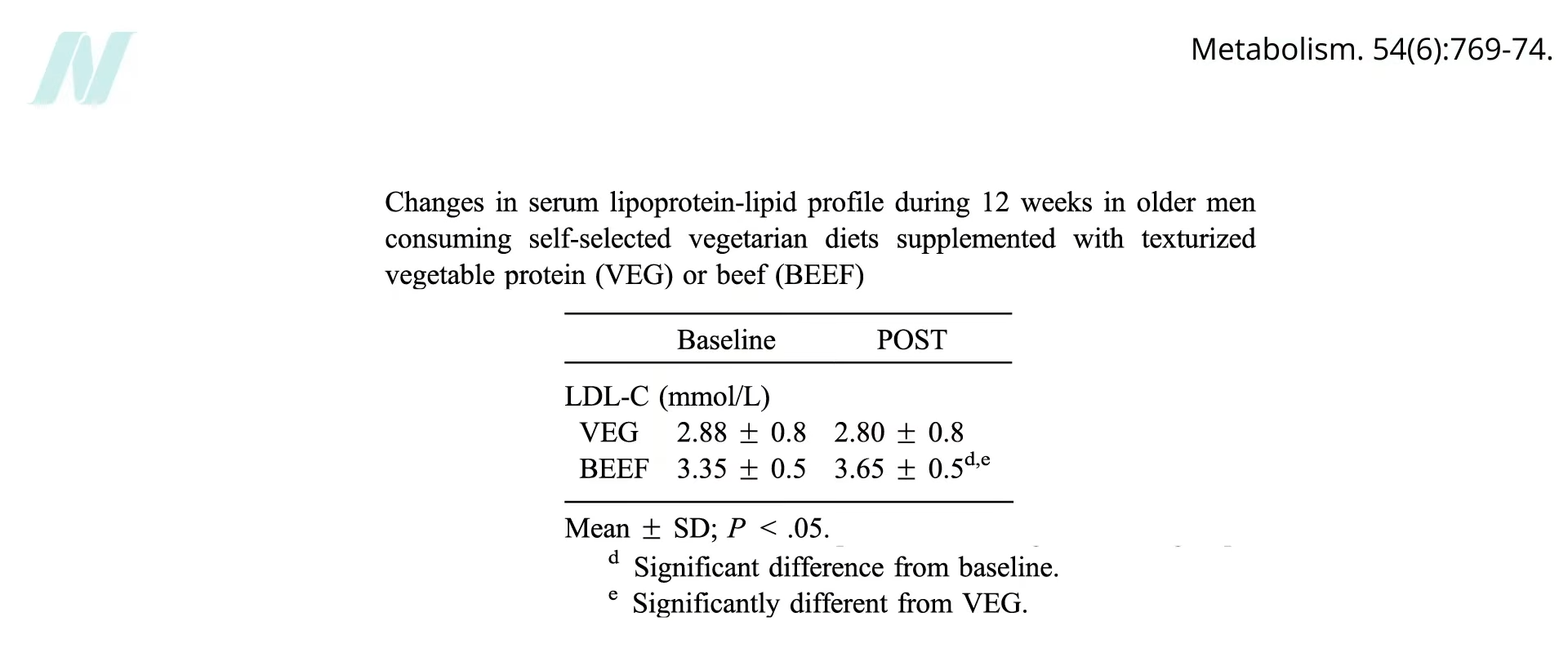
The benefits of replacing even a single serving of lean beef with an equivalent calorie amount of nuts or soybeans are significant, leading to a measurable decrease in LDL cholesterol. LDL cholesterol is a critical risk factor for heart disease, the leading cause of death globally for both men and women. This direct impact on a key cardiovascular risk factor helps explain the growing body of evidence linking nut consumption to increased longevity.
Research indicates that a daily intake of nuts is associated with a substantial reduction in the risk of premature death, with some studies suggesting a 22% decrease. The implications are profound, with millions of deaths annually potentially attributable to insufficient nut consumption.
Independent of Dietary Preferences: The Universal Benefit of Nuts
A common misconception is that the health benefits of nuts are limited to individuals who already adhere to healthy or vegetarian diets. However, evidence suggests otherwise. The reduced mortality associated with regular nut consumption is independent of an individual’s overall dietary pattern. Studies comparing various food groups have shown that nuts outperform even vegetables in their association with a lower risk of premature death. This implies that incorporating nuts into one’s diet offers a distinct protective advantage, irrespective of other dietary choices.
Doctor’s Recommendations and Future Research
In light of this accumulating evidence, health professionals often recommend moderate daily consumption of nuts. For instance, a daily intake of a quarter cup (approximately one ounce) of nuts is frequently advised as part of a balanced diet. Further research continues to explore the multifaceted health benefits of nuts, including their role in managing weight, reducing inflammation, and their impact on various chronic diseases.
Industry Tactics and the Battle for Dietary Guidelines
The debate surrounding the health impacts of various food groups is not merely an academic exercise. The influence of powerful industries on nutritional research and public health messaging is a significant factor. The tactics employed by these industries, such as funding research that may be methodologically flawed or promoting biased interpretations of data, have been a subject of concern for public health advocates and independent researchers. Understanding the "corporate playbook" behind undermining dietary guidelines is crucial for navigating the complex landscape of nutritional science and making informed health decisions.
The ongoing efforts to scrutinize research methodologies, identify potential conflicts of interest, and promote evidence-based dietary recommendations are vital for public health. As scientific understanding evolves, it is essential to critically evaluate the sources of nutritional information and prioritize research that is transparent, unbiased, and rigorously conducted. The sustained focus on plant-based diets, including the significant role of nuts, continues to be a promising avenue for improving global health outcomes and extending lifespan.

