


The insidious presence of pesticide breakdown products in our bodies, particularly DDE – a metabolite of the long-banned insecticide DDT – is emerging as a significant environmental factor contributing to the escalating global epidemic of Alzheimer’s disease. While genetic predispositions, such as carrying the APOE e4 gene, have long been recognized as risk factors, a growing body of scientific evidence suggests that exposure to these persistent organic pollutants may amplify this risk to a comparable degree, raising urgent questions about public health policy and individual dietary choices. The compelling observation that identical twins, sharing the exact same genetic blueprint, often diverge in their Alzheimer’s disease status underscores the critical role of environmental and lifestyle factors beyond genetics.
The Growing Concern Over Environmental Toxins and Neurodegenerative Diseases
Alzheimer’s disease, a progressive and irreversible neurodegenerative disorder, is characterized by the gradual loss of brain cells and function, leading to severe memory loss, cognitive impairment, and behavioral changes. Affecting millions worldwide, its exact causes remain a complex puzzle, with genetics identified as a contributing factor in less than half of all cases. This leaves a substantial portion of Alzheimer’s diagnoses attributed to a confluence of environmental exposures, lifestyle choices, and other unknown variables.

For decades, scientists have investigated the potential links between environmental toxins and neurodegenerative diseases. Among the most scrutinized are chlorinated pesticides, a class of chemicals once widely employed for agricultural pest control. The U.S. Environmental Protection Agency (EPA) has classified several of these compounds, including DDE, as probable human carcinogens. However, recent research has expanded this concern beyond cancer, indicating a potential association with an increased risk of other serious health conditions, including diabetes and dementia.
Unraveling the Link: DDE and Alzheimer’s Disease
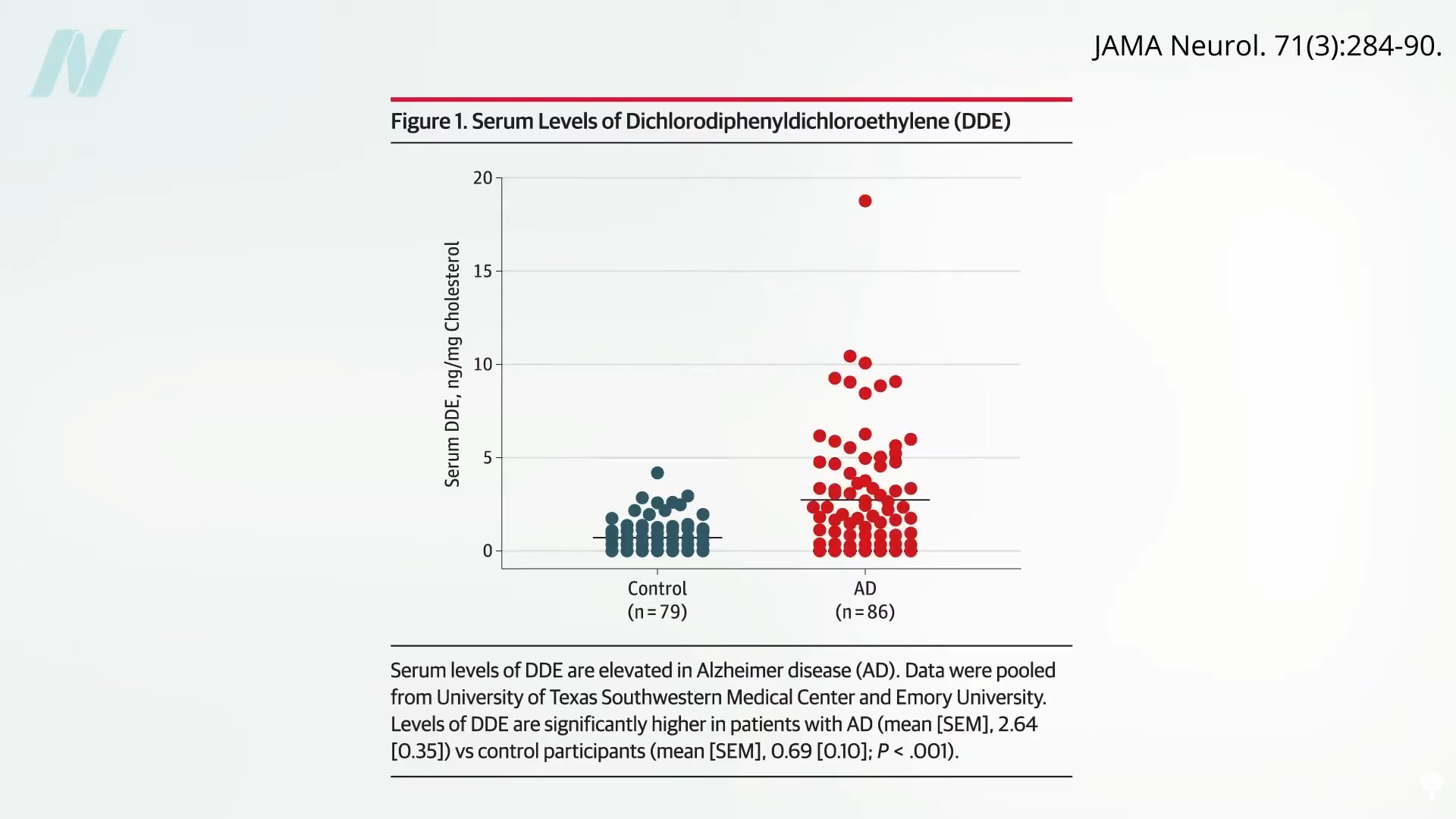
A pivotal study conducted by researchers at Rutgers University provided compelling evidence for the link between DDE exposure and Alzheimer’s disease. The research team discovered significantly elevated blood levels of DDE in individuals diagnosed with Alzheimer’s disease when compared to a control group. This finding was particularly noteworthy, as it directly correlated the presence of a pesticide breakdown product with a higher incidence of the devastating neurodegenerative condition.
Further investigation through autopsy studies revealed that blood levels of DDE serve as a reliable proxy for brain concentrations of the chemical. The study indicated that individuals with the highest DDE levels in their blood were approximately four times more likely to have developed dementia due to Alzheimer’s disease. This quadrupled risk factor highlights the potent impact of DDE on brain health.
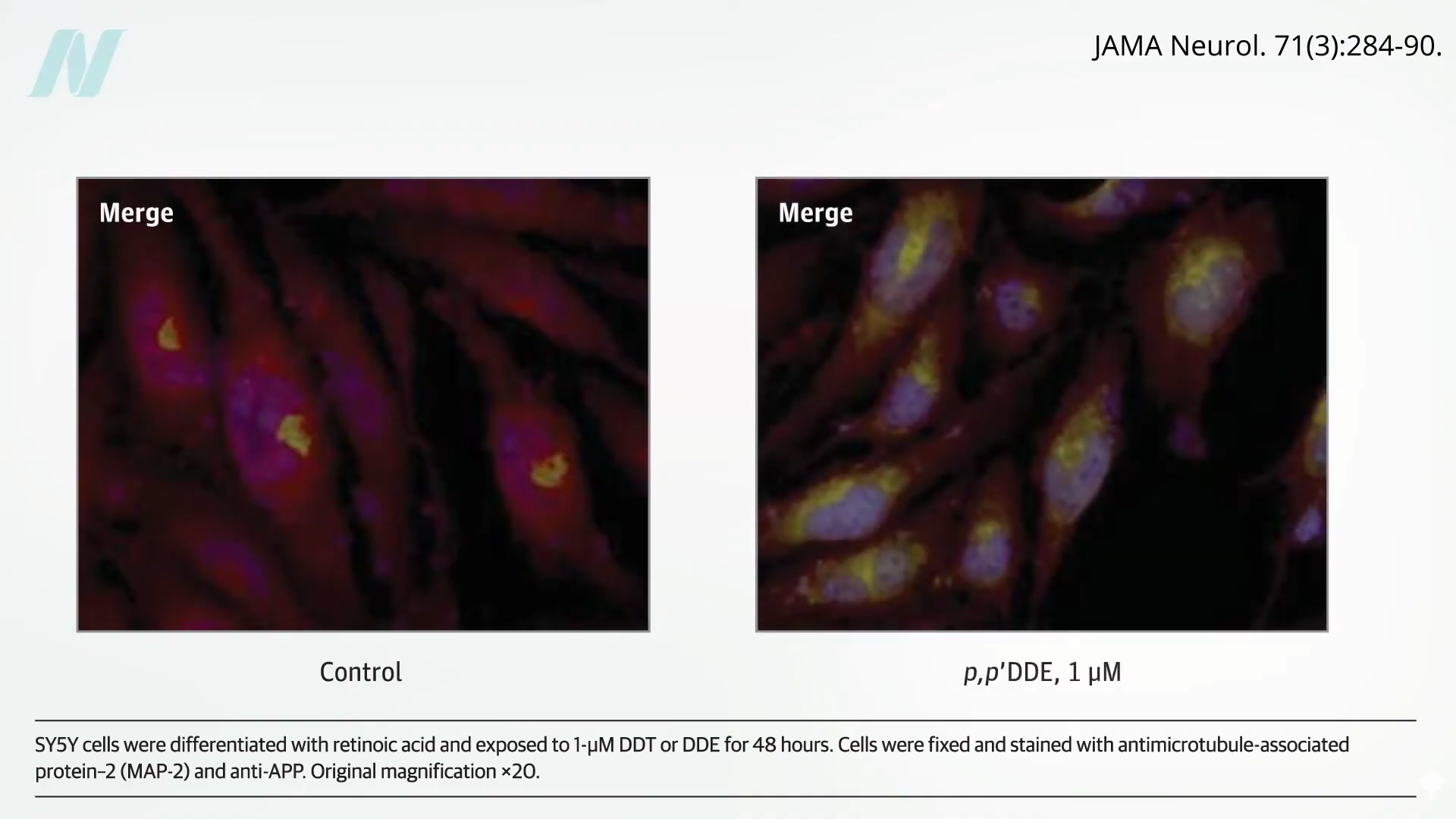
The scientific community has also begun to elucidate the potential biological mechanisms through which DDE might exert its detrimental effects. In vitro studies, conducted in laboratory settings using human brain cells, have demonstrated that DDE can increase the levels of amyloid precursor protein (APP). APP is a protein that plays a crucial role in the development of amyloid plaques, the hallmark pathological lesions found in the brains of Alzheimer’s patients. The accumulation of these sticky protein fragments is widely believed to disrupt neuronal communication and ultimately lead to the cognitive decline associated with the disease.
A Broader Spectrum of Risk: Pesticide Poisoning and Cognitive Decline
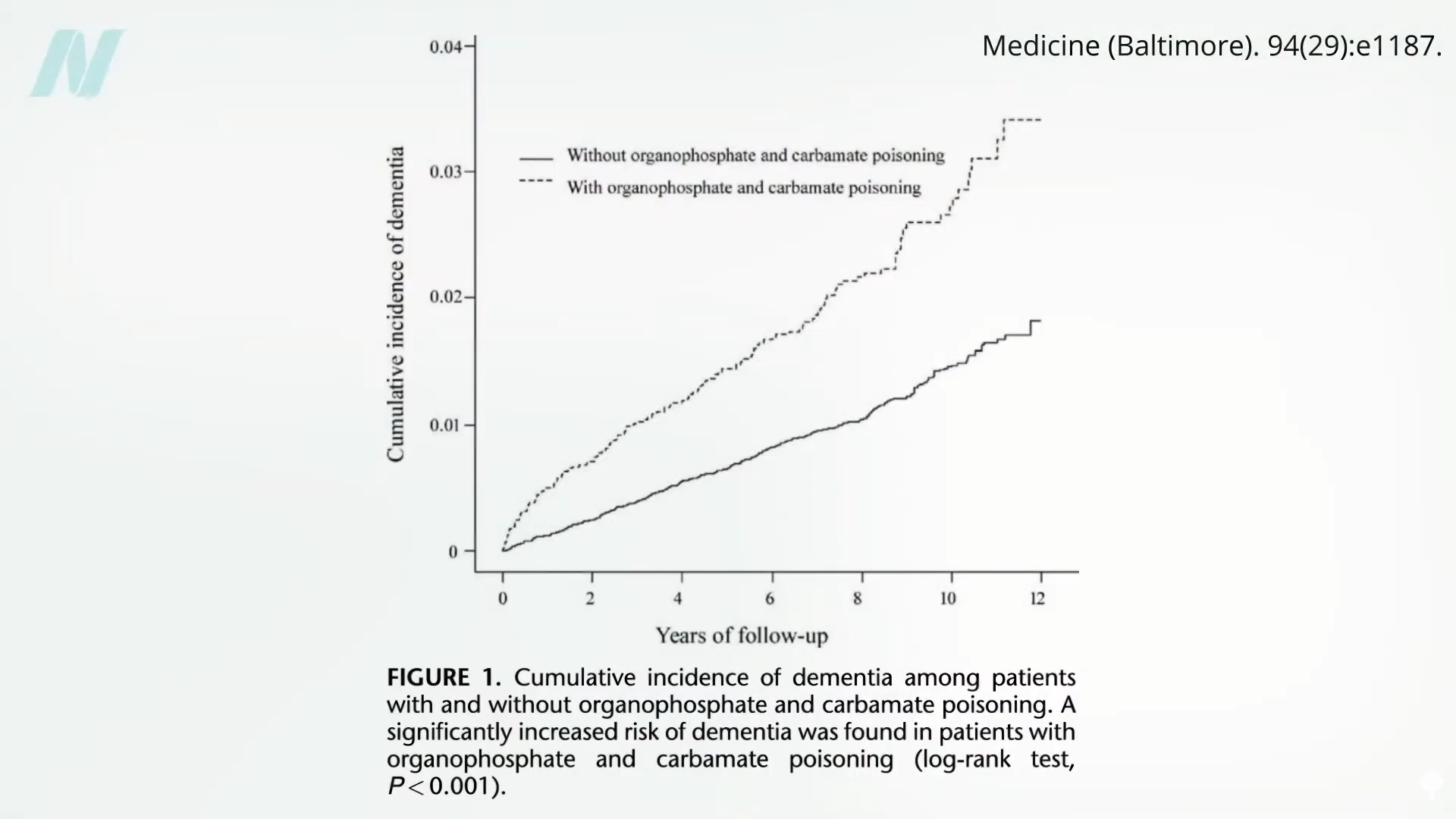
The association between pesticide exposure and cognitive impairment extends beyond chronic, low-level exposure. Research has also indicated that individuals who have experienced acute pesticide poisoning exhibit a doubled risk of developing dementia. This finding, consistent across multiple studies, reinforces the notion that pesticides, even in instances of immediate exposure, can have long-lasting and detrimental effects on brain function.
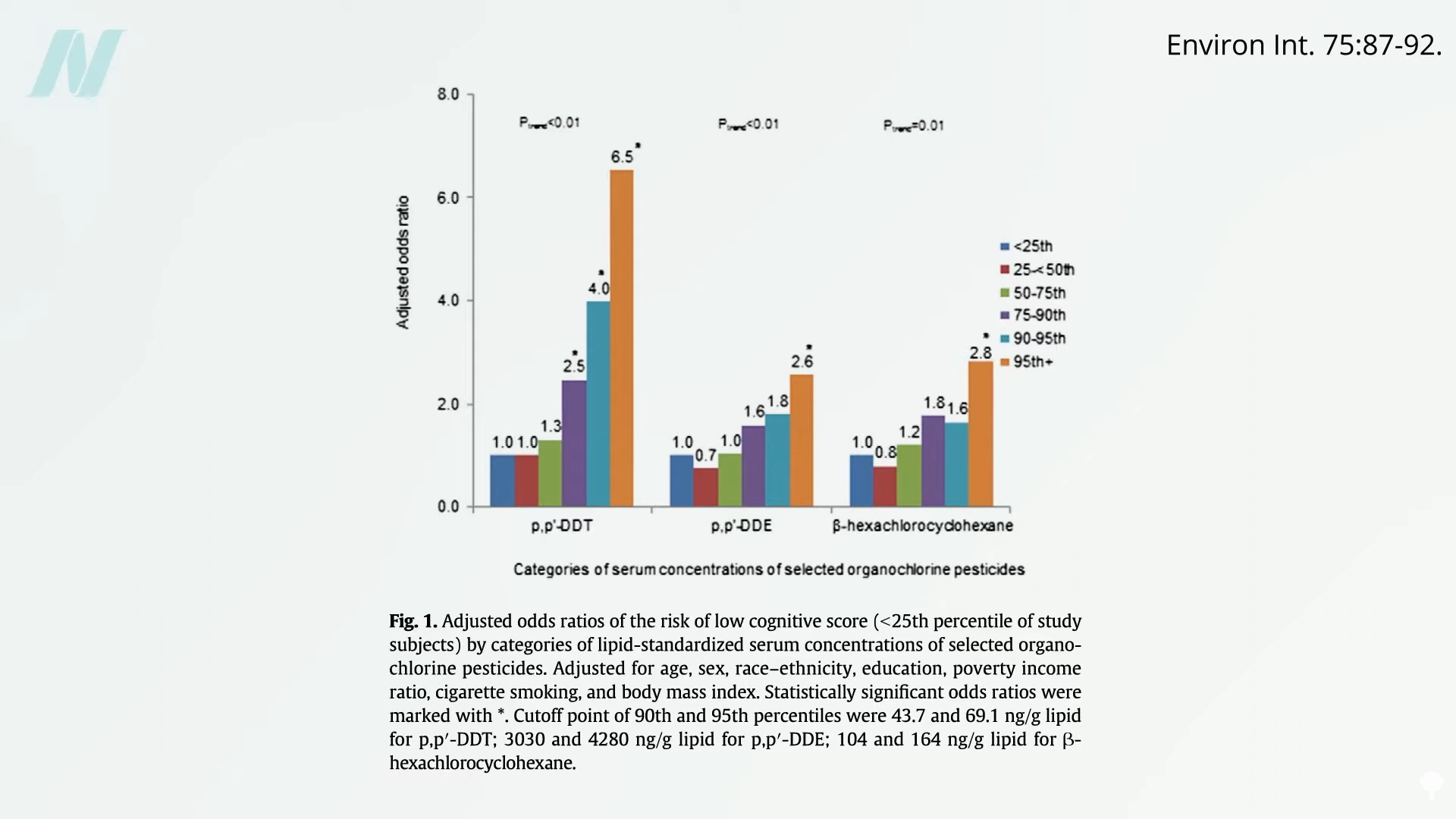
Furthermore, epidemiological studies among elderly populations in the United States have established a correlation between the presence of DDT and its breakdown product DDE and an increased risk of general cognitive decline. This suggests that the impact of these environmental contaminants is not limited to Alzheimer’s disease but may contribute to a broader spectrum of age-related cognitive impairments.
The Lingering Legacy of DDT: Persistence in the Environment and Human Body
DDT (dichlorodiphenyltrichloroethane) was a widely used insecticide in the United States from the 1940s through the early 1970s. Its effectiveness in controlling insect-borne diseases and agricultural pests led to its extensive application, with peak production reaching approximately 180 million pounds annually. Despite its ban in the U.S. in 1972 due to its persistent nature and harmful environmental effects, the legacy of DDT continues to affect public health.
DDT and its breakdown product, DDE, are lipophilic, meaning they accumulate in fatty tissues and persist in the environment for many years. This persistence means that they remain present in soil, water, and, crucially, the food chain. As a result, over 90% of Americans still have detectable levels of DDE in their bloodstreams today. The persistent presence of DDE, the compound linked to a quadrupled risk of Alzheimer’s, underscores the long-term public health implications of past pesticide use.
The Food Chain Connection: Diet as a Pathway to Exposure
The continued presence of these banned pesticides in our bodies is largely attributed to their ongoing presence in the food supply. Studies have revealed a significant disparity in the levels of DDT, DDE, and other banned pesticides and pollutants found in breast milk. Specifically, vegetarian mothers have been found to have considerably lower levels of these toxins in their breast milk compared to their non-vegetarian sisters.
The most pronounced difference was observed for DDE, which was found to be four times lower in the breast milk of vegetarian mothers. This finding is consistent with broader research examining the accumulation of these persistent organic pollutants across different food sources. A comprehensive analysis of food samples collected from supermarkets across the United States demonstrated that toxin levels, including dioxins and polychlorinated biphenyls (PCBs), are significantly higher in animal products compared to plant-based foods.
The data consistently shows that toxins biomagnify up the food chain. This means that concentrations of these pollutants are substantially higher in animal-based foods such as beef, fish, dairy products, and eggs, typically ranging from 5 to 10 times greater than in plant-based foods. This dietary pathway is a primary route of exposure for humans, leading to the accumulation of these harmful substances in our bodies over time.
Furthermore, the processing of food can inadvertently concentrate these pollutants. Cooking, rather than destroying compounds like DDE, can sometimes lead to even higher concentrations. This is a critical consideration for public health, as it implies that common food preparation methods may not mitigate the risk associated with consuming contaminated foods.
Implications for Public Health and Future Research
The mounting evidence linking pesticide breakdown products, particularly DDE, to an increased risk of Alzheimer’s disease and cognitive decline presents a significant public health challenge. The fact that these environmental toxins can potentially elevate Alzheimer’s risk to a level comparable to a known genetic predisposition underscores the urgent need for proactive measures.
Key implications arising from these findings include:
- Re-evaluation of Environmental Regulations: The persistent presence of banned pesticides like DDT highlights the limitations of current environmental regulations and the need for more stringent oversight and faster remediation strategies for contaminated sites.
- Dietary Guidance and Public Awareness: Increased public awareness regarding the dietary pathways of pesticide exposure is crucial. Promoting dietary choices that minimize exposure to these toxins, such as emphasizing plant-based foods and reducing consumption of animal products with higher contaminant loads, could be a vital preventative strategy.
- Further Research into Mechanisms: Continued research into the precise biological mechanisms by which DDE and other pesticide metabolites affect brain health is essential. Understanding these pathways could lead to the development of targeted interventions or therapies to mitigate their effects.
- Long-Term Health Monitoring: The long-term health implications of chronic low-level exposure to these environmental contaminants warrant ongoing monitoring and epidemiological studies to track trends and identify emerging risks.
The scientific community, including researchers like those at Rutgers University and organizations that synthesize this research, is actively working to unravel the complex interplay between environmental factors and neurodegenerative diseases. The data presented, particularly the correlation between DDE levels and Alzheimer’s risk, serves as a stark reminder of the interconnectedness of our environment, our diet, and our long-term health. As we continue to grapple with the rising tide of Alzheimer’s disease, addressing the pervasive threat of pesticide residues in our bodies and food supply will undoubtedly be a critical component of any comprehensive public health strategy. The insights gained from studies on identical twins, alongside the biochemical evidence linking DDE to neuronal damage, provide a powerful impetus for both individual action and systemic change to safeguard cognitive health for future generations.

