

The growing prevalence of ultra-processed foods in the global diet has prompted significant scientific inquiry into their health implications. While terms like "junk food" are commonly used to describe less healthy options, nutrition researchers have adopted the more precise classification of "ultra-processed foods" to define industrial formulations characterized by extensive ingredient lists. These formulations often include artificial flavors, sweeteners, colors, emulsifiers, and other additives designed to mimic natural foods or mask undesirable qualities, extending far beyond the basic ingredients found in traditional home cooking. This broad category encompasses a wide array of commonly consumed products, including sugary drinks, candies, ice cream, cakes, many breads and breakfast cereals, ready-to-heat meals, and processed meats like chicken nuggets, sausages, burgers, and hot dogs.
The ubiquity of these foods in the modern food supply is staggering. In the United States, for instance, an analysis of over 200,000 products revealed that a remarkable 71% were classified as ultra-processed. This dominance is not confined to grocery aisles; ultra-processed items are strategically placed in non-food retailers, gas stations, and even professional offices, constantly reinforcing consumption cues. Industry insiders have openly acknowledged this pervasive marketing strategy, with a former Coca-Cola executive stating the goal is to keep sugary drinks "within an arm’s reach of desire," and a major candy brand boasting about their widespread placement without apology.
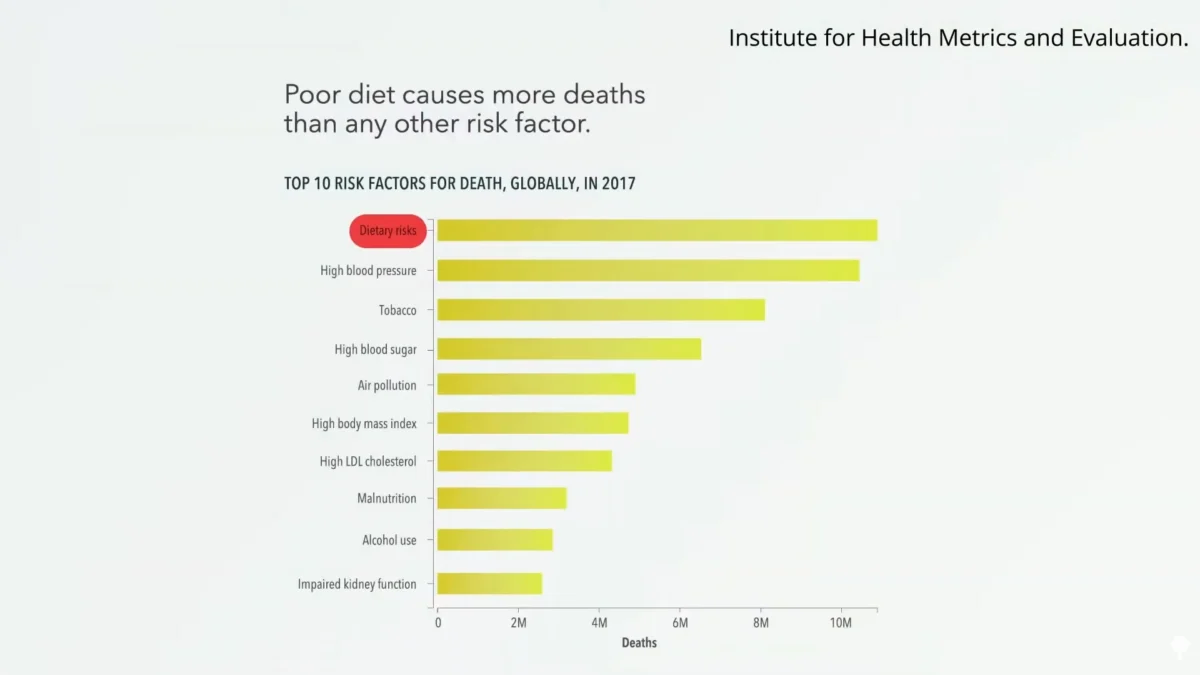
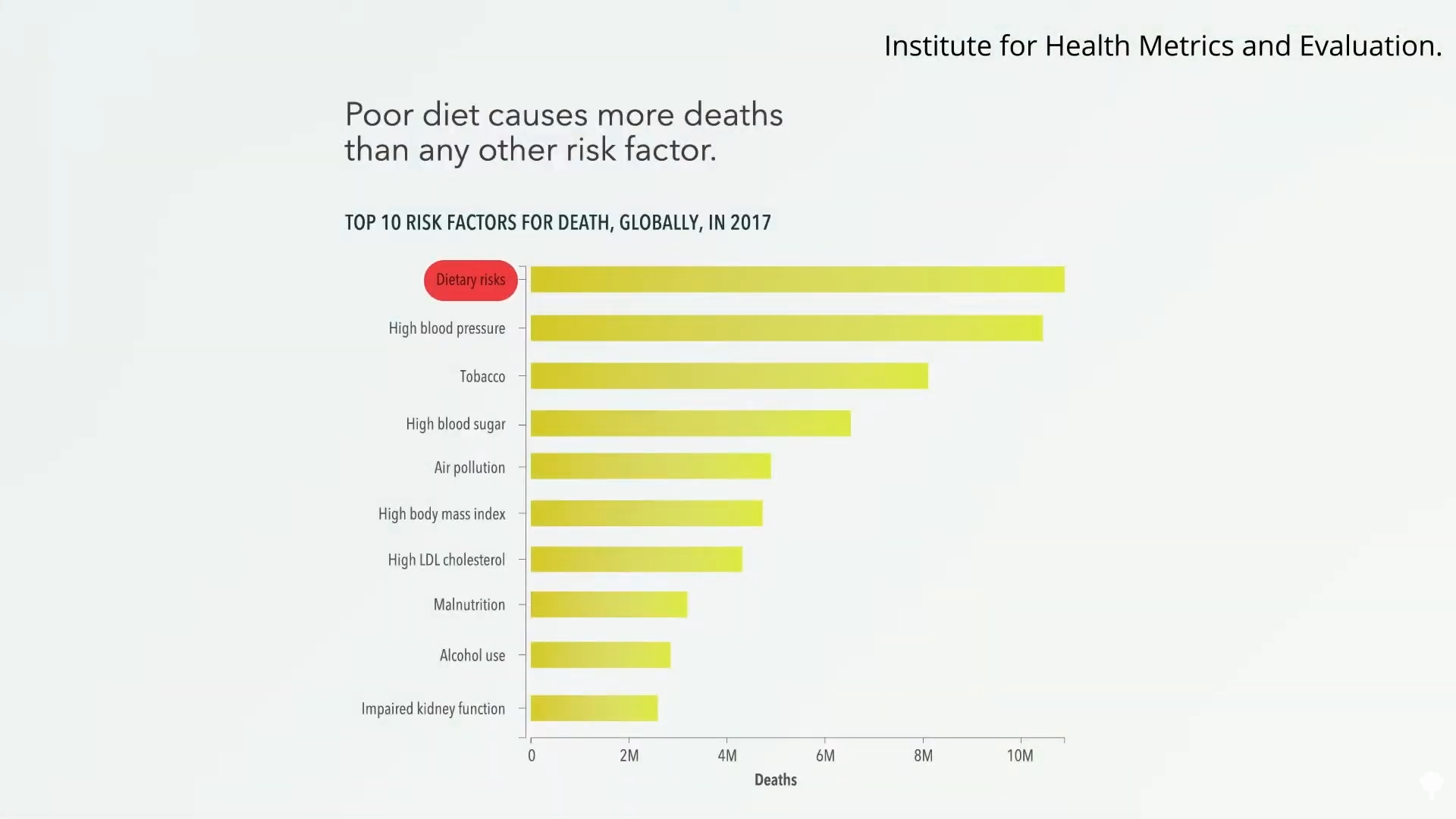
The dietary patterns of children and adolescents are particularly concerning, with estimates suggesting that 56% to 70% of their daily caloric intake in the U.S. comes from such foods. Globally, ultra-processed foods consistently account for over 50% of dietary caloric intake in higher-income countries. This widespread reliance on highly processed diets has been identified as a leading global risk factor for mortality, contributing significantly to the burden of chronic diseases.
Unpacking the Health Consequences of Ultra-Processed Diets
The detrimental health effects of ultra-processed foods have been observed in animal studies, where rats consuming these diets exhibited dramatic weight gain, increased inflammation, and cognitive and metabolic abnormalities. The rise of binge eating disorder, now the most common eating disorder, has also been strongly linked to ultra-processed foods, which are engineered to be highly palatable and difficult to consume in moderation. Unlike nutrient-dense whole foods such as broccoli, which do not typically trigger binge behaviors, ultra-processed items are designed for repeat consumption.
A comprehensive review of existing research highlights a consistent pattern of adverse health outcomes associated with ultra-processed food consumption. Approximately 90% of studies have reported a link between these foods and negative health consequences, extending beyond obesity to include increased risks of cancer, cardiovascular diseases, type 2 diabetes, irritable bowel syndrome, depression, frailty, and all-cause mortality, leading to a shorter lifespan. Studies focusing on youth have further identified associations with asthma and higher levels of DNA damage. Crucially, not a single study has reported any beneficial health outcomes linked to the consumption of ultra-processed foods.

In stark contrast, populations that prioritize minimally processed foods, consume less meat, and maintain high fiber intake demonstrate significantly lower rates of chronic diseases, reduced obesity, and longer disease-free lifespans. However, much of this evidence has been derived from observational studies, which, while indicative of strong associations, cannot definitively establish causality. To address this gap and isolate the specific impact of ultra-processing itself, researchers designed the first randomized controlled trial (RCT) specifically targeting these food categories.
The Landmark Randomized Controlled Trial: Designing the Study
The groundbreaking study, published in the Journal of the American Medical Association (JAMA) Internal Medicine, involved 20 participants who were admitted to a hospital ward for a controlled dietary intervention. The participants were assigned to receive either an ultra-processed diet or an unprocessed diet for two consecutive 14-day periods, with a washout period in between. This crossover design allowed each participant to experience both dietary conditions, thereby controlling for individual variability.
A critical aspect of the study’s design was the meticulous matching of the two diets. Both the ultra-processed and unprocessed meals were designed to provide identical caloric content, sugar, fat, fiber, and macronutrient profiles. This rigorous control was crucial in addressing potential criticisms and industry arguments that any observed differences might be attributable to variations in nutrient composition rather than the degree of processing. Manufacturers have, in recent years, proposed reformulating products to include added fiber or reduce sugar and fat, while still maintaining their ultra-processed nature. The researchers aimed to isolate the independent effect of ultra-processing by ensuring that participants consumed the same amounts of key nutrients, regardless of the food’s origin.
To illustrate the dietary differences, consider the breakfast options: participants on the ultra-processed diet might receive Cheerios with a muffin, or an egg and cheese muffin with turkey bacon and orange juice. In contrast, the unprocessed diet for breakfast would consist of oatmeal with blueberries and almonds. Similarly, for lunch, the ultra-processed group might be served a turkey sandwich accompanied by nonfat Greek yogurt, canned peaches, baked potato chips, and sugar-free Crystal Light Lemonade. The unprocessed lunch alternative featured a Southwest entrée salad with fresh ingredients like black beans, carrots, corn, avocados, and nuts, served with grapes and apples. Participants were instructed to eat as much or as little as they desired from the provided meals, allowing for natural variations in appetite and consumption patterns within the controlled dietary framework.
Unveiling the Findings: Caloric Overconsumption and Weight Changes
The results of this pioneering trial were striking and provided compelling evidence for the impact of ultra-processing on dietary intake and body weight, even when macronutrient and caloric content were matched. Participants consuming the ultra-processed diet consumed approximately 500 more calories per day compared to when they were on the unprocessed diet. This significant caloric overconsumption directly translated into observable weight changes. On average, individuals gained about two pounds during the 14-day ultra-processed diet period, while they actively lost approximately two pounds when adhering to the unprocessed diet.
These findings strongly suggest that the issue with ultra-processed foods extends beyond their immediate nutritional profile. The very nature of their formulation appears to influence satiety signals and eating behaviors, leading to greater overall consumption. This directly challenges the notion that simply tweaking the nutrient content of ultra-processed foods—such as adding fiber or reducing sugar—would render them a healthy alternative. The study’s outcomes indicate that the degree of processing itself plays a pivotal role in how much we eat and, consequently, our weight.
Industry Response and Broader Implications
The food industry has often advocated for "reformulation" as a strategy for improving the nutritional quality of processed foods. This approach is sometimes referred to as an "unobtrusive strategy," aiming to offer the "prospect of nutritional improvement without dietary change." However, the results of this RCT suggest that this strategy may be insufficient. The study underscores the potential benefit of limiting the consumption of ultra-processed foods altogether, rather than relying solely on modifications to their composition.
The economic drivers behind the popularity of ultra-processed foods are significant. They are typically manufactured using inexpensive ingredients, such as corn syrup subsidized by taxpayers, leading to substantial profit margins for corporations. The global food industry generates over a trillion dollars annually. Paradoxically, a significant portion of healthcare expenditures is directed towards treating chronic diseases, such as diabetes and heart disease, which are exacerbated by these very same foods. This creates a scenario where the societal cost of health issues linked to processed foods may far outweigh the industry’s profits, leading to the argument that "we lose triple what the food industry makes."
The industry has also argued that advising consumers to avoid ultra-processed foods is "unrealistic" in today’s society, citing time constraints and difficulties with food preparation. However, critics suggest this argument aligns with decades of propaganda and disinformation campaigns aimed at influencing consumer choices. The convenience argument is often countered by the availability of simple, healthy options like apples, demonstrating that healthy eating does not inherently require extensive preparation time.
The societal implications of this research are profound. The widespread availability and marketing of ultra-processed foods have contributed to a significant decline in nutritional literacy, with some experts estimating that a substantial portion of the population may not fully understand what constitutes "real food" or how to prepare it. This creates a cycle of dependence on the processed food industry. The call for a return to "real food," defined as being low in sugar and high in fiber, is gaining momentum as a potential pathway to mitigating the public health crisis fueled by ultra-processed diets.
This landmark study provides crucial, high-level evidence that directly addresses the causal impact of ultra-processed foods on eating behavior and weight gain, independent of their basic nutrient composition. The findings offer a strong scientific basis for public health recommendations and dietary guidelines, emphasizing the importance of prioritizing whole, minimally processed foods in our diets to combat the escalating rates of chronic diseases and improve overall health outcomes. The implications extend to policy decisions regarding food labeling, marketing regulations, and agricultural subsidies, all of which can influence the food environment and consumer choices.

