

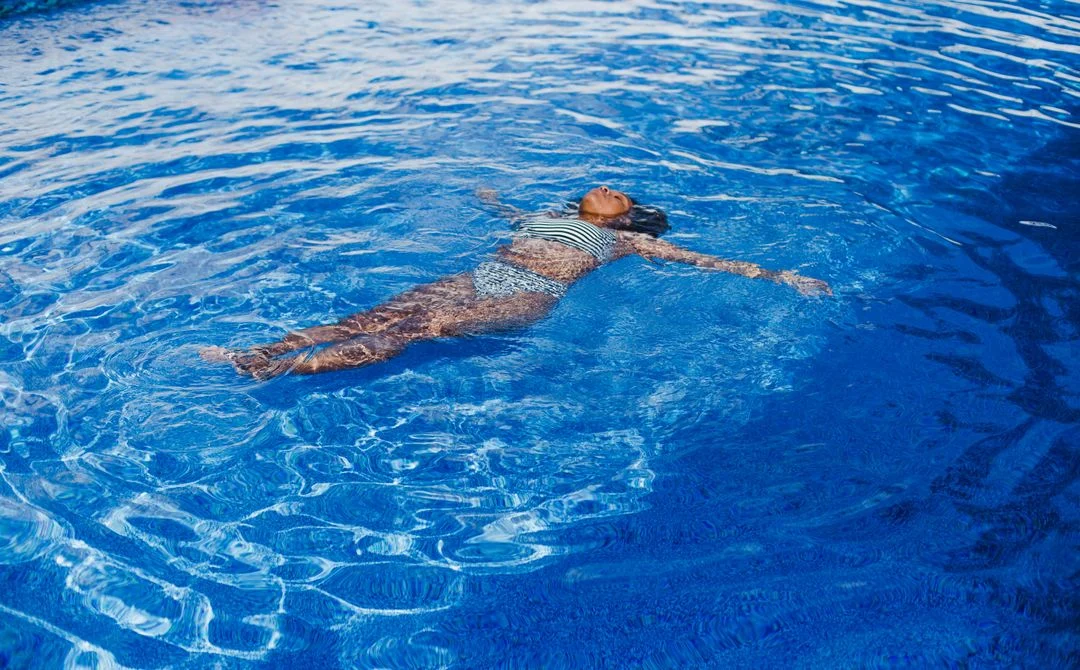
Traditional running, while undeniably effective for cardiovascular health and weight management, presents an escalating challenge for the human body over time. The repetitive, high-impact forces generated with each stride on hard surfaces can lead to significant wear and tear on joints, particularly as individuals age or accumulate years of training. The pursuit of a runner’s high often comes hand-in-hand with an increased susceptibility to common ailments such as knee injuries, patellofemoral pain syndrome, shin splints, and even more severe conditions like hip displacement or stress fractures. For those experiencing these adverse effects, or athletes navigating the delicate path of injury recovery, an alternative training modality that mitigates impact while preserving fitness levels becomes crucial. This is where water running, also known as aqua jogging or pool running, emerges as a remarkably effective and scientifically supported cross-training method, allowing the musculoskeletal system to move dynamically without the harsh gravitational forces associated with land-based exercise.
The Biomechanics of Water Running: A Paradigm Shift in Exercise Physiology
At its core, water running leverages the unique physical properties of water to create a low-impact yet highly resistant environment for exercise. The primary principles at play are buoyancy and hydrostatic pressure. Buoyancy, the upward force exerted by a fluid that opposes the weight of an immersed object, significantly reduces the effective body weight, thereby alleviating stress on joints. Depending on the depth of the water, immersion can reduce weight-bearing by 50% to 90%, transforming a high-impact activity into one that is gentle on the knees, hips, ankles, and spine. This reduction in gravitational load is particularly beneficial for individuals with arthritis, osteoporosis, or those recovering from orthopedic surgeries.
Concurrently, hydrostatic pressure, the pressure exerted by water at a given depth, uniformly compresses the body. This compression can aid in reducing swelling in injured tissues, improve venous return, and enhance circulation, which can accelerate recovery processes. The density of water, approximately 800 times greater than air, provides a constant, multi-directional resistance that engages muscles more thoroughly throughout the entire range of motion, unlike air resistance which is predominantly unidirectional. This means that both the concentric and eccentric phases of muscle contraction are challenged, leading to enhanced muscle toning and strength development without the eccentric loading that often contributes to muscle soreness on land.
Historical Context and Growing Acceptance
While hydrotherapy, the use of water for therapeutic purposes, has roots dating back to ancient civilizations, the specific application of "running" in water as a structured fitness and rehabilitation technique gained significant traction in the late 20th century. Initially, aqua jogging was often considered the "secret weapon" of elite athletes – particularly runners – who needed to maintain cardiovascular fitness during periods of injury or intense training cycles without adding further stress to their bodies. Its acceptance grew as sports medicine practitioners and physical therapists recognized its potential to bridge the gap between injury and a full return to sport, allowing athletes to simulate running mechanics and maintain neuromuscular pathways in a safe environment.
By the 1980s and 1990s, research began to quantify the physiological benefits of deep-water running, moving it from anecdotal evidence to a scientifically validated training modality. Studies demonstrated that heart rate, oxygen consumption, and perceived exertion in deep water could be comparable to land running, provided sufficient intensity was maintained. This scientific backing broadened its appeal beyond elite athletes to a wider demographic, including the elderly seeking to maintain mobility, individuals with chronic pain conditions, and those simply looking for a sustainable, joint-friendly exercise option.
Key Techniques for Effective Aqua Jogging
To maximize the benefits of water running, proper technique is paramount. The goal is to mimic the natural running motion as closely as possible, typically in the deep end of a pool where feet do not touch the bottom, thereby eliminating all ground impact. A flotation belt worn around the waist is often recommended, especially for beginners, to maintain an upright posture and ensure buoyancy without expending excessive energy on staying afloat.
- Posture: Maintain an upright, slightly forward-leaning posture, similar to land running. Avoid slouching or leaning too far back. Keep your head aligned with your spine, looking forward.
- Arm Motion: The arms should move naturally, just as they would on land, bent at approximately a 90-degree angle. The hands should be relaxed, gently cupped, moving forward and backward, not side-to-side. The water provides resistance, so focus on a strong, deliberate arm swing to help propel you.
- Leg Motion: Emphasize a high knee drive and a full leg extension with each stride. The leg motion should be cyclical, like pedaling a bicycle, bringing the heel towards the glutes before extending the leg forward. Focus on pushing water down and back with your feet, engaging the glutes and hamstrings. The "down thrust" against the water’s pressure is crucial for muscle engagement.
- Cadence and Intensity: While the initial sensation might be one of running "slowly," the constant resistance of water makes even moderate speeds highly effective. To achieve a cardiovascular workout comparable to land running, it’s essential to maintain a high cadence (stride rate) and exert significant effort against the water. Your heart rate should elevate, and you should feel a similar level of exertion as a steady jog on dry land.
Structuring Your Aqua Jogging Workout
A typical aqua jogging session can be structured to achieve various fitness goals, from steady-state endurance to high-intensity interval training (HIIT).
- Warm-up (5-10 minutes): Begin with gentle aqua walking or light jogging in the shallow end, gradually progressing to deeper water and increasing the intensity of your movements. Dynamic stretches can also be incorporated.
- Main Workout (20-45 minutes):
- Steady-State: Maintain a consistent, moderate effort for the duration, focusing on good form and an elevated heart rate.
- Interval Training: Alternate periods of high-intensity aqua jogging with periods of active recovery. For example, five minutes of high-intensity effort (where speaking is difficult) followed by one minute of moderate-to-low intensity recovery. This cycle can be repeated for 20-45 minutes, gradually increasing the duration or intensity of the high-effort intervals as stamina improves.
- Fartlek Training: Incorporate varied speeds and efforts, mimicking changes in terrain or pace during a land run.
- Cool-down (5-10 minutes): Conclude with a gentle swim, aqua walking, or static stretches in the water. This helps to gradually lower the heart rate, promote muscle relaxation, and improve flexibility.
For those specifically using aqua jogging for rehabilitation, adherence to a physical therapist’s prescribed protocol is paramount. The intensity and duration will be carefully controlled to ensure safe and effective recovery, gradually progressing as healing occurs.
Essential and Advanced Equipment
One of the appeals of water running is its relatively low barrier to entry regarding equipment.
- Basic Essentials: A swimsuit and access to a local pool are the fundamental requirements.
- Flotation Belt: An aqua belt (or buoyancy belt) is highly recommended, especially for deep-water running. It helps maintain vertical posture without excessive effort, allowing the exerciser to focus on proper running mechanics rather than staying afloat. These belts are typically made of foam and contour to the waist.
- Water Shoes: While optional, water shoes can provide grip on slippery pool surfaces and protect the feet, especially if shallow-water running or walking is part of the routine.
- Resistance Tools (Optional, for advanced users):
- Aqua Dumbbells/Hand Buoys: These foam or plastic weights add resistance for arm movements, enhancing upper body strength and cardiovascular challenge.
- Ankle Weights: Designed for aquatic use, these can increase resistance for leg movements, further strengthening leg muscles.
- Webbed Gloves/Paddles: Worn on the hands, these increase the surface area, thus increasing water resistance for the upper body, intensifying arm workouts.
Benefits of Water Running: A Multifaceted Approach to Health
The advantages of incorporating water running into a fitness regimen are extensive and cater to a diverse population.
-
Injury Rehabilitation and Prevention: This is arguably the most significant benefit. For athletes sidelined by stress fractures, Achilles tendonitis, shin splints, plantar fasciitis, or knee pain, aqua jogging allows them to maintain cardiovascular fitness and muscle strength without exacerbating their injury. By offloading weight, it facilitates an active recovery, potentially shortening the time to return to sport. It also serves as a preventative measure, allowing runners to increase their weekly mileage or add intensity without the cumulative impact stress that often leads to overuse injuries.
-
Cardiovascular Health: Numerous studies, including the 2003 investigation on deep-water running cited in the original article (likely referring to research published in journals like Medicine & Science in Sports & Exercise or the Journal of Strength and Conditioning Research), have confirmed that aqua jogging can provide an adequate cardiovascular stimulus. When performed with sufficient intensity, it elevates heart rate and oxygen consumption to levels comparable to land-based running, thereby improving aerobic capacity, endurance, and overall heart health.
-
Muscle Toning and Strength: The constant, multi-directional resistance of water engages a broader range of muscle fibers than land running. Every movement, from knee drive to leg extension and arm swing, works against resistance, leading to improved muscle tone and strength in the core, glutes, hamstrings, quadriceps, and upper body. This can enhance running economy on land by building stronger, more resilient muscles.
-
Joint Protection and Mobility: For older adults, individuals with arthritis, or those with joint pain, water running offers a comfortable and safe way to exercise. The buoyancy reduces impact, easing pressure on compromised joints, while the warmth of the water (in heated pools) can further relax muscles and improve joint flexibility and range of motion.
-
Cross-Training for Athletes: Elite runners and athletes often integrate aqua jogging into their training schedules. It serves as an excellent cross-training tool to supplement high-impact training, allowing for active recovery, building aerobic capacity without additional musculoskeletal strain, and maintaining fitness during periods of reduced land training. It helps break monotony and can enhance overall athletic performance.
-
Weight Management: As a highly effective cardiovascular and muscle-strengthening exercise, aqua jogging burns calories and contributes to a healthy metabolism, supporting weight loss and maintenance efforts.
-
Mental Well-being and Stress Reduction: The aquatic environment itself can be therapeutic. The rhythmic motion, coupled with the feeling of weightlessness and the gentle compression of water, can be incredibly relaxing and stress-reducing. For injured athletes, being able to continue training can significantly boost morale and reduce the psychological impact of being sidelined.
-
Thermoregulation: In hot climates, exercising in water provides a natural cooling effect, preventing overheating and making intense workouts more tolerable and safer than similar efforts on land.
Expert Endorsements and Real-World Impact
The efficacy of water running is consistently highlighted by professionals in sports medicine and physical therapy. Dr. Elena Rodriguez, a renowned sports physician, states, "Aqua jogging is an invaluable tool in our rehabilitation arsenal. It allows athletes to maintain a high level of cardiovascular fitness and neuromuscular patterning during recovery from lower limb injuries, significantly shortening their return-to-play timelines and minimizing deconditioning." Similarly, physical therapists often prescribe aqua jogging for patients recovering from hip or knee replacements, emphasizing its ability to facilitate early, controlled movement and strength building without the risk of damaging surgical sites.
Coaches, too, recognize its benefits. "We incorporate deep-water running into our athletes’ routines for active recovery and injury prevention," explains Coach David Chen, head of a collegiate track and field program. "It’s a fantastic way to add volume and intensity to their training without the cumulative pounding, ensuring they stay healthy and perform at their peak." Testimonials from individuals who have successfully transitioned from sedentary lifestyles or overcome chronic pain through aqua jogging further underscore its transformative potential. For many, it represents not just an exercise, but a pathway back to an active and pain-free life.
Challenges and Considerations
Despite its numerous benefits, water running does present some considerations:
- Accessibility: Regular access to a suitable pool is necessary, which might involve membership fees or travel time.
- Perceived Intensity: For some, the initial lack of impact might lead to a perception of less intense exercise. It requires conscious effort and focus on proper form to achieve a challenging workout.
- Learning Curve: Mastering the correct form to effectively simulate land running and engage the target muscles can take some practice.
- Social Aspect: Unlike group fitness classes, water running can sometimes be a solitary activity unless specific aqua jogging classes are available.
Conclusion: The Enduring Value of Aquatic Movement
Water running stands as a testament to the innovative approaches in fitness and rehabilitation. It is far more than just an alternative; it is a sophisticated training modality that offers profound benefits across the spectrum of human health and athletic performance. From safeguarding aging joints and facilitating recovery from debilitating injuries to enhancing the performance of elite athletes and providing a sustainable path to general fitness, aqua jogging embodies a powerful combination of scientific principles and practical application. As our understanding of biomechanics and exercise physiology continues to evolve, the "life-changing magic" of water running is increasingly recognized, cementing its place as an indispensable tool for anyone seeking to move, train, and thrive with greater resilience and less impact. Always remember, especially when recovering from injury or managing a medical condition, to consult with a health professional before embarking on any new exercise regimen, including aqua jogging, to ensure it aligns with your individual health needs and goals.

