

Our arteries are a fundamental indicator of our biological age, and maintaining their optimal function is paramount to healthy aging. Modern lifestyles, characterized by poor dietary choices and sedentary habits, contribute to accelerated aging processes. This includes the impairment of cellular powerhouses, the mitochondria, which can lead to an increase in free radical formation, oxidative stress, and inflammation. These interconnected factors ultimately compromise arterial health, paving the way for cardiovascular disease, a leading cause of mortality worldwide. Landmark research, dating back over a decade, has illuminated the profound and rapid impact of dietary fat on vascular function. A single high-fat meal can significantly impair arterial function within mere hours of consumption, a stark contrast to the negligible effects observed after a low-fat meal.
The Immediate Aftermath: Arterial Dysfunction Within Hours
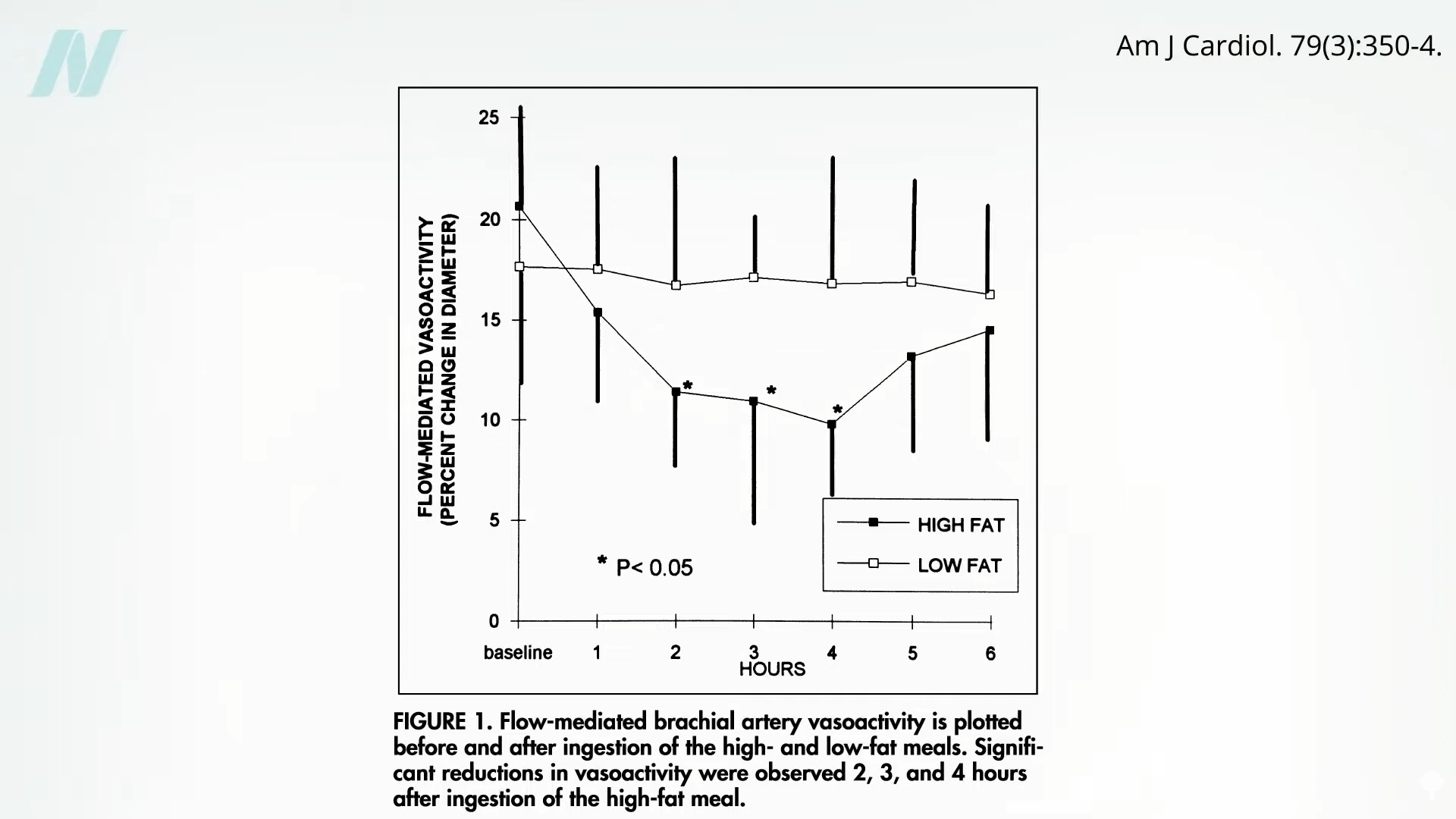
A pivotal study investigated the physiological consequences of consuming a high-fat meal. Participants in this research consumed meals that were either high in fat or low in fat. The findings revealed a striking difference in the post-meal vascular response. Within hours of ingesting the high-fat meal, significant impairment of arterial function was observed. This impairment manifested as a reduced ability of the arteries to dilate, a critical function for regulating blood flow and pressure. In contrast, individuals who consumed the low-fat meal did not exhibit such detrimental changes in arterial function.

The specific high-fat meal used in one of these early investigations comprised McDonald’s Sausage and Egg McMuffins. The study sought to pinpoint the dietary components responsible for this adverse effect. Researchers considered the possibility that the sausage, egg, or cheese might be the primary culprits, or perhaps the refined carbohydrates present in the biscuit. However, the control meal, a low-fat option consisting of Frosted Flakes and a sugary beverage, did not induce any measurable impairment of arterial function. This comparison provided compelling evidence that the fat content, rather than the carbohydrate component, was the key driver of the observed vascular dysfunction.
The implications of these findings are particularly concerning given typical eating patterns. For many individuals, the period following a meal, often lasting five to six hours, is characterized by ongoing digestive processes and metabolic activity. If this post-meal state is repeatedly punctuated by high-fat food consumption, the arteries are subjected to a continuous assault. This chronic bombardment can significantly elevate the risk of developing cardiovascular disease, which remains the leading cause of death globally.
Beyond the Heart: The Impact on Respiratory Health
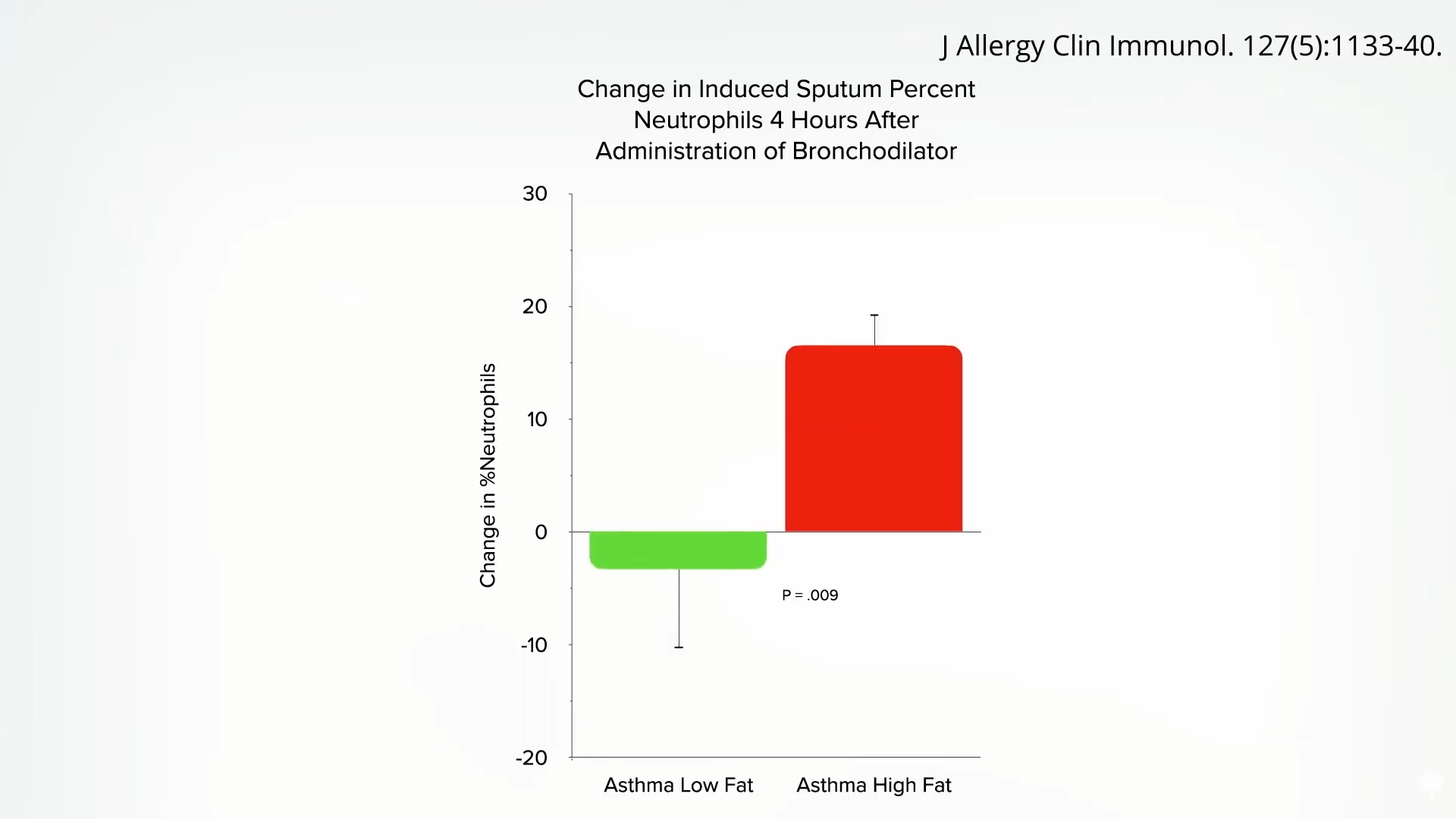
The detrimental effects of high-fat meals extend beyond the cardiovascular system, impacting respiratory function as well. Research has demonstrated that consuming a high-fat meal can trigger inflammation in the airways, leading to impaired bronchodilator recovery in individuals with asthma. In one study, participants with asthma who consumed a high-fat meal experienced an increase in inflammatory cells in their sputum, a marker of airway inflammation, four hours after eating. This heightened inflammatory response directly affects the ability of the airways to open, even with the administration of bronchodilator medications.
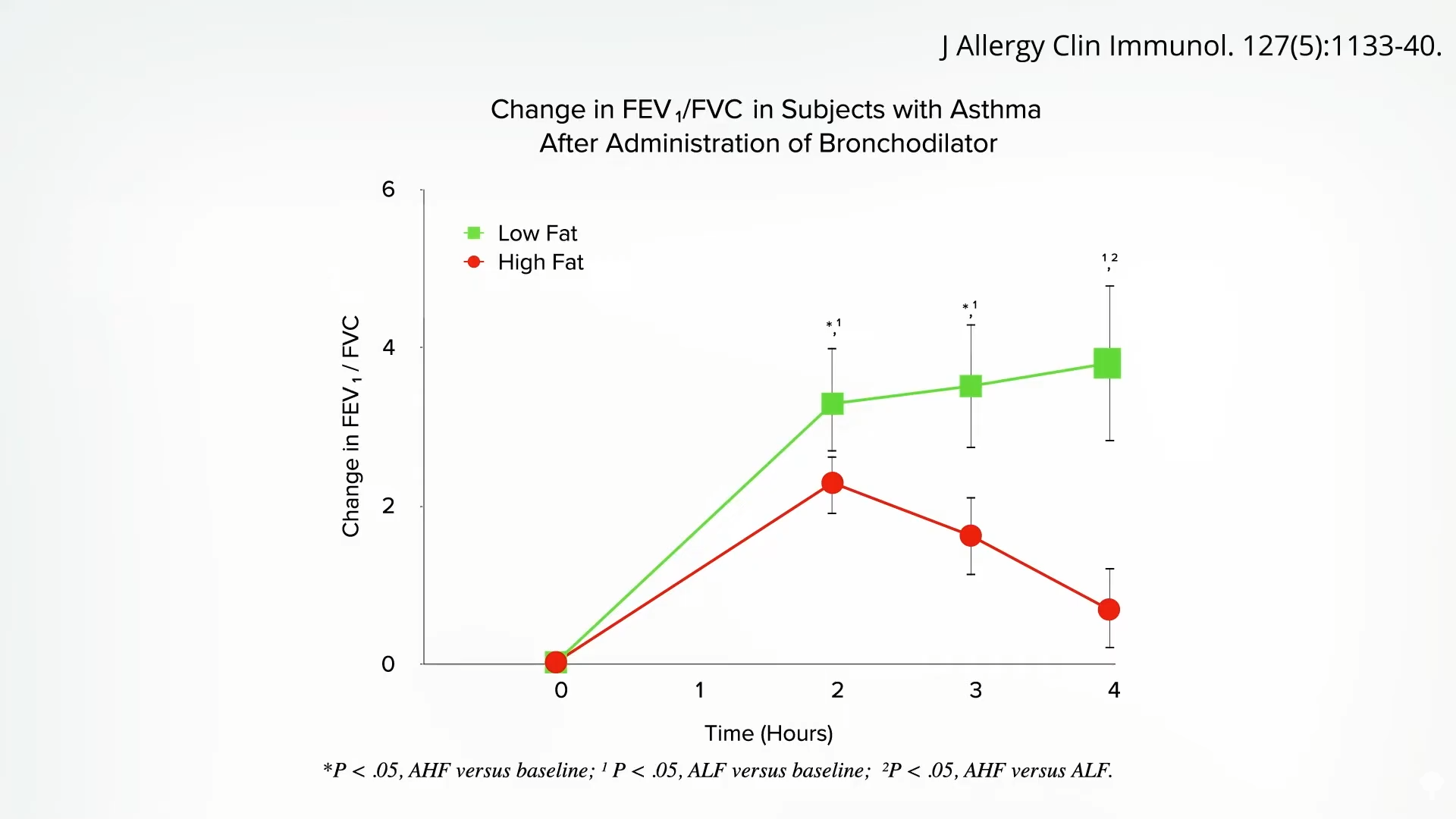
For individuals with asthma, the consequences can be particularly severe. When given standard doses of their inhalers, which contain bronchodilators like albuterol (Ventolin), their airways did not open as effectively after a high-fat meal compared to after a low-fat meal. This suggests that the inflammatory environment created by the high-fat meal renders these crucial medications less effective, potentially leading to more severe asthma exacerbations. This underscores the critical link between dietary choices and respiratory health, demonstrating that what we consume can directly influence our ability to breathe.
Inflammatory Cascade: Oxidized LDL and Endotoxins
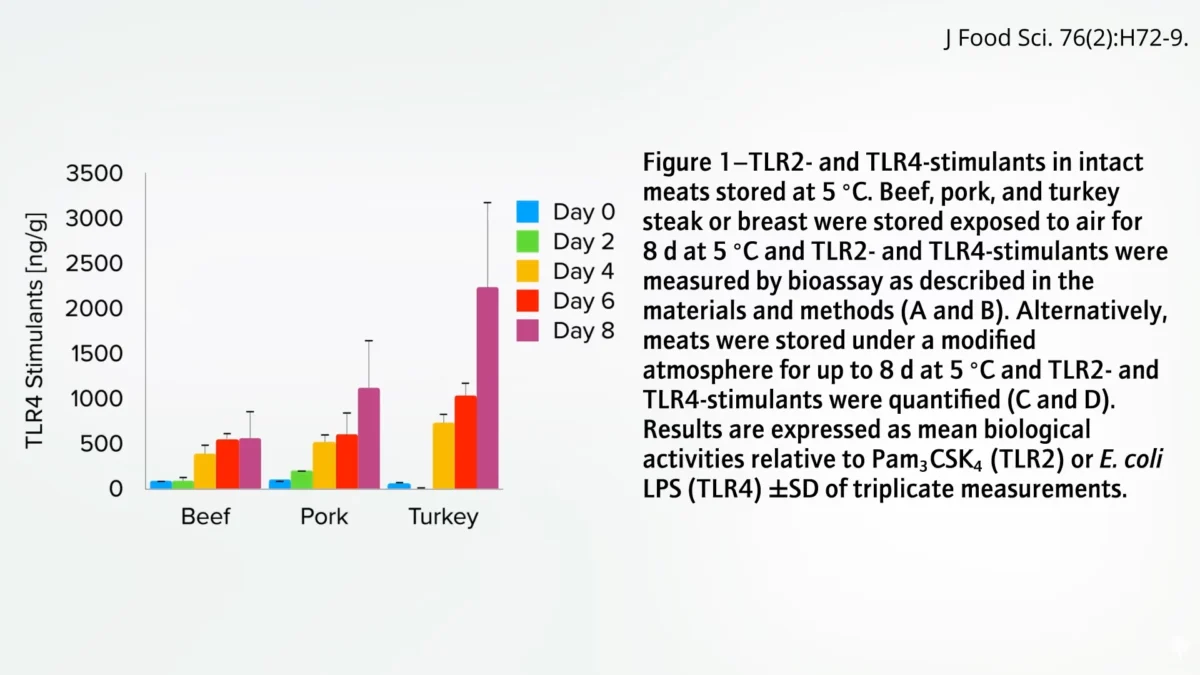
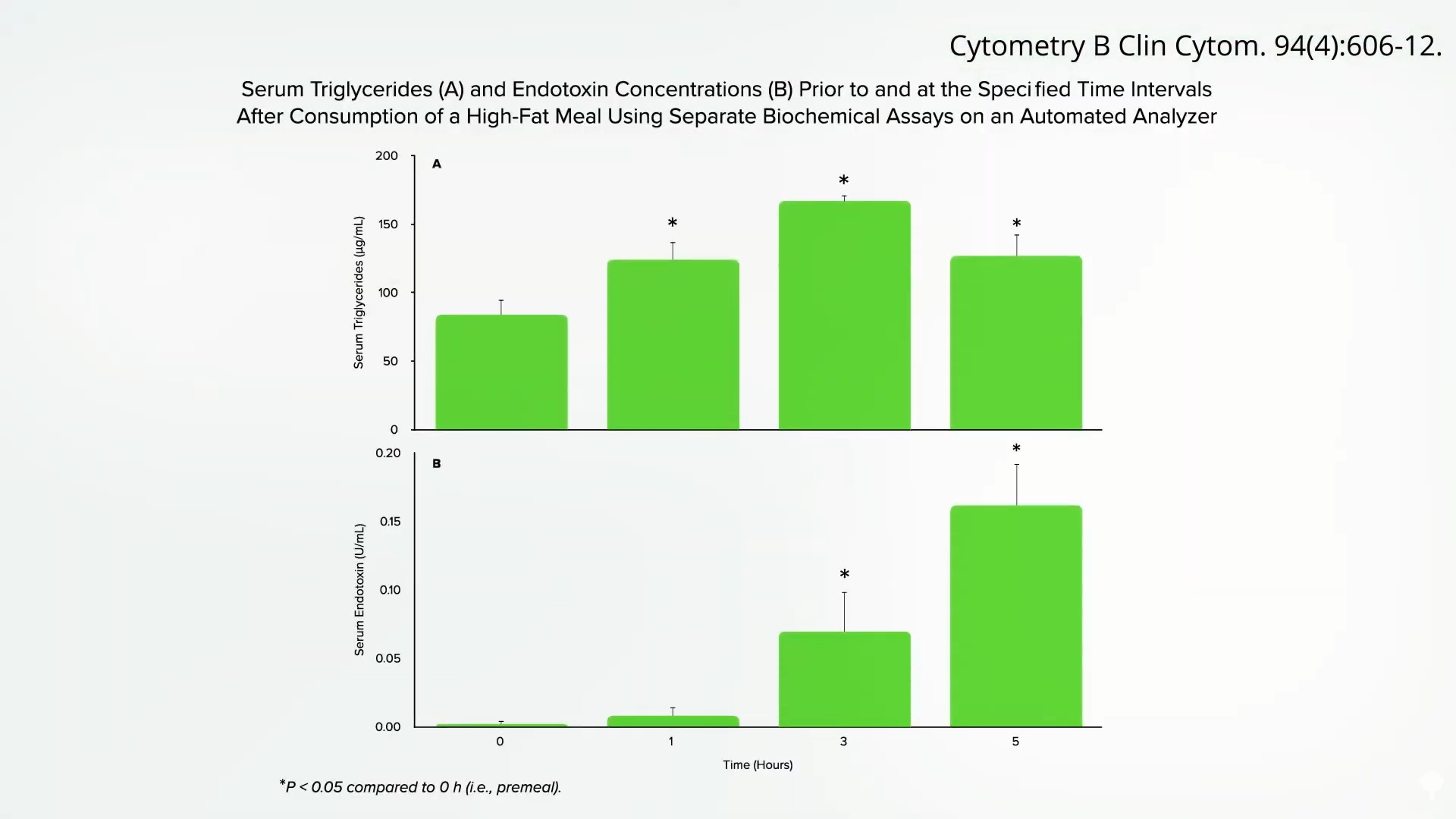
The inflammatory cascade initiated by high-fat meals is further exacerbated by changes in blood lipid profiles and the presence of endotoxins. Following the consumption of a high-fat meal, such as pizza, not only does the level of fat in the blood increase, but so do endotoxin levels. Endotoxins are components of bacterial cell walls, and foods like meat, both red and white, can be heavily contaminated with bacteria, alive or dead, leading to a significant accumulation of these inflammatory agents.
More concerning is the observed doubling of pro-inflammatory oxidized LDL cholesterol in white blood cells. These specialized cells, upon engulfing oxidized LDL, transform into foam cells. Foam cells are instrumental in the buildup of inflamed plaque within artery walls, a process that ultimately leads to heart attacks. This phenomenon, occurring within hours of consuming a high-fat meal, highlights the rapid progression of atherosclerotic processes driven by dietary fat.
While endotoxins were initially considered the primary drivers of this post-meal inflammation, more recent research, published in 2020, suggests that the fat itself may be the more direct culprit. Saturated fat circulating in the bloodstream after an unhealthy meal appears to induce inflammation more directly, independent of endotoxin levels. This understanding refines our perspective on the mechanisms by which dietary fat contributes to chronic diseases.
The Cumulative Impact: A Daily Assault on Arteries
The cumulative effect of repeated high-fat meals is a constant state of inflammation and arterial stress. Given that most individuals spend a significant portion of their day in a post-meal metabolic state, the cumulative burden on the arteries can be substantial. This continuous assault on vascular health is a primary driver of the high prevalence of cardiovascular disease, reinforcing the notion that our dietary choices, meal by meal, play a critical role in shaping our risk factors for chronic metabolic diseases.
Broader Implications and Future Directions
The research discussed underscores the urgent need for dietary interventions aimed at mitigating the adverse effects of high-fat meals. The findings have significant implications for public health messaging and dietary guidelines. Understanding the immediate and profound impact of food choices on arterial and respiratory health can empower individuals to make more informed decisions.
This topic is part of a broader exploration into the impact of saturated fat and fast food on health. Future discussions will delve into the role of exercise in protecting arteries from the effects of fast food consumption and identify specific foods that can help protect arteries from saturated fat. The ongoing debate surrounding the health effects of dietary fat, including the "butter is back" studies, necessitates a continued focus on evidence-based nutritional science.
The implications of this research are far-reaching. For individuals with pre-existing conditions like asthma, the impact of high-fat meals can be particularly pronounced, leading to reduced quality of life and increased healthcare utilization. For the general population, the chronic inflammation and arterial damage initiated by dietary fat contribute to the development of a range of chronic diseases, including heart disease, stroke, and type 2 diabetes.
The scientific community continues to investigate the intricate mechanisms by which diet influences health. Future research may focus on identifying specific dietary patterns that can effectively counteract the inflammatory effects of saturated fat, as well as exploring the potential of prebiotics and probiotics in modulating the gut microbiome’s response to high-fat meals. The development of personalized nutrition strategies, tailored to individual metabolic profiles and genetic predispositions, may also offer a more targeted approach to disease prevention.
In conclusion, the evidence presented strongly suggests that even a single high-fat meal can have rapid and detrimental effects on arterial and respiratory function. These findings highlight the critical importance of a balanced and healthy diet in maintaining long-term health and preventing chronic diseases. The cumulative impact of daily dietary choices underscores the power individuals have in shaping their own health trajectories.

