

The detrimental effects of consuming a single, unhealthy meal on cardiovascular health are well-documented, with research indicating that even one indulgence in high-fat foods can impair artery function. However, emerging scientific findings suggest a powerful countermeasure: physical activity. A critical window of time exists post-meal during which sufficient exercise can significantly help to mediate some of the damage caused by such dietary indiscretions, offering a tangible strategy for individuals to protect their vascular health.
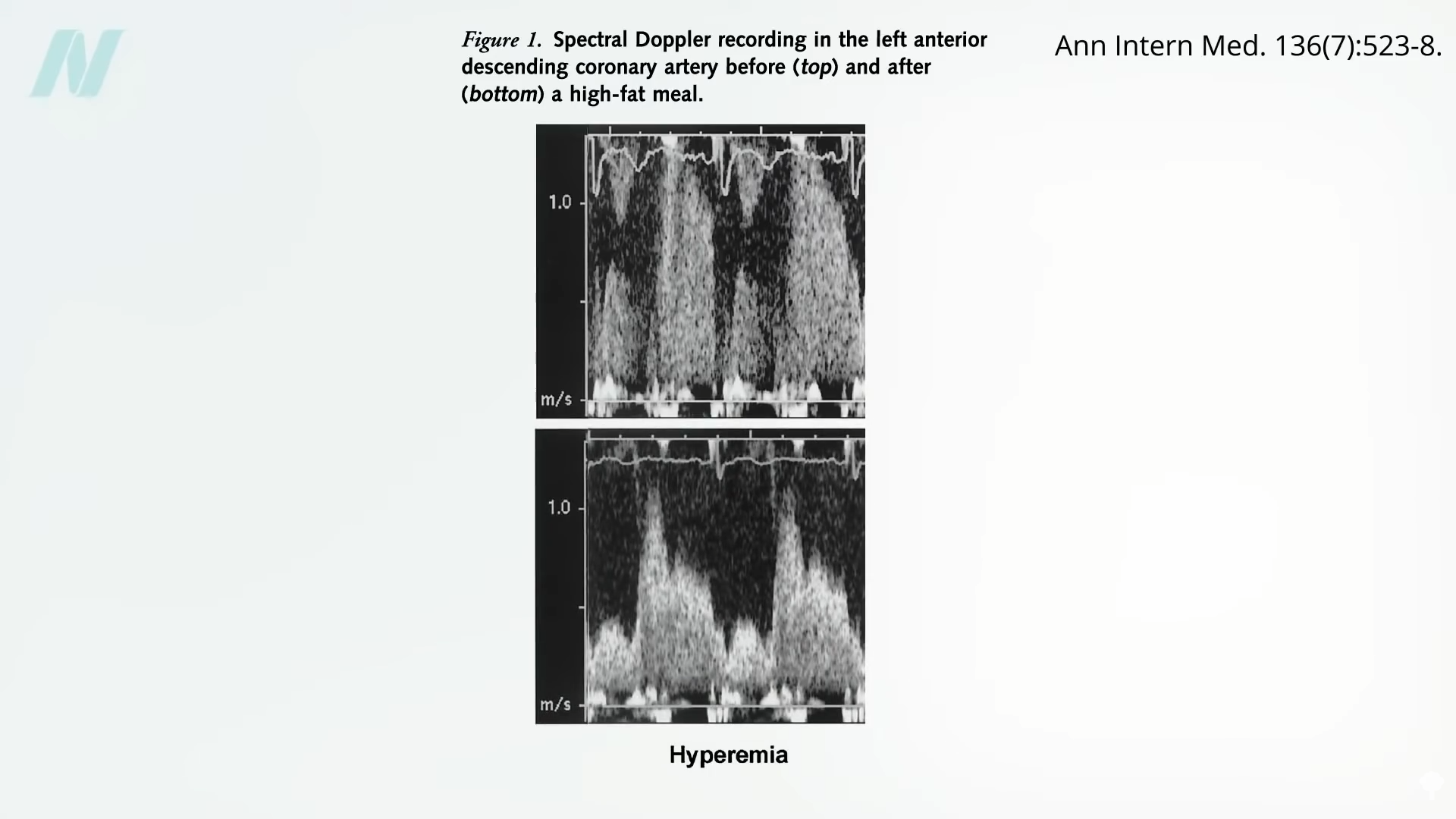
Previous studies have illuminated the immediate impact of high-fat meals. For instance, research has demonstrated that a single meal rich in saturated fat can negatively affect artery function, not only in the peripheral circulation of the arm but, more alarmingly, in the blood flow to the heart muscle itself. In one notable study, male participants were randomized to consume either a high-fat meal, exceeding 60% fat with half of that being saturated and containing more than an egg’s worth of cholesterol, or a low-fat meal, predominantly composed of carbohydrates with less than 10% fat and 50 times less cholesterol.
The consequences of the high-fat meal were starkly illustrated through Doppler recordings of the left anterior descending coronary artery, colloquially known as the "widow-maker." Before the high-fat meal, the Doppler signal indicated robust blood flow. However, within hours of consumption, this signal was significantly diminished, a visual representation of the artery’s constricted capacity. This reduction in blood flow capacity, specifically the coronary flow reserve, was observed five hours after the high-fat meal. The coronary flow reserve is a crucial measure of the heart’s ability to increase blood flow in response to increased demand. When arteries are narrowed or blocked, the surrounding vessels expand to compensate. This compensatory expansion capacity, the coronary flow reserve, is demonstrably clamped down after a fatty meal, thereby undermining the heart’s ability to cope with potential blockages.
The Visual Evidence: From Artery Function to Retinal Health
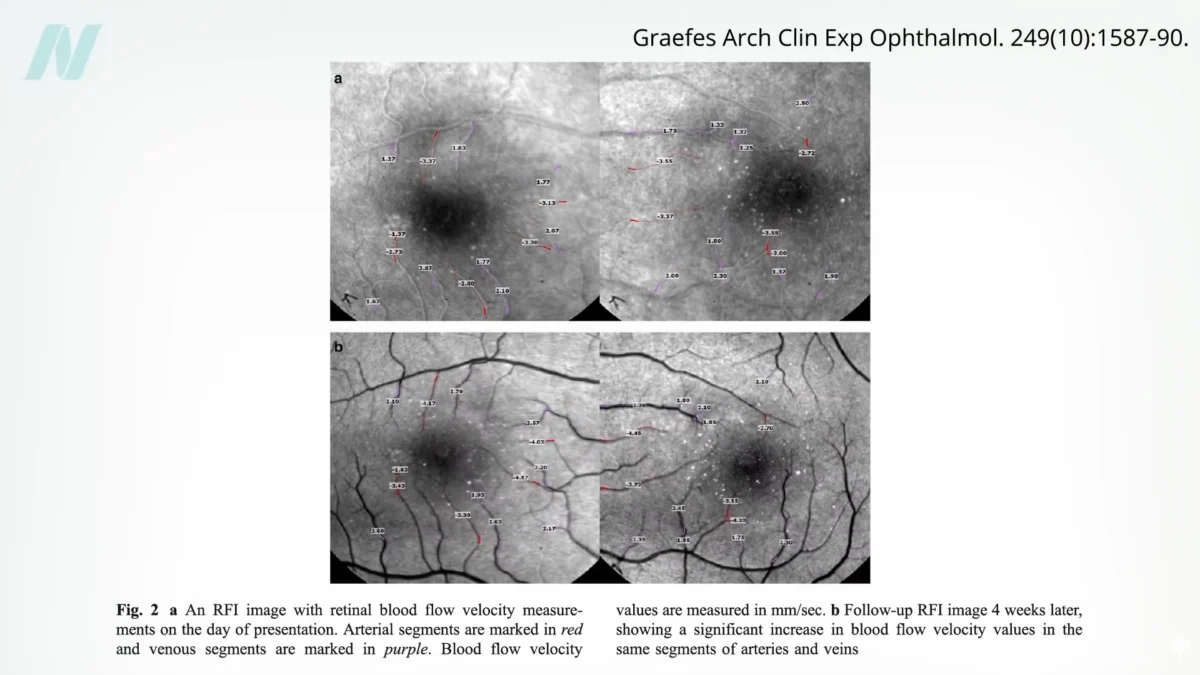
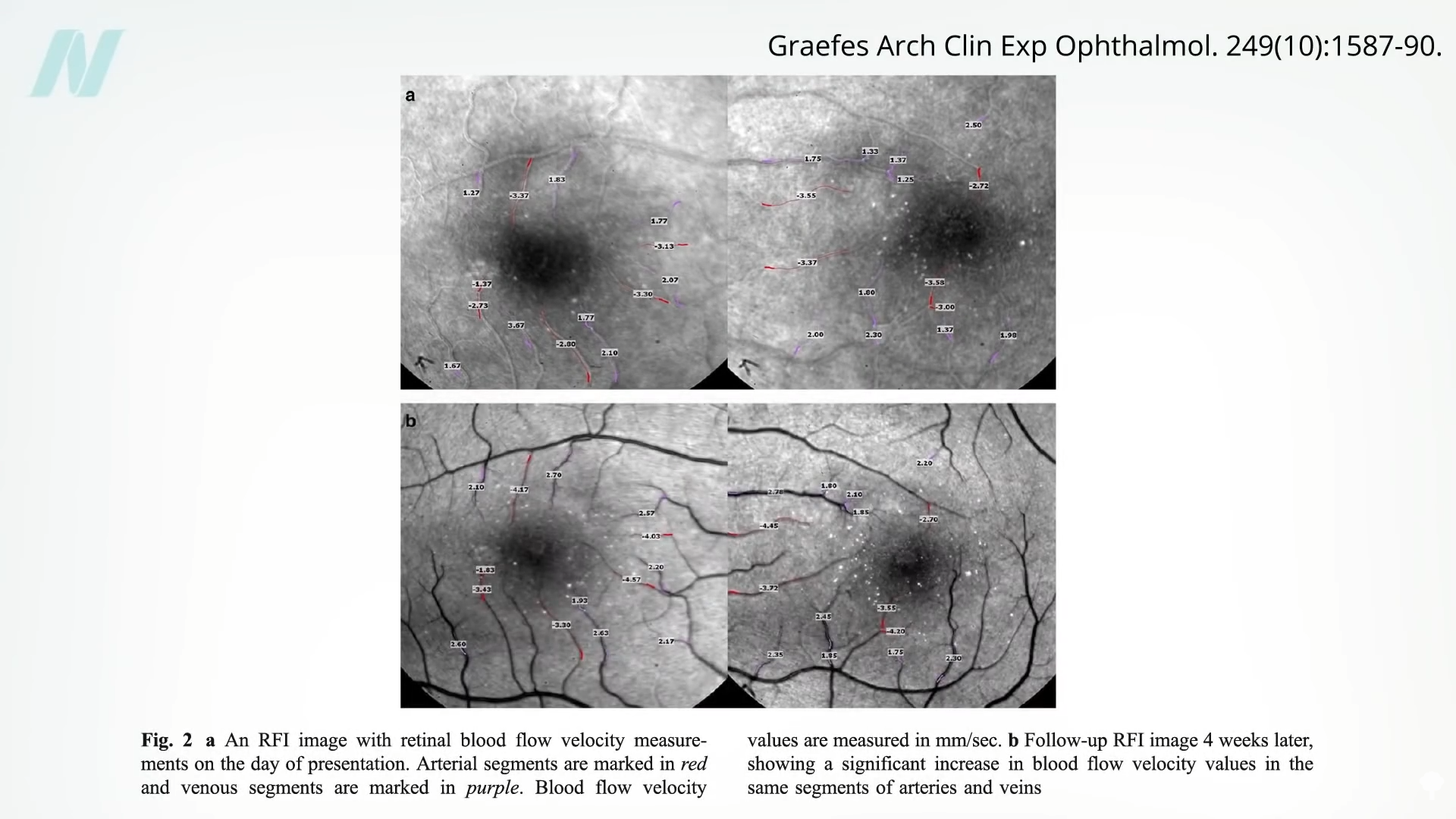
The visual impact of unhealthy dietary choices extends beyond internal artery imaging. In extreme cases, the detrimental effects can even be observed in the back of the eye, specifically the retina. Doppler imaging of the coronary arteries before and after a high-fat meal reveals a stark difference. Similarly, images of the retina can illustrate the consequences.
One compelling visual, often presented alongside data on artery function, shows a retina with milky-colored blood vessels. This discoloration is a direct consequence of high levels of fat circulating in the bloodstream. Following dietary intervention, such as a low-fat diet coupled with appropriate medical treatments to clear the bloodstream of excess lipids, the blood vessels return to a clearer appearance. The initial state has been described as akin to a "milkshake," highlighting the significant embolic load introduced into the circulatory system. This visual analogy underscores the profound and immediate impact that dietary fat can have on blood viscosity and circulation.

Exercise as a Post-Meal Intervention: Timing is Key
The critical question then arises: can physical activity mitigate these immediate negative effects? Research suggests that it can, but with a crucial caveat regarding the timing of exercise. Post-meal inflammation, exacerbated by the prolonged elevation of fat in the blood following high-fat meals, is a recognized contributor to increased cardiovascular disease risk. However, substantial evidence indicates that acute exercise performed shortly after such a meal can be an effective strategy for clearing some of this excess fat from the bloodstream.
The Critical Time Window for Exercise Benefits
The beneficial effects of acute exercise on postprandial lipemia, or the elevated levels of fat in the blood after a meal, are, however, relatively short-lived. This implies that consistent engagement with physical activity is paramount. Sporadic exercise, even by individuals who are otherwise very fit, may not provide lasting protection if periods of inactivity follow.
Scientists have identified a critical time window during which exercise appears most effective. This window extends from approximately 18 hours before a high-fat meal up to about 90 minutes after the meal. Within this timeframe, engaging in physical activity can significantly help to counteract the immediate vascular impairments.
Quantifying the Exercise Needed: Moderate Intensity for Optimal Results
The amount of exercise required to achieve these protective benefits is also a subject of study. Research suggests that approximately one hour of moderate-intensity exercise should be sufficient to elicit a positive response. This could involve activities like brisk walking, cycling, or swimming.
Further studies have explored the impact of more intermittent exercise. In one investigation, participants who consumed a McDonald’s breakfast – a meal notoriously high in fat, carbohydrates, and sodium, comprising hash browns, eggs, pancakes, an English muffin, sausage, and a milkshake – were monitored. Artery function significantly decreased in those who remained sedentary after the meal. However, for a group that engaged in 20 minutes of stair climbing, broken into five-minute intervals every hour for four hours post-meal, the negative impact on artery function was significantly attenuated.
This finding suggests that hourly bouts of moderate-intensity exercise, such as stair climbing, may not only counteract the detrimental effects of prolonged sitting but also those of consuming a high-fat meal. The researchers concluded that such a strategy could be an "easily accessible lifestyle strategy to protect vascular [artery] function."
Beyond Fat: The Dual Threat of Sodium
While the impact of dietary fat on artery function is a significant concern, it is not the sole culprit in unhealthy meals. The sodium content of many processed and fast foods also poses a substantial threat. A typical fast-food breakfast, for example, can easily exceed the daily recommended sodium intake. The American Heart Association advises a daily sodium intake of no more than 1,500 milligrams, yet some fast-food options can contain over 2,000 milligrams in a single meal.
Even a reduction in salt intake by a third can still impair artery function within an hour of consumption, independent of any immediate increase in blood pressure. This highlights that the detrimental effects of sodium on vascular health are multifaceted and occur even in the absence of overt hypertension.
Salt Sensitivity and Artery Function: A Broader Impact
The relationship between salt intake and blood pressure is complex, with individuals often categorized as "salt-sensitive" (experiencing significant blood pressure spikes with salt intake) or "salt-resistant" (showing less dependence of blood pressure on salt). However, the impact of high dietary sodium on artery function is not limited to salt-sensitive individuals.
Studies have shown that transitioning from a low-salt diet to a high-salt diet impairs artery function regardless of whether an individual is salt-sensitive or salt-resistant. This indicates that high sodium intake has a direct negative effect on the vascular system, irrespective of its immediate impact on blood pressure regulation.
The Scientific Consensus on Sodium: A Persistent Villain
Despite some dissenting voices, often funded by the salt industry, who question the benefits of sodium reduction, the overwhelming scientific evidence points to the contrary. The consensus among independent researchers is that high dietary sodium intake is a significant contributor to cardiovascular disease. The pervasive influence of dietary salt extends beyond its well-known effect on blood pressure, directly impacting artery function. Therefore, the "real villain," as identified by scientific literature, is often sodium itself, rather than the reduction of sodium intake.
Broader Implications and Public Health Perspectives
The findings from these studies carry significant implications for public health recommendations and individual dietary choices. They underscore the immediate and profound impact that seemingly single dietary indiscretions can have on cardiovascular health. Furthermore, they provide actionable strategies for individuals to mitigate these risks.
The concept of a "time window" for exercise intervention offers a practical approach for people to actively manage the consequences of occasional unhealthy eating. This knowledge empowers individuals to make informed decisions about their lifestyle choices, integrating physical activity not just as a means of weight management or general fitness, but as a critical tool for immediate cardiovascular protection.
The dual threat of high fat and high sodium in processed and fast foods emphasizes the need for greater consumer awareness and more robust public health campaigns. The stark visual evidence of fatty blood and impaired artery function serves as a powerful motivator for dietary change.
A Call for Lifestyle Integration
The research strongly suggests that incorporating regular physical activity, particularly around periods of potential dietary compromise, is a vital component of a heart-healthy lifestyle. The ease of access and implementation of strategies like hourly stair climbing further democratizes these protective measures, making them attainable for a wider population.
Ultimately, while exercise can offer a valuable buffer against the immediate harms of unhealthy meals, it is not a license for unchecked indulgence. The most effective strategy for protecting artery function remains a consistent commitment to a balanced, nutrient-rich diet, prioritizing whole foods and limiting the intake of processed items high in saturated fat and sodium. The scientific evidence, from the microscopic level of artery function to the macroscopic visual impact on retinal blood vessels, paints a clear picture: what we eat, and how we move, have a direct and profound impact on the health of our hearts. This ongoing research series aims to further elucidate these connections and provide evidence-based guidance for optimal cardiovascular well-being.

