

The scientific community is increasingly advocating for a reevaluation of how protein quality is defined, arguing that current standards, rooted in historical biochemical understandings, may not adequately reflect their impact on human health, particularly in industrialized nations where chronic diseases, rather than protein deficiency, pose the most significant public health challenges. This evolving perspective, championed by researchers like Dr. David Katz and David Jenkins, suggests a paradigm shift from a purely biochemical assessment of protein to one that prioritizes its broader health outcomes.
The Prevailing Definition and Its Implications
For decades, the definition of protein quality has largely centered on amino acid profiles, with a focus on essential amino acids and their digestibility. This approach has historically favored animal-derived proteins, such as those found in meat, eggs, and dairy, which are often considered "complete" proteins due to their comprehensive amino acid compositions. This prevailing notion, coupled with a general public perception that more protein is inherently better, has contributed to dietary recommendations and consumer choices that may not align with contemporary public health goals.
The concern arises because this traditional definition can inadvertently promote the consumption of animal proteins, a dietary pattern that, according to emerging research, may be linked to adverse health outcomes. This stands in contrast to current nutrition guidelines that increasingly emphasize the importance of plant-based foods for overall health and disease prevention. While protein malnutrition remains a critical issue in certain parts of the world, it is a rarity in developed countries. Instead, the primary public health threats in these regions are chronic, non-communicable diseases like cardiovascular disease, type 2 diabetes, and certain cancers.
Landmark Studies Underscore the Shift
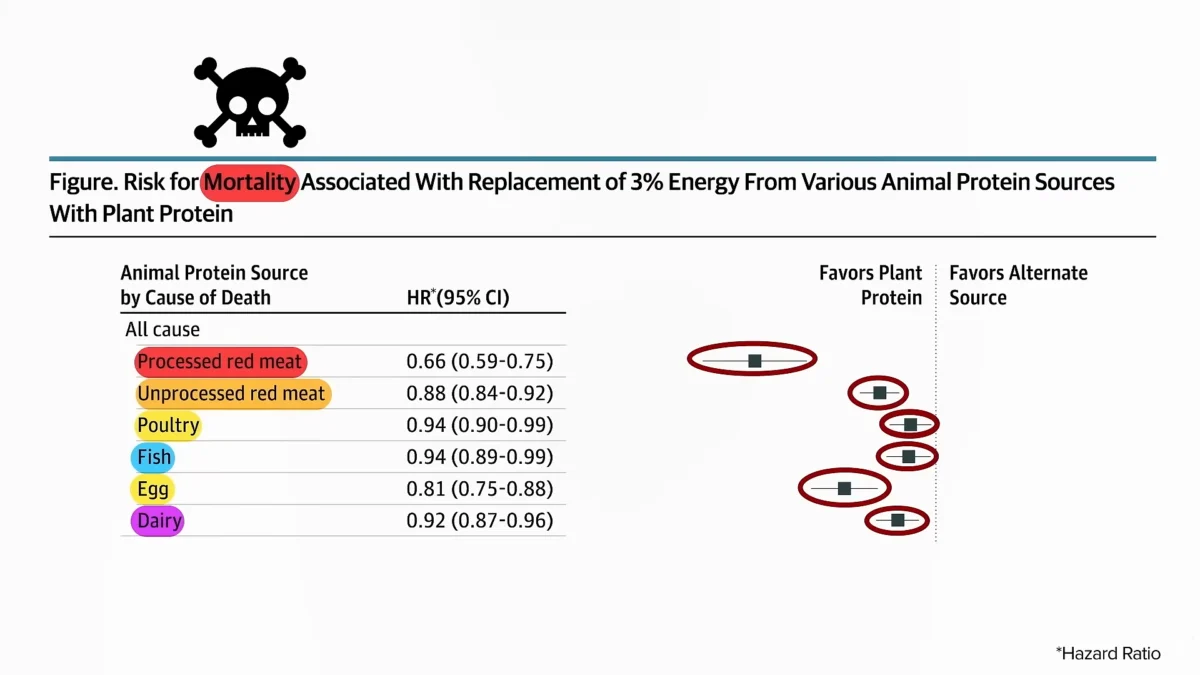
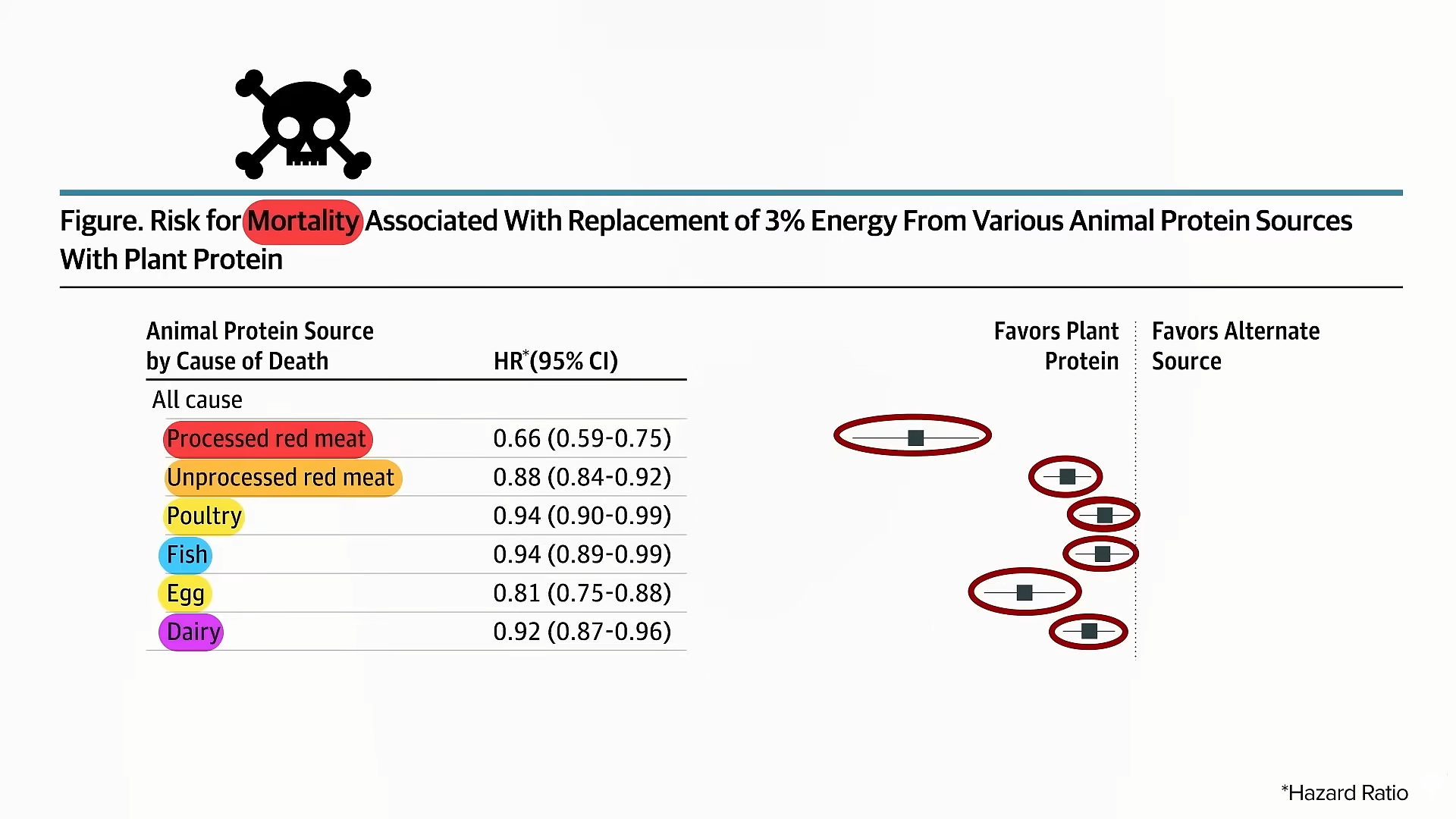
Significant research has begun to challenge the long-held assumptions about protein quality and its sources. A pivotal study published in 2016, involving over 100,000 participants, provided compelling evidence that replacing animal protein with plant-based protein sources was associated with a reduced risk of premature mortality. This large-scale investigation, conducted by Harvard University researchers, offered a stark contrast to the prevailing dietary narrative.
The findings indicated that even a modest substitution, such as replacing just 3% of daily calories from animal protein with plant protein, was linked to a significantly lower risk of death. This benefit was observed across various animal protein sources, including processed meats, unprocessed red meats, poultry, fish, eggs, and dairy products. The study specifically highlighted processed meats, such as bacon, and egg protein (particularly egg whites) as particularly impactful in this association. The implication is that the source of protein, not just its quantity, plays a critical role in long-term health outcomes.
Unraveling the Mechanisms: Beyond Amino Acids
The question then arises: if protein is protein, how can its source make such a difference? Researchers have delved into the potential mechanisms underlying these observed associations. While the Harvard study controlled for factors like saturated fat intake, suggesting the benefits were not solely attributable to fat content, other biological pathways are being explored.

One area of focus is the differing amino acid profiles. Plant proteins, for instance, are generally lower in branched-chain amino acids (BCAAs) compared to animal proteins. Research has indicated that a decreased consumption of BCAAs can improve metabolic health, potentially contributing to the observed health benefits of plant-based protein. This is a significant departure from the traditional view that all essential amino acids, including BCAAs, are equally desirable in high quantities from all sources.
Another potential factor is the role of Insulin-like Growth Factor 1 (IGF-1). Animal proteins, particularly those classified as "high-quality," have been linked to elevated IGF-1 levels. IGF-1 is a growth hormone that has also been associated with cancer promotion. Studies suggest a correlation between higher IGF-1 levels and increased risk of chronic diseases such as type 2 diabetes and heart disease, irrespective of dietary intake. The hypothesis is that consuming animal protein may inadvertently boost IGF-1, thereby increasing the risk of these conditions.
Furthermore, the presence of environmental contaminants in animal products is being considered. Pollutants such as dioxins and polychlorinated biphenyls (PCBs) tend to bioaccumulate up the food chain. This means that animals, including cattle, pigs, chickens, and fish, can ingest and store these toxins. Consequently, when humans consume these animal products, they are exposed to these harmful substances. Plant-based proteins, by their nature, do not typically carry this same bioaccumulation risk, offering an additional health advantage beyond their nutritional content. Therefore, increasing plant protein intake can serve as a strategy to reduce the body’s burden of these dietary toxins.
Broader Cohort Studies Reinforce the Findings
The robust findings from the Harvard study have been further corroborated by even larger epidemiological investigations. The U.S. National Institutes of Health-AARP Diet and Health Study, one of the most extensive dietary cohort studies ever conducted, analyzed data from approximately 400,000 individuals. This monumental study echoed the previous conclusions, finding that substituting just 3% of daily calories from animal protein with plant protein was associated with a 10% reduction in overall mortality. The benefits were even more pronounced when egg consumption was also reduced or eliminated.
The association between egg consumption and increased cardiovascular disease risk, previously noted, further supports the rationale for moderating egg intake. When researchers aggregate data from multiple studies on dietary protein intake and mortality, a clear pattern emerges: individuals who consume higher amounts of protein, particularly from animal sources, tend to have shorter lifespans. Conversely, plant protein intake demonstrates an inverse relationship with mortality, meaning that higher consumption of plant protein is correlated with a longer life expectancy.
A Call for Modernization and Public Health Action
The growing body of scientific evidence strongly suggests that the definition of protein quality needs to evolve. The current biochemical framework, while scientifically sound in its own right, may be insufficient to guide public health recommendations in an era dominated by chronic disease. A modernized definition should integrate health outcomes and consider the broader impact of different protein sources on long-term well-being.
The implications of this research are far-reaching. It underscores the importance of dietary guidelines that actively encourage a shift towards plant-based protein sources. Public health initiatives could be reframed to emphasize the benefits of legumes, nuts, seeds, and whole grains as primary protein providers, alongside a mindful reduction in animal protein consumption.
Expert Perspectives and Future Directions
Dr. David Katz, a proponent of this modernization, has highlighted that the prevailing definition of protein quality has more to do with biochemistry than with its direct effects on human health. He argues that this disconnect can lead to misinterpretations and suboptimal dietary choices. His work, alongside that of David Jenkins, a respected researcher in the field, has been instrumental in bringing this critical issue to the forefront of nutritional science.
The scientific community’s ongoing exploration into the nuanced differences between animal and plant proteins, including their effects on metabolic health, hormonal regulation, and toxicant exposure, is crucial. Further research is warranted to fully elucidate these mechanisms and to provide even more precise dietary guidance.
Implications for Public Health Policy and Individual Choices
The findings have significant implications for public health policy, dietary recommendations, and individual dietary choices. Encouraging a transition towards plant-based protein intake can be a powerful strategy for disease prevention and health promotion in populations where chronic diseases are prevalent. This shift aligns with the broader movement towards sustainable and environmentally conscious diets, as plant-based food systems generally have a lower environmental footprint than animal agriculture.
For individuals, this research offers a clear directive: prioritizing plant-based protein sources in their diets can contribute significantly to a longer and healthier life. This doesn’t necessarily mean complete elimination of animal products for everyone, but rather a conscious and informed reduction in their consumption, particularly of highly processed animal proteins and eggs, and a deliberate increase in plant-based alternatives.
The notion that protein needs to be meticulously "combined" from different plant sources at every meal, a long-standing myth, has also been debunked by nutritional science. Plant-based diets, when varied, typically provide all essential amino acids. Similarly, questions surrounding the protein content of vegetarian diets have been answered by studies showing that adequate protein intake is achievable with well-planned plant-based eating patterns.
The rise of plant-based meat alternatives also presents a complex area for consideration. While these products can serve as a transitional food for some, their healthfulness is subject to their processing and ingredient composition, necessitating careful evaluation on a case-by-case basis.
In conclusion, the scientific consensus is coalescing around the idea that a simple, biochemical definition of protein quality is no longer sufficient. A public health-oriented approach, one that considers the multifaceted impact of protein sources on human health and longevity, is essential. The evidence strongly supports encouraging individuals to increase their intake of plant-based proteins, a dietary strategy that holds immense promise for reducing the burden of chronic diseases and promoting a healthier future.

