

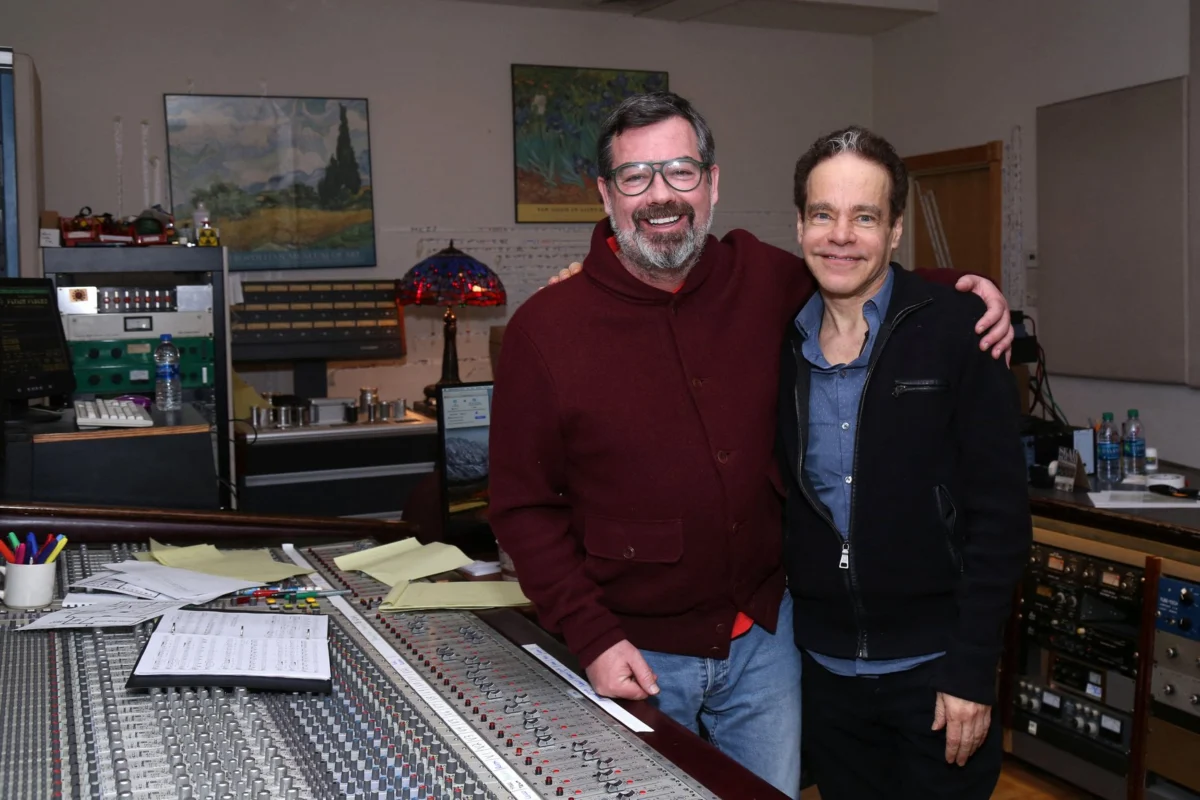
The world of music and theater mourns the loss of Duncan Sheik, a multitalented artist whose innovative spirit, deeply intertwined with his lifelong practice of Nichiren Buddhism, profoundly shaped contemporary musical theater. Sheik, who passed away at 56 from heart failure on September 17, consistently attributed his creative breakthroughs and inventiveness to his Buddhist practice. "I am not the perfect Buddhist—that’s for sure—but when you are practicing correctly, it really gives you an incredible amount of creative energy," Sheik shared in a 2008 interview with the Denver Gazette. For nearly four decades, Sheik was a devoted practitioner of Nichiren Buddhism, a path that not only guided his personal life but also served as a wellspring for his groundbreaking artistic endeavors.
Sheik first captured the attention of a global audience in the late 1990s with his chart-topping hit "Barely Breathing," a song that resonated with its poignant blend of catchiness and melancholy. However, his most enduring legacy lies in his transformative work in modern musical theater. As the composer for Spring Awakening, the 2006 Broadway sensation crafted with his long-time creative partner, Steven Sater, Sheik redefined the musical landscape. This acclaimed production, based on the controversial 1891 German play by Frank Wedekind, delved into the complex inner lives of adolescents grappling with societal repression and burgeoning sexuality in a rigid 19th-century German town. The New York Times lauded the musical as "a straight shot of eroticism" featuring "a ravishing rock score," capturing the raw emotionality and musical innovation that would come to define Sheik’s contribution to the art form.
Spring Awakening achieved immense popularity, dominating both Broadway and the album charts, and is now widely regarded as one of the most significant and influential musicals of the 21st century. Its impact was underscored at the 2007 Tony Awards, where it garnered eight wins out of eleven nominations, including prestigious awards for Best Musical, Best Score, and Best Orchestration for Sheik. Beyond its musical achievements, the production was celebrated for its fearless portrayal of adolescent vulnerability and complexity, launching the careers of its then-unknown lead actors—John Gallagher Jr., Jonathan Groff, and Lea Michele—into bona fide Broadway stardom. Sheik himself often noted the inherent Buddhist themes woven into the narrative of Spring Awakening, observing that the characters’ journeys of self-discovery mirrored the exploration of the "ten realms" of life within Nichiren Buddhism. He believed that a truly satisfying theatrical experience must encompass the full spectrum of human emotional and spiritual states, a principle that Spring Awakening masterfully embodied.
A Creative Partnership Forged in Shared Spiritual Ground
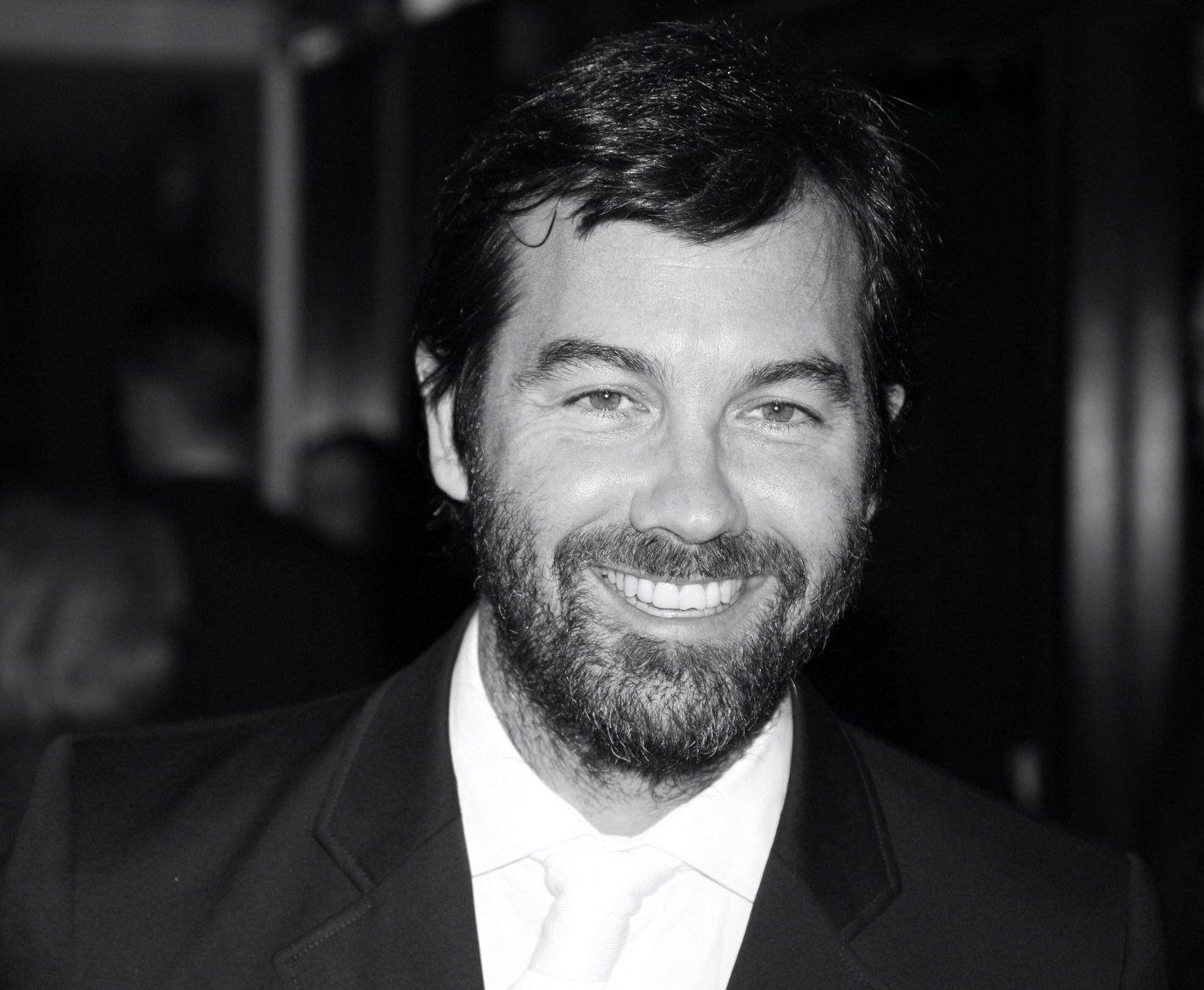
The serendipitous creative partnership between Duncan Sheik and Steven Sater was, in a significant way, initiated and nurtured through their shared Buddhist faith. Both artists were members of Soka Gakkai International (SGI), a global Buddhist organization. Their initial meeting, recounted by Sater, reads like a modern-day serendipitous encounter rooted in their spiritual practice. "I went to his loft in Tribeca to chant with him, and found out that he’d wanted to be a musician since he was 5 years old—and I wrote a novel when I was 5! So it turned into a profound meeting—the mystic exchange of a lifetime," Sater shared with the Songwriters Hall of Fame.
During their extended introductory conversation, Sater shared his work-in-progress, a narrative titled Umbrage, about a struggling singer-songwriter. When Sheik inquired about existing songs for the project, Sater, in his words, "did have a lyric and faxed it to him around 1:30 in the morning." The following day, Sheik presented Sater with a CD featuring the lyric set to a melody, a moment Sater described as "beautiful." Although Umbrage was initially set aside, it laid the groundwork for Sheik’s critically acclaimed 2001 studio album, Phantom Moon. The project was later reworked and retitled Arms on Fire, premiering at the Chester Theatre Company in 2013.
This collaborative spirit, born from their shared spiritual foundation, extended to other theatrical works. Alice by Heart, a musical inspired by Lewis Carroll’s Alice in Wonderland and set during World War II, also reached Broadway. Tragically, just weeks before Sheik’s passing, Sater revealed to Broadway World that their next musical collaboration, Nero, was slated for a London premiere in the fall. The news of Sheik’s death cast a somber shadow over these upcoming projects and the eagerly anticipated Off-Broadway revival of Spring Awakening, which was scheduled to begin preview performances on November 27, with casting announcements made just a day prior to his death.
Spiritual Beginnings and the Power of Chanting
Raised Catholic, Sheik’s spiritual journey took a significant turn during his time as a student at Brown University, where he majored in semiotics. It was after his freshman year, as he relocated to Los Angeles to pursue his music career and stay with his aunt, that his spiritual practices began to evolve profoundly. His aunt, a dedicated member of SGI since the early 1970s, became an invaluable guide for the young student grappling with existential questions. Through her, Sheik was introduced to the transformative power of chanting, specifically the daimoku mantra, Namu Myoho Renge Kyo, a central practice in Nichiren Buddhism.

Sheik’s aunt imparted a crucial piece of wisdom, which encapsulated a core tenet of SGI’s practice: "Unless you actually sit down and practice, it’s not really going to have an effect on your life." This advice resonated deeply with Sheik, particularly as music producers began responding to his calls shortly thereafter. This period marked the beginning of his dedicated, nearly forty-year practice of Nichiren Buddhism. He later recounted to the New Yorker that his newfound spiritual discipline initially puzzled and amused his college roommates upon his return to Brown.
Tangible Proof: Buddhism’s Impact on Art and Life
Throughout his career, Sheik consistently spoke about the profound impact of chanting and meditation on his creative output. This influence is subtly reflected in his music, most notably on "Nichiren," the closing track of his sophomore album, Humming. The lyrics evoke a sense of enduring philosophy that transcends challenges: "He beat the drum and lit the fires / He sent the messages in vain / But the sound of his philosophy / Rose above the falling rain."
A 1998 profile in The New York Times, published shortly after his debut album achieved commercial success, highlighted Sheik’s devotion to chanting, describing how he would "speed chant" before a bedside shrine to ensure his practice was completed before his evening engagements. Sheik often credited his Buddhist practice with equipping him to navigate the inherent difficulties of his career. "My ability to navigate the difficult aspects of my career as it were—I definitely credit my Buddhist practice with helping me deal with that," he shared with podcaster Leo Sidran in December 2020. "If I hadn’t been practicing, things would be way messier than they currently are."
The COVID-19 pandemic presented a period of profound reflection and deepened his spiritual engagement. With several theater projects on hold, Sheik found himself contemplating the future. During this time, he wrote and recorded Claptrap, an album he described as his most explicitly Buddhist work. He explored the concept of nonduality, a perspective he explained to LifeMinute TV as a way of viewing reality and one’s place in the world that offers significant contentment. This exploration helped him contextualize his role as a fifty-something artist in the modern world, seeking a more meaningful and functional approach to his creative life.
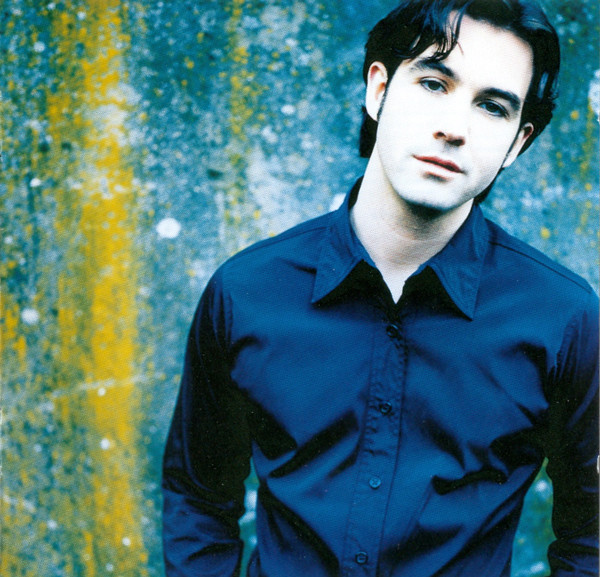
This period also coincided with his adjustment to fatherhood, a journey he acknowledged was more complex than initially anticipated. He and his wife, Singaporean model Nora Ariffin, welcomed their daughter, Ines, in December 2018. Sheik, in his late forties at the time of Ines’s birth, often spoke about his awareness of being an older father. "I went through my late midlife crisis. I had nothing to complain about, but I had a lot of questions . . . about how I was feeling, even with everything good [that was] happening," he recalled in 2022.
Despite life’s inevitable challenges and transitions, Sheik found that meditation consistently enabled him to channel the emotional flux and creative energy into his art. "As a Buddhist, you chant every morning and every evening. It’s like plugging into a huge, incredible creative energy," he stated in a 2002 interview. "The spirit you have and the moods you have through this experience manifest into your work. . . . The mind flows better and becomes engaged and galvanized by your work." This profound connection between his spiritual practice and his artistic output remained a guiding force throughout his remarkable career, leaving an indelible mark on the world of music and theater.

