

The public health community’s successful campaign to ban artificial trans fats from the food supply represents a significant victory, particularly when contrasted with earlier, less effective attempts to regulate the food industry. This triumph was not a singular event but rather the culmination of evolving strategies, industry self-interest, and a persistent, data-driven approach that ultimately outmaneuvered powerful corporate opposition. Understanding this success requires examining the broader landscape of public health interventions and the specific dynamics that characterized the trans fat debate.
The Spectrum of Public Health Intervention
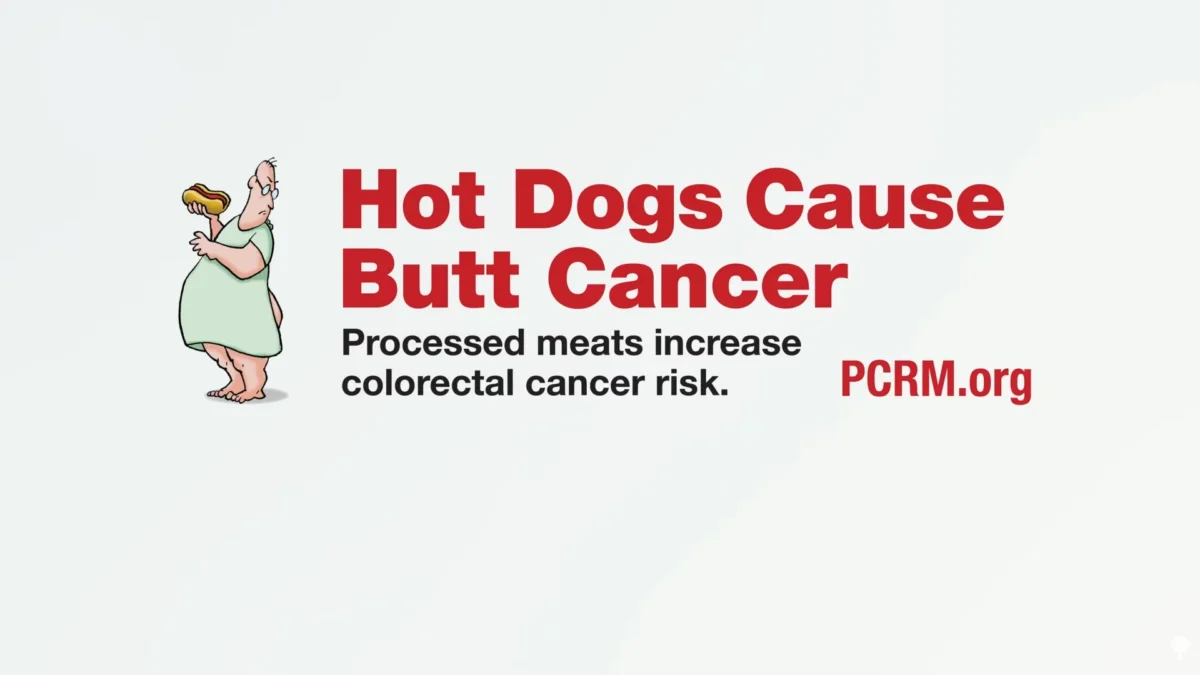
Public health efforts to mitigate the harm caused by risky lifestyle choices generally fall into three broad categories: informing individuals, nudging behavior, or directly intervening to reduce harm. Informing people, often through labeling or public awareness campaigns, aims to empower consumers with knowledge. Examples include "sugar pack" advertisements detailing the sugar content of soft drinks or stark billboards highlighting the link between processed meats and cancer. Nudging involves creating environments or incentives that subtly encourage healthier choices, such as offering financial incentives for specific behaviors. Direct intervention, however, goes further by fundamentally altering the environment or product to make the risky activity inherently safer. A compelling analogy highlights this distinction: mandating driver education (informing), labeling cars about crash risk (informing/nudging), or ensuring airbags are installed (direct intervention). The latter, by removing the human element from a critical safety function, demonstrably prevented more fatalities than educational or informational approaches alone.
The Silent Killer: The Emergence of Trans Fat Dangers
The journey to ban trans fats was a long and arduous one, underscored by decades of scientific evidence and mounting public health consequences. The pivotal moment arrived in 1993 with the publication of findings from the Harvard Nurses’ Health Study. This landmark research revealed a startling correlation: a high intake of trans fat could increase the risk of heart disease by a significant 50%. This was not a minor health concern; it was a direct contributor to a leading cause of mortality.
The scientific understanding of trans fat’s dangers began to translate into regulatory action in Denmark. Recognizing the profound health implications, Denmark took decisive action in 2003, implementing a ban on industrially produced trans fats. This proactive stance, however, stood in stark contrast to the response in the United States. It would take an additional decade for the U.S. to even begin contemplating such a ban, a delay that came at a devastating human cost. During this extended period of inaction, an estimated tens of thousands of Americans succumbed to trans fat-related illnesses annually. The cumulative effect was a staggering loss of healthy life years, equivalent to those lost to conditions such as meningitis, cervical cancer, and multiple sclerosis. The persistent question remains: why did it take so long for the United States to initiate action when so many were suffering and dying?
The Battleground: New York City and the Food Industry’s Resistance
The fight over New York City’s groundbreaking trans fat ban in the early 2000s served as a potent microcosm of the national debate. The food industry mounted a vigorous defense, decrying the proposed regulations as "government intrusion" and labeling the city a "nanny state." This opposition was multifaceted. The livestock industry, noting that trans fats can occur naturally in meat and dairy products, echoed the arguments of groups like the Institute of Shortening and Edible Oils, advocating for the principle of moderation in consumption. Critics, employing hyperbolic language, even characterized these public health proposals as the "rise of food fascism."
However, this narrative conveniently overlooked a crucial reality: it was the restaurant and food manufacturing sectors that had, in practice, limited consumer choice by broadly contaminating the food supply with these dangerous fats. The argument that consumers could simply choose to eat these products in moderation was undermined by the pervasive presence of trans fats in a vast array of processed and restaurant foods.
The "Slippery Slope" Defense and the Broccoli Analogy
A common tactic employed by vested corporate interests in regulatory battles is the "slippery slope" argument. The food industry effectively used this strategy, suggesting that banning added trans fats would inevitably lead to more extreme government interventions, such as dictating dietary choices. This line of reasoning, often framed as a fear of "food zealots" imposing their will, aimed to distract from the tangible harm being caused by trans fats.
The fear-mongering reached its zenith with rhetorical questions like, "What if the government tries to make us eat broccoli?" This hypothetical scenario, while seemingly absurd, found its way into high-profile legal discussions. During the Supreme Court’s deliberations on the Affordable Care Act, Chief Justice John Roberts famously mused about Congress potentially "ordering everyone to buy vegetables." Justice Ruth Bader Ginsburg, in response, dubbed this the "broccoli horror," astutely noting that while Congress technically possessed the power to compel increased consumption of plant-based foods, the "hypothetical and unreal possibility" of a vegetarian state was not a credible basis for legal challenge. As one legal scholar aptly observed, "Judges and lawyers live on the slippery slope of analogies; they are not supposed to ski it to the bottom." This legalistic defense, while intellectually stimulating, served to delay critical public health action.
New York City’s Victory and the National Repercussions
Despite formidable opposition, New York City ultimately prevailed in its trans fat fight, solidifying its reputation as a vanguard of public health innovation. This was not an isolated instance of the city leading the charge; it had previously banned lead paint 18 years before federal action was mandated, even in the face of overwhelming evidence of its dangers.

The impact of New York’s trans fat ban was meticulously studied. Researchers compared stroke and heart attack rates in different New York counties before and after the ban’s implementation. Their findings were significant: the ban was estimated to have successfully reduced cardiovascular death rates by approximately 5%. This success provided a compelling model, paving the way for the nationwide ban that would follow years later. The question then became, how did the public health community achieve this breakthrough, especially after earlier regulatory attempts had faltered? The odds of a national trans-fat ban, at one point, seemed impossibly low, prompting the wry observation, "Fat chance."
The Danish Model vs. the American Approach
In Denmark, the approach to tackling trans fat consumption was direct and effective. As a leading Danish cardiologist articulated, "Instead of warning consumers about trans fats and telling them what they are, we’ve [the Danes] simply removed them." This proactive, preventative strategy focused on eliminating the harmful substance from the food supply at the source.
However, the prevailing ethos in the United States often leaned towards individual responsibility and consumer choice, encapsulated by the adage, "You can put poison in food if you label it properly." This perspective assumes that consumers, armed with accurate information, can make informed decisions. Yet, this assumption is often undermined by the food industry’s "model of systemic dishonesty," as described by one health ethics professor. Given the industry’s historical predilection for deceptive practices and manipulative marketing, government intervention was deemed not only necessary but also the only viable path to ensuring public health. The challenge, however, was how to engineer the passage of such a ban.
The Unforeseen Catalyst: Labeling as a Producer’s Imperative
The initial step in the U.S. trans fat regulatory framework was the introduction of a mandatory labeling requirement. Manufacturers were compelled to disclose the trans fat content on their nutrition facts labels. While this measure was ostensibly designed to inform consumers, its most profound impact was on the producers themselves. The requirement for transparency created an unexpected imperative for companies to reformulate their products.
Suddenly, companies faced the prospect of public scrutiny for their trans fat content. To gain a competitive advantage and avoid negative publicity, many began scrambling to reduce or eliminate trans fats from their formulations. This led to a surge in products proudly advertising "no trans fat" on their packaging.
The Turning Point: Industry Reformulation as the Key to Success
Within a few years of the mandatory disclosure, a remarkable shift occurred in the marketplace. Over 5,000 products were reformulated and introduced with claims of low or zero trans fat. A striking example of this transformation was Kentucky Fried Chicken (KFC). Once facing lawsuits for exceptionally high trans fat levels in its offerings, KFC subsequently launched an advertising campaign featuring a father enthusiastically endorsing the restaurant’s zero-gram trans fat menu. This dramatic shift in corporate messaging underscored the profound impact of the labeling requirement.
This strategic move by major food industry players proved to be the secret ingredient in passing the trans fat ban. Once these corporations had already invested in reformulating their products and had begun to benefit from the marketing advantage of being "trans-fat free," the financial stakes of a complete ban diminished considerably. With the industry having already adapted and profited from the change, there was insufficient political will remaining to effectively block the ban. Consequently, added trans fats were systematically removed from the food supply, a victory for public health achieved through a nuanced understanding of industry incentives.
Broader Implications and Future Considerations
The success of the trans fat ban offers valuable lessons for future public health initiatives. It highlights the power of direct intervention when informational and nudging strategies prove insufficient, particularly in the face of powerful industry opposition. The ban also underscores the importance of understanding industry dynamics and leveraging them to achieve public health goals. By forcing disclosure, the public health community inadvertently incentivized the industry to make the very changes that would ultimately facilitate a ban.
It is crucial to note that the ban on trans fats specifically targeted industrially produced trans fats, not those naturally occurring in animal products like meat and dairy. This distinction remains a subject of ongoing discussion and research within the public health community. Furthermore, the effectiveness of other public health interventions, such as menu labeling of calories, has been met with mixed results. Studies suggest that simply listing calorie counts does not necessarily lead consumers to make healthier choices, indicating that the strategies employed must be carefully tailored to the specific health challenge and the behavioral landscape.
As the public health community continues to grapple with the complex challenges of diet-related diseases, the trans fat saga serves as a testament to the possibility of achieving significant victories through strategic planning, robust scientific evidence, and a keen understanding of the forces at play. The ongoing evolution of food technology and consumer behavior will undoubtedly present new hurdles, but the lessons learned from the fight against trans fats provide a valuable roadmap for future endeavors. The next frontier in this ongoing effort may well involve tackling the pervasive influence of ultra-processed junk foods, a challenge that will likely require a similarly innovative and strategic approach.

